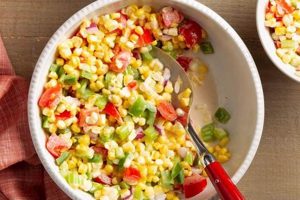
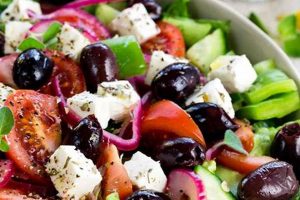
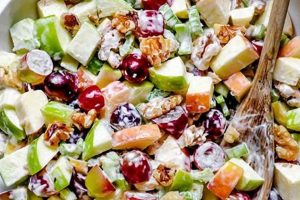
Meals focusing on fresh produce and minimizing processed ingredients can be a powerful tool in managing inflammation within the body. These meals typically incorporate leafy greens, colorful vegetables, fruits rich in antioxidants, and healthy fats. For example, a salad might combine spinach, chopped bell peppers, blueberries, walnuts, and a vinaigrette made with olive oil and lemon juice.
Chronic inflammation is linked to numerous health issues, including heart disease, arthritis, and certain cancers. Dietary choices play a significant role in influencing inflammatory responses. Choosing nutrient-rich foods offers potential benefits such as reduced pain, improved mobility, and a lower risk of developing chronic diseases. This approach to eating has gained increasing recognition in recent decades as research continues to highlight the connection between diet and inflammation.
The following sections will explore key ingredients, provide specific examples of beneficial combinations, and offer practical tips for creating and incorporating these meals into a healthy lifestyle.
Tips for Creating Anti-Inflammatory Salads
Constructing salads that effectively combat inflammation requires careful ingredient selection and preparation. These tips provide guidance for maximizing potential health benefits.
Tip 1: Embrace Dark Leafy Greens: Base salads on nutrient-dense greens like spinach, kale, or romaine lettuce. These provide a foundation of vitamins and minerals that support overall health.
Tip 2: Feature a Rainbow of Vegetables: Incorporate a variety of colorful vegetables such as bell peppers, tomatoes, carrots, and red onion. Different colors signify different phytonutrients, offering a broader spectrum of anti-inflammatory compounds.
Tip 3: Harness the Power of Berries: Add berries like blueberries, strawberries, or raspberries. These are packed with antioxidants that help neutralize harmful free radicals.
Tip 4: Include Healthy Fats: Incorporate sources of healthy fats, such as avocados, nuts, or seeds. These provide essential fatty acids that play a crucial role in reducing inflammation.
Tip 5: Choose Anti-Inflammatory Proteins (Optional): Consider adding lean protein sources such as grilled chicken or fish. Protein helps to promote satiety and supports muscle health. Fatty fish, like salmon, also provides omega-3 fatty acids.
Tip 6: Select Dressings Wisely: Opt for dressings made with olive oil, flaxseed oil, or avocado oil. Avoid processed dressings high in sugar and unhealthy fats. Homemade vinaigrettes with lemon juice or apple cider vinegar offer a flavorful and healthy option.
Tip 7: Minimize Processed Ingredients: Limit or avoid croutons, bacon bits, and cheese made from cow’s milk, as these can contribute to inflammation. Healthier alternatives might include pumpkin seeds or a sprinkle of nutritional yeast.
By following these guidelines, individuals can create meals that not only taste delicious but also contribute to overall well-being through reduced inflammation and enhanced nutritional intake.
In conclusion, prioritizing whole, unprocessed foods and incorporating these tips can contribute significantly to a long-term strategy for managing inflammation and promoting optimal health.
1. Leafy Greens Base

Leafy greens form the foundation of effective anti-inflammatory salads. Their nutrient density provides a substantial base of vitamins, minerals, and antioxidants, crucial for combating inflammation and promoting overall health. Understanding the specific contributions of various leafy greens allows for informed choices when designing these salads.
- Nutrient Richness
Leafy greens such as spinach, kale, and romaine lettuce are packed with vitamins A, C, and K, as well as minerals like folate and magnesium. These nutrients play vital roles in supporting immune function and reducing oxidative stress, both key factors in managing inflammation. For example, vitamin K contributes to bone health, an area often affected by inflammatory conditions.
- Antioxidant Power
Leafy greens contain potent antioxidants, such as lutein and zeaxanthin, which protect cells from damage caused by free radicals. These antioxidants contribute significantly to the anti-inflammatory effects of the salads. Kale, for example, is particularly rich in antioxidants linked to reducing the risk of chronic diseases associated with inflammation.
- Fiber Content
The high fiber content of leafy greens supports healthy digestion and promotes gut health. A healthy gut microbiome plays a crucial role in regulating inflammation throughout the body. Spinach, for instance, provides both soluble and insoluble fiber, contributing to a balanced gut environment.
- Versatility and Flavor Profiles
Different leafy greens offer unique flavor profiles and textures, allowing for a variety of salad combinations. Spinach offers a mild flavor, while kale provides a slightly bitter, earthy taste. Romaine lettuce provides a crisp texture. This versatility allows for the creation of salads tailored to individual preferences while maintaining anti-inflammatory benefits.
By selecting a variety of leafy greens and understanding their individual contributions, one can create salads that not only offer diverse flavors and textures but also maximize the potential anti-inflammatory benefits. This foundation of leafy greens allows for the incorporation of other anti-inflammatory ingredients, creating a synergistic effect that contributes to overall well-being.
2. Colorful Vegetables

The vibrancy of colorful vegetables reflects a rich diversity of phytonutrients, compounds with potent anti-inflammatory and antioxidant properties. Incorporating a variety of these vegetables into salads significantly enhances their effectiveness in combating inflammation. This diversity ensures a broader spectrum of beneficial compounds, maximizing potential health benefits. The link between vegetable color and specific phytonutrients provides a practical guide for creating salads targeted at reducing inflammation.
Red vegetables, such as tomatoes and red bell peppers, are rich in lycopene, a carotenoid with strong antioxidant activity linked to reduced risk of cardiovascular disease and certain cancers. Orange and yellow vegetables, like carrots and sweet potatoes, contain beta-carotene, another carotenoid converted to vitamin A in the body, supporting immune function and healthy vision. Purple vegetables, including red cabbage and eggplant, provide anthocyanins, antioxidants associated with improved cognitive function and reduced inflammation. Green vegetables, like broccoli and spinach, offer sulforaphane and other compounds with anti-cancer and anti-inflammatory effects.
Practical application of this knowledge involves consciously including vegetables from each color group. A salad featuring red tomatoes, orange carrots, yellow bell peppers, purple cabbage, and green spinach provides a wider range of phytonutrients than a salad limited to one or two colors. This diverse intake maximizes the potential for reducing inflammation and promoting overall health. While individual responses to specific phytonutrients may vary, a broad spectrum approach offers the greatest likelihood of experiencing significant benefits. Further research continues to explore the complex interactions between these compounds and their impact on human health.
3. Berries and Fruits

Berries and fruits represent a crucial element in anti-inflammatory salad recipes due to their rich concentration of antioxidants, vitamins, and fiber. These components contribute synergistically to combat oxidative stress and inflammation, thus enhancing the overall health benefits of the salad.
- Antioxidant Powerhouse
Berries, particularly those with deep colors like blueberries, strawberries, and raspberries, are packed with antioxidants such as anthocyanins and vitamin C. These compounds neutralize harmful free radicals, protecting cells from damage and reducing inflammation. The high antioxidant capacity of berries contributes significantly to the overall anti-inflammatory effect of the salad.
- Vitamin and Mineral Contribution
Fruits like oranges, kiwi, and pineapple offer a wealth of vitamins and minerals, including vitamin C, potassium, and folate, which further support immune function and overall health. These nutrients contribute to cellular repair and function, enhancing the body’s ability to manage inflammation. Adding these fruits to a salad provides a broader spectrum of micronutrients essential for well-being.
- Fiber Content and Gut Health
The fiber content in fruits, both soluble and insoluble, promotes healthy digestion and a balanced gut microbiome. A healthy gut plays a vital role in regulating inflammation throughout the body. Including fiber-rich fruits like apples and pears in salads contributes to improved gut health, indirectly supporting the anti-inflammatory goals of the meal.
- Flavor and Variety Enhancement
The inclusion of berries and fruits not only boosts the nutritional value of anti-inflammatory salads but also enhances their flavor and visual appeal. The natural sweetness and diverse textures of fruits complement the other salad components, making the meal more enjoyable and promoting adherence to a healthy diet. This variety also allows for customization based on individual preferences and seasonal availability.
The strategic incorporation of berries and fruits in anti-inflammatory salads provides a multifaceted approach to combating inflammation. By combining the antioxidant power, vitamin and mineral contributions, fiber content, and flavor enhancement, these ingredients contribute significantly to the overall effectiveness of the salad in promoting health and well-being. The variety within these food groups allows for diverse and appealing salad combinations, encouraging consistent consumption as part of a healthy dietary pattern.
4. Healthy Fats

Specific fats play a crucial role in modulating inflammatory responses within the body. Incorporating these “healthy fats” into anti-inflammatory salad recipes enhances their effectiveness in promoting overall well-being. Understanding the types of fats and their mechanisms of action is essential for creating salads that maximize these benefits.
- Omega-3 Fatty Acids
Omega-3 fatty acids, found in sources like flaxseed oil, walnuts, and chia seeds, exert potent anti-inflammatory effects. These fats work by converting into resolvins and protectins, compounds that actively resolve inflammation. Adding these ingredients to salads provides a direct source of omega-3s, contributing to the overall anti-inflammatory goal.
- Monounsaturated Fats
Monounsaturated fats, prevalent in olive oil and avocados, offer several benefits relevant to reducing inflammation. These fats improve cholesterol levels, reducing cardiovascular risk, a key area impacted by chronic inflammation. Incorporating olive oil-based dressings or adding sliced avocado contributes these beneficial fats to the salad.
- Polyunsaturated Fats (Beyond Omega-3s)
Beyond omega-3s, other polyunsaturated fats, such as those found in sunflower seeds and pumpkin seeds, offer additional anti-inflammatory benefits. These fats contribute to cellular health and provide a source of energy. Including a variety of seeds in salads provides a diverse intake of these beneficial fats.
- Balancing Omega-6 Intake
While omega-6 fatty acids are essential, excessive intake can promote inflammation. Anti-inflammatory salad recipes aim to balance omega-6 and omega-3 intake. Achieving this balance involves choosing oils lower in omega-6, like olive oil, and emphasizing omega-3-rich ingredients. Careful selection of oils and other ingredients helps maintain an optimal balance.
Strategic inclusion of these healthy fats in salads maximizes their anti-inflammatory potential. By combining these fats with other anti-inflammatory ingredients, such as leafy greens and colorful vegetables, the salad becomes a comprehensive tool for promoting overall health. The synergistic effects of these components contribute to a balanced and effective approach to managing inflammation through dietary choices. Further, using these fats in dressings or as integral components of the salad itself enhances flavor and palatability, encouraging consistent consumption as part of a healthy dietary pattern.
5. Lean Protein (Optional)

While not strictly required for an anti-inflammatory salad, the addition of lean protein offers several potential advantages. Protein contributes to satiety, which can assist with weight management, an important factor in controlling inflammation. Furthermore, certain lean proteins offer additional anti-inflammatory benefits. For instance, fatty fish like salmon, tuna, and mackerel provide a rich source of omega-3 fatty acids, known for their potent anti-inflammatory effects. Plant-based proteins such as lentils, chickpeas, and edamame also offer anti-inflammatory benefits and contribute fiber, further enhancing the salad’s overall health impact.
Including lean protein transforms a salad from a side dish into a more complete meal. This can be particularly beneficial for individuals seeking to increase their protein intake while adhering to an anti-inflammatory diet. Grilled chicken or fish, tofu, or a handful of nuts or seeds can easily be incorporated. Choosing cooking methods that avoid excessive charring or frying helps minimize the formation of inflammatory compounds. Additionally, incorporating plant-based proteins diversifies the nutrient profile of the salad, contributing additional vitamins, minerals, and antioxidants.
The decision to include lean protein in an anti-inflammatory salad depends on individual dietary needs and preferences. While not essential, it offers benefits related to satiety, nutrient density, and the potential for added anti-inflammatory effects, particularly when choosing sources rich in omega-3 fatty acids or plant-based proteins. Careful selection and preparation of lean protein sources optimize these benefits within the context of an overall anti-inflammatory dietary strategy.
6. Anti-inflammatory Dressings
The efficacy of anti-inflammatory salad recipes hinges significantly on the choice of dressing. Conventional dressings often contain processed oils, added sugars, and artificial ingredients that can exacerbate inflammation, negating the benefits derived from the salad’s other components. Anti-inflammatory dressings, conversely, utilize ingredients known to mitigate inflammation, enhancing the overall therapeutic effect of the meal. This careful selection transforms the dressing from a potential source of inflammation into a synergistic component that amplifies the salad’s health benefits.
Olive oil, rich in monounsaturated fats and antioxidants, forms an excellent base for anti-inflammatory dressings. Its inherent anti-inflammatory properties complement the other components of the salad, creating a cohesive and beneficial meal. Furthermore, incorporating ingredients like lemon juice, ginger, or turmeric, known for their anti-inflammatory properties, further enhances the dressing’s therapeutic potential. For instance, a dressing composed of olive oil, lemon juice, and a touch of ground ginger not only adds flavor but also provides a potent dose of anti-inflammatory compounds. Similarly, a turmeric-based vinaigrette, leveraging the active compound curcumin, offers significant anti-inflammatory benefits. These examples demonstrate the practical application of incorporating specific ingredients to create dressings that actively contribute to reducing inflammation.
Selecting an anti-inflammatory dressing is paramount for realizing the full potential of anti-inflammatory salad recipes. It ensures that the dressing complements, rather than counteracts, the beneficial effects of the other ingredients. This approach underscores the importance of considering every component of a meal in the context of its overall impact on inflammation and health. The conscious choice of an anti-inflammatory dressing transforms the salad from a simple dish into a powerful tool for managing inflammation and promoting well-being.
Frequently Asked Questions
This section addresses common inquiries regarding salads designed to mitigate inflammation.
Question 1: How frequently should one consume anti-inflammatory salads to observe noticeable benefits?
Regular consumption, ideally daily or several times per week, is recommended to experience potential benefits. The frequency may vary based on individual health conditions and dietary needs. Consulting a healthcare professional or registered dietitian can provide personalized guidance.
Question 2: Can these salads completely eliminate inflammation within the body?
While these salads can contribute significantly to reducing inflammation, they are not a sole solution. They should be incorporated as part of a comprehensive approach that may include other dietary changes, lifestyle modifications, and medical interventions as advised by healthcare professionals. They are a valuable tool within a broader strategy, not a standalone cure.
Question 3: Are there any specific ingredients to avoid when creating these salads?
Ingredients known to promote inflammation, such as processed meats, refined carbohydrates, and sugary dressings, should be avoided. Prioritizing whole, unprocessed foods maximizes the anti-inflammatory potential of the salad.
Question 4: Can individuals with specific dietary restrictions, such as gluten intolerance or veganism, adapt these recipes?
Adaptations for various dietary restrictions are readily achievable. Gluten-free options can be created by avoiding croutons or using gluten-free bread alternatives. Vegan options can utilize plant-based proteins and dressings. Careful ingredient selection ensures suitability for a range of dietary needs.
Question 5: Are there pre-made salad mixes available that align with anti-inflammatory principles?
While pre-made mixes offer convenience, careful evaluation of ingredient lists is essential. Some mixes may contain processed ingredients or dressings that counteract anti-inflammatory goals. Opting for mixes primarily composed of leafy greens and fresh vegetables, and using a separate anti-inflammatory dressing, is advisable.
Question 6: How does the cooking method impact the anti-inflammatory properties of ingredients included in the salad?
Cooking methods such as steaming, boiling, or baking generally preserve the nutritional value and anti-inflammatory properties of vegetables. Frying, particularly at high temperatures, can generate inflammatory compounds. Choosing gentle cooking methods maximizes the health benefits of included ingredients.
Incorporating anti-inflammatory salads into one’s diet requires mindful ingredient selection and preparation. These FAQs offer valuable insights into maximizing the health benefits and addressing common concerns. Consulting a healthcare professional or registered dietitian can provide personalized guidance based on individual needs.
Conclusion
Exploration of anti-inflammatory salad recipes reveals the significant potential of dietary choices in managing inflammation. Careful selection of ingredients, including leafy greens, colorful vegetables, berries, healthy fats, and lean proteins, contributes to a synergistic effect, maximizing potential benefits. Emphasis on whole, unprocessed foods, coupled with the avoidance of inflammatory ingredients like processed oils and added sugars, further amplifies the therapeutic impact. Understanding the role of each component, from leafy green bases to anti-inflammatory dressings, empowers informed decision-making in crafting effective and palatable meals.
Dietary strategies represent a powerful tool in mitigating chronic inflammation and promoting long-term well-being. Prioritizing nutrient-dense, anti-inflammatory foods, exemplified by thoughtfully constructed salads, offers a proactive approach to managing health. Continued research into the complex interplay between diet and inflammation promises further insights and refinement of dietary recommendations for optimal health outcomes. Ultimately, embracing such dietary practices contributes not only to immediate well-being but also to building a foundation for a healthier future.