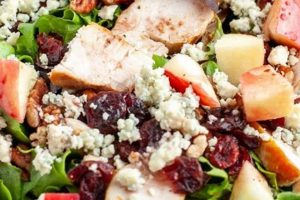
A culinary creation featuring quinoa as the central ingredient, combined with various complementary components such as vegetables, herbs, proteins, and a flavorful dressing, constitutes a dish capable of satisfying a variety of tastes and dietary needs. A simple example might include cooked quinoa tossed with chopped cucumbers, tomatoes, red onion, parsley, chickpeas, and a lemon-tahini dressing.
Such dishes offer numerous nutritional advantages, given quinoa’s status as a complete protein and rich source of fiber and minerals. They can be adapted to diverse palates and dietary restrictions, offering versatility for vegetarians, vegans, and those seeking gluten-free options. Furthermore, these salads can be enjoyed year-round, utilizing seasonal ingredients for optimal freshness and flavor. Their adaptability makes them suitable for casual meals, potlucks, and even more formal occasions.
The subsequent sections will delve into specific elements of crafting these dishes, exploring variations in ingredients, dressings, and preparation techniques to achieve optimal taste and nutritional value. Guidance on ingredient selection, cooking methods, and creative flavor combinations will be provided.
Tips for Crafting Exceptional Quinoa Salads
Achieving optimal flavor and texture in a quinoa salad requires attention to several key elements. The following tips offer guidance for creating a dish that is both nutritious and delicious.
Tip 1: Rinse the quinoa thoroughly. Rinsing removes saponins, naturally occurring compounds that can impart a bitter flavor. Place quinoa in a fine-mesh sieve and rinse under cold water until the water runs clear.
Tip 2: Cook quinoa properly. Use a 2:1 ratio of water to quinoa. Bring the water to a boil, add the quinoa, reduce heat, and simmer covered for 15-20 minutes, or until all the water is absorbed. Fluff with a fork.
Tip 3: Incorporate diverse textures and flavors. Consider adding roasted vegetables for depth, nuts and seeds for crunch, and dried fruits for sweetness. A variety of fresh herbs can enhance the overall flavor profile.
Tip 4: Balance flavors with the dressing. A well-balanced dressing complements the other ingredients without overpowering them. Consider acidity, sweetness, and savory elements. Lemon juice, vinegar, olive oil, and tahini are excellent starting points.
Tip 5: Allow the salad to rest. Allowing the salad to rest for at least 30 minutes, or preferably longer, allows the flavors to meld and the quinoa to absorb the dressing, resulting in a more cohesive and flavorful dish.
Tip 6: Utilize seasonal ingredients. Fresh, seasonal produce offers peak flavor and nutritional value. Adapt recipes based on what is available locally and in season.
Tip 7: Don’t be afraid to experiment. Quinoa salads are highly adaptable. Explore different combinations of ingredients, herbs, spices, and dressings to create unique and personalized flavor profiles.
By following these tips, one can elevate a simple quinoa salad to a culinary masterpiece. Careful attention to detail, from rinsing the quinoa to selecting complementary ingredients, ensures a delicious and satisfying dining experience.
In conclusion, the creation of a truly exceptional quinoa salad involves a blend of culinary technique and creativity. The following section will further explore variations and adaptations to inspire culinary exploration.
1. Ingredient Quality

Ingredient quality stands as a cornerstone of any successful culinary endeavor, particularly when crafting a truly exceptional quinoa salad. The selection of fresh, high-quality ingredients significantly impacts the final dish’s flavor, texture, and nutritional value. Subpar ingredients can detract from the overall experience, while premium components elevate the salad to a new level of culinary excellence.
- Freshness of Produce
Prioritizing fresh, seasonal produce ensures optimal flavor and nutritional content. Locally sourced vegetables and herbs, when in season, offer the most vibrant flavors and textures. For example, using ripe, in-season tomatoes will contribute a sweetness and juiciness that out-of-season or conventionally grown tomatoes may lack. This commitment to freshness translates directly to a more flavorful and nutritious final product.
- Type of Quinoa
Different quinoa varieties offer subtle variations in flavor and texture. While white quinoa is the most common and readily available, exploring other options like red or black quinoa can add visual appeal and nuanced flavors to the salad. Red quinoa holds its shape better after cooking, lending a chewier texture, while black quinoa has a slightly earthier flavor. Selecting the appropriate quinoa variety adds depth and complexity.
- Sourcing of Proteins and Fats
When incorporating protein and healthy fats, quality remains paramount. Choosing organic or sustainably sourced proteins, such as chickpeas, lentils, or grilled chicken, contributes not only to flavor but also to ethical and environmental considerations. Similarly, opting for high-quality oils and fats, like extra virgin olive oil or avocado oil, enhances the nutritional profile and overall flavor of the vinaigrette.
- Complementary Ingredients
The supporting ingredients, such as herbs, spices, nuts, and dried fruits, should also be of high quality. Fresh herbs, vibrant spices, and properly stored nuts and dried fruits contribute significantly to the complexity and balance of flavors. For instance, using freshly ground spices instead of pre-ground options offers a more potent and nuanced flavor profile.
By focusing on the quality of each individual component, the resulting quinoa salad transforms from a simple dish into a culinary experience. The synergy between fresh, high-quality ingredients creates a cohesive and satisfying flavor profile that elevates the nutritional value and overall enjoyment. This dedication to quality underscores the difference between a merely adequate salad and a truly exceptional one.
2. Flavor Balance

Flavor balance represents a crucial element in crafting a truly exceptional quinoa salad. A harmonious interplay of tastes elevates the dish beyond a simple combination of ingredients, transforming it into a cohesive and satisfying culinary experience. Achieving this balance requires careful consideration of the various flavor components and their interactions within the salad.
- Acidity
Acidity provides brightness and cuts through the richness of other ingredients. A squeeze of lemon or lime juice, a splash of vinegar, or the inclusion of acidic vegetables like tomatoes or pickled onions introduces a necessary tartness. This tartness balances the earthiness of the quinoa and prevents the salad from feeling too heavy. For example, a lemon-herb vinaigrette adds a refreshing zing to a quinoa salad with roasted vegetables and feta cheese.
- Sweetness
Sweetness, when used judiciously, adds depth and complexity. Incorporating dried fruits like cranberries or apricots, roasted sweet potatoes, or a touch of maple syrup in the dressing introduces subtle sweetness that complements the other flavors. This sweetness counterbalances the savory elements and enhances the overall flavor profile. A quinoa salad with roasted butternut squash, dried cranberries, and pecans benefits from the interplay of sweet and savory notes.
- Saltiness/Savory Notes
Savory elements provide a grounding base for the other flavors. Ingredients like olives, feta cheese, or a sprinkle of sea salt contribute a necessary saltiness that enhances the overall taste. This saltiness underscores the other flavor components and prevents the salad from tasting bland. A quinoa salad with Kalamata olives, feta cheese, and a lemon-oregano dressing exemplifies the balance of savory and acidic notes.
- Umami
Umami, often described as a savory, meaty flavor, adds a depth and richness to the salad. Ingredients like roasted mushrooms, toasted nuts, or a splash of soy sauce or Worcestershire sauce contribute umami notes. This savory depth enhances the complexity of the salad and provides a satisfying, full-bodied flavor. A quinoa salad with roasted shiitake mushrooms, toasted walnuts, and a balsamic vinaigrette demonstrates the impact of umami.
The interplay of these flavor components determines the overall success of a quinoa salad. A well-balanced salad exhibits a harmonious blend of acidity, sweetness, saltiness, and umami, creating a complex and satisfying flavor profile. This balance elevates the dish from a simple combination of ingredients to a truly exceptional culinary creation.
3. Textural Variety

Textural variety constitutes a critical element in elevating a quinoa salad from satisfactory to exceptional. The interplay of different textures creates a more engaging and satisfying sensory experience. A monotonous texture, regardless of how flavorful the ingredients, can lead to a less enjoyable culinary experience. Conversely, a carefully considered combination of textures adds depth and complexity, making each bite more interesting.
Consider the foundational element: cooked quinoa. Its inherent fluffiness and slight chewiness provide a neutral base upon which to build textural complexity. Incorporating crunchy elements, such as chopped raw vegetables like carrots, bell peppers, or cucumbers, offers a stark contrast to the softness of the quinoa. Adding toasted nuts or seeds, like pumpkin seeds, sunflower seeds, or slivered almonds, introduces another layer of crispness. These contrasting textures create a dynamic interplay in the mouth, enhancing the overall enjoyment of the salad.
Further textural depth can be achieved through the inclusion of creamy components. Avocado, crumbled feta cheese, or a dollop of hummus or yogurt introduce a smooth, creamy texture that complements the crunch of the vegetables and nuts. Roasted vegetables, such as sweet potatoes or Brussels sprouts, offer a tender, slightly caramelized texture that contrasts beautifully with the other elements. Even the dressing can contribute to textural variation; a thicker, tahini-based dressing provides a creamy counterpoint to a lighter vinaigrette.
The practical significance of understanding textural variety lies in the ability to create a more dynamic and satisfying culinary experience. A salad composed solely of soft ingredients can feel heavy and uninspiring, while a salad with a balanced array of texturessoft, crunchy, creamyoffers a more stimulating and enjoyable meal. This attention to detail elevates the quinoa salad from a simple side dish to a main course worthy of attention.
4. Dressing Choice

The selection of a dressing significantly impacts the overall flavor profile and enjoyment of a quinoa salad. A well-chosen dressing complements the other ingredients, unifying them into a cohesive and flavorful dish. Conversely, an ill-suited dressing can overpower or clash with the delicate flavors of the quinoa and other components. Therefore, careful consideration of the dressing is crucial in crafting an exceptional quinoa salad.
- Acidity Level
The acidity of the dressing plays a crucial role in balancing the flavors of the salad. A vinaigrette with a higher acidity, such as one made with lemon juice or red wine vinegar, cuts through the richness of ingredients like avocado or cheese, adding brightness and preventing the salad from feeling heavy. A less acidic dressing, perhaps one based on a milder vinegar like apple cider vinegar or a creamy base like tahini, complements lighter ingredients like fresh herbs and vegetables. The acidity level should be carefully calibrated to harmonize with the other flavors present.
- Flavor Profile
The flavor profile of the dressing should complement and enhance the other ingredients in the salad. A lemon-herb vinaigrette pairs well with Mediterranean-inspired salads featuring ingredients like cucumbers, tomatoes, and feta cheese. A tahini-based dressing complements salads with roasted vegetables and chickpeas. A ginger-soy dressing works well with Asian-inspired salads containing edamame, shredded carrots, and toasted sesame seeds. Matching the flavor profile of the dressing to the overall theme of the salad creates a cohesive and enjoyable culinary experience.
- Texture and Consistency
The texture and consistency of the dressing also influence the overall enjoyment of the salad. A light vinaigrette coats the quinoa and other ingredients evenly, allowing their individual flavors to shine through. A thicker, creamier dressing adds a different textural dimension, clinging to the ingredients and providing a richer mouthfeel. The choice between a light vinaigrette and a creamy dressing depends on the desired outcome and the other ingredients in the salad. For example, a creamy avocado dressing might overwhelm a delicate salad with fresh herbs, while a light vinaigrette might not be substantial enough for a salad with roasted root vegetables.
- Oil Choice
The type of oil used in the dressing contributes not only to the flavor but also to the nutritional value of the salad. Extra virgin olive oil provides a robust flavor and healthy fats. Avocado oil offers a milder flavor and a high smoke point, making it suitable for salads with roasted vegetables. Nut oils, like walnut or hazelnut oil, add unique flavor nuances. The choice of oil should complement the other flavors in the dressing and contribute to a balanced nutritional profile.
By carefully considering these factorsacidity level, flavor profile, texture and consistency, and oil choiceone can select a dressing that elevates the quinoa salad from simple to exceptional. The dressing acts as a unifying element, bringing together the diverse flavors and textures into a harmonious and delicious whole. A well-chosen dressing transforms a collection of ingredients into a truly exceptional culinary creation.
5. Presentation

Presentation plays a crucial role in the overall perception and enjoyment of a quinoa salad. While flavor and nutritional value remain paramount, visual appeal enhances the dining experience, stimulating appetite and creating a sense of anticipation. Thoughtful presentation elevates the dish from a simple meal to a culinary creation worthy of admiration. The following facets illustrate the key components of effective presentation for a quinoa salad.
- Color Palette
A vibrant and diverse color palette contributes significantly to the visual appeal. Incorporating a variety of colorful vegetables, such as red bell peppers, orange carrots, green spinach, and yellow corn, creates a visually stimulating presentation. The contrast of colors makes the salad more inviting and appetizing. A monochromatic salad, while potentially nutritious, may appear less appealing. Furthermore, the natural colors of the ingredients signal freshness and quality.
- Arrangement and Plating
The arrangement of ingredients on the plate or serving dish influences the overall aesthetic. Rather than simply tossing all the ingredients together, consider arranging them thoughtfully. Creating distinct sections of different components allows each ingredient to stand out visually. For example, arranging segments of quinoa, roasted vegetables, chickpeas, and fresh herbs around the perimeter of a platter creates a visually appealing and organized presentation. The use of different heights and textures adds further visual interest.
- Garnishes and Finishing Touches
Garnishes provide the final flourish, enhancing both the visual appeal and flavor profile. A sprinkle of chopped fresh herbs, a scattering of toasted nuts or seeds, or a drizzle of high-quality olive oil adds a touch of elegance and elevates the perceived value of the dish. These finishing touches demonstrate attention to detail and enhance the overall sensory experience. For example, garnishing a Mediterranean quinoa salad with crumbled feta cheese and a sprinkle of oregano adds visual appeal and reinforces the flavor profile.
- Serving Vessels
The choice of serving vessel also contributes to the overall presentation. A simple white bowl provides a neutral backdrop that allows the colors of the salad to shine. A rustic wooden bowl adds a touch of warmth and earthiness. Individual serving jars or glasses create a modern and elegant presentation. The serving vessel should complement the style of the salad and the occasion. For example, serving a quinoa salad in individual glasses at a summer picnic creates a more elegant and convenient dining experience.
Consideration of these elementscolor palette, arrangement, garnishes, and serving vesselsdemonstrates an attention to detail that elevates a quinoa salad from merely nutritious to truly exceptional. Visual appeal enhances the overall dining experience, making the meal more enjoyable and memorable. By focusing on presentation, one transforms a simple quinoa salad into a culinary creation that delights both the eye and the palate. This attention to presentation contributes to the perception of an “amazing quinoa salad recipe.”
Frequently Asked Questions
This section addresses common inquiries regarding the preparation and enjoyment of quinoa salads, providing clear and concise information to ensure optimal culinary results.
Question 1: How can bitterness in quinoa be avoided?
Rinsing quinoa thoroughly under cold water before cooking removes saponins, the naturally occurring compounds responsible for potential bitterness.
Question 2: What is the optimal cooking method for quinoa?
A 2:1 ratio of water to quinoa is recommended. Bring the water to a boil, add the quinoa, reduce heat, cover, and simmer for 15-20 minutes, or until all water is absorbed. Fluffing with a fork after cooking enhances texture.
Question 3: How can a quinoa salad be made more flavorful?
Incorporating fresh herbs, spices, and a variety of vegetables, along with a well-balanced dressing, enhances the overall flavor profile.
Question 4: How long can a quinoa salad be stored?
Properly stored in an airtight container in the refrigerator, a quinoa salad can typically be stored for up to 3-5 days without significant flavor or texture degradation.
Question 5: Can quinoa salads accommodate dietary restrictions?
Quinoa is naturally gluten-free and can be easily adapted to vegan and vegetarian diets through the selection of appropriate ingredients and dressings.
Question 6: What are some effective strategies for enhancing the textural variety of quinoa salads?
Incorporating ingredients like toasted nuts, seeds, roasted vegetables, or dried fruits introduces textural contrasts that elevate the sensory experience.
Addressing these common questions provides a foundation for successful quinoa salad preparation. Attention to these details ensures a flavorful, nutritious, and enjoyable culinary experience.
The following section will offer a collection of diverse and inspiring quinoa salad recipes.
Amazing Quinoa Salad Recipe
This exploration of the “amazing quinoa salad recipe” concept has delved into the multifaceted aspects of crafting a truly exceptional dish. From the foundational importance of ingredient quality and flavor balance to the nuanced considerations of textural variety, dressing selection, and presentation, each element contributes to the overall culinary experience. The versatility of quinoa as a base ingredient allows for a wide range of flavor profiles and adaptations to suit diverse dietary preferences and culinary traditions. A well-crafted quinoa salad offers a harmonious blend of nutrition, flavor, and aesthetic appeal.
The potential for culinary creativity within the realm of quinoa salads remains vast. Continued experimentation with diverse ingredients, flavor combinations, and presentation styles promises further evolution and refinement of this culinary concept. Exploration of global culinary influences and innovative techniques will undoubtedly yield exciting new interpretations of the “amazing quinoa salad recipe,” ensuring its enduring appeal for both novice cooks and seasoned chefs alike.