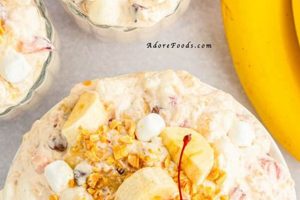
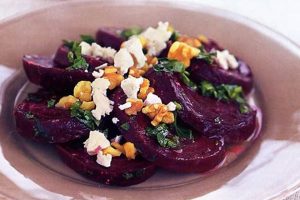
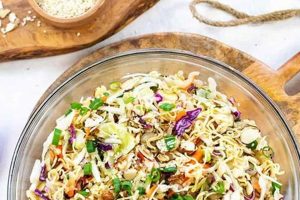
A collection of various preparations of a fruit and nut salad traditionally made with apples, celery, grapes, and walnuts, dressed in mayonnaise, often with variations including chicken, dried fruit, or other ingredients, represents a significant area of culinary interest. A classic example features diced apples and celery, halved grapes, and chopped walnuts, lightly tossed in a mayonnaise-based dressing, perhaps with a hint of lemon juice.
The availability of numerous interpretations of this classic dish allows for adaptation to diverse tastes and dietary needs. From vegan versions using plant-based mayonnaise to additions of protein like grilled chicken or shrimp, the adaptability contributes to its enduring popularity. The historical evolution of the salad, from its purported origin at the Waldorf-Astoria Hotel in New York City in the late 19th century, provides a rich culinary narrative, reflecting changing tastes and ingredient availability over time.
This exploration will delve into a selection of these diverse preparations, ranging from traditional renditions to modern interpretations, offering insights into ingredient selection, preparation techniques, and presentation suggestions for both home cooks and culinary professionals.
Tips for Waldorf Salad Preparation
Optimizing ingredient selection and preparation techniques elevates this classic dish. Attention to detail ensures a balanced flavor profile and pleasing textural contrast.
Tip 1: Apple Selection: Employ crisp, tart apples such as Granny Smith or Honeycrisp. Avoid overly sweet or mealy varieties that may compromise textural integrity.
Tip 2: Celery Preparation: Utilize crisp, inner celery stalks. Remove any fibrous strings to enhance the overall palate experience. A fine dice ensures even distribution throughout the salad.
Tip 3: Grape Incorporation: Seedless grapes offer convenience. Halving larger grapes ensures consistent bite size and prevents overwhelming the other components.
Tip 4: Nut Enhancement: Toasting walnuts before adding them to the salad amplifies their inherent flavor. Alternatively, consider pecans or toasted slivered almonds for textural and flavor variations.
Tip 5: Dressing Considerations: Traditional mayonnaise-based dressings benefit from the addition of fresh lemon juice for brightness. Greek yogurt can be incorporated to lighten the dressing while adding a tangy note. Experiment with small amounts of Dijon mustard or apple cider vinegar for added complexity.
Tip 6: Ingredient Proportions: Maintain a balanced ratio of fruit, nuts, and celery to ensure a harmonious blend of flavors and textures. Adjustments can be made based on personal preferences, but avoiding an overabundance of any single ingredient is crucial.
Tip 7: Freshness Preservation: Prepare the salad shortly before serving to prevent oxidation of the apples and maintain the crispness of the celery. If making in advance, toss the apples and celery with a small amount of lemon juice to inhibit browning.
Adherence to these guidelines results in a Waldorf salad that showcases the harmonious blend of flavors and textures that define this culinary classic. Proper technique and thoughtful ingredient selection elevate the final product from simple to exceptional. This sets the stage for a deeper exploration of Waldorf salad variations in the following sections.
1. Classic Ingredients

Classic ingredients form the foundation of all Waldorf salad recipes, providing the characteristic flavor profile and textural interplay that define the dish. These core components typically include apples, celery, grapes, and walnuts. The tartness of apples, the crispness of celery, the sweetness of grapes, and the richness of walnuts create a balanced and harmonious combination. Deviation from these classic ingredients, while possible, results in a salad that, while potentially delicious, no longer adheres to the traditional definition of a Waldorf salad. For example, substituting carrots for celery alters the texture and flavor profile significantly. While such variations offer culinary exploration, they represent a departure from the classic composition.
The importance of these classic ingredients extends beyond mere flavor and texture. They represent a historical culinary tradition, originating from the Waldorf-Astoria Hotel in New York City. Maintaining these core components preserves the historical integrity of the dish. Furthermore, understanding the role of each classic ingredient allows for informed substitutions based on dietary restrictions or ingredient availability. For instance, individuals with nut allergies might substitute sunflower seeds or pumpkin seeds for walnuts while retaining a similar textural element. Recognizing the interplay of these classic ingredients allows for adaptation without compromising the essence of the dish.
In summary, classic ingredients define the Waldorf salad, establishing its characteristic flavor profile and textural complexity. These ingredients are crucial not only for culinary reasons but also for historical and cultural significance. A thorough understanding of these components enables informed adaptation and customization while respecting the traditional essence of this iconic salad.
2. Variations

The concept of “variations” is central to understanding the breadth and adaptability of Waldorf salad. While the classic recipe provides a foundational structure, countless variations exist, demonstrating the dish’s versatility and enduring appeal. Exploring these variations provides insight into how a traditional recipe can evolve and adapt to diverse tastes and culinary trends.
- Fruit Additions
Dried fruits, such as cranberries, raisins, or chopped apricots, offer a concentrated sweetness and chewy texture, complementing the other ingredients. Fresh fruits like berries or diced pears introduce seasonal flavors and varying levels of sweetness. These additions expand the flavor profile and provide textural contrast, demonstrating the adaptability of the basic recipe. For example, adding dried cranberries provides a tart-sweet counterpoint to the apples and a textural difference from the grapes.
- Protein Enhancements
Incorporating cooked chicken, shrimp, or crumbled bacon transforms the salad into a more substantial meal. These additions cater to different dietary preferences and enhance the nutritional value. For instance, grilled chicken breast adds lean protein, while crispy bacon provides a savory, smoky element. These variations demonstrate the salad’s adaptability to serve as a light lunch or a more complete dinner option.
- Vegetable Substitutions and Additions
While celery is traditional, fennel or jicama can provide a different type of crispness. Adding chopped red onion or bell peppers introduces contrasting flavors and colors. These substitutions and additions cater to individual preferences and dietary needs while broadening the salad’s flavor and textural dimensions. Substituting fennel for celery, for example, introduces a subtle anise flavor, demonstrating the potential for nuanced flavor adjustments.
- Dressing Diversification
Beyond the classic mayonnaise base, variations in dressings offer significant flavor adjustments. A vinaigrette made with apple cider vinegar, olive oil, and Dijon mustard provides a lighter, tangier option. Yogurt-based dressings offer a creamy texture with a tangy flavor profile. These variations cater to different taste preferences and dietary considerations, showcasing the salad’s adaptability to various flavor profiles. A light vinaigrette can complement the sweetness of the fruit, while a creamy yogurt dressing provides a richer, tangier alternative.
These variations highlight the dynamic nature of Waldorf salad, showcasing its ability to adapt to different tastes and culinary contexts. The core ingredients provide a foundational structure, while the variations allow for personalized interpretations, ensuring its continued relevance in contemporary cuisine. By exploring these variations, one gains a deeper appreciation for the adaptability and enduring appeal of this classic dish.
3. Dressings

Dressings play a crucial role in Waldorf salad, significantly influencing the final flavor profile and overall experience. The dressing acts as a unifying element, binding the individual ingredients and creating a cohesive culinary experience. The choice of dressing affects not only the taste but also the texture and perceived freshness of the salad. A heavy dressing can mask the delicate flavors of the fruits and nuts, while a light dressing allows their individual characteristics to shine through.
Traditional Waldorf salad recipes often employ a mayonnaise-based dressing. This classic approach provides a creamy texture and rich flavor that complements the sweetness of the fruit and the crunch of the nuts and celery. Variations on the classic mayonnaise dressing may include additions like lemon juice for brightness, Dijon mustard for tang, or even a touch of apple cider vinegar for complexity. For example, a dressing made with mayonnaise, fresh lemon juice, and a pinch of salt enhances the natural sweetness of the apples and grapes without overpowering the other flavors. However, the richness of mayonnaise can sometimes overshadow the lighter notes of the salad. Therefore, alternative dressings have gained popularity, offering lighter and brighter flavor profiles. A vinaigrette, for example, made with apple cider vinegar and a light oil, provides a tangy counterpoint to the sweetness of the fruit and allows the individual flavors of the ingredients to stand out. Similarly, a yogurt-based dressing offers a creamy texture with a tangier flavor profile than mayonnaise, creating a lighter and more refreshing overall experience. These examples illustrate how different dressings create distinct flavor profiles, highlighting the importance of dressing selection in achieving the desired outcome.
Understanding the impact of various dressings on Waldorf salad allows for informed choices based on personal preferences and dietary considerations. The dressing selection should complement and enhance, not overpower, the other ingredients. Whether choosing a classic mayonnaise-based dressing or opting for a lighter vinaigrette or yogurt-based alternative, the dressing is integral to the overall success of the dish. Careful consideration of dressing choices elevates the Waldorf salad from a simple combination of ingredients to a well-balanced and flavorful culinary creation. The choice ultimately dictates the final flavor profile, texture, and overall enjoyment of this versatile and classic salad.
4. Preparation Techniques

Preparation techniques significantly influence the final quality and enjoyment of any Waldorf salad iteration. Proper execution of these techniques ensures optimal texture, flavor, and presentation, impacting the overall culinary experience. Cause-and-effect relationships exist between specific techniques and the resulting characteristics of the salad. For example, dicing apples into uniform pieces, rather than coarsely chopping them, ensures even distribution throughout the salad and a consistent bite in each mouthful. Similarly, toasting walnuts prior to incorporation enhances their flavor and provides a satisfying textural contrast to the other ingredients. Neglecting this step results in a less pronounced walnut flavor and a softer texture.
Consider the impact of ingredient handling on the overall salad. Apples, prone to oxidation and browning, require specific preparation techniques to maintain their visual appeal and fresh flavor. Coating diced apples with a small amount of lemon juice inhibits enzymatic browning, preserving their appearance and preventing an undesirable metallic taste. Similarly, the choice between using crisp inner celery stalks versus the tougher outer stalks directly impacts the salad’s texture. The outer stalks, while edible, contain fibrous strings that detract from the overall palate experience. Meticulous removal of these strings, while time-consuming, significantly improves the salad’s textural appeal. These practical examples demonstrate the direct link between preparation techniques and the resulting quality of the Waldorf salad.
Mastering fundamental preparation techniques elevates the Waldorf salad from a simple assemblage of ingredients to a carefully constructed culinary composition. Attention to detail, from proper knife skills to ingredient handling, yields a superior final product, maximizing flavor, texture, and presentation. Understanding these cause-and-effect relationships empowers culinary practitioners to control the outcome, consistently producing a Waldorf salad that exemplifies quality and culinary expertise. Whether preparing a classic rendition or exploring a modern variation, adherence to proper preparation techniques remains paramount in achieving a truly exceptional Waldorf salad.
5. Presentation Styles
Presentation styles significantly impact the perceived value and enjoyment of a Waldorf salad. While flavor and texture remain paramount, visual appeal enhances the dining experience. Consideration of presentation transforms the salad from a simple dish into a carefully composed culinary creation. Different presentation styles suit various occasions, from casual lunches to formal dinners, highlighting the adaptability of this classic dish.
- Plated Salads
Individual servings arranged on separate plates offer a refined presentation suitable for more formal settings. This approach allows for precise portion control and artistic plating techniques. For example, a plated Waldorf salad might feature a neatly formed mound of salad topped with a few perfectly arranged walnut halves and a sprig of fresh herbs. This method emphasizes visual appeal and attention to detail, elevating the perceived quality of the dish.
- Communal Bowls
Serving Waldorf salad in a large bowl, ideal for casual gatherings or buffets, encourages sharing and a relaxed atmosphere. This presentation style emphasizes abundance and ease of serving. Garnishing the bowl with extra grapes, walnut pieces, or a sprinkle of chopped fresh herbs enhances visual appeal without requiring intricate plating. This method prioritizes practicality and communal dining.
- Layered Presentations
Creating visual interest through layering ingredients, rather than simply tossing them together, adds a touch of elegance. This approach allows for showcasing the individual components while maintaining a cohesive presentation. A clear glass bowl or trifle dish works well for this style, allowing the layers of apples, celery, grapes, and walnuts to be clearly visible, perhaps separated by layers of dressing. This technique enhances the visual appeal and offers an alternative to traditional mixing.
- Stuffed Presentations
Utilizing hollowed-out fruits or vegetables, such as apples or tomatoes, as vessels for the salad creates a unique and visually striking presentation. This approach adds an element of surprise and demonstrates culinary creativity. For example, filling hollowed-out apple halves with Waldorf salad creates an edible serving vessel that complements the flavors of the salad. This method offers a novel and visually appealing presentation for special occasions.
The presentation style chosen for a Waldorf salad should reflect the context of the meal and the desired aesthetic. Whether plated individually, served communally, layered, or stuffed, the presentation enhances the overall dining experience. Careful consideration of presentation elevates the Waldorf salad from a simple dish to a visually appealing and memorable culinary creation. The chosen presentation style communicates attention to detail and contributes to the overall enjoyment of the meal, regardless of the specific recipe used.
6. Historical Context
The historical context of Waldorf salad provides crucial insights into its evolution, cultural significance, and enduring appeal. Originating in the late 19th century at the Waldorf-Astoria Hotel in New York City, its creation reflects the culinary trends and social dynamics of the era. Initially served as a simple apple and celery salad with a mayonnaise dressing, the recipe evolved over time, incorporating ingredients like grapes and walnuts, reflecting changing tastes and ingredient availability. This evolution demonstrates how culinary traditions adapt to societal shifts and ingredient innovations. The dish’s association with the prestigious Waldorf-Astoria contributed to its widespread popularity, establishing it as a symbol of elegance and sophistication. This association shaped public perception and contributed to its adoption in various culinary settings beyond the hotel’s confines.
Examining the historical context illuminates the reasons for variations in modern recipes. Early versions of the salad predate the common use of refrigeration, influencing ingredient choices and preparation techniques. For example, the original recipe likely utilized apples that were readily available and could be stored at room temperature for extended periods. Understanding this historical constraint clarifies why certain apple varieties feature more prominently in traditional recipes. Furthermore, the evolution of mayonnaise production and availability influenced the dressing’s consistency and flavor profile over time. Early mayonnaise recipes, often made by hand, differed significantly from commercially produced versions available today. This historical perspective underscores the dynamic interplay between ingredient availability, technological advancements, and culinary traditions.
Understanding the historical context of Waldorf salad enriches the appreciation of this culinary classic. It provides a framework for understanding the dish’s evolution, cultural significance, and adaptability. This knowledge allows for a deeper understanding of the rationale behind ingredient choices and preparation techniques, enabling informed adaptations while respecting the dish’s historical roots. The Waldorf salad serves as a tangible example of how culinary traditions reflect and adapt to societal changes, offering a unique lens through which to explore the intersection of food, culture, and history. Recognizing this historical context enhances not only the enjoyment of the dish itself but also the understanding of broader culinary and cultural trends.
7. Modern Adaptations

Modern adaptations demonstrate the enduring versatility of the Waldorf salad, reflecting evolving culinary trends, dietary preferences, and ingredient availability. These adaptations, while departing from the classic recipe, maintain the core essence of the disha harmonious blend of fruits, nuts, and a creamy dressing. Cause-and-effect relationships drive these adaptations. For instance, the rise in veganism directly influences the use of plant-based mayonnaise alternatives, resulting in variations that cater to specific dietary needs without sacrificing the creamy texture characteristic of the salad. Similarly, the increased availability of diverse ingredients globally expands the possibilities for fruit and nut combinations. The incorporation of ingredients like pomegranate seeds, dried cranberries, or candied pecans exemplifies this expansion, resulting in flavor profiles unimaginable in the salad’s early iterations.
The importance of modern adaptations lies in their ability to broaden the appeal of Waldorf salad, ensuring its continued relevance in contemporary cuisine. These adaptations demonstrate that classic dishes can evolve without losing their fundamental identity. For example, the addition of grilled chicken or shrimp transforms the salad into a more substantial meal, catering to those seeking a higher protein intake. This adaptation broadens the culinary context in which the salad can be served, extending beyond a side dish or appetizer to a main course option. Similarly, the use of lighter dressings, such as yogurt-based or vinaigrette options, reflects contemporary preferences for lighter, healthier fare. This adaptation caters to health-conscious individuals while maintaining the essential balance of flavors and textures that define the dish. These real-life examples illustrate how modern adaptations expand the reach and relevance of the Waldorf salad, ensuring its continued presence in the culinary landscape.
Understanding the role of modern adaptations in shaping the landscape of Waldorf salad recipes provides valuable insights for both home cooks and culinary professionals. This understanding allows for creative exploration while respecting the dish’s historical foundation. Successfully integrating modern adaptations requires careful consideration of flavor profiles, textural balance, and dietary considerations. Challenges arise when adaptations compromise the essential characteristics that define the dish. For instance, substituting all of the fruit with vegetables might result in a salad that, while palatable, no longer resembles a Waldorf salad in flavor or composition. The key lies in striking a balance between innovation and tradition, ensuring that modern adaptations enhance, rather than detract from, the essence of this culinary classic. This nuanced approach guarantees the continued evolution and enjoyment of Waldorf salad for generations to come.
Frequently Asked Questions
This section addresses common inquiries regarding Waldorf salad preparation and variations, providing clear and concise information to enhance understanding and culinary success.
Question 1: Can Waldorf salad be prepared in advance?
While best served fresh, advance preparation is possible. To prevent browning, coat cut apples with lemon juice. Dress the salad just before serving to maintain optimal texture.
Question 2: What are suitable apple varieties for Waldorf salad?
Crisp, tart apples like Granny Smith or Honeycrisp are ideal. Their texture and flavor balance the sweetness of the grapes and the richness of the dressing. Avoid softer, sweeter varieties that may become mushy.
Question 3: Can nuts other than walnuts be used?
Walnuts are traditional, but pecans, almonds, or even cashews offer suitable alternatives. Toasting nuts enhances their flavor, regardless of the variety chosen.
Question 4: How can a lighter Waldorf salad be achieved?
Substituting Greek yogurt for some or all of the mayonnaise in the dressing creates a lighter, tangier flavor profile. Alternatively, a vinaigrette dressing offers a non-creamy option.
Question 5: What can be added to make Waldorf salad a main course?
Grilled chicken, shrimp, or even flaked salmon elevate Waldorf salad to a more substantial meal. These protein additions complement the existing flavors and enhance nutritional value.
Question 6: How can browning of apples be prevented?
Coating cut apples with lemon juice inhibits oxidation, preserving their appearance and preventing discoloration. This technique maintains the salad’s visual appeal.
Addressing these common questions clarifies potential uncertainties and provides practical guidance for successful Waldorf salad preparation. Understanding these aspects enhances the culinary experience and encourages creative exploration.
The following section delves into specific recipe examples, illustrating the principles discussed and providing practical applications for creating diverse and delicious Waldorf salad variations.
Culinary Exploration of Waldorf Salad
Exploration of Waldorf salad variations reveals a dish adaptable to diverse palates and culinary contexts. From classic preparations emphasizing traditional ingredients to modern interpretations incorporating novel elements, the core principles of flavor balance and textural contrast remain paramount. Examination of ingredient selection, dressing variations, preparation techniques, and presentation styles illuminates the multifaceted nature of this culinary classic. Historical context provides a foundation for understanding the dish’s evolution and cultural significance, while modern adaptations demonstrate its continued relevance in contemporary cuisine.
The enduring appeal of Waldorf salad lies in its adaptability and capacity for reinvention. Continued exploration of flavor profiles and presentation styles ensures its enduring presence in the culinary landscape. Culinary practitioners, both amateur and professional, possess the opportunity to contribute to the ongoing evolution of this versatile dish, ensuring its continued enjoyment for generations to come. The exploration of Waldorf salad is not merely a culinary exercise; it represents an ongoing dialogue between tradition and innovation, a testament to the dynamic nature of food and its capacity to adapt and endure.