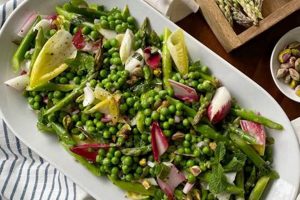
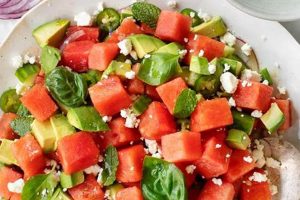
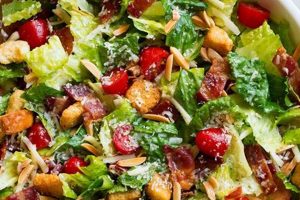
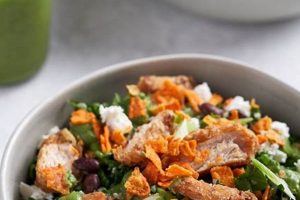
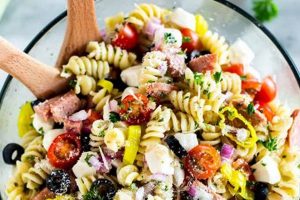
Budget-friendly meal preparation often centers on salads, featuring fresh produce, grains, legumes, and sometimes lean proteins. Examples include combining canned beans, chopped vegetables like carrots and cabbage, and a simple vinaigrette, or utilizing leftover cooked grains like quinoa or rice as a base with seasonal greens and a sprinkle of nuts or seeds.
Creating nutritious and cost-effective meals is a significant concern for many individuals and families. Salads that minimize expense while maximizing nutritional value offer a practical solution. Historically, salads have represented resourcefulness, utilizing readily available ingredients, and this continues to resonate in contemporary culinary practices that emphasize both economy and healthy eating.
This article will explore strategies for selecting inexpensive ingredients, maximizing flavor with minimal cost, and providing a range of satisfying and healthy salad combinations suitable for various dietary needs and preferences.
Tips for Creating Budget-Friendly Salads
Constructing delicious and nutritious salads without excessive expenditure requires planning and smart ingredient selection. The following tips offer guidance on maximizing flavor and minimizing cost.
Tip 1: Embrace Seasonal Produce: Fruits and vegetables in season are generally less expensive. Farmers’ markets can provide access to affordable, locally sourced produce. Check for in-season produce and build salads around these items.
Tip 2: Utilize Frozen and Canned Options: Frozen fruits and vegetables maintain nutritional value and offer a cost-effective alternative to fresh produce, particularly for out-of-season items. Canned beans and legumes provide substantial protein and fiber at a low price.
Tip 3: Make Homemade Dressings: Bottled dressings can be costly. Simple homemade vinaigrettes using oil, vinegar, and basic seasonings offer significant savings and allow customization of flavors.
Tip 4: Repurpose Leftovers: Cooked grains, roasted vegetables, or grilled chicken can be transformed into substantial salad additions, reducing food waste and creating a more complex and satisfying meal.
Tip 5: Buy in Bulk When Practical: Purchasing items like grains, nuts, and seeds in bulk can lower costs, especially for frequently used ingredients. Proper storage is crucial to maintain freshness.
Tip 6: Plan Ahead: Meal prepping components like chopping vegetables or cooking grains in advance saves time and encourages healthy eating throughout the week.
Tip 7: Explore Less Common Greens: Consider alternatives to traditional lettuce, such as spinach, kale, or cabbage, which can offer different flavors and nutrients at potentially lower costs.
By implementing these strategies, individuals can consistently create delicious and nutritious salads without straining their budgets. These practices contribute to both financial well-being and a healthier lifestyle.
These tips provide a foundation for exploring a wide variety of affordable and flavorful salad combinations, fostering a sustainable approach to healthy eating.
1. Budget-friendly Ingredients
Cost-effective ingredients form the foundation of affordable salad recipes. Careful selection of components allows for nutritious and flavorful meals without excessive expenditure. Understanding how various ingredient categories contribute to affordability is key to creating satisfying salads on a budget.
- Legumes and Grains:
Dried beans, lentils, and grains like rice or quinoa offer substantial protein and fiber at a low cost. These pantry staples can be cooked in bulk and incorporated into salads throughout the week, providing a filling and nutritious base. For example, combining black beans, corn, and rice creates a hearty and economical salad foundation.
- Seasonal Produce:
Fruits and vegetables in season tend to be more affordable. Selecting produce based on seasonal availability allows for maximizing freshness and flavor while minimizing cost. Utilizing farmers’ markets or local produce stands can offer further savings. In-season tomatoes, cucumbers, and berries offer vibrant flavors at lower prices during their peak seasons.
- Frozen and Canned Items:
Frozen fruits and vegetables retain nutritional value and offer a budget-friendly alternative to fresh produce, especially for out-of-season items. Canned goods, such as tuna, salmon, or beans, can be incorporated for convenient and affordable protein and fiber sources. Frozen peas or corn maintain their sweetness and can be easily added to salads.
- Versatile Staples:
Items like carrots, cabbage, onions, and potatoes are relatively inexpensive and store well. These versatile ingredients can be used in various ways, from raw additions to roasted components, enhancing both flavor and texture. Simple additions like shredded carrots or chopped onions provide texture and nutrients without significant cost.
By strategically combining these budget-friendly ingredients, flavorful and nutritious salads can be created without compromising affordability. Focusing on cost-effective components empowers individuals to maintain healthy eating habits while adhering to budgetary constraints.
2. Seasonal Produce

Seasonal produce plays a crucial role in creating affordable salad recipes. Aligning salad ingredients with what is currently in season offers significant cost savings compared to purchasing out-of-season items that require transportation and specialized growing conditions. This approach not only reduces expenses but also supports local agriculture and often results in fresher, more flavorful ingredients.
- Availability and Cost:
Produce readily available in the local growing season typically experiences lower prices due to reduced transportation costs and higher supply. For example, strawberries in the summer months are generally less expensive than strawberries purchased in the winter. Leveraging this natural price fluctuation allows for substantial savings when creating salads.
- Flavor and Nutritional Value:
Fruits and vegetables harvested at their peak ripeness possess optimal flavor and nutritional content. Tomatoes grown in the summer sun offer a richer, sweeter taste compared to those grown in greenhouses during colder months. Incorporating these peak-season ingredients enhances the overall quality and nutritional value of the salad.
- Variety and Creativity:
Embracing seasonal produce encourages culinary creativity by prompting exploration of diverse ingredients throughout the year. Utilizing spring asparagus, summer berries, autumn squash, or winter root vegetables allows for a wider range of flavors and textures in salads, preventing monotony and promoting dietary variety.
- Environmental Impact:
Choosing locally sourced, seasonal produce reduces the environmental footprint associated with long-distance transportation and energy-intensive growing practices. Supporting local farmers and reducing transportation needs contributes to a more sustainable approach to food consumption.
By prioritizing seasonal produce, individuals can create affordable, flavorful, and nutritious salads while supporting local agriculture and minimizing environmental impact. This approach represents a cost-effective and sustainable strategy for healthy eating.
3. Versatile Pantry Staples
Creating affordable and flavorful salads relies heavily on utilizing versatile pantry staples. These readily available, non-perishable items provide a foundation for numerous salad combinations, reducing reliance on more expensive, perishable ingredients. Understanding the role of these staples is essential for maximizing both budget and flavor.
- Grains:
Items like rice, quinoa, couscous, and farro offer a neutral base that complements various flavors and textures. These grains can be cooked in bulk and stored for convenient use throughout the week, adding substance and nutritional value to salads. For instance, quinoa provides a complete protein source, enhancing the nutritional profile of a simple vegetable salad.
- Legumes:
Canned or dried beans, lentils, and chickpeas are inexpensive sources of protein and fiber. Their versatility allows for incorporation into a wide range of salads, adding heartiness and nutritional density. Black beans in a southwestern salad or chickpeas in a Mediterranean-inspired salad exemplify their adaptability.
- Canned Goods:
Canned tuna, salmon, or artichoke hearts offer convenient protein and flavor options. These shelf-stable items provide readily available additions to salads, minimizing the need for fresh, potentially more expensive alternatives. Canned tuna combined with mixed greens and a simple vinaigrette creates a quick and economical meal.
- Nuts and Seeds:
Nuts and seeds like almonds, walnuts, sunflower seeds, and pumpkin seeds offer healthy fats, protein, and texture. While they might represent a slightly higher initial investment, they can be purchased in bulk and used sparingly to add nutritional value and satisfying crunch to salads. A sprinkle of toasted almonds elevates a simple green salad with minimal added cost.
Strategic use of these versatile pantry staples allows for the creation of diverse and flavorful salads without overspending. By combining these foundational elements with fresh, seasonal produce and simple homemade dressings, individuals can enjoy nutritious and economical meals regularly. This approach promotes both financial well-being and a healthy lifestyle.
4. Simple Homemade Dressings

Simple homemade dressings represent a crucial element in achieving truly affordable salad recipes. Commercially bottled dressings often contribute significantly to the overall cost of a salad, while simultaneously containing added sugars, preservatives, and artificial flavors. Creating dressings at home dramatically reduces this expense, allowing for greater control over ingredients and flavor profiles. A basic vinaigrette, for instance, requires only oil, vinegar, and seasonings, ingredients typically already present in most kitchens. This fundamental shift from store-bought to homemade significantly impacts the affordability of regular salad consumption.
The impact of homemade dressings extends beyond mere cost savings. They provide an opportunity to tailor flavors to individual preferences and dietary needs. A lemon-herb vinaigrette complements delicate greens and vegetables, while a creamy avocado dressing adds richness and healthy fats. This flexibility allows for greater variety and enjoyment, promoting consistent salad consumption within budgetary constraints. For example, utilizing leftover herbs like parsley or cilantro in a vinaigrette minimizes waste and creates unique flavor profiles without additional expense.
Mastering a few basic homemade dressing recipes provides a foundation for consistently creating affordable and flavorful salads. This practice reduces reliance on processed ingredients, promotes healthier eating habits, and significantly contributes to long-term cost savings. Furthermore, it empowers individuals to explore diverse flavor combinations and adapt recipes based on available ingredients, furthering the practicality and sustainability of budget-conscious meal preparation. This control over ingredients and cost ultimately fosters a healthier and more economical approach to enjoying salads regularly.
5. Creative repurposing of leftovers

Resourceful utilization of leftovers plays a key role in maximizing the affordability of salads. Integrating remaining ingredients from previous meals minimizes food waste and stretches budgetary resources, contributing to both economic and environmental sustainability. This practice transforms salads from simple side dishes into substantial, cost-effective meals.
- Protein Integration:
Leftover cooked chicken, fish, or tofu can be readily incorporated into salads, adding valuable protein without additional expenditure. Grilled chicken from a previous dinner becomes a flavorful addition to a lunchtime salad, eliminating the need for purchasing separate protein sources. This reduces both cost and preparation time.
- Grain and Vegetable Utilization:
Roasted vegetables or cooked grains from prior meals transition seamlessly into salad components. Roasted sweet potatoes or quinoa from dinner transform into substantial salad additions, contributing both flavor and texture without requiring additional cooking or expense. This exemplifies efficient resource management in meal planning.
- Flavor Enhancement:
Small quantities of leftover sauces or dips can be repurposed as salad dressing bases. Remaining pesto or chimichurri adds depth of flavor without the need for purchasing separate dressings, maximizing the utility of existing ingredients and minimizing waste.
- Bread Transformation:
Stale bread can be transformed into croutons, adding a satisfying crunch and minimizing food waste. Cubing and toasting stale bread creates a cost-effective and flavorful salad topping, replacing the need for purchased croutons and further reducing overall meal expenses.
By creatively repurposing leftovers, salads evolve into more substantial and economical meals. This resource-conscious approach minimizes food waste, reduces grocery expenses, and maximizes the nutritional value derived from each ingredient. Integrating this practice into regular meal planning significantly contributes to both financial and environmental sustainability, further demonstrating the connection between mindful consumption and affordable, healthy eating.
6. Smart Shopping Strategies

Smart shopping strategies are essential for creating affordable salad recipes. Minimizing costs without sacrificing nutritional value requires careful planning and informed purchasing decisions. Understanding how these strategies contribute to overall affordability empowers individuals to maintain healthy eating habits while adhering to budgetary constraints. Effective shopping practices become the foundation for consistently creating nutritious and economical salads.
- Planning and Budgeting:
Creating a meal plan and setting a budget before grocery shopping helps control spending and reduces impulse purchases. This preemptive approach ensures that purchases align with planned meals, minimizing waste and maximizing the value of each ingredient. For example, planning to use carrots in multiple meals throughout the week justifies purchasing a larger, potentially more economical bag.
- Comparing Prices and Unit Costs:
Comparing prices across different brands and sizes, considering unit costs, helps identify the most economical options. Recognizing that larger packages are not always the most cost-effective per unit encourages informed decision-making. Choosing store brands or generic products often provides significant savings without compromising quality.
- Utilizing Sales and Discounts:
Taking advantage of sales, discounts, and coupons helps reduce expenses on frequently used salad ingredients. Stocking up on pantry staples like canned beans or grains when on sale contributes to long-term cost savings. Checking store flyers and utilizing loyalty programs maximizes savings opportunities.
- Strategic Bulk Buying:
Purchasing non-perishable items like grains, nuts, and seeds in bulk reduces costs over time, especially for frequently used ingredients. However, proper storage is essential to maintain freshness and prevent spoilage, ensuring that bulk purchases represent genuine savings.
These smart shopping strategies work synergistically to reduce overall grocery expenses, enabling consistent creation of affordable and healthy salads. By combining these practices with knowledge of seasonal produce and versatile pantry staples, individuals can maintain a nutritious and budget-friendly diet. This approach demonstrates that healthy eating does not necessitate high costs, but rather informed choices and strategic planning.
7. Flavorful Combinations

Flavorful combinations are essential for making affordable salad recipes enjoyable and sustainable. While cost-effectiveness drives ingredient selection, prioritizing taste ensures consistent consumption. Balancing budgetary constraints with appealing flavors is crucial for long-term adherence to a healthy, affordable diet. This exploration delves into the art of maximizing flavor within a budget.
- Balancing Textures and Tastes:
Combining contrasting textures and tastes creates a more satisfying sensory experience. Pairing crunchy elements like nuts or seeds with softer ingredients like cooked beans or roasted vegetables offers textural variety. Balancing sweet, sour, salty, and bitter flavors enhances overall enjoyment. For instance, a salad combining roasted sweet potatoes, crunchy pecans, and tangy goat cheese offers a complex interplay of flavors and textures.
- Herbs and Spices:
Fresh or dried herbs and spices significantly elevate flavor without adding substantial cost. A sprinkle of dried oregano or a handful of chopped fresh cilantro can transform a simple salad. Exploring different spice blends from various cuisines, such as a Moroccan spice blend or an Indian curry powder, introduces new flavor dimensions at minimal expense. This allows for diverse and exciting salads within budgetary limits.
- Acidic Elements:
Incorporating acidic elements like lemon juice, vinegar, or pickled vegetables brightens flavors and adds complexity. A simple vinaigrette made with olive oil and lemon juice enhances the taste of fresh greens and vegetables. Pickled onions or jalapeos provide a pungent kick without requiring expensive specialty ingredients. This demonstrates how simple additions can significantly impact overall flavor profiles.
- Umami Boosters:
Ingredients rich in umami, such as nutritional yeast, sun-dried tomatoes, or mushrooms, add depth and savory notes to salads. A sprinkle of nutritional yeast provides a cheesy flavor, while sun-dried tomatoes offer a concentrated burst of umami. These additions enhance the overall satisfaction derived from the salad, promoting enjoyment and adherence to a budget-friendly diet.
By focusing on these elements, even the most affordable salad recipes can become exciting culinary experiences. Prioritizing flavorful combinations ensures that budget-conscious eating remains enjoyable and sustainable, fostering long-term healthy eating habits without compromising taste or exceeding budgetary constraints. The interplay of textures, tastes, herbs, spices, acidic notes, and umami boosters elevates simple, affordable ingredients into satisfying and flavorful meals.
Frequently Asked Questions
This section addresses common inquiries regarding the creation of budget-friendly salads, offering practical solutions and clarifying potential misconceptions.
Question 1: How can salads be made truly satisfying without relying on expensive protein sources like meat or seafood?
Plant-based proteins such as beans, lentils, and chickpeas offer cost-effective alternatives to animal proteins. Combining these with whole grains like quinoa or farro creates complete protein sources, ensuring satiety and nutritional value. Incorporating healthy fats from avocados, nuts, or seeds further enhances satisfaction and provides essential nutrients.
Question 2: Are frozen or canned vegetables a suitable substitute for fresh produce in affordable salads?
Frozen and canned vegetables retain significant nutritional value and offer a cost-effective alternative to fresh produce, particularly out-of-season items. Opting for low-sodium or no-salt-added canned varieties is recommended. Frozen produce, often flash-frozen at peak ripeness, can provide comparable nutritional content to fresh options at a lower price point.
Question 3: What strategies can be employed to minimize food waste when preparing salads regularly?
Proper storage of fresh produce is crucial. Storing greens in airtight containers with a paper towel helps maintain freshness. Utilizing leftover cooked grains, roasted vegetables, or proteins in salads minimizes waste and creates more complex flavor profiles. Planning meals in advance and purchasing only necessary quantities further reduces spoilage.
Question 4: How can individuals ensure nutritional balance when prioritizing affordability in salad creation?
Combining various food groups within a salad ensures a balanced nutritional intake. Incorporating leafy greens, a variety of colorful vegetables, a source of protein (plant-based or lean animal protein), and healthy fats creates a nutritionally complete meal. Varying ingredients throughout the week further promotes a balanced nutrient profile.
Question 5: Beyond basic vinaigrettes, what other affordable dressing options exist?
Utilizing ingredients like tahini, Greek yogurt, or avocado as dressing bases offers creamy alternatives to traditional vinaigrettes without significant expense. Blending leftover herbs or roasted vegetables into dressings adds flavor and reduces waste. Exploring international cuisines often reveals flavorful, budget-friendly dressing options, such as a simple tahini-lemon dressing or a blended cilantro-lime dressing.
Question 6: How can one overcome salad fatigue when consistently seeking affordable meal options?
Variety is key to preventing salad fatigue. Exploring diverse cuisines provides inspiration for new flavor combinations and ingredient pairings. Rotating base ingredients (greens, grains), proteins, vegetables, and dressings prevents monotony. Seasonal changes offer opportunities to incorporate new produce and adapt recipes, maintaining excitement and promoting continued enjoyment of budget-friendly salads.
Prioritizing affordability in salad preparation does not necessitate compromising flavor, nutrition, or satisfaction. Strategic planning, informed ingredient selection, and creative flavor combinations empower individuals to enjoy healthy, budget-friendly meals consistently.
Exploring specific recipe examples further illustrates the practicality and versatility of affordable salad creation.
Conclusion
Affordable salad recipes represent a practical and accessible approach to healthy eating. Strategic utilization of budget-friendly ingredients, seasonal produce, versatile pantry staples, and simple homemade dressings empowers individuals to create nutritious and satisfying meals without excessive expenditure. Smart shopping strategies, creative repurposing of leftovers, and exploration of flavorful combinations further enhance the affordability and enjoyment of salads. This comprehensive approach demonstrates that cost-effectiveness does not necessitate compromising flavor, nutritional value, or culinary satisfaction.
Cultivating an understanding of these principles enables individuals to prioritize both health and financial well-being. Embracing these practices fosters a sustainable approach to healthy eating, ensuring that nutritious meals remain accessible to all, regardless of budgetary constraints. The potential for creativity and variety within affordable salad preparation underscores its value as a long-term dietary strategy.