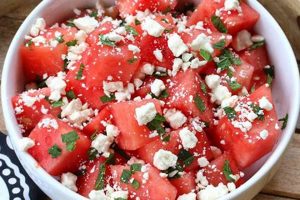
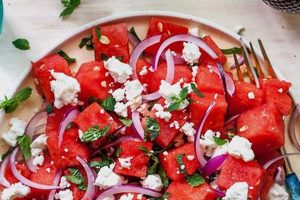
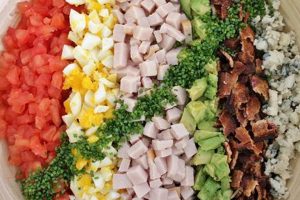
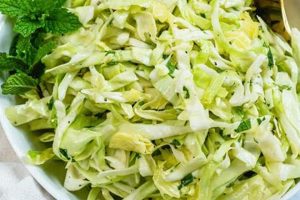
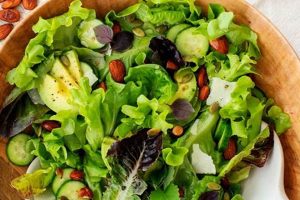
Themed culinary creations inspired by the Pokmon franchise offer a fun and engaging way to connect with popular culture. These dishes often incorporate ingredients and presentations that evoke specific characters, types, or regions within the Pokmon universe. For instance, a salad might feature ingredients arranged to resemble a Pok Ball, or utilize colors and flavors associated with a particular Pokmon type, such as grassy greens for Grass-type or fiery spices for Fire-type.
Such creative culinary endeavors can encourage healthy eating habits, especially among younger audiences. By associating nutritious foods with beloved characters, these dishes can make mealtimes more appealing and less of a chore. Furthermore, the preparation of these dishes can serve as a creative outlet, fostering imagination and culinary experimentation. This trend reflects a broader movement within fan communities to express appreciation for creative works through various mediums, including cooking.
This exploration will delve into various examples of Pokmon-inspired salads, offering guidance on ingredient selection, preparation techniques, and presentation strategies. From simple, everyday salads to more elaborate creations, the following sections will provide a comprehensive guide for aspiring Pokmon chefs of all skill levels.
Tips for Creating Pokmon-Inspired Salads
Crafting compelling culinary creations based on the Pokmon universe requires careful consideration of ingredients, presentation, and thematic coherence. The following tips offer guidance for developing successful Pokmon-themed salads.
Tip 1: Consider Type-Based Themes: Align salad ingredients with Pokmon types. Grass-type Pokmon might inspire salads featuring leafy greens, cucumbers, and avocado. Fire-type Pokmon could suggest the inclusion of peppers, radishes, or spicy dressings.
Tip 2: Utilize Color Effectively: Pokmon are visually distinctive. Replicate those vibrant colors in salads. Employ ingredients like bell peppers, tomatoes, purple cabbage, and carrots to achieve a visually appealing and thematically appropriate result.
Tip 3: Embrace Creative Cutting and Arrangement: Cookie cutters can create Pok Ball shapes from fruits and vegetables. Ingredients can also be arranged to resemble Pokmon or other iconic symbols from the franchise.
Tip 4: Incorporate Themed Toppings: Edible images printed on wafer paper can depict specific Pokmon. Alternatively, consider using small candies or sprinkles in colors that align with chosen themes.
Tip 5: Prioritize Nutritional Value: While presentation is key, ensure the salads offer nutritional benefits. Incorporate a variety of fresh produce and lean proteins where appropriate.
Tip 6: Adapt to Skill Level: Beginners can start with simple arrangements and gradually experiment with more complex designs and techniques as confidence grows.
Tip 7: Engage with the Community: Online resources and fan communities offer a wealth of inspiration and support. Sharing creations and exchanging ideas can further enhance the creative process.
By following these tips, one can create visually stunning and thematically relevant Pokmon salads that are both enjoyable to make and to eat. Careful planning and attention to detail will ensure that these culinary creations are a success.
The following section will provide specific examples and recipes to illustrate the practical application of these tips, demonstrating how to bring Pokmon-themed salads to life.
1. Ingredient Selection

Ingredient selection is paramount in crafting successful Pokmon-themed salads. The chosen components must fulfill dual roles: accurately representing the chosen Pokmon and providing nutritional value. This careful balancing act requires consideration of color, texture, and flavor profiles, all while remaining faithful to the source material. For example, a salad inspired by the Grass-type Bulbasaur might incorporate leafy greens, cucumber, and avocado to mimic its green coloration and bulbous features. Conversely, a salad representing the Fire-type Charmander could utilize red and orange bell peppers, radishes, and a spicy dressing to evoke its fiery nature. Ignoring these thematic connections risks creating a dish that, while potentially palatable, fails to capture the essence of the chosen Pokmon.
Furthermore, ingredient selection influences the overall nutritional value of the salad. While visual appeal and thematic relevance are crucial, these dishes also present an opportunity to promote healthy eating habits, particularly among younger audiences. Incorporating a variety of fresh produce ensures a balanced intake of vitamins and minerals. Lean proteins, such as grilled chicken or fish, can be included to enhance the nutritional profile further. Thoughtful ingredient selection can transform a simple salad into a fun, engaging, and nutritious meal.
Effective ingredient selection, therefore, acts as a bridge between the fictional world of Pokmon and the practical realm of healthy eating. It enables the creation of dishes that are both visually engaging and nutritionally beneficial. By understanding the importance of this connection, one can craft Pokmon-themed salads that capture the imagination while promoting a balanced diet. The challenge lies in finding the optimal balance between thematic representation and nutritional content, ensuring the final product is both engaging and healthful.
2. Color Palettes

Color palettes play a crucial role in the creation of effective Pokmon-themed salads. Accurate color representation is essential for capturing the essence of specific Pokmon and maintaining thematic consistency. Careful selection and application of color contribute significantly to the overall visual appeal and recognizability of the final dish.
- Type Associations
Pokmon types are often associated with specific color schemes. Grass-type Pokmon frequently feature greens and browns, while Fire-types are typically represented by reds, oranges, and yellows. Utilizing these established color associations allows for immediate visual identification and strengthens the thematic connection. A salad inspired by Bulbasaur, for example, would naturally incorporate various shades of green, while a Charmander salad would likely feature warm, fiery hues.
- Character-Specific Colors
Individual Pokmon possess unique color palettes that distinguish them from others. Pikachu’s bright yellow fur, for example, is instantly recognizable. Accurately replicating these specific colors in a salad contributes to the overall authenticity and visual impact. This might involve using yellow bell peppers or carefully arranged slices of mango to evoke Pikachu’s distinctive appearance.
- Regional Influences
Different regions within the Pokmon world possess distinct color palettes reflecting their unique environments. Incorporating these regional color schemes can add depth and complexity to a Pokmon-themed salad. For example, a salad inspired by the Alola region might feature brighter, more tropical colors than one based on the Unova region.
- Contrast and Harmony
Effective use of color contrast can enhance the visual appeal of a Pokmon salad. Juxtaposing complementary colors, such as red and green or blue and orange, can create a visually dynamic and engaging presentation. Conversely, harmonious color schemes can evoke a sense of calm and tranquility, depending on the desired effect.
Understanding the interplay of these color-related factors is essential for creating visually appealing and thematically consistent Pokmon salads. Strategic color choices strengthen the connection between the culinary creation and the Pokmon it represents, enhancing the overall dining experience. By considering type associations, character-specific colors, regional influences, and principles of color contrast and harmony, one can elevate a simple salad into a vibrant and engaging tribute to the Pokmon universe.
3. Thematic Presentation

Thematic presentation distinguishes a Pokmon-inspired salad from a standard salad. It transforms mere ingredients into recognizable representations of characters, items, or environments within the Pokmon universe. This transformation relies on careful arrangement, shaping, and the incorporation of specific details that evoke clear associations with the chosen theme. A successful thematic presentation enhances engagement and enjoyment, turning a meal into an interactive experience. For example, arranging sliced kiwi and strawberries in a spiral pattern can effectively represent a Pok Ball, while strategically placed cucumber slices and bell pepper rings might evoke the appearance of Bulbasaur’s bulb. The absence of a clear thematic presentation diminishes the connection to the Pokmon franchise, rendering the salad less impactful.
Several factors contribute to effective thematic presentation. Accuracy in replicating key visual elements of the chosen Pokmon or item is paramount. Color palettes should align with established character or type associations. Proportion and scale must be considered to ensure recognizable representations. Furthermore, the chosen presentation should enhance, not detract from, the palatability of the salad. Overly complex or cumbersome arrangements might hinder enjoyment. Practicality is key; the presentation should be achievable for individuals with varying culinary skill levels. Striking a balance between intricate detail and ease of execution ensures broader accessibility and encourages culinary creativity.
Understanding the significance of thematic presentation is crucial for successfully creating Pokmon-inspired salads. It elevates the dish beyond simple sustenance, transforming it into an expression of appreciation for the Pokmon franchise. Careful consideration of visual elements, color palettes, proportion, and practicality ensures that the final presentation resonates with the chosen theme, enhances enjoyment, and encourages creative culinary exploration within the context of the beloved Pokmon world. Thematic presentation, therefore, acts as the crucial link between ingredients and inspiration, bringing the vibrant world of Pokmon to the dining table.
4. Nutritional Balance

Nutritional balance is a critical aspect of Pokmon-inspired salad recipes, extending beyond mere aesthetics and thematic representation. While visual appeal and adherence to Pokmon themes are important, these creations offer a unique opportunity to promote healthy eating habits, particularly amongst children. Balancing nutritional value with creative design ensures these salads contribute positively to overall dietary intake.
- Macronutrient Composition
A nutritionally balanced Pokmon salad should incorporate a suitable mix of macronutrients: carbohydrates, proteins, and healthy fats. Leafy greens and vegetables provide carbohydrates and fiber, while lean protein sources, like grilled chicken or fish, contribute essential amino acids. Incorporating healthy fats, such as those found in avocados or nuts, ensures proper nutrient absorption and satiety. For example, a Bulbasaur salad might feature leafy greens, grilled chicken, and avocado slices, providing a balanced macronutrient profile.
- Micronutrient Density
Pokmon salads offer a platform for incorporating micronutrient-rich ingredients. Colorful fruits and vegetables, like bell peppers, berries, and carrots, provide essential vitamins and minerals. These micronutrients contribute to various bodily functions, including immune system support and cellular health. A Pikachu-themed salad, for instance, could include yellow bell peppers and pineapple chunks, boosting vitamin C intake.
- Portion Control
While focusing on nutrient density, portion control remains essential. Even healthy ingredients, when consumed in excess, can contribute to caloric imbalances. Age-appropriate portion sizes should be considered, especially when designing salads for children. A smaller Squirtle salad, for example, might be more suitable for a younger child than a larger Blastoise salad.
- Ingredient Quality
Prioritizing fresh, high-quality ingredients maximizes nutritional value. Seasonal produce, when available, often boasts higher nutrient content. Minimally processed ingredients, free from excessive additives and preservatives, are preferable. Choosing organic options where possible can further minimize exposure to pesticides and herbicides. A well-crafted Oddish salad, for example, would utilize fresh, vibrant greens and vegetables, enhancing both flavor and nutritional impact.
By integrating these nutritional considerations, Pokmon-themed salads transcend mere novelty dishes, becoming vehicles for promoting healthy eating habits in an engaging and accessible manner. The fusion of creative presentation and nutritional balance ensures these salads are both enjoyable and beneficial, contributing positively to overall well-being while celebrating the vibrant world of Pokmon.
5. Creative Inspiration

Creative inspiration serves as the catalyst for transforming ordinary salads into engaging Pokmon-themed culinary creations. This inspiration, drawn from the extensive Pokmon universe, encompasses various aspects, including character design, type attributes, regional influences, and in-game items. The breadth and depth of the source material provide a vast reservoir of ideas, enabling the development of unique and imaginative salad interpretations. For example, the vibrant colors and distinctive patterns of a Pokmon like Butterfree can inspire a salad featuring colorful butterfly-shaped vegetables arranged on a bed of greens. Conversely, the fiery nature of Charmander might inspire a salad incorporating spicy peppers and warm-toned ingredients. Without this initial spark of creative inspiration, Pokmon salads risk becoming generic and lacking thematic resonance. The creative process involves translating abstract concepts from the Pokmon world into tangible culinary forms, requiring both imagination and practical culinary skills.
The practical significance of creative inspiration manifests in several ways. It allows for personalized interpretations of Pokmon themes, fostering a sense of ownership and engagement among creators. It encourages experimentation with ingredients, flavors, and presentation techniques, pushing the boundaries of traditional salad design. Furthermore, creative inspiration can bridge the gap between popular culture and healthy eating, making nutritious meals more appealing, particularly for younger audiences. The challenge lies in balancing creative ambition with practical execution, ensuring that the final product remains palatable and accessible. Consider the example of a Squirtle-inspired salad; while the concept of a shell made from cucumber slices might be visually appealing, its practicality and palatability must also be considered during the design process.
Creative inspiration, therefore, acts as the cornerstone of successful Pokmon salad recipes. It provides the conceptual foundation upon which culinary interpretations are built, driving innovation and engagement. This inspiration, sourced from the rich tapestry of the Pokmon universe, transforms simple ingredients into thematic culinary experiences, bridging the gap between popular culture and healthy eating. The ongoing challenge involves nurturing and channeling this creative energy to develop innovative and palatable Pokmon-themed salads that resonate with both Pokmon enthusiasts and culinary aficionados alike.
Frequently Asked Questions
This section addresses common inquiries regarding the creation and enjoyment of Pokmon-themed salads.
Question 1: Are Pokmon salads suitable only for children?
While these salads often appeal to younger audiences, their creative and culinary potential extends to individuals of all ages. Adults can appreciate the challenge of recreating intricate designs and exploring flavor combinations inspired by the Pokmon universe.
Question 2: Do these salads require advanced culinary skills?
No, Pokmon salads can be adapted to various skill levels. Simple arrangements and readily available ingredients allow beginners to participate. More experienced cooks can explore complex designs and techniques.
Question 3: Are there specific dietary restrictions to consider?
Recipes can be adapted to accommodate dietary restrictions. Vegetarian, vegan, and gluten-free variations are possible with careful ingredient selection and substitution.
Question 4: Where can one find inspiration for Pokmon salad designs?
The Pokmon franchise itself offers abundant inspiration. Character designs, type attributes, regional elements, and in-game items can all serve as starting points. Online communities and fan resources also provide numerous examples and ideas.
Question 5: What are the key considerations for ingredient selection?
Ingredient selection should prioritize both thematic relevance and nutritional value. Color, texture, and flavor profiles should align with the chosen Pokmon while ensuring a balanced and healthy meal.
Question 6: How can one ensure nutritional balance in these salads?
Incorporate a variety of fresh produce, lean proteins, and healthy fats. Consider age-appropriate portion sizes and prioritize ingredient quality to maximize nutritional benefits.
Careful planning and attention to detail are key to successfully creating Pokmon-themed salads that are both visually appealing and nutritionally balanced. These culinary creations offer a unique opportunity to engage with the Pokmon universe while promoting healthy eating habits.
The following section will provide a curated selection of Pokmon salad recipes, showcasing a range of complexity and thematic inspiration.
Conclusion
Culinary creations inspired by the Pokmon franchise offer a unique intersection of popular culture and healthy eating. This exploration has examined the multifaceted nature of such culinary endeavors, emphasizing the importance of ingredient selection, color palettes, thematic presentation, nutritional balance, and creative inspiration. Each element contributes significantly to the overall success and impact of these dishes. Careful consideration of these factors ensures that Pokmon-themed salads are not merely visually appealing but also nutritionally sound and thematically resonant.
The potential of food to act as a medium for creative expression and cultural engagement is significant. Pokmon-themed salads represent one manifestation of this potential, offering a pathway to connect with a beloved franchise while promoting healthy eating habits. Further exploration within this culinary niche promises continued innovation and enjoyment, demonstrating the capacity of food to transcend mere sustenance and become a canvas for creative expression and cultural celebration.