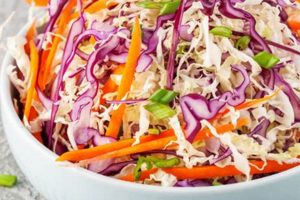
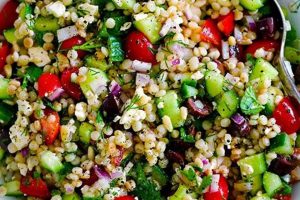
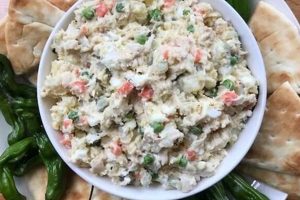
Innovative salad preparations go beyond basic lettuce and tomatoes, incorporating diverse ingredients and flavors. Examples include combinations of roasted vegetables, fruits, nuts, cheeses, and unique dressings. These salads can feature unexpected textures and taste profiles, ranging from spicy and savory to sweet and tangy.
Flavorful and visually appealing salads offer numerous nutritional benefits and culinary advantages. They provide essential vitamins, minerals, and fiber, contributing to a healthy diet. Furthermore, creative salads can elevate a meal, transforming a simple side dish into a memorable culinary experience. Historically, salads have evolved from basic vegetable combinations to complex and artful creations, reflecting changing culinary trends and access to a wider variety of ingredients.
This exploration delves into diverse approaches for crafting compelling salads. Topics covered include selecting fresh, seasonal produce, balancing flavors and textures, creating homemade dressings, and presenting salads in visually appealing ways.
Tips for Creating Compelling Salads
Elevating salads from mundane to extraordinary involves thoughtful ingredient selection, balanced flavor profiles, and attention to presentation. These tips provide guidance for crafting salads that are both nutritious and visually appealing.
Tip 1: Embrace Seasonal Produce: Selecting produce at its peak ripeness guarantees optimal flavor and nutritional value. A summer salad might feature ripe tomatoes and fresh basil, while a winter salad could showcase roasted root vegetables and hearty greens.
Tip 2: Explore Diverse Textures: Combining contrasting textures adds complexity and interest. Consider incorporating crunchy nuts, creamy avocado, or crispy roasted chickpeas.
Tip 3: Balance Flavors: A well-balanced salad harmonizes sweet, savory, acidic, and bitter notes. Pair bitter greens with sweet fruits, tangy dressings with rich cheeses, and savory roasted vegetables with bright herbs.
Tip 4: Master Homemade Dressings: Freshly made dressings elevate salad flavors significantly. Experiment with different oils, vinegars, herbs, and spices to create unique flavor combinations.
Tip 5: Consider Visual Appeal: Presentation matters. Arrange salad components thoughtfully, using contrasting colors and textures to create a visually engaging dish.
Tip 6: Don’t Forget the Protein: Adding protein transforms a salad into a satisfying meal. Consider grilled chicken, fish, tofu, beans, lentils, or hard-boiled eggs.
Tip 7: Experiment with Grains: Incorporating cooked grains like quinoa, farro, or barley adds heartiness and nutritional value.
By following these guidelines, individuals can create salads that are not only healthy and flavorful but also visually stunning and satisfying.
These insights into building exceptional salads pave the way for a deeper understanding of culinary creativity and nutritional balance.
1. Fresh, Seasonal Ingredients

Fresh, seasonal ingredients form the foundation of compelling salads. Produce at its peak ripeness offers superior flavor and nutritional value, directly impacting the overall quality of the dish. The natural sweetness of a sun-ripened tomato in a summer salad or the earthy depth of roasted root vegetables in a winter salad exemplifies this principle. Seasonal ingredients contribute not only to taste but also to texture and visual appeal. A spring salad featuring tender asparagus and vibrant peas offers a different textural and visual experience compared to an autumn salad showcasing crisp apples and toasted pecans.
Utilizing seasonal produce allows for culinary creativity and exploration. A summer abundance of berries might inspire a salad with mixed greens, goat cheese, and a balsamic vinaigrette, while the fall harvest of squash could lead to a salad featuring roasted butternut squash, cranberries, and toasted pumpkin seeds. This approach reduces reliance on imported produce, promoting local agriculture and minimizing environmental impact. Furthermore, eating seasonally often results in cost savings, as in-season produce tends to be more readily available and therefore less expensive.
Prioritizing fresh, seasonal ingredients significantly elevates salad preparation. This practice ensures optimal flavor, nutritional content, and culinary inspiration, fostering a deeper appreciation for the connection between food and the natural world. Challenges may include limited availability of certain ingredients depending on geographic location and season. However, embracing seasonal eating encourages adaptability and exploration of diverse flavors throughout the year.
2. Balanced Flavor Profiles

Balanced flavor profiles are essential for creating exciting salad recipes. A compelling salad engages the palate with a harmonious blend of tastessweet, sour, salty, bitter, and umami. The interplay of these flavors creates depth and complexity, preventing any single taste from dominating. A salad featuring solely sweet ingredients, for example, might lack the complexity that a balanced flavor profile provides. The addition of a tangy vinaigrette or bitter greens can transform a one-dimensional sweet salad into a multi-layered culinary experience. For instance, a salad combining ripe strawberries (sweet), crumbled goat cheese (tangy and salty), toasted pecans (nutty and slightly bitter), and a light vinaigrette (acidic) demonstrates balanced flavor profiles. Each ingredient contributes a distinct flavor note, resulting in a harmonious and satisfying whole.
The careful consideration of flavor balance distinguishes a truly exceptional salad from a mediocre one. A salad dominated by bitterness, for example, might be unappealing, while a salad lacking any acidity might feel flat and uninspired. Understanding the interplay of flavors allows for strategic ingredient selection and combination. Pairing bitter greens like arugula with sweet roasted vegetables and a tangy lemon vinaigrette exemplifies this principle. The bitterness of the greens is balanced by the sweetness of the vegetables, while the vinaigrette provides the necessary acidity to brighten the overall flavor profile. Furthermore, adding a source of umami, such as toasted nuts or crumbled cheese, can further enhance the complexity and depth of flavor. Balancing flavor profiles extends beyond simply combining different tastes; it involves understanding the intensity of each flavor and ensuring they complement each other harmoniously.
Achieving flavor balance in salad preparation requires careful planning and attention to detail. It involves understanding the inherent flavors of each ingredient and how they interact with one another. Challenges might include adjusting recipes to accommodate seasonal ingredient availability or personal preferences. However, mastering the art of flavor balance unlocks the potential for creating truly exciting and memorable salads that offer both nutritional value and culinary satisfaction. This principle is fundamental to elevating salads from simple side dishes to complex and compelling culinary creations.
3. Variety of Textures

Textural diversity is a key element in crafting exciting salads. A compelling salad engages not only the palate but also the sense of touch. Varying textures create a dynamic and satisfying eating experience, preventing monotony and enhancing enjoyment.
- Crunchy Elements:
Crunchy components provide a satisfying contrast to softer ingredients. Examples include nuts, seeds, croutons, raw vegetables like carrots or celery, and crispy fried onions. These elements contribute a pleasant auditory component to the eating experience, further enhancing enjoyment. In a salad featuring delicate greens and soft cheeses, the addition of toasted walnuts or roasted chickpeas introduces a welcome textural contrast.
- Creamy Components:
Creamy textures add richness and a sense of indulgence. Avocados, soft cheeses like feta or goat cheese, and creamy dressings contribute a smooth, luxurious mouthfeel. These elements often serve as a counterpoint to crunchier ingredients, creating a balanced textural profile. A salad with grilled chicken, crunchy romaine lettuce, and a creamy avocado dressing exemplifies this balance.
- Chewy Components:
Chewy textures provide an element of substance and contribute to the overall heartiness of a salad. Dried fruits like cranberries or raisins, cooked grains like quinoa or farro, and even certain types of greens, such as kale, offer a chewy texture. These elements add a satisfying density that contrasts with lighter components. A salad with roasted sweet potatoes, chewy dried cranberries, and toasted pecans exemplifies this principle.
- Tender Components:
Tender elements provide a delicate contrast to more robust textures. Delicate greens like butter lettuce or spinach, lightly cooked vegetables like green beans or asparagus, and flaked fish offer a tender mouthfeel. These components contribute a sense of freshness and lightness. A salad featuring tender poached shrimp, crisp cucumbers, and a light citrus vinaigrette illustrates the interplay of tender and crisp textures.
The strategic combination of these various textures elevates a salad from simple to exciting. A salad that incorporates a variety of textures offers a more engaging and satisfying dining experience. This interplay of textures stimulates the senses and promotes culinary enjoyment, demonstrating the critical role of textural diversity in creating truly compelling salad recipes.
4. Creative Dressings
Creative dressings are fundamental to exciting salad recipes, acting as a unifying element that elevates individual ingredients into a cohesive and flavorful whole. Dressings contribute significantly to the overall taste, texture, and visual appeal of a salad, transforming a simple combination of components into a culinary experience. The interplay between the dressing and the other salad components is crucial; a well-crafted dressing complements and enhances the flavors of the other ingredients without overpowering them. For instance, a light and tangy citrus vinaigrette enhances the flavors of a summer salad with fresh berries and herbs, while a creamy roasted red pepper dressing adds depth and richness to a salad with roasted vegetables and grilled chicken.
The impact of a creative dressing extends beyond mere flavor enhancement. Dressings contribute to the textural complexity of a salad, adding a creamy, crunchy, or tangy element depending on their composition. A creamy avocado dressing, for example, adds a smooth and luxurious texture, while a vinaigrette with toasted nuts provides a satisfying crunch. Furthermore, dressings contribute to the visual appeal of a salad. A vibrant green goddess dressing adds a pop of color, while a drizzle of balsamic glaze creates an elegant visual element. The choice of dressing also influences the nutritional profile of the salad. Homemade dressings using fresh, high-quality ingredients offer a healthier alternative to commercially produced dressings, which often contain added sugars, preservatives, and unhealthy fats. A homemade dressing using olive oil, lemon juice, and fresh herbs provides essential nutrients and antioxidants, further enhancing the health benefits of the salad. Experimenting with different oils, vinegars, herbs, spices, and other flavoring agents allows for endless creativity and customization in dressing preparation.
Mastering the art of creating dressings is crucial for elevating salad recipes from ordinary to extraordinary. Understanding the balance of flavors, textures, and visual appeal that a dressing contributes allows for the creation of salads that are both delicious and visually stunning. Challenges may include finding the right balance of flavors to complement the other salad ingredients and ensuring the dressing’s consistency is appropriate for the chosen components. However, the ability to create complementary and innovative dressings significantly enhances the culinary potential of salads, transforming them into compelling and satisfying meals. This understanding underscores the integral role of creative dressings in elevating salads from simple side dishes to culinary centerpieces.
5. Visually Appealing Presentation
Visually appealing presentation plays a crucial role in the perception and enjoyment of exciting salad recipes. Visual appeal significantly influences appetite and perceived flavor, transforming a simple salad into an enticing culinary experience. Careful arrangement and attention to color, texture, and height create a sense of anticipation and elevate the dining experience. A thoughtfully plated salad featuring vibrant colors and contrasting textures generates more excitement than a haphazardly tossed salad, even if the ingredients are identical. For example, a salad composed of colorful seasonal vegetables arranged in an artful manner and garnished with fresh herbs presents a more appealing visual experience, stimulating the appetite and enhancing the overall dining experience. This visual appeal is often the first impression diners have of a dish and can significantly impact their overall enjoyment. A monochromatic salad, even with high-quality ingredients, might appear less appealing than a salad showcasing a variety of colors and textures. This principle applies equally to restaurant settings and home kitchens.
The impact of visual presentation extends beyond initial impressions. Strategic placement of ingredients can highlight key flavors and textures, guiding the diner’s experience. Consider a salad with grilled chicken, avocado, and cherry tomatoes. Arranging the chicken slices attractively on top of the greens, rather than burying them beneath, highlights the protein element and creates a more balanced visual composition. Similarly, incorporating elements of height and depth adds visual interest. Mounding the salad on a plate rather than spreading it flat creates a more dynamic and visually appealing presentation. Garnishes also contribute significantly to visual appeal. A sprinkle of chopped fresh herbs, a scattering of toasted nuts, or a drizzle of a contrasting dressing adds a finishing touch that elevates the overall presentation. These details demonstrate care and attention to detail, enhancing the perceived value and enjoyment of the salad. The choice of serving dish also contributes to visual appeal. A rustic wooden bowl might complement a hearty autumn salad, while a sleek white plate might showcase a delicate spring salad more effectively. These considerations demonstrate that visual presentation extends beyond the arrangement of ingredients on the plate, encompassing the entire dining experience.
Achieving visually appealing salad presentations requires an understanding of basic design principles like balance, contrast, and color theory. While culinary skills are essential for creating flavorful salads, understanding visual presentation techniques elevates the dining experience from merely satisfying hunger to a multi-sensory engagement. Challenges may include time constraints and limited resources. However, even simple techniques, such as using a variety of colors and textures and arranging ingredients thoughtfully, can significantly enhance the visual appeal of a salad. Ultimately, the combination of delicious flavors and visually appealing presentation elevates salad recipes from ordinary to exciting, creating a memorable culinary experience.
6. Nutritional Value
Nutritional value is an integral aspect of exciting salad recipes, elevating them beyond mere culinary creations to sources of essential nutrients that contribute to overall well-being. A salad’s nutritional profile significantly impacts its health benefits and should be a key consideration in recipe development. Focusing solely on flavor and presentation without addressing nutritional content diminishes a salad’s potential to contribute to a balanced diet. This exploration delves into the multifaceted connection between nutritional value and exciting salad recipes, demonstrating how these elements synergistically enhance both culinary enjoyment and health.
- Micronutrient Density
Salads offer a unique opportunity to consume a wide range of micronutrients, including vitamins, minerals, and antioxidants. Leafy greens, colorful vegetables, and fruits contribute diverse micronutrients, each playing vital roles in bodily functions. A spinach salad, for example, provides vitamin K, crucial for blood clotting, while a salad with bell peppers contributes vitamin C, supporting immune function. Maximizing micronutrient density requires careful selection of diverse, colorful ingredients, transforming salads into potent sources of essential nutrients.
- Fiber Content
Fiber-rich salads contribute significantly to digestive health and satiety. Ingredients like leafy greens, raw vegetables, and fruits are excellent sources of dietary fiber, promoting regular bowel movements and fostering a feeling of fullness. A salad with kale, broccoli, and apples, for example, provides substantial fiber, contributing to digestive regularity and potentially aiding in weight management by promoting satiety and reducing overall calorie intake.
- Healthy Fats
Incorporating healthy fats enhances both the flavor and nutritional profile of salads. Nuts, seeds, avocados, and olive oil contribute monounsaturated and polyunsaturated fats, essential for heart health and various bodily functions. These fats also enhance the absorption of fat-soluble vitamins present in other salad ingredients. A salad with avocado, walnuts, and a lemon-tahini dressing, for example, provides healthy fats alongside a rich flavor profile.
- Protein Incorporation
Adding protein transforms a salad from a side dish into a complete and satisfying meal. Lean protein sources like grilled chicken, fish, beans, lentils, or tofu contribute essential amino acids, supporting muscle growth and repair. Including protein in a salad enhances satiety, promoting fullness and sustained energy levels. A salad with grilled salmon, quinoa, and mixed greens exemplifies a protein-rich, nutritionally balanced meal.
By prioritizing these nutritional facets, exciting salad recipes transcend their culinary appeal and become valuable contributors to a healthy and balanced diet. This integrated approach transforms salads from simple side dishes into nutritionally dense and flavorful meals that support overall well-being. Understanding the nutritional nuances of ingredient selection and combination empowers individuals to create salads that not only tantalize the taste buds but also nourish the body, demonstrating the powerful synergy between culinary creativity and nutritional value.
Frequently Asked Questions About Exciting Salad Recipes
This section addresses common inquiries regarding the creation of compelling and nutritionally balanced salads.
Question 1: How can salads be made more appealing to those who find them uninteresting?
Salads perceived as uninteresting often lack diverse flavors and textures. Incorporating roasted vegetables, fruits, nuts, cheeses, and flavorful dressings can transform a bland salad into a more appealing culinary experience. Exploring various cuisines for inspiration can also introduce unique flavor combinations and ingredients.
Question 2: What are effective strategies for creating balanced salad dressings that complement the other ingredients?
Balancing flavors in salad dressings involves considering the acidity, sweetness, saltiness, and overall intensity of the dressing in relation to the other salad components. A tangy vinaigrette complements rich ingredients like cheese or avocado, while a creamy dressing might pair well with roasted vegetables or grilled protein. The key is to ensure the dressing enhances the flavors of the salad without overpowering them.
Question 3: Beyond lettuce, what other greens can be used as a base for exciting salads?
Numerous greens beyond lettuce offer unique flavors and textures for salad bases. Spinach, kale, arugula, watercress, and romaine offer distinct flavor profiles and nutritional benefits. Experimenting with these alternatives can diversify salads and introduce new taste experiences.
Question 4: How can one ensure a salad provides adequate protein for a satisfying meal?
Incorporating protein transforms a salad into a more substantial and satisfying meal. Grilled chicken, fish, tofu, beans, lentils, hard-boiled eggs, nuts, and seeds are excellent protein sources that complement various salad ingredients. The amount of protein required depends on individual dietary needs and preferences.
Question 5: What are some strategies for preserving the freshness and crispness of salad ingredients?
Proper storage techniques are essential for preserving the freshness of salad ingredients. Storing greens and vegetables in airtight containers lined with paper towels helps absorb excess moisture and maintain crispness. Delicate herbs can be stored upright in a glass of water in the refrigerator. Prepping ingredients close to serving time also helps maintain optimal freshness.
Question 6: How can seasonal ingredients be incorporated into salads throughout the year?
Adapting salad recipes to utilize seasonal produce ensures optimal flavor and nutritional value. Consulting seasonal produce guides specific to one’s region can provide inspiration and guidance for incorporating fresh, locally sourced ingredients throughout the year. Farmers’ markets are excellent resources for discovering seasonal produce and exploring new ingredients.
Understanding these key aspects empowers individuals to craft salads that are not only visually appealing but also nutritionally balanced and flavorful.
The following section provides specific examples of exciting salad recipes that incorporate the principles discussed above.
Exciting Salad Recipes
This exploration has delved into the multifaceted nature of exciting salad recipes, emphasizing the synergy between culinary creativity and nutritional value. Key elements highlighted include the importance of fresh, seasonal ingredients, balanced flavor profiles, diverse textures, creative dressings, visually appealing presentation, and optimal nutritional content. These components, when thoughtfully combined, elevate salads from simple side dishes to vibrant, flavorful, and nutritionally balanced meals.
The potential of salads to contribute to both culinary enjoyment and well-being remains largely untapped. Further exploration of flavor combinations, textures, and presentations promises to unlock even greater culinary possibilities. A continued emphasis on incorporating fresh, seasonal produce and prioritizing nutritional value will further solidify the role of exciting salad recipes as essential components of a healthy and enjoyable diet.