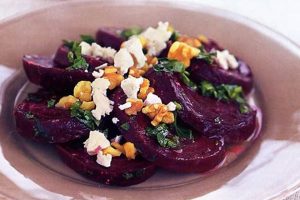
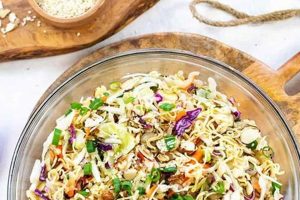
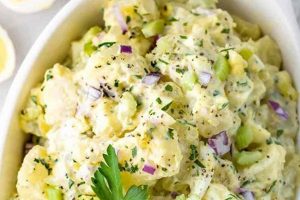
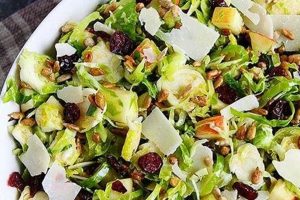
Quick, nutritious, and flavorful meals are often desired but can be challenging to achieve. Simple salads composed of fresh ingredients, requiring minimal preparation time, and offering delicious results represent a practical solution to this culinary dilemma. For example, a salad combining pre-washed spinach, cherry tomatoes, canned chickpeas, crumbled feta cheese, and a simple vinaigrette exemplifies this concept.
Convenient meal solutions play a crucial role in maintaining healthy dietary habits, especially for individuals with busy lifestyles. Salads fitting this description contribute significantly to increased vegetable consumption, offering essential vitamins, minerals, and fiber. Historically, salads have evolved from simple combinations of raw greens to more elaborate compositions incorporating various proteins, grains, and dressings, reflecting an ongoing desire for both convenience and nutritional value.
This article will explore diverse approaches to creating satisfying salads that meet the criteria of speed and simplicity, without compromising on taste or nutritional content. Specific recipes and variations will be presented, along with tips for efficient preparation and ingredient selection.
Tips for Creating Exceptional Simple Salads
Achieving both speed and flavor in salad preparation requires thoughtful consideration of ingredients and techniques. The following tips offer guidance on creating salads that are not only quick and easy but also nutritionally balanced and delicious.
Tip 1: Embrace Pre-Prepared Ingredients. Utilizing pre-washed greens, chopped vegetables, and canned or pre-cooked proteins significantly reduces preparation time. Consider items like bagged spinach, pre-cut broccoli florets, or canned tuna.
Tip 2: Prioritize Versatile Pantry Staples. Maintaining a well-stocked pantry with items such as canned beans, olives, nuts, seeds, and dried fruits allows for quick and easy salad assembly. These ingredients add flavor, texture, and nutritional value.
Tip 3: Master a Few Simple Dressings. Learning to make a basic vinaigrette or having a selection of high-quality bottled dressings on hand streamlines the salad-making process. A simple vinaigrette can be as easy as whisking together olive oil, vinegar, and a touch of mustard.
Tip 4: Vary Textures and Flavors. A combination of textures, such as crunchy, creamy, and chewy, enhances the overall enjoyment of a salad. Incorporate elements like toasted nuts, crumbled cheese, or dried cranberries for added interest.
Tip 5: Focus on Seasonal Produce. Seasonal fruits and vegetables are often at their peak flavor and nutritional value. Utilizing these ingredients adds variety and freshness to salads.
Tip 6: Plan Ahead for Efficiency. Washing and chopping vegetables or preparing a batch of dressing in advance can save valuable time during the week. Storing these items in airtight containers ensures their freshness.
Tip 7: Don’t Be Afraid to Experiment. Salads are highly adaptable, allowing for endless flavor combinations. Don’t hesitate to try new ingredients, dressings, or toppings to discover personalized favorites.
By implementing these tips, individuals can consistently create flavorful, nutritious salads with minimal effort, promoting healthy eating habits and increasing overall enjoyment of meals.
This article will now conclude with a selection of specific recipes exemplifying these principles, providing practical examples of how to create quick, easy, and delicious salads.
1. Fresh, Seasonal Ingredients
The foundation of exceptional, simple salads lies in the utilization of fresh, seasonal ingredients. Seasonality directly impacts the flavor, nutritional value, and overall quality of produce, playing a critical role in creating salads that are both delicious and convenient.
- Enhanced Flavor Profiles
Produce harvested at its peak ripeness exhibits the most robust and complex flavors. In-season fruits and vegetables require minimal embellishment, allowing their natural sweetness or savory notes to shine through. A summer salad featuring ripe tomatoes and sweet corn requires little more than a simple vinaigrette to become a culinary delight. This natural flavor intensity contributes to the creation of satisfying salads with minimal preparation and ingredients.
- Increased Nutritional Value
Fruits and vegetables at their peak season often boast higher concentrations of vitamins and minerals. Consuming seasonal produce maximizes nutrient intake, contributing to overall health and well-being. A spring salad featuring fresh spinach and asparagus, for example, provides a rich source of vitamins A and K. This nutritional density aligns with the goal of creating salads that are not only easy but also beneficial.
- Simplified Preparation
Fresh, seasonal ingredients often require less processing and preparation. The natural flavors of in-season produce require fewer additions, simplifying the salad-making process. Winter citrus fruits, for instance, can be easily segmented and added to a salad, providing a burst of flavor and vitamin C without extensive preparation. This ease of use contributes to the convenience factor of these recipes.
- Cost-Effectiveness
Seasonal produce is typically more abundant and therefore less expensive. Taking advantage of in-season fruits and vegetables offers a cost-effective approach to creating delicious and nutritious salads. Utilizing summer berries in a salad, when they are plentiful and at their lowest price, exemplifies this economic advantage. This affordability further supports the accessibility and ease of creating these types of salads.
By prioritizing fresh, seasonal ingredients, individuals can elevate the simplicity and flavor of their salads, benefiting from enhanced taste, increased nutritional value, simplified preparation, and cost-effectiveness. This emphasis on seasonality aligns perfectly with the goal of creating salads that are both easy to prepare and delightful to consume.
2. Simple, Flavorful Dressings
The role of dressings in a salad extends beyond mere flavor enhancement; they contribute significantly to the overall dining experience. In the context of best and easy salad recipes, simple, flavorful dressings are essential. They provide a cohesive element, unifying diverse ingredients while adding depth and complexity without requiring extensive preparation. The following facets explore the significance of these dressings.
- Flavor Enhancement and Balance
Dressings serve to elevate the inherent flavors of salad components. A simple vinaigrette, for example, can brighten the taste of fresh greens and vegetables, while a creamy dressing complements heartier ingredients like roasted chicken or beans. The right dressing balances the various flavors within the salad, creating a harmonious and satisfying taste profile. This balance is particularly important in easy salad recipes where the focus is on fresh, minimally processed ingredients.
- Texture and Mouthfeel
Dressings contribute to the textural complexity of a salad. A light vinaigrette adds a refreshing crispness, while a creamy dressing provides a contrasting richness and smoothness. These textural variations enhance the overall enjoyment of the salad, making it more appealing and satisfying. The interplay of textures offered by the dressing complements the variety of textures typically found in a well-composed easy salad, such as crunchy vegetables and tender greens.
- Ease of Preparation
In keeping with the theme of easy salad recipes, dressings should also be quick and simple to prepare. A basic vinaigrette requires only a few pantry staples and can be whisked together in minutes. Similarly, a simple yogurt-based dressing can be created with minimal effort. This ease of preparation aligns with the overall goal of creating convenient and accessible meals.
- Nutritional Considerations
Dressings can also contribute to the nutritional value of a salad. Vinaigrettes made with healthy oils provide beneficial fats, while yogurt-based dressings offer a source of protein and probiotics. Choosing dressings with wholesome ingredients enhances the nutritional profile of the entire salad. This nutritional contribution is a valuable aspect of easy salad recipes, as they often serve as a primary source of vegetables and other essential nutrients.
The simplicity and flavor impact of dressings are integral to best and easy salad recipes. By carefully selecting or creating a dressing that complements the other ingredients, individuals can elevate a basic salad to a satisfying and nutritious meal with minimal effort, reflecting the core principles of these recipes.
3. Variety of Textures

Textural diversity significantly contributes to the enjoyment and satisfaction derived from a salad, particularly within the context of “best and easy salad recipes.” A combination of crisp, crunchy, creamy, and chewy elements elevates a simple salad from basic sustenance to a more engaging culinary experience. This variety stimulates multiple sensory receptors, resulting in a more complex and pleasurable eating experience. Consider the contrast between the crisp snap of romaine lettuce, the creamy smoothness of avocado, and the satisfying chew of toasted sunflower seeds. This interplay of textures keeps the palate interested and prevents the monotony that can sometimes occur with simpler dishes.
The incorporation of varied textures also offers practical advantages in achieving recipe objectives. Crunchy elements, such as nuts, seeds, or croutons, can provide a satisfying counterpoint to softer ingredients like leafy greens or cooked vegetables. The addition of creamy components, such as cheese, avocado, or a dollop of hummus, introduces a richness that balances lighter flavors and adds satiety. Furthermore, textural variety can be achieved using readily available and minimally processed ingredients, aligning with the “easy” aspect of these recipes. Roasted chickpeas, for example, offer a crunchy, protein-rich element with minimal preparation. These practical considerations highlight the importance of textural variety as a component of successful and easy-to-prepare salads.
Textural contrast in salads offers both sensory enjoyment and practical benefits. It elevates the eating experience, adding complexity and interest, while also contributing to satiety and aligning with the ease of preparation central to these recipes. Achieving this variety requires strategic incorporation of ingredients with different textural properties, transforming simple salads into more satisfying and enjoyable meals. This understanding enables the creation of well-balanced, flavorful salads that are both easy to prepare and rewarding to consume.
4. Minimal Preparation Time

Minimal preparation time forms a cornerstone of “best and easy salad recipes.” The connection between the two concepts hinges on the practicality and accessibility of healthy eating. Time constraints often pose a significant barrier to consistently preparing nutritious meals. Recipes emphasizing speed and simplicity directly address this challenge, making healthy choices more achievable. A salad composed of pre-washed greens, canned beans, and a simple vinaigrette, for instance, can be assembled in minutes, demonstrating the feasibility of incorporating nutritious meals into a busy schedule. This direct cause-and-effect relationship underscores the importance of minimizing preparation time as a defining characteristic of these recipes.
The practical significance of this understanding lies in its potential to promote healthier dietary habits. By removing the obstacle of extensive preparation, these recipes encourage increased consumption of fresh produce and other wholesome ingredients. This accessibility contributes to improved dietary diversity and nutrient intake. Furthermore, the time saved can be reallocated to other important activities, promoting a balanced and sustainable lifestyle. Consider the example of a working professional who can quickly assemble a nutritious salad for lunch, avoiding less healthy fast-food alternatives. This practical application showcases the tangible benefits of minimizing preparation time in the context of healthy eating.
In summary, minimal preparation time is not merely a desirable feature but a fundamental component of “best and easy salad recipes.” This characteristic directly addresses the time constraints that frequently impede healthy eating habits, making nutritious meals more accessible and sustainable. The practical implications of this connection are significant, promoting healthier choices and contributing to overall well-being. This understanding provides a framework for developing and appreciating recipes that prioritize both nutrition and convenience.
5. Adaptable to Preferences
Adaptability to individual preferences represents a crucial element of “best and easy salad recipes.” This characteristic transforms salads from static dishes into dynamic, customizable meals catering to diverse tastes and dietary needs. The inherent flexibility of salads allows for endless variations, ensuring ongoing enjoyment and preventing mealtime monotony. This adaptability directly contributes to the sustained integration of salads into regular dietary habits.
- Dietary Accommodations
Adaptability allows seamless integration of dietary restrictions and preferences. Vegetarian, vegan, gluten-free, and other dietary needs can be readily accommodated through ingredient substitutions and omissions. For example, chickpeas can replace chicken for a vegetarian option, or a quinoa-based salad can satisfy gluten-free requirements. This flexibility ensures inclusivity and broadens the appeal of these recipes.
- Flavor Customization
Flavor profiles can be easily adjusted based on individual preferences. A preference for spicy flavors can be met with the addition of jalapeos or a sriracha-based dressing, while those seeking milder flavors might opt for cucumbers and a lemon vinaigrette. This customization empowers individuals to create salads perfectly suited to their palates, increasing enjoyment and promoting consistent consumption.
- Ingredient Availability
Adaptability allows for substitutions based on ingredient availability and seasonality. If a specific ingredient is unavailable, a suitable alternative can be readily incorporated without compromising the overall quality or ease of the recipe. Using kale instead of spinach, or substituting seasonal berries for grapes, exemplifies this flexibility. This adaptability ensures practicality and reduces reliance on specific ingredients.
- Creative Exploration
The adaptable nature of salads encourages culinary creativity and exploration. Individuals can experiment with different flavor combinations, textures, and dressings to discover new favorites and personalize their meals. Adding roasted vegetables, incorporating different cheeses, or exploring international flavors demonstrates this potential for culinary innovation. This aspect of adaptability enhances the enjoyment and long-term appeal of salad-based meals.
The adaptability inherent in “best and easy salad recipes” directly contributes to their value and sustained appeal. This flexibility accommodates diverse dietary needs, flavor preferences, and ingredient availability, ensuring that salads remain a versatile and enjoyable meal option. By embracing this adaptability, individuals can create personalized salads that meet their specific requirements and preferences, promoting long-term adherence to healthy eating habits.
Frequently Asked Questions
This section addresses common inquiries regarding the creation of salads that are both easy to prepare and offer optimal flavor and nutrition. Clarity on these points facilitates successful implementation of the principles discussed throughout this article.
Question 1: How can salads be made more filling without sacrificing ease of preparation?
Incorporating protein-rich ingredients such as beans, lentils, grilled chicken or fish, tofu, or hard-boiled eggs significantly increases satiety. These additions require minimal preparation, particularly when using canned beans or pre-cooked proteins.
Question 2: What strategies can be employed to prevent salads from becoming soggy?
Sogginess can be avoided by storing dressings separately and adding them just before consumption. Additionally, ingredients with high water content, such as tomatoes, should be added closer to serving time. Using sturdier greens like kale or romaine also helps maintain crispness.
Question 3: How can individuals adapt these recipes to various dietary restrictions?
Ingredient substitutions readily accommodate dietary restrictions. For example, avocado can replace cheese for vegan diets, and gluten-free grains like quinoa or brown rice can replace croutons. Careful ingredient selection ensures that these recipes remain adaptable to individual needs.
Question 4: What are some convenient methods for ensuring readily available salad ingredients?
Maintaining a well-stocked pantry with staples like canned beans, nuts, seeds, and dried fruits allows for quick salad assembly. Pre-washed and pre-cut vegetables from the grocery store also minimize preparation time.
Question 5: How can variety be maintained in salad preparation to prevent boredom?
Rotating greens, vegetables, proteins, and dressings regularly prevents monotony. Exploring different cuisines for inspiration can also introduce novel flavor combinations and ingredients, keeping salads interesting and appealing.
Question 6: What are some efficient methods for preparing salad components in advance?
Washing and chopping vegetables, cooking grains, and preparing dressings in advance streamlines the salad-making process during the week. Storing these components in airtight containers in the refrigerator preserves freshness and facilitates quick assembly.
Understanding these common concerns allows for more effective implementation of the principles and recipes discussed. By addressing these practical considerations, individuals can more readily incorporate easy and flavorful salads into their regular meal rotation.
The following section will offer a curated selection of specific recipes exemplifying the concepts outlined in this article.
Conclusion
Optimal salad preparation, emphasizing both ease and flavor, hinges on a strategic approach to ingredient selection, dressing preparation, and textural variety. Fresh, seasonal produce maximizes nutritional value and minimizes preparation time. Simple, flavorful dressings enhance without overshadowing core ingredients. Attention to textural diversity elevates salads from basic to engaging culinary experiences. Minimal preparation time, facilitated by pre-prepared components and efficient techniques, makes healthy eating practical and sustainable. Finally, adaptability to individual preferences ensures ongoing enjoyment and accommodates diverse dietary needs and flavor profiles. These combined elements represent a comprehensive framework for creating salads that are not only nutritious and delicious but also convenient and adaptable.
Strategic implementation of these principles empowers individuals to seamlessly integrate healthy, flavorful salads into daily routines. This approach fosters a sustainable pattern of nutritious eating, promoting overall well-being without sacrificing valuable time or culinary enjoyment. Continued exploration of flavor combinations and ingredient variations offers endless possibilities for culinary creativity, ensuring that salads remain a vibrant and satisfying component of a balanced diet.