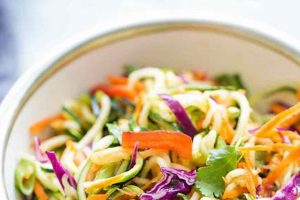
This dish typically combines ripe pears, often Bosc or Anjou, with creamy blue cheese, such as Roquefort or Gorgonzola. Complementary ingredients frequently include candied pecans or walnuts, dried cranberries or cherries, and a simple vinaigrette, often featuring balsamic vinegar or lemon juice. Variations may incorporate mixed greens like baby spinach or arugula.
The combination of sweet, ripe pears with pungent blue cheese creates a balanced flavor profile that is both refreshing and sophisticated. The textural contrast between the soft fruit and the crumbly cheese, further enhanced by the crunch of nuts and the chewiness of dried fruit, elevates the sensory experience. This salad is a versatile dish, suitable as a light lunch, appetizer, or side dish for a variety of main courses. Its popularity is partly due to its relative simplicity and the readily available ingredients.
Further exploration could delve into specific ingredient selections, variations on the vinaigrette, and suggested pairings for different occasions. A closer look at the nutritional value and potential health benefits of this salad could also provide valuable insights. Finally, examining different preparation techniques, including tips for achieving optimal ripeness of pears and proper handling of blue cheese, would be beneficial.
Tips for a Perfect Pear and Blue Cheese Salad
Achieving a well-balanced and flavorful salad requires attention to detail. The following tips offer guidance for optimal preparation and ingredient selection.
Tip 1: Pear Selection and Ripeness: Choose pears that are ripe but still firm. Gentle pressure near the stem should yield slightly. Avoid pears that are overly soft or bruised.
Tip 2: Blue Cheese Variety: Experiment with different blue cheeses to find a preferred flavor profile. Roquefort offers a pungent, salty taste, while Gorgonzola provides a creamier, milder option.
Tip 3: Nut Preparation: Toasting nuts enhances their flavor and provides a satisfying crunch. Spread nuts in a single layer on a baking sheet and toast in a preheated oven at 350F (175C) for 5-7 minutes, or until fragrant.
Tip 4: Vinaigrette Balance: A balanced vinaigrette is crucial. The sweetness of the pears and the sharpness of the blue cheese should be complemented, not overpowered, by the dressing. A simple balsamic vinaigrette or a lemon vinaigrette works well.
Tip 5: Ingredient Proportions: Consider the balance of ingredients. Too much blue cheese can overwhelm the delicate flavor of the pears. Strive for a harmonious blend of flavors and textures.
Tip 6: Freshness is Key: Use the freshest ingredients possible. The quality of the ingredients directly impacts the final flavor of the salad.
Tip 7: Serving Temperature: Serve the salad slightly chilled. This enhances the flavors and provides a refreshing experience.
By following these tips, one can create a pear and blue cheese salad that offers a delightful combination of flavors and textures. Attention to detail ensures a balanced and satisfying culinary experience.
This guidance offers a pathway to creating a successful dish. Further exploration might include specific recipe variations and serving suggestions.
1. Ripe, but firm pears

The success of a pear and blue cheese salad hinges significantly on the ripeness of the pears. Ripe, yet firm pears provide the ideal balance of sweetness and texture. Overripe pears become mushy and lose their delicate flavor, detracting from the salad’s overall appeal. Conversely, underripe pears lack the necessary sweetness and can be unpleasantly hard. The desired ripeness allows the pear to hold its shape when sliced, contributing to an aesthetically pleasing presentation. The gentle sweetness of a perfectly ripe pear complements the sharpness of the blue cheese, creating a harmonious flavor profile.
Consider a Bosc pear, a common choice for this salad. When perfectly ripe, a Bosc pear offers a honeyed sweetness and a firm, yet yielding texture. This textural contrast plays well against the creamy blue cheese and any crunchy nuts or seeds incorporated into the salad. An overripe Bosc pear, however, would become excessively soft, releasing too much juice and potentially making the salad soggy. The delicate flavor would also be lost amidst the stronger tastes of the cheese and other components.
Selecting pears of appropriate ripeness is therefore crucial for achieving the intended balance of flavors and textures. This attention to detail elevates the salad from simple to sophisticated. The proper ripeness ensures the pear contributes the desired sweetness, texture, and visual appeal, ultimately enhancing the overall dining experience. Careful selection at the grocery store and attention to storage can contribute to the successful execution of this dish.
2. High-quality blue cheese
Blue cheese constitutes a pivotal ingredient in this salad, significantly influencing the overall flavor profile. The quality of the blue cheese selected directly impacts the final taste and complexity of the dish. A nuanced understanding of blue cheese varieties and quality indicators is essential for creating a truly exceptional salad.
- Flavor Profiles:
Blue cheeses exhibit a spectrum of flavors, ranging from mild and creamy to sharp and pungent. Roquefort, known for its robust, salty taste, provides a strong counterpoint to the sweetness of the pears. Gorgonzola, with its creamier texture and milder flavor, offers a gentler contrast. Choosing a blue cheese with an appropriate flavor profile is crucial for achieving a balanced and harmonious salad. The intensity of the blue cheese should complement, not overwhelm, the other ingredients.
- Texture and Appearance:
The texture of blue cheese is another important consideration. High-quality blue cheese should have a distinct veining of blue mold, indicating proper aging and flavor development. The texture should be creamy and crumbly, not dry or chalky. The appearance of the cheese offers valuable insights into its quality and maturity. A uniform distribution of blue veining typically suggests a well-balanced flavor profile.
- Sourcing and Storage:
Sourcing blue cheese from reputable cheesemongers or specialty stores often ensures access to higher quality options. Proper storage is equally important for maintaining the cheese’s freshness and flavor. Blue cheese should be wrapped tightly in wax paper or aluminum foil and stored in the refrigerator. Proper storage prevents the cheese from drying out and helps preserve its delicate flavor nuances.
- Pairing with Other Ingredients:
The selected blue cheese should harmonize with the other salad components. The sweetness of the pears, the crunch of the nuts, and the acidity of the vinaigrette all interact with the blue cheese’s flavor. Careful consideration of these interactions is key to creating a well-balanced and cohesive culinary experience. A strong blue cheese might pair well with candied pecans, while a milder blue cheese might complement walnuts or almonds.
The careful selection of high-quality blue cheese elevates this seemingly simple salad to a new level of culinary sophistication. Understanding the nuances of flavor profiles, textures, sourcing, and pairings allows for a more intentional and rewarding culinary experience. The blue cheese acts as a cornerstone of the dish, influencing the overall balance and complexity of flavors.
3. Complementary Nuts

Nuts play a crucial role in a pear and blue cheese salad, providing both textural contrast and complementary flavors. Their inclusion elevates the salad beyond a simple combination of fruit and cheese, adding a layer of complexity and satisfying crunch. The choice of nuts significantly influences the overall sensory experience, interacting with the other ingredients to create a harmonious balance.
Candied nuts, such as pecans or walnuts, offer a contrasting sweetness and crunch that complements the soft pears and pungent blue cheese. The caramelization process intensifies the nuts’ natural flavors, adding a depth that resonates with the other components. For example, the buttery richness of candied pecans provides a counterpoint to the sharp, salty notes of Roquefort cheese, while their brittle texture contrasts with the smooth pears. Alternatively, toasted walnuts, with their slightly bitter edge, can enhance the creamy, milder flavors of Gorgonzola cheese. The toasting process intensifies their inherent earthiness, creating a nuanced interplay with the other ingredients. Untoasted nuts, while offering a different textural experience, may lack the depth of flavor achieved through toasting or candying.
The quantity of nuts added also requires consideration. Too few nuts might render their textural and flavor contributions negligible, while an excessive amount can overwhelm the delicate balance of the salad. A judicious amount allows the nuts to enhance the overall composition without dominating the other flavors. The size and shape of the nuts also factor into the equation. Halves or large pieces provide a more substantial crunch, while smaller, chopped nuts offer a more subtle textural element. Ultimately, the choice of nuts, their preparation, and their proportion within the salad contribute significantly to the final culinary experience, demonstrating the importance of this seemingly minor ingredient.
4. Balanced Vinaigrette

A balanced vinaigrette is essential for a successful pear and blue cheese salad. It provides a crucial acidic element that complements the sweetness of the pears and the sharpness of the blue cheese. The vinaigrette acts as a unifying element, tying together the diverse flavors and textures of the salad. Its delicate balance ensures that no single ingredient overpowers the others, allowing the complex interplay of sweet, savory, and tangy notes to shine.
- Acidity Level
The vinaigrette’s acidity must be carefully calibrated. Too much acidity can overwhelm the delicate flavor of the pears, while too little can result in a bland, uninspiring salad. The goal is to achieve a bright, tangy flavor that enhances the other ingredients without being overpowering. Lemon juice or vinegar, common vinaigrette components, provide this acidity. The specific type of vinegarbalsamic, red wine, apple ciderintroduces subtle flavor nuances that further enhance complexity. For example, a balsamic vinaigrette offers a slightly sweet and syrupy counterpoint to the sharp blue cheese, while a red wine vinaigrette provides a more robust, savory note.
- Sweetness and Other Flavor Notes
While acidity is paramount, a touch of sweetness can add depth and complexity to the vinaigrette. A small amount of honey, maple syrup, or even a pinch of sugar can balance the tartness and create a more rounded flavor profile. Other ingredients, such as Dijon mustard, shallots, or garlic, can further enhance the vinaigrette, adding subtle layers of flavor that complement the pears and blue cheese. A Dijon mustard vinaigrette lends a subtle tang, while a shallot vinaigrette introduces a mild onion flavor that harmonizes with the sweetness of the pears.
- Oil Selection
The choice of oil significantly impacts the vinaigrette’s flavor and texture. Extra virgin olive oil offers a robust, fruity flavor that complements the pears and blue cheese. Other oils, such as walnut or grapeseed oil, can provide subtle flavor variations. The oil also contributes to the vinaigrette’s texture, creating a smooth, emulsified dressing that coats the salad ingredients evenly. The ratio of oil to vinegar also influences the vinaigrette’s consistency and its ability to cling to the salad components.
- Emulsification and Texture
Proper emulsification is essential for a well-balanced vinaigrette. A stable emulsion prevents the oil and vinegar from separating, creating a creamy, cohesive dressing. This is typically achieved by whisking the ingredients together vigorously or using a blender. The resulting emulsion evenly distributes the flavors and ensures that each bite of salad is coated with the dressing. A thicker vinaigrette clings better to the salad components, providing a more consistent flavor experience.
A well-executed vinaigrette elevates the pear and blue cheese salad from a simple combination of ingredients to a harmonious culinary creation. The careful balance of acidity, sweetness, and other flavor components ensures that each element complements the others, resulting in a complex and satisfying flavor profile. The vinaigrette not only ties the ingredients together but also enhances their individual characteristics, highlighting the interplay of textures and tastes. This attention to detail is what distinguishes a truly exceptional salad from a merely adequate one.
5. Fresh Ingredients

Ingredient freshness is paramount in a pear and blue cheese salad. This salad, characterized by its simple yet elegant combination of flavors and textures, relies heavily on the quality of its individual components. Fresh ingredients maximize the flavor profile, creating a vibrant and nuanced culinary experience. Compromised ingredient freshness detracts significantly from the intended balance, resulting in a less satisfying dish.
- Pears:
Fresh pears offer a delicate sweetness and a pleasant, slightly firm texture. These qualities are essential for achieving the desired balance in the salad. Pears that have begun to overripen develop an unpleasant mushiness and lose their characteristic flavor. Freshness ensures the pear contributes the intended textural and flavor notes to the overall composition.
- Blue Cheese:
High-quality, fresh blue cheese is crucial for providing the characteristic pungent and salty notes that balance the sweetness of the pears. As blue cheese ages, its flavor can intensify, potentially overpowering the other ingredients. Fresh blue cheese ensures the desired flavor profile and a pleasant, creamy texture, essential for a well-balanced salad. Stale or improperly stored blue cheese can develop off-flavors that negatively impact the entire dish.
- Nuts:
Whether candied or toasted, fresh nuts offer a satisfying crunch and a depth of flavor that complements the other ingredients. Rancid or stale nuts introduce unpleasant flavors that detract from the salad’s overall appeal. Fresh nuts retain their intended flavor, whether it’s the buttery richness of pecans or the earthy notes of walnuts, ensuring they contribute positively to the sensory experience.
- Greens (Optional):
If greens, such as baby spinach or arugula, are incorporated, their freshness is equally important. Fresh greens offer a crisp, vibrant texture and a subtle peppery or earthy flavor that complements the other ingredients. Wilted or decaying greens introduce unpleasant textures and off-flavors that detract from the salad’s freshness and overall appeal. Fresh greens provide a vibrant backdrop for the other components.
Prioritizing fresh, high-quality ingredients ensures the pear and blue cheese salad achieves its full potential. The interplay of flavors and textures, so characteristic of this dish, relies heavily on the freshness of each component. Using subpar ingredients compromises the delicate balance and diminishes the overall culinary experience. The emphasis on freshness underscores the importance of quality ingredients in creating a truly exceptional dish. This commitment to quality enhances not only the flavor but also the overall dining experience, showcasing the transformative power of fresh ingredients in a seemingly simple salad.
6. Proper Chilling

Proper chilling is a crucial final step in preparing a pear and blue cheese salad. Temperature significantly influences the perception of flavor and texture, impacting the overall dining experience. Chilling enhances the salad’s refreshing qualities while preserving the integrity of its individual components. Understanding the nuances of proper chilling techniques allows for a more nuanced and enjoyable culinary experience.
- Ingredient Temperature Management
Chilling individual ingredients before assembling the salad is essential. This practice helps maintain the desired textures and prevents premature wilting or softening, particularly crucial for delicate greens and ripe pears. Pre-chilled ingredients contribute to the salad’s overall crispness and refreshing quality. For example, chilling the pears prevents them from becoming overly soft when combined with the other ingredients, maintaining their structural integrity.
- Blue Cheese Handling
Blue cheese, while benefiting from cool storage, should not be overly chilled. Excessively cold temperatures can dull the cheese’s complex flavors and harden its texture, hindering the optimal release of its nuanced aromas and creamy consistency. Allowing the blue cheese to sit at room temperature briefly before serving allows its full flavor profile to develop. This nuanced approach balances preservation with optimal flavor presentation.
- Vinaigrette Temperature Considerations
The vinaigrette, particularly if it contains oil, can benefit from brief refrigeration. Chilling helps solidify the oil slightly, creating a thicker, more viscous consistency that clings better to the salad ingredients. This improved adherence ensures a more even distribution of flavor and enhances the overall sensory experience. However, excessive chilling can make the vinaigrette too thick to pour and mix effectively.
- Final Salad Chilling
Once assembled, the salad benefits from a brief chill to allow the flavors to meld. However, prolonged chilling can lead to undesirable textural changes, particularly in the greens and pears. A short chilling period, just enough to enhance the refreshing qualities of the salad without compromising texture, is ideal. This final chill harmonizes the combined ingredients and creates a more cohesive flavor profile.
Proper chilling techniques are essential for maximizing the sensory experience of a pear and blue cheese salad. Careful temperature management of individual ingredients, as well as the assembled salad, enhances the flavors, preserves textures, and contributes to the overall refreshing quality of the dish. This attention to detail elevates the salad from a simple combination of ingredients to a carefully orchestrated culinary experience, demonstrating a refined understanding of the interplay between temperature and flavor.
Frequently Asked Questions
This section addresses common inquiries regarding the preparation and variations of pear and blue cheese salad.
Question 1: Can other types of pears be used besides Bosc?
While Bosc pears are a popular choice due to their firm texture and honeyed sweetness, other varieties like Anjou, Bartlett, or Comice can also be used. Consider the pear’s ripeness and sweetness when selecting an alternative.
Question 2: What can be substituted for blue cheese if a guest has an aversion to it?
While blue cheese is a defining ingredient, crumbled goat cheese or feta can offer a tangy, albeit milder, alternative. Consider how these substitutions might interact with the other flavors.
Question 3: Are candied nuts essential, or can other nuts be used?
Toasted walnuts, pecans, or almonds provide excellent alternatives to candied nuts. Toasting enhances their natural flavors and provides a satisfying crunch. The choice depends on desired flavor profiles.
Question 4: What type of greens work best in this salad?
Baby spinach, arugula, or mixed greens complement the pears and blue cheese well. Avoid robust greens like kale or mature spinach, as they may overpower the delicate flavors.
Question 5: Can the salad be made ahead of time?
While best served fresh, the salad components can be prepared separately in advance. Combine ingredients just before serving to prevent the pears from oxidizing and the greens from wilting. Store the vinaigrette separately.
Question 6: What main courses pair well with this salad?
This salad complements roasted chicken, grilled pork, or pan-seared fish. Its lightness also makes it a suitable accompaniment to richer dishes. Consider flavor affinities when selecting pairings.
Careful consideration of these frequently asked questions allows for greater flexibility and successful adaptation of the recipe to individual preferences and dietary needs.
Further exploration might delve into specific regional variations and cultural adaptations of this versatile salad.
The Barefoot Contessa Pear and Blue Cheese Salad Recipe
This exploration has highlighted the essential elements that contribute to a successful rendition of the Barefoot Contessa pear and blue cheese salad recipe. From the selection of ripe, yet firm, pears and high-quality blue cheese to the nuanced balance of the vinaigrette and the considered inclusion of complementary nuts, each component plays a vital role in the final composition. Proper chilling techniques and an emphasis on fresh ingredients further elevate this seemingly simple salad to a sophisticated culinary experience. The interplay of sweet, savory, and tangy flavors, combined with contrasting textures, creates a harmonious balance that delights the palate.
This analysis provides a foundation for informed culinary practice, allowing for a deeper appreciation of the careful orchestration of ingredients and techniques required to achieve culinary excellence. Further exploration of regional variations and individual adaptations promises to enrich the understanding and enjoyment of this classic salad.