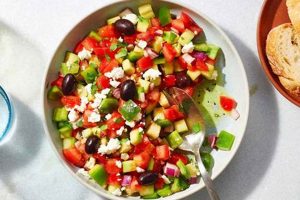
Congealed salads featuring a blend of gelatin, fruits, vegetables, and sometimes nuts or marshmallows, often served during the holiday season, represent a distinct culinary tradition. These dishes frequently incorporate festive ingredients like cranberries, oranges, and spiced pears, molded into decorative shapes or served in layered forms.
Such dishes offer a visually appealing and refreshing addition to holiday meals. Their relatively simple preparation makes them convenient for large gatherings. This tradition reflects a historical period where molded and layered dishes signified a degree of culinary sophistication and presentation skills. They also provided a way to incorporate fresh or canned fruits into a festive format.
This exploration will delve into the diverse range of flavor combinations, the evolution of these dishes through time, and provide practical guidance for creating both classic and contemporary variations.
Tips for Creating Festive Gelatin Salads
Successful preparation of holiday-themed gelatin salads requires attention to detail and an understanding of the interplay of flavors and textures. The following tips offer guidance for achieving optimal results.
Tip 1: Bloom the Gelatin Completely: Allowing the gelatin to soften fully in cold liquid before dissolving ensures even distribution and prevents clumping. This step is crucial for achieving the desired texture.
Tip 2: Balance Sweetness and Acidity: The inherent sweetness of gelatin necessitates a balancing element of tartness. Incorporating acidic ingredients like citrus fruits or cranberry juice enhances the overall flavor profile.
Tip 3: Consider Texture Variety: A combination of textures creates a more engaging culinary experience. The smooth base of the gelatin can be complemented by the addition of crunchy nuts, crisp fruits, or miniature marshmallows.
Tip 4: Layer Strategically: For layered salads, allow each layer to set completely before adding the next. This prevents color bleeding and maintains distinct visual appeal. Chilling the mold beforehand aids in quicker setting.
Tip 5: Unmold with Care: Dipping the mold briefly into warm water eases the release of the salad. Invert onto a serving platter for a seamless presentation.
Tip 6: Garnish Thoughtfully: A simple garnish elevates the final presentation. Fresh herbs, whipped cream, or a sprinkle of chopped nuts can enhance the visual appeal and complement the flavors.
By adhering to these guidelines, one can create gelatin salads that are not only visually appealing but also offer a delightful balance of flavors and textures, enhancing the festive dining experience.
These practical tips provide a foundation for exploring the vast possibilities within the realm of holiday gelatin salads, from traditional recipes to innovative creations.
1. Festive Flavors

The success of a Christmas gelatin salad hinges on the careful selection and incorporation of flavors that evoke the holiday spirit. These flavors contribute not only to the taste but also to the overall sensory experience, linking the dish to the celebratory context.
- Cranberry
The tartness of cranberry provides a refreshing counterpoint to the sweetness of the gelatin base. Its vibrant red color also aligns with traditional Christmas aesthetics. Cranberry sauce, juice, or fresh cranberries can be incorporated, offering varying levels of intensity and texture. The flavor profile pairs well with spices like cinnamon and cloves, further enhancing the festive association.
- Orange
The bright citrus notes of orange contribute a refreshing element and complement other holiday flavors like spices and peppermint. Segments of fresh oranges, orange zest, or orange juice can be used. The color adds visual appeal, while the flavor provides a welcome contrast to richer elements within the salad.
- Spices
Spices such as cinnamon, cloves, and nutmeg infuse warmth and complexity. They can be added directly to the gelatin mixture or incorporated through spiced baked goods or extracts. These flavors resonate with traditional holiday baking and contribute to a comforting, familiar taste experience.
- Mint
A touch of peppermint or spearmint can add a refreshing twist to the traditional flavor profile. Crushed candy canes, peppermint extract, or fresh mint leaves can be used. This flavor profile is particularly effective when paired with lighter-colored gelatin bases, creating a visually appealing contrast.
The interplay of these festive flavors creates a multi-sensory experience that elevates the Christmas gelatin salad beyond a simple dish to a symbolic representation of the holiday season. The strategic combination of tartness, sweetness, and spice contributes to a balanced and memorable culinary experience.
2. Varied Textures

Texture plays a crucial role in the overall enjoyment of a Christmas gelatin salad. A combination of textures elevates the dish from simple to sophisticated, offering a more engaging sensory experience. The interplay of contrasting textures adds complexity and visual interest.
- Smooth Base
The gelatin itself provides a smooth, cool base. This foundational texture provides a backdrop for other ingredients to stand out, creating a harmonious contrast. The quality of the gelatin is key; it should be firm yet yielding, not rubbery or overly soft.
- Crunchy Elements
Nuts, such as chopped pecans or walnuts, offer a satisfying crunch. This contrasts with the smooth gelatin, adding a textural dimension. Other crunchy elements could include chopped celery, water chestnuts, or even crushed hard candies. The size and distribution of these crunchy elements contribute to the overall mouthfeel.
- Soft Inclusions
Fruits like grapes, mandarin orange segments, or drained canned fruit cocktail provide pockets of softness. These contrast both with the smooth base and any crunchy elements, further diversifying the textural experience. The choice of fruit should complement the overall flavor profile of the salad.
- Whipped Toppings
A dollop of whipped cream or a sprinkle of shredded coconut can introduce a contrasting airy texture. This adds a touch of lightness and richness to the dish, enhancing its visual appeal and providing an additional layer of flavor. The topping should complement the other ingredients and not overpower the overall flavor profile.
The strategic combination of these varying texturessmooth, crunchy, soft, and airycreates a dynamic and enjoyable culinary experience. The success of a Christmas gelatin salad lies not only in its festive flavors but also in the thoughtful interplay of textures that elevate it to a truly satisfying holiday treat.
3. Visual Presentation

Visual presentation constitutes a significant aspect of Christmas gelatin salad recipes. The aesthetic appeal of these dishes enhances their perceived value and contributes to the festive atmosphere. Careful consideration of color, shape, and garnish elevates the dish beyond mere sustenance, transforming it into a celebratory centerpiece. The visual appeal often evokes a sense of nostalgia and tradition, connecting the dish to shared memories and cultural practices.
The vibrant colors of incorporated fruits and vegetables, often amplified by the translucent nature of the gelatin, create an immediate visual impact. Layered salads, with distinct bands of color, offer a particularly striking presentation. The use of molds, ranging from simple bundt pans to elaborate decorative shapes, further enhances the visual appeal. Garnishes, such as strategically placed fresh fruit, whipped cream rosettes, or sprigs of mint, add a finishing touch. For example, a cranberry-flavored gelatin molded into a Christmas tree shape and garnished with candied cranberries exemplifies the potential for creative visual presentation. Similarly, a layered salad featuring red and green stripes, echoing traditional Christmas colors, creates a visually appealing and thematically appropriate dish.
The impact of visual presentation extends beyond mere aesthetics. A visually appealing dish stimulates appetite and enhances the overall dining experience. This is particularly relevant in a festive context, where food plays a central role in celebration and creating a shared sense of occasion. Understanding the importance of visual presentation empowers individuals to create dishes that are not only palatable but also contribute to the festive atmosphere and create lasting memories. The effort invested in visual presentation reflects the care and attention dedicated to the celebration itself.
4. Historical Context

The emergence of Christmas gelatin salad recipes is intertwined with advancements in food technology and evolving culinary trends. The availability of commercially produced gelatin in the late 19th and early 20th centuries democratized what was previously a labor-intensive process of extracting gelatin from animal sources. This accessibility coincided with the growing popularity of molded and layered dishes, reflecting a desire for elaborate presentations in home cooking. The rise of convenience foods and the post-World War II emphasis on efficiency further solidified the gelatin salad’s place on the holiday table. Aspics, a savory predecessor to the sweet gelatin salad, offer insight into the historical progression of these dishes. Originally a method for preserving meats and vegetables, aspics evolved into elaborate presentations showcasing culinary skill. This emphasis on presentation carried over into the sweet gelatin salads that became a hallmark of mid-20th century holiday celebrations. Recipes from community cookbooks and women’s magazines of this era provide a glimpse into the popular flavor combinations and molding techniques of the time.
The association of gelatin salads with holidays, particularly Christmas, can be attributed to several factors. The festive colors achievable through the incorporation of fruits and vegetables aligned with holiday aesthetics. The make-ahead nature of these dishes offered convenience during busy holiday preparations. Furthermore, the perceived elegance of molded and layered salads contributed to their appeal for special occasions. The availability of canned fruits and vegetables also played a role, allowing for year-round access to ingredients. Regional variations in recipes, often incorporating local produce or reflecting cultural influences, further diversified the tradition. For instance, the inclusion of cranberries in North American Christmas gelatin salads reflects the fruit’s seasonal availability and cultural significance.
Understanding the historical context of Christmas gelatin salad recipes provides valuable insight into evolving culinary practices and cultural traditions. It illuminates the interplay of technology, social trends, and ingredient availability in shaping culinary preferences. This awareness allows for a deeper appreciation of the dish’s significance beyond its ingredients, connecting contemporary culinary practices with historical precedents. Analyzing historical recipes not only informs present-day adaptations but also offers a glimpse into the ingenuity and resourcefulness of cooks in past eras. This historical lens enriches the experience of preparing and consuming these dishes, adding a layer of cultural understanding to the culinary tradition.
5. Ingredient Selection

Ingredient selection significantly impacts the final quality, flavor profile, and visual appeal of Christmas gelatin salads. Consideration of ingredient quality, seasonality, and their interplay within the recipe is crucial. Fresh, high-quality ingredients contribute to both flavor and texture. For example, using fresh oranges or cranberries, as opposed to canned alternatives, yields a brighter, more vibrant flavor and a firmer texture. In-season produce generally offers superior flavor and nutritional value. Selecting ingredients based on their compatibility ensures a balanced and harmonious final product. The sweetness of canned fruit cocktail may require balancing with the tartness of cranberry juice or lemon zest. The choice of gelatin flavor should also complement the other ingredients; a lime-flavored gelatin may pair well with tropical fruits like pineapple and mango, while a cherry-flavored gelatin might complement a combination of red fruits like cranberries and raspberries.
Specific ingredient choices contribute distinct characteristics to the final dish. Different types of gelatin offer varying levels of firmness and flavor intensity. The selection of fruits and vegetables influences not only the taste and texture but also the visual presentation. Nuts and other additions provide textural contrast and flavor complexity. For example, incorporating chopped pecans adds a buttery crunch, while slivered almonds offer a delicate texture and subtle flavor. Miniature marshmallows provide sweetness and a soft, pillowy texture. The color of ingredients contributes to the overall aesthetic. Red and green fruits, such as cranberries and grapes, align with traditional Christmas color palettes, while the inclusion of other colors, like the orange of mandarin segments or the yellow of pineapple chunks, can create visually interesting variations. Understanding these nuances allows for informed ingredient selection tailored to specific desired outcomes.
Careful ingredient selection elevates Christmas gelatin salads from simple dishes to culinary expressions. The consideration of quality, seasonality, and interplay of flavors and textures reflects an attention to detail that enhances the dining experience. This understanding empowers individuals to make informed choices, resulting in dishes that are not only visually appealing but also offer a complex and satisfying flavor profile. Selecting ingredients with intentionality contributes to both the culinary and aesthetic success of these festive dishes, aligning them with the celebratory spirit of the occasion.
6. Preparation Techniques

Preparation techniques significantly influence the texture, consistency, and overall success of Christmas gelatin salad recipes. Proper execution of these techniques ensures the gelatin sets correctly, ingredients are evenly distributed, and the desired visual presentation is achieved. Dissolving the gelatin completely, for instance, prevents grainy texture and ensures a smooth, homogenous base. Incorrectly incorporating ingredients, such as adding hot liquids to the gelatin mixture before it has cooled, can lead to melting and prevent proper setting. The layering technique, frequently employed in festive gelatin salads, requires careful attention to timing and temperature to maintain distinct layers and prevent color bleeding. Allowing each layer to set completely before adding the next is crucial for achieving the desired visual effect. For example, layering a cranberry-flavored gelatin base, followed by a layer of cream cheese mixture, and topped with a final layer of lime-flavored gelatin necessitates proper setting times for each layer to prevent blending and maintain distinct colors and flavors. Failure to adhere to these specific techniques could result in a visually unappealing and texturally compromised final product.
Different preparation methods offer specific advantages and challenges. Molding requires selecting an appropriate mold and ensuring its proper preparation to facilitate the release of the set gelatin. Layering demands precise timing and a thorough understanding of how different ingredients interact within the gelatin matrix. The incorporation of suspended ingredients, such as fruits and nuts, requires attention to their density and size to ensure even distribution throughout the setting gelatin. For instance, denser fruits may sink to the bottom, while lighter ingredients might float to the top. Understanding these principles allows for strategic placement of ingredients to achieve desired visual effects. Using a whisk versus a spoon when mixing the gelatin and other ingredients can also impact the final texture and airiness of the salad. Overmixing can introduce excess air, leading to a less desirable texture. Conversely, insufficient mixing might result in uneven distribution of ingredients and flavor inconsistencies.
Mastery of preparation techniques is essential for achieving the desired outcome in Christmas gelatin salad recipes. Precision in dissolving the gelatin, incorporating ingredients, layering, and molding directly correlates with the final product’s quality. These techniques, while seemingly simple, require careful attention to detail and an understanding of the scientific principles underlying gelatin’s behavior. Overlooking these details can compromise the structural integrity, flavor profile, and visual appeal of the dish. A thorough understanding of these techniques empowers individuals to create visually stunning and texturally pleasing gelatin salads that contribute to the festive atmosphere of holiday celebrations.
7. Creative Adaptations

Creative adaptations represent a vital aspect of the evolution and continued relevance of Christmas gelatin salad recipes. Adaptation allows these dishes to transcend their mid-20th century origins and resonate with contemporary tastes and dietary preferences. Traditional recipes serve as a foundation for exploration, offering a springboard for innovative flavor combinations, ingredient substitutions, and updated presentation styles. This dynamic interplay between tradition and innovation ensures the enduring appeal of these festive dishes across generations. For example, a classic cranberry gelatin salad can be reimagined by incorporating fresh pomegranate seeds and a hint of ginger, adding complexity and visual interest. Substituting agave nectar or honey for refined sugar offers a healthier alternative while retaining the desired sweetness. Utilizing alternative gelling agents, such as agar-agar, caters to vegan dietary restrictions without sacrificing the characteristic texture.
The ability to adapt recipes allows for personalization and customization, reflecting individual preferences and dietary needs. Creative adaptations can incorporate regional or cultural influences, further diversifying the tradition. For instance, a tropical twist on the Christmas gelatin salad might incorporate coconut milk, mango, and passion fruit, reflecting the flavors of a warm-weather holiday celebration. The use of savory ingredients, such as herbs and vegetables, can transform the traditional sweet salad into a sophisticated appetizer or side dish. Adapting presentation methods, such as using individual molds or creating intricate layered designs, elevates the visual appeal. Incorporating modern culinary techniques, like sous vide infusion or spherification, can introduce unexpected textures and flavors, transforming the familiar dish into a contemporary culinary creation. These adaptations demonstrate the versatility of gelatin salads and their potential to transcend their traditional image.
The ongoing evolution of Christmas gelatin salad recipes through creative adaptation ensures their continued relevance in contemporary culinary landscapes. This adaptability reflects a broader trend in food culture, where tradition and innovation intersect to create dynamic and engaging dining experiences. Embracing creative adaptations allows individuals to personalize recipes, accommodate dietary restrictions, and reflect diverse cultural influences. This approach not only preserves culinary heritage but also fosters creativity and culinary exploration. The willingness to adapt ensures these festive dishes continue to hold a place on holiday tables, evolving alongside changing tastes and preferences while retaining their symbolic significance as a celebration of tradition and togetherness.
Frequently Asked Questions
This section addresses common inquiries regarding holiday gelatin salads, providing clarification and practical guidance.
Question 1: How can one prevent the gelatin from becoming rubbery?
Proper blooming and dissolving of the gelatin granules are crucial. Ensuring the gelatin softens fully in cold liquid before dissolving in hot liquid prevents a rubbery texture.
Question 2: What can be done if the gelatin does not set properly?
Several factors can inhibit setting, including the addition of certain fresh fruits like pineapple and kiwi, which contain enzymes that break down gelatin. Insufficient chilling time can also prevent proper setting. If a salad fails to set, it can often be salvaged by gently reheating and adding additional dissolved gelatin.
Question 3: Are there alternatives to using commercially produced gelatin?
Agar-agar, derived from seaweed, offers a vegan alternative with similar gelling properties. The preparation process differs slightly, so consulting specific recipes for agar-agar based gelatin salads is recommended.
Question 4: How can one ensure even distribution of ingredients within the gelatin?
Adding ingredients to the gelatin mixture while it is still slightly warm but not fully set helps prevent settling or floating. For denser ingredients, layering can ensure their strategic placement within the finished salad.
Question 5: Can these salads be prepared in advance?
Gelatin salads are ideal for make-ahead preparation. They can be refrigerated for several days before serving, allowing for convenient scheduling during busy holiday periods.
Question 6: How can one unmold a gelatin salad without damaging its shape?
Briefly dipping the mold in warm water loosens the gelatin from the sides, facilitating a clean release. Inverting the mold onto a serving plate then allows for effortless removal.
Understanding these fundamental aspects of preparation ensures successful and visually appealing results. Experimentation with flavors and presentation, guided by these principles, allows for creative expression within this culinary tradition.
This comprehensive guide to festive gelatin salad recipes equips readers with the knowledge and practical guidance needed to create impressive and delicious holiday dishes.
Christmas Gelatin Salad Recipes
Christmas gelatin salad recipes represent a dynamic intersection of culinary tradition and creative expression. This exploration has examined the multifaceted nature of these festive dishes, from their historical context and ingredient selection to preparation techniques and the potential for creative adaptations. The importance of flavor balance, textural interplay, and visual presentation has been emphasized, providing a comprehensive understanding of the elements that contribute to a successful and enjoyable gelatin salad experience. The evolution of these recipes through time reflects changing culinary trends and ingredient availability, highlighting the adaptability of this enduring holiday tradition.
Christmas gelatin salad recipes offer a unique opportunity to blend culinary heritage with individual expression. The potential for customization, from flavor profiles to presentation styles, allows these dishes to remain relevant and engaging in contemporary culinary landscapes. Further exploration of regional variations and innovative adaptations promises to enrich this tradition, ensuring its continued presence on holiday tables for generations to come. The enduring appeal of Christmas gelatin salad recipes lies in their ability to evoke nostalgia, celebrate creativity, and provide a platform for culinary innovation within a familiar and festive context.