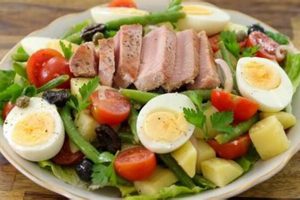
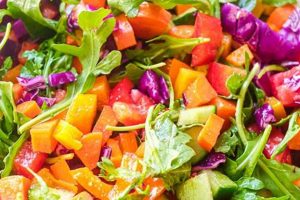
A dish featuring cooked penne pasta tossed with various ingredients, typically including vegetables, proteins, and a flavorful dressing, constitutes this culinary creation. A classic example combines cooked penne, chopped bell peppers, cucumbers, cherry tomatoes, black olives, cubed mozzarella, and Italian dressing.
This dish offers versatility and convenience, adaptable to diverse dietary needs and preferences. Its make-ahead nature makes it ideal for potlucks, picnics, and quick weeknight meals. Historically, pasta salads gained popularity as refrigeration became more common, allowing for safe storage of prepared dishes. The adaptability of pasta to absorb flavors from dressings and complementary ingredients further contributed to the rise of such preparations.
Exploration of specific ingredient combinations, dressing variations, and nutritional considerations will further illuminate the potential of this adaptable dish. From classic Italian-inspired versions to innovative and globally-influenced adaptations, the possibilities are vast.
Tips for Creating Exceptional Penne Salads
Achieving a well-balanced and flavorful pasta salad requires attention to detail. The following tips offer guidance for optimal results.
Tip 1: Cook Penne Al Dente: Pasta cooked to a firm texture holds its shape better in a salad and prevents a mushy result. Slightly undercooking ensures the penne remains pleasant to bite into even after absorbing dressing.
Tip 2: Rinse Cooked Pasta: Rinsing the cooked penne under cold water stops the cooking process and removes excess starch, preventing the pasta from sticking together and creating a cleaner flavor profile.
Tip 3: Balance Ingredients: A successful salad incorporates a variety of textures and flavors. Consider including crisp vegetables, creamy cheeses, savory proteins, and a complementary dressing.
Tip 4: Dress Strategically: Adding the dressing shortly before serving prevents the salad from becoming soggy. Reserve a small amount of dressing to refresh the salad just before serving if needed.
Tip 5: Marinate for Enhanced Flavor (Optional): Marinating certain ingredients, such as vegetables or proteins, in a portion of the dressing can infuse them with deeper flavor.
Tip 6: Chill Thoroughly: Chilling the salad allows the flavors to meld and enhances the overall taste experience. Refrigerate for at least 30 minutes before serving.
By following these tips, one can elevate a simple pasta salad to a satisfying and flavorful culinary experience. Careful attention to ingredient selection, preparation, and dressing technique contributes significantly to the final product.
Through thoughtful preparation and ingredient selection, a simple pasta dish transforms into a memorable culinary experience.
1. Penne Pasta

Penne pasta forms the integral base of a penne salad recipe. Its tubular shape and ridged exterior offer distinct advantages. The tubes capture dressing and small ingredients, ensuring flavor distribution throughout the salad. The ridges provide textural complexity, contrasting with smoother elements like vegetables or cheese. Substituting other pasta shapes alters the dish’s character; for instance, using farfalle (bowtie pasta) results in a different visual presentation and dressing adherence, while rotini’s spirals, though effective at trapping dressing, offer a different mouthfeel. This distinction underscores the deliberate choice of penne in classic preparations.
Consider a Greek-inspired penne salad: the penne effectively holds the vinaigrette, feta cheese crumbles, and chopped olives. Or imagine a pesto penne salad: the sauce clings to the pasta’s ridges, distributing the basil and pine nut flavor evenly. These examples illustrate the practical significance of penne’s structure in creating a successful salad. Choosing alternative pasta shapes can result in uneven flavor distribution or a less cohesive final product. The pasta selection directly impacts the overall sensory experience.
Understanding the relationship between penne pasta and the overall salad composition is crucial for recipe development and culinary success. While variations exist, penne’s structural advantages contribute significantly to the classic penne salad’s appeal. Appreciating these characteristics allows for informed ingredient selection and preparation techniques, ultimately leading to a more satisfying culinary outcome.
2. Vegetables
Vegetables play a crucial role in penne salad recipes, contributing nutritional value, vibrant color, textural contrast, and flavor complexity. Their presence elevates the dish beyond simple carbohydrates and protein, offering essential vitamins, minerals, and dietary fiber. The variety of vegetables suitable for inclusion provides nearly limitless possibilities for customization, catering to individual preferences and dietary needs. Roasted bell peppers and zucchini, for instance, introduce sweetness and a slightly smoky char, while raw cherry tomatoes and cucumbers offer a refreshing burst of acidity and crispness. Blanched broccoli or asparagus contribute earthy notes and satisfying texture. The selection influences not only the nutritional profile but also the overall sensory experience.
Consider a Mediterranean-inspired penne salad: artichoke hearts, Kalamata olives, and sun-dried tomatoes introduce a briny, salty, and umami-rich dimension. Alternatively, a Southwestern-style salad might incorporate corn, black beans, and bell peppers for a sweeter, earthier profile. These examples demonstrate how vegetable choices shape the final character of the dish. Furthermore, the method of preparation impacts the vegetable’s contribution. Roasting intensifies flavors, while blanching preserves nutrients and maintains a crisp-tender texture. The interplay of different vegetable types, preparation methods, and complementary ingredients adds depth and complexity to the penne salad.
Understanding the multifaceted role of vegetables in penne salad recipes allows for informed decision-making during recipe development. Balancing flavor profiles, textures, and nutritional content elevates the dish from a simple side to a satisfying and well-rounded meal. Furthermore, incorporating seasonal vegetables maximizes freshness and flavor while minimizing environmental impact. The strategic use of vegetables ultimately determines the overall success and appeal of the penne salad.
3. Protein (optional)
Protein, while optional, significantly contributes to a penne salad’s nutritional profile and overall culinary experience. Adding protein transforms the dish from a side to a more substantial, satisfying meal. Protein sources diversify the flavor profile and textural landscape, offering a counterpoint to the pasta and vegetables. Grilled chicken or shrimp contribute savory notes and a firmer texture, while chickpeas or lentils provide earthiness and a slightly creamy consistency. The choice of protein should complement the other ingredients and the overall flavor direction of the salad. A pesto penne salad, for example, benefits from the addition of grilled chicken or salmon, while a Mediterranean-inspired version pairs well with chickpeas or feta cheese. Careful consideration of protein selection elevates the dish’s complexity and nutritional value.
The practical implications of including protein extend beyond flavor and texture. Protein promotes satiety, contributing to a feeling of fullness and satisfaction after consuming the salad. This makes it an ideal choice for meal prepping or packed lunches. Furthermore, the versatility of protein options allows for adaptability to various dietary needs and preferences. Vegetarian and vegan options, such as beans, lentils, or tofu, integrate seamlessly into penne salad recipes. One could consider a vegan penne salad with roasted tofu, quinoa, and a lemon-tahini dressing, showcasing the adaptability of protein choices. Understanding the interplay between protein and other ingredients, like the dressing or vegetables, ensures a well-balanced and harmonious final product.
Incorporating protein into penne salad recipes offers numerous benefits, enriching the nutritional profile, enhancing flavor and textural complexity, and promoting satiety. Strategic protein selection, considering the overall flavor composition and dietary requirements, elevates the dish from a simple pasta salad to a well-rounded and satisfying meal. The adaptability and versatility of protein options further contribute to the penne salad’s enduring appeal and adaptability as a culinary staple.
4. Dressing

Dressing constitutes a critical component of penne salad recipes, functioning as the unifying element that binds the individual ingredients and imparts a cohesive flavor profile. The dressing’s character significantly influences the overall sensory experience, impacting not only taste but also texture and aroma. A well-chosen dressing complements the chosen ingredients, enhancing their individual characteristics while contributing to a harmonious blend of flavors.
- Flavor Profile
The flavor profile of the dressing sets the tone for the entire salad. A classic vinaigrette, with its bright acidity and herbaceous notes, complements Mediterranean-inspired ingredients like olives, feta cheese, and sun-dried tomatoes. A creamy ranch dressing, on the other hand, provides a richer, more savory backdrop for vegetables and proteins like chicken or bacon. The interplay between the dressing’s flavor and the other components dictates the overall culinary experience. A mismatch can result in a disjointed and unbalanced final product.
- Texture and Consistency
The dressing’s texture and consistency also play a vital role. A light vinaigrette coats the pasta and vegetables without weighing them down, preserving their individual textures. A thicker, creamier dressing, conversely, clings more heavily, creating a richer, more cohesive mouthfeel. Consider a pesto-based dressing, which provides a creamy texture while imparting distinct basil and pine nut flavors. The texture of the dressing interacts with the textures of the other ingredients, contributing to the overall sensory perception of the salad.
- Ingredient Compatibility
Ingredient compatibility represents a key consideration when selecting a dressing. The dressing should complement the flavors and textures of the other ingredients, creating a balanced and harmonious whole. A lemon-herb vinaigrette, for example, pairs well with lighter vegetables and proteins like grilled fish or shrimp, while a heavier, creamier dressing complements heartier ingredients like roasted vegetables or grilled chicken. A mismatch, such as a heavy dressing with delicate greens, can overwhelm the other flavors and create an unbalanced dish.
- Emulsification and Stability
The emulsification and stability of the dressing impact its ability to coat the ingredients evenly and maintain its texture over time. A properly emulsified vinaigrette, for example, clings evenly to the pasta and vegetables, ensuring consistent flavor distribution. A dressing that separates quickly, on the other hand, can result in an unevenly coated salad with pools of oil or a watery consistency. Factors like the quality of the oil, the presence of emulsifiers, and the storage temperature influence the dressing’s stability and overall performance in the salad.
The interplay of these facets flavor profile, texture, ingredient compatibility, and emulsification determines the dressing’s ultimate contribution to the penne salad. A thoughtfully chosen and well-executed dressing elevates the dish from a simple assembly of ingredients to a cohesive and flavorful culinary experience. The dressing acts as the conductor, orchestrating the individual flavors and textures into a harmonious whole, demonstrating its crucial role in a successful penne salad recipe.
5. Flavor Balance
Flavor balance represents a crucial aspect of successful penne salad recipes. A harmonious interplay of tastessweet, sour, salty, bitter, and umamielevates the dish beyond a simple combination of ingredients. Achieving this balance requires careful consideration of each component’s contribution and how these flavors interact. An overly sweet dressing, for instance, can overwhelm the other ingredients, while an excess of salt can mask the subtle nuances of fresh vegetables. The goal is to create a symphony of flavors where each element complements and enhances the others, resulting in a complex and satisfying culinary experience.
Consider a classic Italian penne salad. The slight sweetness of roasted red peppers balances the acidity of the vinaigrette, while the saltiness of olives and Parmesan cheese provides a savory counterpoint. The addition of fresh basil introduces a subtle peppery note, further enhancing the complexity. This interplay of flavors creates a well-rounded and enjoyable dish. Conversely, a penne salad lacking this balance might taste bland or one-dimensional. For example, a salad with an abundance of bitter greens and no contrasting sweetness or acidity can result in an unpleasant culinary experience. Illustrating the practical implications of flavor balance through specific examples underscores its importance.
Understanding flavor balance empowers one to create dynamic and satisfying penne salads. Analyzing the flavor profiles of individual ingredients allows for strategic combinations that highlight complementary tastes and textures. This knowledge translates into an ability to adjust recipes based on personal preferences and available ingredients. Mastering flavor balance elevates culinary creations, transforming simple dishes into memorable gastronomic experiences. It provides a foundation for creative exploration and recipe development, leading to consistently delicious and well-balanced penne salads.
6. Texture Contrast

Texture contrast significantly contributes to the sensory appeal of a penne salad recipe. A successful salad engages not only the palate but also the sense of touch, creating a more dynamic and enjoyable eating experience. The interplay of different textures adds depth and complexity, preventing the dish from feeling monotonous. Penne pasta, with its smooth, firm exterior and hollow center, provides a foundational texture. Incorporating contrasting elements, such as crunchy vegetables, creamy cheeses, and crispy proteins, enhances this foundation. This interplay elevates the culinary experience. Imagine a salad with solely soft ingredients: it lacks the dynamism and excitement provided by textural variation. A well-executed penne salad, however, offers a symphony of textures, each bite providing a unique and satisfying sensation.
Consider a penne salad with grilled chicken, roasted vegetables, and crumbled feta cheese. The firm penne contrasts with the tender chicken, the slightly charred vegetables provide a crisp counterpoint, and the creamy feta offers a smooth, salty element. This combination of textures creates a multi-dimensional eating experience. Or envision a salad with blanched green beans, sun-dried tomatoes, and toasted pine nuts. The crisp beans, chewy tomatoes, and crunchy pine nuts offer a delightful interplay against the smooth penne. These examples demonstrate the practical application of textural contrast in elevating a penne salad from simple to sophisticated. Failing to consider texture can result in a dish that, while flavorful, lacks the engaging mouthfeel that elevates culinary creations.
Understanding the importance of texture contrast empowers culinary exploration within penne salad recipes. Consciously incorporating a variety of texturescrunchy, creamy, chewy, crispyenhances the overall sensory experience. This awareness allows for informed ingredient selection and preparation techniques, maximizing the potential for a dynamic and satisfying dish. Texture contrast is not merely an aesthetic consideration; it fundamentally contributes to the enjoyment and appreciation of a well-crafted penne salad.
7. Food Safety

Food safety practices are paramount when preparing a penne salad recipe due to the inherent risks associated with perishable ingredients and potential bacterial growth. Diligence in handling, storing, and preparing ingredients mitigates these risks, ensuring a safe and enjoyable culinary experience. Neglecting these practices can lead to foodborne illnesses, jeopardizing consumer health and well-being. Proper food safety protocols are essential for protecting consumers from potential harm.
- Temperature Control
Maintaining proper temperatures throughout the preparation process is critical. Cooked pasta should be cooled rapidly before incorporating it into the salad to prevent bacterial proliferation in the temperature danger zone (40F – 140F). Ingredients like mayonnaise-based dressings and cooked proteins require refrigeration, and the finished salad should be kept chilled until served. Leaving a penne salad at room temperature for extended periods creates an environment conducive to bacterial growth, increasing the risk of foodborne illness.
- Ingredient Handling
Proper handling of ingredients minimizes cross-contamination. Washing hands thoroughly before and after handling food, using separate cutting boards for raw meats and vegetables, and avoiding contact between cooked and uncooked ingredients are crucial steps. For example, using the same cutting board for raw chicken and then chopping vegetables without washing it introduces the risk of salmonella contamination. Diligent attention to hygiene practices safeguards against the spread of harmful bacteria.
- Storage Practices
Correct storage practices further contribute to food safety. Storing ingredients and the finished salad in airtight containers at appropriate refrigeration temperatures prevents bacterial growth and maintains freshness. Promptly refrigerating leftovers minimizes the time spent in the temperature danger zone, reducing the risk of spoilage and bacterial development. Storing the salad in a shallow container promotes rapid cooling, further mitigating risks.
- Ingredient Selection
Selecting fresh, high-quality ingredients minimizes the risk of contamination. Inspecting produce for signs of spoilage or damage and checking expiration dates on packaged ingredients ensures that only safe and wholesome components are used in the salad. Using wilted lettuce or expired mayonnaise, for example, introduces potential hazards. Careful ingredient selection forms the first line of defense against foodborne illness.
Adhering to these food safety practices safeguards against potential health risks associated with consuming penne salad. Temperature control, ingredient handling, storage practices, and ingredient selection contribute collectively to a safe and enjoyable culinary experience. Diligence in these areas demonstrates a commitment to consumer well-being and responsible food preparation. Ignoring these guidelines compromises the safety and quality of the final product, potentially leading to adverse health consequences. Food safety should not be an afterthought; it is an integral part of any penne salad recipe.
Frequently Asked Questions
This section addresses common inquiries regarding penne salad preparation, offering practical guidance for optimal results and addressing potential concerns.
Question 1: How long can penne salad be stored safely?
Properly stored penne salad, refrigerated in an airtight container, typically remains safe for consumption for three to five days. Beyond this timeframe, the risk of bacterial growth increases significantly. Discarding any salad left at room temperature for more than two hours is crucial to prevent foodborne illness.
Question 2: Can frozen vegetables be used in penne salad?
While using frozen vegetables is possible, fresh vegetables offer superior texture and flavor in penne salad. If using frozen vegetables, thaw and drain them thoroughly before incorporating them into the salad to prevent excess moisture from diluting the dressing and compromising the final product’s quality.
Question 3: What are some suitable protein options for vegetarians?
Vegetarian-friendly protein options for penne salad include chickpeas, lentils, white beans, edamame, and firm tofu. These options provide plant-based protein, enhancing the salad’s nutritional value while complementing various flavor profiles. Roasted or marinated tofu, in particular, adds a satisfying textural element.
Question 4: How can one prevent penne salad from becoming soggy?
Sogginess can be prevented by cooking the pasta al dente, rinsing it under cold water after cooking, and adding the dressing shortly before serving. If preparing the salad in advance, reserve a small amount of dressing to add just before serving, refreshing the flavors and preventing the pasta from absorbing excessive moisture.
Question 5: What are some gluten-free alternatives for penne pasta?
Gluten-free penne pasta options include those made from brown rice, quinoa, corn, or lentil flour. These alternatives offer similar shapes and textures while catering to gluten-free dietary requirements. Adjusting cooking times according to package instructions ensures optimal texture.
Question 6: How can one adapt penne salad recipes for different dietary needs?
Adapting penne salad recipes requires careful ingredient selection based on specific dietary restrictions. For vegan diets, ensure all ingredients, including the dressing, are plant-based. For dairy-free diets, substitute plant-based cheeses or omit cheese altogether. Addressing specific allergies or intolerances requires ingredient awareness and careful substitutions.
Careful consideration of these frequently asked questions empowers individuals to prepare safe, delicious, and adaptable penne salads tailored to specific needs and preferences.
Exploring specific penne salad variations further illustrates the dish’s adaptability and culinary potential. The following section delves into recipe examples, offering practical demonstrations of the principles discussed.
Penne Salad Recipe
Exploration of the multifaceted aspects of penne salad recipes reveals the interplay of ingredients, techniques, and culinary principles that contribute to a successful dish. From the structural advantages of penne pasta to the importance of flavor balance, texture contrast, and food safety, each element plays a crucial role in the final outcome. The adaptability of penne salad to diverse dietary needs and flavor profiles further underscores its enduring appeal as a culinary staple.
Penne salad recipes offer a canvas for culinary creativity, allowing for endless variations and personalized adaptations. Understanding the underlying principles empowers informed decision-making, ensuring a consistently delicious and satisfying culinary experience. This exploration encourages further experimentation and a deeper appreciation for the potential of this versatile dish.