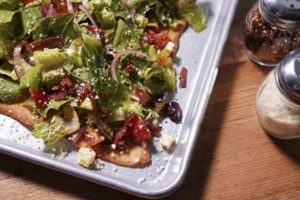
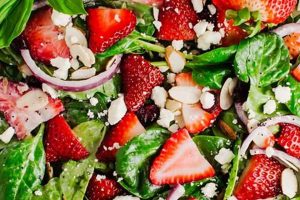
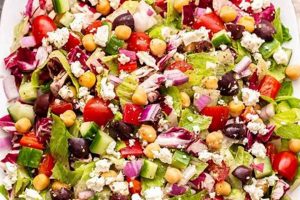
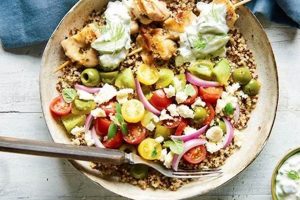
This vibrant salad typically features roasted beets, creamy avocado, crumbled goat cheese, and candied pecans, often served atop mixed greens with a citrus vinaigrette. Variations may include oranges, grapefruit, or other seasonal ingredients. The combination of earthy beets, rich avocado, tangy cheese, and crunchy pecans creates a complex and satisfying flavor profile.
The popularity of this salad stems from its balance of flavors and textures, as well as its nutritional value. Beets are rich in antioxidants and nitrates, while avocados provide healthy fats and fiber. The inclusion of fresh produce and lean protein makes it a relatively healthy dining option, even within a restaurant setting known for more indulgent fare. Recreating this dish at home allows for customization based on dietary preferences and ingredient availability.
The following sections will delve into the specific ingredients, preparation methods, and nutritional information associated with this popular salad, offering guidance for both home cooks and those interested in understanding its appeal.
Tips for Recreating the Salad
Achieving a restaurant-quality salad at home requires attention to detail and an understanding of key techniques. The following tips offer guidance for preparing a delicious and visually appealing beet and avocado salad.
Tip 1: Roasting Beets Optimally: Roasting beets enhances their natural sweetness and imparts a tender texture. Beets should be wrapped in foil with a touch of olive oil and roasted until easily pierced with a fork. This method concentrates their flavor and prevents them from drying out.
Tip 2: Selecting Ripe Avocados: Ripe avocados yield a creamy texture essential for this salad. Avocados should be slightly soft to the touch but not mushy. Properly ripened avocados offer the best flavor and prevent discoloration.
Tip 3: Balancing Flavors with Citrus: Citrus vinaigrette provides a bright, acidic counterpoint to the earthy beets and rich avocado. Freshly squeezed lemon or orange juice, combined with high-quality olive oil and a touch of honey or maple syrup, creates a well-balanced dressing.
Tip 4: Adding Textural Contrast: Candied pecans or walnuts offer a satisfying crunch and complement the other ingredients. Toasting nuts before candying intensifies their flavor. Alternative crunchy elements include toasted pepitas or sunflower seeds.
Tip 5: Choosing the Right Greens: Mixed greens, baby spinach, or arugula provide a base for the salad. The greens should be fresh and crisp. Avoid using overly bitter greens that may clash with the other flavors.
Tip 6: Proper Storage of Ingredients: Store prepared components separately to maintain optimal freshness. Roasted beets can be refrigerated for several days, while avocados should be stored airtight and consumed shortly after slicing. Keeping ingredients separate until assembly prevents premature browning and sogginess.
Tip 7: Presentation Matters: Arrange the salad components thoughtfully for visual appeal. Distribute the beets, avocado, cheese, and nuts evenly across the greens. A visually appealing presentation enhances the dining experience.
By following these tips, one can create a beet and avocado salad that rivals restaurant versions, enjoying a healthy and flavorful meal.
This detailed guidance prepares the reader for the recipe and demonstrates the potential for creating a truly exceptional salad.
1. Roasted Beets

Roasted beets serve as a foundational element in the Cheesecake Factory beet and avocado salad, contributing significantly to its flavor profile and nutritional value. Roasting transforms the beets, intensifying their natural sweetness and creating a tender texture that complements the other ingredients. Understanding the role of roasted beets in this salad enhances appreciation for its complexity.
- Flavor Enhancement:
Roasting concentrates the sugars within the beets, resulting in a deep, earthy sweetness. This contrasts beautifully with the other components, particularly the creamy avocado and tangy goat cheese. The caramelization that occurs during roasting adds another layer of flavor complexity.
- Textural Transformation:
The roasting process softens the beets, creating a tender, almost melt-in-your-mouth texture. This contrasts with the crunch of candied pecans and the crispness of the greens, adding to the overall sensory experience of the salad.
- Nutritional Benefits:
Beets are rich in antioxidants, nitrates, and other essential nutrients. Roasting preserves these nutrients while enhancing their bioavailability, contributing to the salad’s healthfulness.
- Visual Appeal:
The vibrant color of roasted beets adds a visually striking element to the salad. The deep red hues contrast beautifully with the greens and other ingredients, enhancing the overall presentation.
The careful preparation of roasted beets elevates this salad beyond a simple combination of ingredients. The interplay of flavor, texture, nutritional value, and visual appeal demonstrates the importance of this element within the overall composition of the Cheesecake Factory beet and avocado salad.
2. Ripe Avocado
Ripe avocados play a crucial role in the Cheesecake Factory beet and avocado salad recipe, contributing significantly to its creamy texture, rich flavor, and overall appeal. The selection and proper handling of avocados directly impact the final quality of the salad. Avocado ripeness affects not only taste and texture but also its visual presentation.
A perfectly ripe avocado offers a smooth, buttery texture that contrasts with the other ingredients. Underripe avocados have a firm, almost waxy texture and lack the characteristic richness. Overripe avocados, conversely, can become mushy and develop off-flavors. This textural contrast enhances the sensory experience of the salad. The richness of ripe avocado complements the earthy sweetness of the roasted beets and the tangy goat cheese. This balance of flavors is essential for the salad’s success. Furthermore, the vibrant green color of a ripe avocado enhances the salad’s visual presentation. Discoloration or browning from an overripe avocado detracts from the overall aesthetic.
Consider a scenario where an individual attempts to replicate the salad using an underripe avocado. The resulting salad will lack the desired creaminess and the overall balance of flavors will be compromised. Conversely, using an overripe avocado results in a mushy texture that detracts from the salads appeal. These examples demonstrate the practical significance of selecting perfectly ripe avocados. Understanding the importance of ripe avocados in this recipe allows for consistent recreation of the desired flavor and texture profile. Careful selection and handling contribute significantly to the overall dining experience.
3. Goat Cheese
Goat cheese provides a crucial tangy counterpoint within the Cheesecake Factory beet and avocado salad. Its distinct flavor profile and textural contribution elevate the salad beyond a simple combination of ingredients. The creamy, slightly acidic nature of goat cheese balances the sweetness of roasted beets and the richness of avocado. This balance prevents the salad from becoming overly sweet or heavy. Furthermore, the crumbly texture of goat cheese adds another dimension to the salad’s sensory experience, contrasting with the smooth avocado and tender beets. Substituting goat cheese with a milder cheese, such as feta, would result in a less dynamic flavor profile, demonstrating its essential role in the overall composition.
Consider a scenario where an individual omits goat cheese entirely. The resulting salad would lack the characteristic tang that balances the other flavors. The interplay of flavors would be significantly diminished, highlighting the importance of goat cheese as a key component. Another example lies in considering a substitution with a sharper cheese, such as blue cheese. While flavorful, this substitution would likely overpower the other subtle flavors in the salad, further emphasizing the importance of goat cheese’s specific flavor profile. These examples illustrate the practical significance of understanding the role of goat cheese in the salad.
Goat cheese’s tangy flavor profile and crumbly texture are essential for balancing the sweetness and richness of other ingredients. Careful consideration of this component ensures a successful replication of the Cheesecake Factory beet and avocado salad, demonstrating the practical application of this understanding within the culinary context. Its presence elevates the dish beyond a simple combination of components, highlighting the importance of ingredient selection in creating a complex and balanced salad.
4. Candied Pecans
Candied pecans contribute a crucial textural and flavor component to the Cheesecake Factory beet and avocado salad. Their sweetness and crunch provide a counterpoint to the other ingredients, elevating the salad beyond a simple combination of flavors and textures. The caramelization process concentrates the pecans’ natural sugars, creating a brittle, sweet, and nutty element. This contrasts with the creamy avocado, tender beets, and tangy goat cheese, adding complexity to each bite. Furthermore, the textural contrast introduced by the candied pecans enhances the overall sensory experience. The satisfying crunch offers a delightful juxtaposition to the softer elements of the salad. Substituting candied pecans with plain pecans would result in a less dynamic flavor and texture profile, diminishing the overall impact of the salad.
Consider a scenario where an individual omits the candied pecans entirely. The salad would lack a crucial textural element, resulting in a less satisfying sensory experience. The interplay of textures, a hallmark of the Cheesecake Factory’s version, would be lost. Alternatively, substituting a different nut, such as walnuts or almonds, while potentially flavorful, would not replicate the specific flavor profile and textural nuance provided by candied pecans. Even substituting roasted, unsalted pecans would not achieve the same level of sweetness and textural contrast. These examples illustrate the practical significance of including candied pecans in the salad.
The inclusion of candied pecans is integral to replicating the distinct flavor and textural profile of the Cheesecake Factory beet and avocado salad. Understanding the contribution of candied pecans allows for a more nuanced appreciation of the salad’s composition and facilitates more accurate recreations. This nuanced perspective highlights the importance of each ingredient in achieving the desired balance and complexity within a culinary creation.
5. Citrus Vinaigrette

Citrus vinaigrette plays a pivotal role in the Cheesecake Factory beet and avocado salad, providing a crucial acidic element that balances the richness of the avocado, the sweetness of the roasted beets, and the earthiness of the greens. This vinaigrette typically features freshly squeezed citrus juice, such as lemon or orange, combined with high-quality olive oil, and often a touch of sweetener like honey or maple syrup. The acidity of the citrus cuts through the richness of the other ingredients, preventing the salad from feeling heavy or overly sweet. This balance is essential for the overall success of the dish. The brightness of the citrus also enhances the other flavors, making them more pronounced and vibrant.
Consider a scenario where a heavier, cream-based dressing is used instead of the citrus vinaigrette. The salad would likely become overly rich and lose the refreshing quality that makes it so appealing. The interplay of flavors would be muddled, and the overall experience would be significantly different. Even substituting a different vinaigrette, such as a balsamic vinaigrette, while still offering acidity, would introduce different flavor notes that might not complement the other ingredients as harmoniously. This illustrates the specific importance of the citrus vinaigrette within the overall composition of the salad.
The citrus vinaigrette is not merely a dressing; it is an integral component that elevates the Cheesecake Factory beet and avocado salad. Its acidity balances the richness of the other ingredients, creating a harmonious flavor profile. Understanding the role of this vinaigrette allows for accurate replications of the salad and provides insight into the careful balance of flavors that characterizes this popular dish. This knowledge enables informed decisions about ingredient substitutions and emphasizes the practical application of culinary principles in achieving a balanced and flavorful outcome. The vinaigrette contributes significantly to the overall sensory experience, highlighting the importance of considering the interplay of flavors in culinary creations.
6. Mixed Greens

Mixed greens provide the foundation for the Cheesecake Factory beet and avocado salad, serving as more than just a base; they contribute to the overall flavor, texture, and nutritional value. Careful selection of greens complements the other ingredients, creating a balanced and enjoyable culinary experience. Understanding the role of mixed greens within this specific salad context provides insight into the importance of ingredient selection in achieving a harmonious dish.
- Flavor Profile:
Mixed greens typically include a variety of lettuces, such as red leaf, green leaf, romaine, and butter lettuce, each contributing subtle flavor nuances. This blend creates a balanced flavor profile that doesn’t overpower the other ingredients, allowing the sweetness of the beets, the richness of the avocado, and the tang of the goat cheese to shine. Using a single, strong-flavored green, such as arugula or radicchio, could potentially clash with the other components, highlighting the importance of a balanced mix.
- Textural Contrast:
The delicate, yet crisp, texture of mixed greens provides a textural counterpoint to the other ingredients. This contrast enhances the sensory experience of the salad, offering a variety of textures in each bite. The interplay between the crisp greens, the creamy avocado, the tender beets, and the crunchy candied pecans is a key characteristic of the salad’s appeal. Substituting a less texturally varied base, such as shredded iceberg lettuce, would diminish this dynamic.
- Nutritional Value:
Mixed greens contribute vitamins, minerals, and fiber to the salad, enhancing its nutritional profile. The variety of greens in the mix often ensures a broader spectrum of nutrients compared to using a single type of lettuce. This aligns with the overall health-conscious aspect of choosing a salad, even within a restaurant setting known for richer fare.
- Visual Presentation:
The varied colors and textures of mixed greens create a visually appealing base for the salad. The vibrant greens provide a backdrop that enhances the visual appeal of the other ingredients, making the salad more enticing. This visual element contributes significantly to the overall dining experience, emphasizing the importance of presentation in culinary creations.
The selection of mixed greens in the Cheesecake Factory beet and avocado salad is a deliberate choice that contributes significantly to the dish’s overall success. The delicate balance of flavors, the contrasting textures, the added nutritional value, and the enhanced visual presentation demonstrate the importance of considering all aspects of an ingredient when constructing a complex and well-balanced salad. This nuanced understanding highlights how seemingly simple components, like mixed greens, can play a crucial role in a dish’s overall impact.
7. Copycat Recipe

Copycat recipes represent attempts to replicate restaurant dishes in a home kitchen. Within the context of the Cheesecake Factory beet and avocado salad, a copycat recipe provides home cooks with the opportunity to recreate this popular dish, offering potential cost savings and dietary customization. Exploring the facets of a copycat recipe illuminates the motivations behind its creation and its practical implications.
- Ingredient Accessibility:
Copycat recipes often strive to utilize readily available ingredients. While the Cheesecake Factory salad may incorporate specialty ingredients, a copycat recipe might suggest suitable alternatives. This accessibility allows a wider audience to experience the dish, even without access to specific gourmet products. For example, a specific type of goat cheese might be replaced with a more commonly available variety.
- Technique Simplification:
Restaurant kitchens employ specialized equipment and techniques. Copycat recipes typically simplify these processes for home cooks. For instance, while the Cheesecake Factory might use a specific roasting method for the beets, a copycat recipe might provide instructions for a standard oven-roasting technique. This simplification broadens the recipe’s appeal to individuals with varying culinary skill levels.
- Flavor Adaptation:
Taste preferences vary, and copycat recipes often allow for flavor adjustments. While the Cheesecake Factory maintains a consistent flavor profile, a home cook using a copycat recipe can adjust the vinaigrette’s sweetness or tanginess, or even add spices to personalize the dish. This adaptability empowers individuals to cater the recipe to their specific palates.
- Dietary Modification:
Copycat recipes offer opportunities for dietary modification. For example, individuals with nut allergies can omit or substitute the candied pecans in a copycat version of the Cheesecake Factory salad. This flexibility allows individuals with dietary restrictions to enjoy a version of the dish tailored to their needs. This highlights the practical benefits of copycat recipes for individuals with specific dietary requirements.
The existence of copycat recipes for the Cheesecake Factory beet and avocado salad demonstrates the dish’s popularity and provides a pathway for broader accessibility. By adapting ingredients, simplifying techniques, and allowing for flavor and dietary modifications, copycat recipes empower individuals to recreate and personalize restaurant-quality dishes in their own kitchens. This exploration reveals the practical implications of copycat recipes within the culinary landscape, highlighting their value in bridging the gap between restaurant dining and home cooking.
Frequently Asked Questions
This section addresses common inquiries regarding the Cheesecake Factory beet and avocado salad, providing concise and informative responses.
Question 1: Can the candied pecans be substituted with another ingredient?
While candied pecans provide a specific flavor and texture profile, substitutions are possible. Walnuts, almonds, or pepitas offer alternative crunch and flavor. However, adjusting sweetness levels within the recipe may be necessary to maintain balance.
Question 2: What type of goat cheese is recommended?
Soft, crumbly goat cheese is typically preferred. While specific varieties can be explored, avoiding overly aged or intensely flavored goat cheese is recommended, as these may overpower the other delicate flavors within the salad.
Question 3: Is it possible to make the citrus vinaigrette ahead of time?
Yes, the vinaigrette can be prepared in advance and stored in an airtight container in the refrigerator. However, it is advisable to whisk the vinaigrette again before serving to ensure proper emulsification.
Question 4: How can the salad be adapted for individuals with nut allergies?
Omitting the nuts entirely or substituting with sunflower or pumpkin seeds provides a safe and flavorful alternative for those with nut allergies. Ensuring cross-contamination is avoided during preparation is crucial.
Question 5: What greens are best suited for this salad?
Mixed greens, baby spinach, or butter lettuce offer a delicate flavor and texture that complements the other ingredients. Avoiding overly bitter or strong-flavored greens, which might clash with the sweetness of the beets and the richness of the avocado, is recommended.
Question 6: How long can the assembled salad be stored?
It is advisable to consume the salad immediately after assembling to maintain optimal freshness and prevent the avocado from browning. Storing components separately and combining just before serving is recommended if advance preparation is necessary.
Understanding these common queries facilitates successful recreation of the salad and allows for informed customization based on individual preferences and dietary needs.
The next section will offer a detailed, step-by-step recipe guide for recreating the Cheesecake Factory beet and avocado salad at home.
Conclusion
Analysis of the Cheesecake Factory beet and avocado salad recipe reveals a carefully constructed composition. The interplay of flavors, textures, and colors contributes to the dish’s widespread popularity. From the earthy sweetness of roasted beets to the creamy richness of avocado, the tangy goat cheese, and the crunchy candied pecans, each ingredient plays a crucial role. The citrus vinaigrette provides a unifying element, balancing the flavors and adding brightness. Understanding the contribution of each component allows for successful replication and appreciation of the culinary principles at play.
Careful consideration of ingredient selection, preparation techniques, and flavor balancing empowers both culinary professionals and home cooks to create exceptional dining experiences. The continued exploration of such recipes contributes to a deeper understanding of culinary artistry and the potential for achieving restaurant-quality results in any setting. This exploration encourages further experimentation and appreciation for the complexities achievable within seemingly simple dishes.