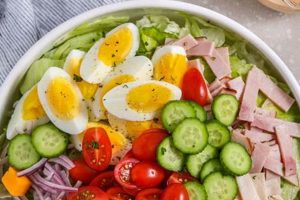
This dish combines the familiar flavors of tacos with the crunchy texture of Doritos chips. Typically, it involves seasoned ground meat (often beef), layered with traditional taco toppings like lettuce, tomatoes, cheese, onions, and salsa. A defining element is the incorporation of crushed Doritos, used in place of a traditional tortilla bowl or shell, adding a distinctive flavor and texture. Variations may include different types of meat (chicken, turkey, or vegetarian substitutes), beans, various cheeses, and a wide array of toppings and dressings.
The appeal lies in its ease of preparation, customizability, and satisfying combination of flavors and textures. It offers a convenient and fun meal option, suitable for casual gatherings, potlucks, or a quick family dinner. The dish reflects the broader trend of fusion cuisine and the adaptation of popular snack foods into meal components. It highlights the versatility of tacos and the continuing evolution of culinary trends.
Further exploration of this culinary concept will encompass specific ingredient choices, detailed preparation instructions, variations, and suggestions for serving and presentation.
Tips for an Exceptional Taco Salad with Doritos
Optimizing flavor and texture requires attention to key details. The following suggestions offer guidance for creating a superior culinary experience.
Tip 1: Dorito Selection is Key: Flavor profiles vary significantly among Doritos varieties. Nacho Cheese or Cool Ranch offer classic pairings, while spicier options like Flamin’ Hot can add a kick. Consider the overall flavor balance when selecting the chips.
Tip 2: Seasoning the Meat: Proper seasoning elevates the meat’s flavor. A blend of chili powder, cumin, garlic powder, and onion powder is recommended. Experiment with additional spices like paprika or oregano to customize the taste.
Tip 3: Freshness of Ingredients: Utilizing fresh produce enhances the overall quality. Crisp lettuce, ripe tomatoes, and freshly chopped onions contribute significantly to the salad’s appeal.
Tip 4: Layering for Optimal Texture: Careful layering prevents the Doritos from becoming soggy. Start with a base of crushed chips, followed by a layer of meat, then cheese. Top with lighter ingredients like lettuce and tomatoes just before serving.
Tip 5: Dressing Considerations: The choice of dressing influences the final flavor profile. Traditional options include salsa, sour cream, or guacamole. Consider a light vinaigrette for a lighter, tangier taste.
Tip 6: Chip Crushing Technique: Evenly crushed chips provide a consistent texture. Place the chips in a sealed bag and crush them gently with a rolling pin or the bottom of a pan. Avoid over-crushing, which can result in excessive crumbs.
Tip 7: Customization and Experimentation: Personal preferences should guide ingredient choices and toppings. Consider adding black beans, corn, jalapenos, or other favorite taco additions for a unique twist.
By following these tips, one can achieve a well-balanced and flavorful dish that showcases the delightful combination of textures and tastes.
These considerations provide a comprehensive foundation for crafting a memorable taco salad experience. The following section will offer concluding remarks and further inspiration.
1. Flavorful Seasoned Meat

Seasoned meat forms the foundational flavor base of a successful taco salad with Doritos, distinguishing it from a simple salad with chips. The meat’s quality and seasoning significantly impact the overall taste experience. This section explores the essential facets of achieving well-seasoned meat for this dish.
- Spice Blend Complexity:
A carefully balanced spice blend is crucial. A simple combination of chili powder, cumin, garlic powder, and onion powder provides a robust base. The ratio of these spices can be adjusted to achieve desired flavor profiles, ranging from mild to intensely savory. Additional spices, such as smoked paprika, oregano, or cayenne pepper, offer further complexity and depth.
- Meat Browning Technique:
Proper browning enhances the meat’s flavor through the Maillard reaction. This reaction, triggered by high heat, creates rich, savory compounds. Even browning ensures consistent flavor throughout and prevents a bland, boiled taste. Draining excess grease after browning is important to avoid a greasy final product.
- Meat Selection and Quality:
The type of ground meat influences the final outcome. Lean ground beef is a common choice, while ground turkey or chicken offer lighter alternatives. Higher quality meat, with a suitable fat content, contributes to a more flavorful and juicy end product. Considerations such as grass-fed or organic options can further elevate the flavor profile.
- Integration with Other Ingredients:
The seasoned meat’s flavor must harmonize with other components of the taco salad. The chosen Doritos flavor, toppings, and dressing should complement the meat’s seasoning, creating a balanced and cohesive flavor experience. For instance, a spicier meat seasoning might pair well with Cool Ranch Doritos, while a milder seasoning may be better suited to Nacho Cheese.
By understanding these facets, one can create flavorful seasoned meat that elevates the taco salad with Doritos from a simple combination of ingredients to a satisfying and well-balanced culinary creation. The interplay of these elements determines the final flavor profile and overall success of the dish.
2. Crisp, fresh vegetables
Crisp, fresh vegetables are essential for a successful taco salad with Doritos, providing crucial textural and flavor contrast to the other components. They contribute a refreshing element that balances the richness of the seasoned meat and the intense flavor of the Doritos. Beyond mere garnish, they play a vital role in the overall sensory experience. Without fresh vegetables, the salad risks becoming heavy and monotonous.
Consider the interplay of textures: the crunch of the Doritos, the savory meat, and the crisp snap of fresh lettuce, tomatoes, and onions. This contrast creates a dynamic eating experience. Flavor-wise, fresh vegetables introduce brightness and acidity, cutting through the richness of the other elements. Imagine a taco salad with wilted lettuce and mushy tomatoes; the overall enjoyment would be significantly diminished. Real-life examples include the refreshing bite of diced tomatoes against seasoned ground beef, the satisfying crunch of shredded iceberg lettuce complementing the Doritos, and the sharp tang of red onion adding depth to the flavor profile.
The practical significance of understanding the role of crisp, fresh vegetables lies in the ability to create a truly balanced and enjoyable taco salad. Selecting high-quality produce and properly preparing itwashing, chilling, and appropriately slicing or dicingdirectly impacts the final result. Incorporating a variety of vegetables not only enhances the nutritional value but also adds visual appeal and diverse flavors. This understanding allows for the creation of a dish that is not just a combination of ingredients, but a carefully constructed culinary experience. Neglecting this element compromises the overall quality and enjoyment of the taco salad.
3. Doritos chip selection

Doritos chip selection is integral to a successful taco salad recipe. The chosen flavor profile significantly influences the final dish, impacting the overall taste experience. Careful consideration of chip variety is essential for creating a harmonious balance of flavors and achieving the desired culinary outcome. This section explores the crucial aspects of Doritos chip selection within the context of taco salad preparation.
- Flavor Profile Harmony:
The Doritos flavor must complement the other ingredients. Nacho Cheese provides a classic, familiar base, while Cool Ranch offers a tangy contrast. Spicier options like Flamin’ Hot introduce heat, requiring careful balancing with other components. A mismatch, such as pairing a delicate dressing with intensely flavored chips, can detract from the overall experience. For example, Cool Ranch chips might pair well with a creamy cilantro-lime dressing, while Nacho Cheese could complement a classic salsa-based topping.
- Textural Considerations:
While flavor is paramount, texture also plays a role. The standard Doritos crunch provides a satisfying contrast to softer ingredients. However, some variations, like Doritos 3D’s, offer a different textural experience that might not be as suitable for a traditional taco salad. Crushing the chips creates smaller pieces, affecting the perceived texture and potentially leading to faster sogginess if not layered carefully.
- Ingredient Compatibility:
Certain Doritos flavors pair better with specific ingredients. For example, the robust flavor of Spicy Nacho might overwhelm delicate toppings like shredded lettuce or diced tomatoes, while a milder flavor like Lightly Salted could be overshadowed by a strongly seasoned meat filling. Cool Ranch, with its distinctive tang, might clash with certain cheeses or dressings, whereas Nacho Cheese tends to be more versatile.
- Visual Appeal:
While often overlooked, the color of the Doritos contributes to the salad’s visual appeal. The bright orange of Nacho Cheese provides a vibrant backdrop, while the cooler tones of Cool Ranch create a different aesthetic. Consideration of color alongside flavor creates a more complete sensory experience. A visually appealing salad enhances the dining experience.
Effective Doritos selection elevates the taco salad from a simple assembly of ingredients to a well-balanced, flavorful, and visually appealing dish. Understanding these facets allows for informed choices that maximize the interplay of flavors, textures, and visual presentation, contributing significantly to the overall culinary success of the taco salad.
4. Appropriate Layering Technique

Appropriate layering is crucial for maintaining the desired texture and structural integrity of a taco salad with Doritos. This technique prevents the Doritos chips from becoming soggy, ensuring a satisfying crunch throughout the meal. Improper layering can lead to a disappointing textural experience, where the chips lose their crispness and the salad becomes a mushy amalgamation of ingredients. This section will explore the key facets of proper layering in the context of this specific dish.
- Base Layer Stability:
The foundation of the layering process involves establishing a stable base layer that prevents the other ingredients from directly contacting the Doritos. This base typically consists of the seasoned meat mixture. The meat acts as a barrier, preventing moisture from the toppings from seeping into the chips. This is particularly important when using wetter toppings like tomatoes, salsa, or dressing.
- Strategic Cheese Placement:
Cheese plays a strategic role in the layering process. Placed above the meat, the cheese acts as an additional protective layer against moisture. Melted cheese can also help bind the ingredients together, improving the structural integrity of the salad. Common choices include shredded cheddar, Monterey Jack, or a blend of Mexican cheeses. The type of cheese also contributes to the overall flavor profile of the dish.
- Moisture-Sensitive Ingredient Placement:
Moisture-sensitive ingredients, such as lettuce, tomatoes, and onions, are placed above the cheese and meat layers. This placement minimizes their contact with the Doritos, preserving their crispness and preventing them from wilting prematurely. Adding these ingredients just before serving further mitigates the risk of sogginess.
- Dressing Application:
Dressing application requires careful consideration. Excessive dressing or uneven distribution can saturate the chips, compromising their texture. Dressing should be applied sparingly and evenly over the top layer of ingredients, or served on the side, allowing individuals to control the amount added to their individual servings. The type of dressing also influences the overall flavor profile and can interact with the Doritos flavor.
By adhering to these layering principles, one can maintain the desired textural contrast between the crunchy Doritos and the other ingredients, ensuring a satisfying and enjoyable dining experience. The careful orchestration of layers safeguards the integrity of the dish, preventing a soggy outcome and maximizing the interplay of flavors and textures. This attention to detail distinguishes a well-constructed taco salad with Doritos from a haphazard mixture of ingredients.
5. Complementary Dressing Choice

Dressing selection is a critical component of a successful taco salad with Doritos recipe. The chosen dressing significantly influences the final flavor profile and overall enjoyment of the dish. A complementary dressing enhances the existing flavors, creating a harmonious balance, while an incompatible dressing can clash and detract from the intended taste experience. This section explores the crucial facets of selecting a complementary dressing for this specific culinary context.
- Flavor Profile Congruence:
The dressing’s flavor profile must align with the other ingredients, particularly the chosen Doritos flavor and the seasoning of the meat. A creamy, mild ranch dressing might complement Cool Ranch Doritos and seasoned ground beef, while a tangy, spicy salsa could enhance Nacho Cheese Doritos and seasoned chicken or turkey. A mismatch, such as pairing a sweet vinaigrette with spicy Doritos, can create an unbalanced and unpleasant flavor combination.
- Textural Considerations:
Dressing texture contributes to the overall sensory experience. Creamy dressings offer a smooth contrast to the crunchy chips, while thinner, vinaigrette-style dressings provide a lighter touch. The dressing’s texture should complement, not compete with, the existing textures in the salad. A thick, heavy dressing could overwhelm the delicate crunch of the Doritos, while a watery dressing might make the salad soggy.
- Intensity and Balance:
The dressing’s intensity should be proportionate to the other flavors in the salad. A bold, assertive dressing can overpower more subtle flavors, while a bland dressing might fail to contribute meaningfully to the overall taste. The goal is to create a balanced flavor profile where each component complements the others without dominating the experience. A spicy dressing might overwhelm Cool Ranch Doritos, while a mild dressing might not stand up to the robust flavor of Flamin’ Hot Doritos.
- Acidity and Freshness:
The dressing’s acidity can provide a refreshing counterpoint to the richness of the meat and cheese. Dressings containing vinegar, lime juice, or other acidic ingredients can brighten the overall flavor profile and cut through the fattiness of the other components. This element of freshness enhances the dining experience, preventing the salad from feeling heavy or overly rich. For example, a cilantro-lime dressing can introduce brightness and a citrusy note that complements the savory flavors.
Careful dressing selection elevates the taco salad with Doritos from a simple combination of ingredients to a cohesive and flavorful dish. Understanding the interplay of flavors, textures, and intensities enables informed choices that enhance the overall dining experience. A complementary dressing harmonizes with the other components, creating a balanced and satisfying culinary creation. By considering these aspects, one can ensure the dressing contributes positively to the final product, maximizing enjoyment and delivering a truly successful taco salad experience.
6. Proper Chip Crushing Method

The method employed for crushing Doritos chips directly impacts the final texture and overall enjoyment of a taco salad. Proper crushing ensures a consistent texture, contributing to a balanced sensory experience. Over-crushing or uneven crushing can lead to excessive crumbs, a soggy salad, and an unpleasant mouthfeel. This section explores the facets of proper chip crushing within the context of taco salad preparation.
- Uniformity of Size:
Uniformly sized chip pieces are crucial for achieving a consistent texture throughout the salad. Variations in size create an uneven mouthfeel, with some bites overly crunchy and others lacking the desired texture. Uniformity also ensures even distribution of flavor and prevents pockets of excessively salty or intensely flavored crumbs.
- Crushing Technique:
The chosen crushing technique influences the final outcome. Placing chips in a sealed bag and gently crushing them with a rolling pin or the bottom of a pan allows for controlled crushing and prevents excessive force. Alternative methods, such as using a food processor, can lead to over-processing and an undesirable powdery consistency. Manual crushing offers greater control over the final particle size.
- Degree of Crushing:
The degree of crushing impacts both texture and structural integrity. Coarsely crushed chips provide substantial crunch and maintain their shape, contributing to a more satisfying textural experience. Finely crushed chips, while offering a different textural element, are more susceptible to absorbing moisture, potentially leading to a soggy salad. The desired degree of crushing depends on personal preference and the overall composition of the salad.
- Impact on Moisture Absorption:
The surface area of the crushed chips directly influences moisture absorption. Finely crushed chips, with their increased surface area, absorb moisture more readily than coarsely crushed chips. This can lead to sogginess, particularly when combined with wetter ingredients like tomatoes, salsa, or dressings. Careful consideration of chip size is essential for maintaining the desired crispness and preventing a soggy final product.
Proper chip crushing contributes significantly to the overall success of a taco salad with Doritos. Attention to uniformity, technique, and degree of crushing ensures a balanced texture, prevents sogginess, and maximizes the enjoyment of the dish. The interplay of these factors determines the final textural experience and ultimately influences the overall culinary success of the taco salad.
7. Creative Ingredient Customization

Ingredient customization is paramount in elevating the taco salad with Doritos recipe beyond a basic formula, allowing for personalized flavor profiles and catering to individual dietary preferences and creative culinary exploration. Customization transforms the dish from a simple combination of components into a versatile canvas for culinary expression. This adaptability significantly contributes to the enduring popularity and adaptability of the taco salad concept.
- Protein Variation:
While seasoned ground beef provides a traditional base, substituting alternative proteins allows for significant flavor and dietary adjustments. Grilled chicken or fish offer lighter options, while vegetarian alternatives, such as seasoned black beans or crumbled tofu, cater to plant-based diets. These variations impact not only the nutritional profile but also the overall taste experience. For example, grilled shrimp introduces a delicate seafood flavor, while seasoned tofu offers a savory, umami-rich alternative.
- Vegetable Expansion:
Expanding beyond the standard lettuce, tomato, and onion trifecta introduces complexity and nutritional value. Roasted corn, black beans, bell peppers, or shredded carrots add vibrant color, diverse textures, and distinct flavors. These additions elevate the salad beyond its basic form, creating a more substantial and nuanced culinary experience. For instance, roasted corn provides a smoky sweetness, while bell peppers introduce a crisp, vegetal note.
- Flavor Accentuation through Toppings:
Toppings offer opportunities to accentuate and refine flavor profiles. Sliced jalapeos introduce heat, while chopped cilantro adds a fresh, herbaceous element. A dollop of guacamole provides creaminess and richness, while a sprinkle of cotija cheese adds a salty, tangy dimension. These additions personalize the salad, allowing for precise flavor adjustments and catering to individual preferences.
- Doritos Flavor Integration:
The chosen Doritos flavor serves as a key element in the customization process. The boldness of Flamin’ Hot necessitates different complementary ingredients compared to the tang of Cool Ranch or the classic familiarity of Nacho Cheese. Ingredient choices should harmonize with the selected Doritos flavor, creating a cohesive and balanced taste experience. For example, a mango salsa might complement the heat of Flamin’ Hot, while a cool, creamy dressing might balance the richness of Nacho Cheese.
Creative ingredient customization empowers individuals to tailor the taco salad with Doritos recipe to their specific preferences, dietary needs, and culinary aspirations. This adaptability ensures the dish remains a versatile and engaging option for various occasions, from casual meals to more elaborate gatherings. The interplay of customized ingredients transforms the taco salad from a simple formula into a dynamic and personalized culinary creation.
Frequently Asked Questions
This section addresses common inquiries regarding the preparation and enjoyment of taco salad incorporating Doritos chips.
Question 1: How can sogginess in a taco salad with Doritos be prevented?
Sogginess can be mitigated through proper layering. Establishing a base layer of seasoned meat followed by cheese creates a barrier against moisture from toppings. Adding moisture-sensitive ingredients like lettuce and tomatoes just prior to serving further helps maintain crispness. Serving the dressing on the side allows individuals to control the amount added, minimizing the risk of oversaturation.
Question 2: What are suitable alternatives to ground beef?
Ground turkey or chicken offer leaner protein alternatives. For vegetarian options, seasoned black beans, lentils, or crumbled tofu provide flavorful substitutes. These alternatives offer diverse flavor profiles and cater to varying dietary preferences.
Question 3: Beyond lettuce and tomatoes, what other vegetables can enhance the salad?
Numerous vegetables complement this dish. Consider incorporating corn, black beans, bell peppers, shredded carrots, or diced red onion for added flavor, texture, and nutritional value. Roasted or grilled vegetables can further enhance the flavor profile.
Question 4: Which Doritos flavors are best suited for this recipe?
Nacho Cheese and Cool Ranch are popular choices, offering classic flavor profiles. Spicier options like Flamin’ Hot can add a kick but require careful balancing with other ingredients. Ultimately, the best flavor depends on individual preferences and the desired overall taste experience. Experimentation with different flavors is encouraged.
Question 5: Can the salad be prepared in advance?
While the components can be prepared separately in advance, assembling the salad just prior to serving is recommended to maintain optimal texture and prevent sogginess. Storing components separately and combining them just before consumption ensures the Doritos remain crunchy and the vegetables crisp.
Question 6: What are suitable dressing options beyond traditional ranch or salsa?
A cilantro-lime dressing offers a refreshing, tangy complement to the other flavors. A creamy avocado dressing provides richness, while a vinaigrette adds a lighter touch. The chosen dressing should harmonize with the Doritos flavor and other ingredients.
Understanding these frequently asked questions allows for informed decisions regarding ingredient selection, preparation methods, and flavor combinations, ultimately leading to a more successful and enjoyable taco salad experience.
The following section provides concluding remarks and further inspiration for culinary exploration within the realm of taco salad with Doritos.
Taco Salad with Doritos Recipe
This exploration has analyzed the multifaceted aspects of creating a successful taco salad with Doritos. Key elements highlighted include the importance of well-seasoned meat, the role of fresh, crisp vegetables, the strategic selection of Doritos flavors, proper layering techniques to maintain textural integrity, the selection of complementary dressings, appropriate chip crushing methods, and the potential for creative ingredient customization. Each component contributes significantly to the overall flavor profile, textural balance, and visual appeal of the final dish. Careful consideration of these factors ensures a satisfying and enjoyable culinary experience.
The taco salad with Doritos demonstrates the potential for innovative culinary combinations, transforming readily available ingredients into a customizable and satisfying meal. Further exploration and experimentation within this culinary framework offer opportunities for personalized flavor profiles and creative expression. The adaptability of this dish allows for continuous evolution and refinement, ensuring its enduring appeal and ongoing culinary relevance.