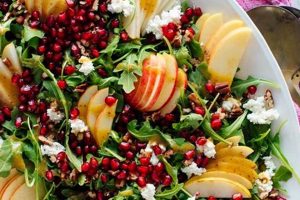
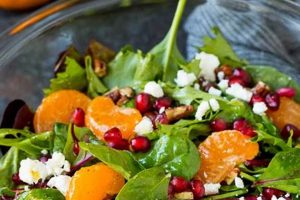
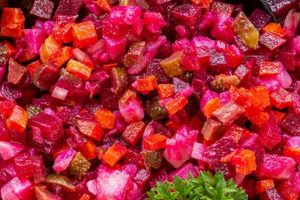
A dish composed of walnuts and other ingredients, typically including leafy greens, vegetables, fruits, cheese, and a dressing, offers a versatile culinary canvas. Variations range from light and refreshing combinations with citrus vinaigrettes to more substantial compositions featuring robust cheeses and creamy dressings. A simple example might include baby spinach, crumbled blue cheese, candied walnuts, sliced pears, and a balsamic vinaigrette.
Such culinary creations provide a balance of flavors and textures, incorporating the satisfying crunch of walnuts with the contrasting textures of other components. Walnuts themselves are a good source of healthy fats, protein, and antioxidants, contributing nutritional value. While precise origins are difficult to pinpoint, the combination of nuts and salads has a long history, with evidence suggesting similar dishes existed in ancient Roman cuisine. The modern iteration likely evolved alongside the increasing availability and variety of salad ingredients in recent centuries.
This exploration will delve into various aspects of crafting these dishes, including selecting appropriate walnut varieties, complementary ingredients, and dressings that enhance the overall flavor profile. Furthermore, the nutritional value and potential health benefits will be examined.
Tips for Crafting Exceptional Walnut Salads
Optimizing ingredient selection and preparation techniques elevates these dishes from simple to extraordinary. Attention to detail ensures a balanced flavor profile and maximizes the nutritional benefits.
Tip 1: Toast the Walnuts: Toasting walnuts enhances their inherent buttery flavor and adds a satisfying crunch. Spread them in a single layer on a baking sheet and toast in a preheated oven at 350F (175C) for 5-7 minutes, or until fragrant.
Tip 2: Variety in Greens: Explore beyond basic lettuce. Arugula offers a peppery bite, while spinach provides a mild flavor and substantial texture. Consider mixing greens for a complex flavor profile.
Tip 3: Complementary Cheeses: Strong cheeses like blue cheese or Gorgonzola pair well with the richness of walnuts. Feta or goat cheese offer a lighter, tangier counterpoint.
Tip 4: Fruitful Additions: Dried cranberries or cherries provide a sweet and tart contrast. Fresh fruits such as apples, pears, or grapes add sweetness and juiciness.
Tip 5: Balanced Dressings: Vinaigrettes with balsamic, apple cider, or citrus bases complement the walnuts without overpowering other flavors. Creamy dressings should be used sparingly to avoid masking the delicate flavors.
Tip 6: Proper Storage: Store dressed salads separately from the other ingredients to prevent the greens from wilting. Add the dressing just before serving to maintain optimal texture and flavor.
Tip 7: Consider Texture: Roasted vegetables, such as butternut squash or Brussels sprouts, add a hearty texture and depth of flavor. Croutons offer a contrasting crunch.
By following these suggestions, one can create a dish that is both flavorful and nutritionally sound, offering a delightful culinary experience.
These tips provide a foundation for culinary exploration, encouraging experimentation with diverse ingredients and flavor combinations to achieve personalized, delectable results.
1. Walnut Variety

Walnut variety represents a crucial consideration in crafting a successful walnut salad recipe. The chosen variety significantly influences the final dish’s flavor profile, texture, and overall culinary experience. Understanding the nuances of different walnut types allows for informed decisions that optimize the salad’s composition.
- English Walnuts (Juglans regia)
The most commonly available variety, English walnuts offer a mild, buttery flavor and a relatively smooth texture. Their delicate taste makes them versatile, pairing well with various ingredients and dressings. They are an excellent choice for salads featuring lighter flavors, such as those with fruits and milder cheeses.
- Black Walnuts (Juglans nigra)
Possessing a bold, earthy, and somewhat tannic flavor, black walnuts provide a distinct character. Their robust taste stands up well in salads with stronger flavors, such as blue cheese or roasted vegetables. They contribute a more assertive presence compared to English walnuts.
- California Walnuts (Juglans californica)
Native to California, these walnuts often exhibit a sweeter flavor profile than English walnuts. Their slightly softer texture lends itself well to salads that benefit from a less pronounced crunch. They complement ingredients like dried fruits and sweeter dressings.
- Butternut Walnuts (Juglans cinerea)
With a distinctive, buttery flavor, butternut walnuts offer a unique addition. Their rich taste, somewhere between English and black walnuts, adds complexity to salads. However, their availability can be more limited compared to other varieties.
Careful selection of walnut variety, based on its distinct characteristics and the desired flavor profile of the salad, contributes significantly to the overall culinary outcome. The interplay between the walnut’s inherent qualities and the other salad components ultimately determines the dish’s success. Experimentation with different varieties can lead to exciting discoveries and personalized culinary creations.
2. Complementary Ingredients

Complementary ingredients represent a critical aspect of a successful walnut salad recipe. These ingredients interact with the walnuts, creating a balanced and nuanced flavor profile while offering textural contrast. Consideration of ingredient pairings extends beyond mere taste to encompass nutritional value and overall sensory experience. A thoughtfully constructed salad achieves a harmonious blend of flavors, textures, and nutritional benefits.
Several categories of complementary ingredients commonly enhance walnut salad recipes. Fruits, such as apples, pears, grapes, or dried cranberries, introduce sweetness and tartness that balance the richness of the walnuts. Cheeses, ranging from sharp blue cheese to creamy goat cheese, provide contrasting textures and savory notes. Vegetables, including roasted butternut squash, crisp bell peppers, or earthy beets, contribute diverse flavors, textures, and nutritional value. Leafy greens form the foundation of most salads, with options like spinach, arugula, or romaine lettuce offering varying levels of bitterness and texture. Consider a salad combining toasted walnuts, crumbled blue cheese, sliced pears, and baby spinach. The sweetness of the pear complements the sharp cheese and earthy walnuts, while the spinach provides a mild backdrop and textural contrast.
Strategic selection of complementary ingredients elevates the walnut salad from a simple dish to a culinary experience. Understanding the interplay of flavors and textures enables the creation of a balanced and satisfying composition. The practical application of this knowledge results in a more enjoyable and nutritionally sound meal. Challenges may include balancing strong flavors, like those of black walnuts or blue cheese, with more delicate ingredients. However, thoughtful experimentation allows for personalized recipes that cater to individual preferences and dietary needs, ensuring a truly satisfying culinary outcome.
3. Dressing Selection

Dressing selection significantly impacts the overall flavor profile and balance of a walnut salad recipe. The dressing acts as a unifying element, bringing together diverse ingredients while adding its own distinct character. A well-chosen dressing complements the flavors of the walnuts and other components without overpowering them. Conversely, an inappropriate dressing can mask delicate flavors or create an unbalanced taste experience. Consider the interplay between a balsamic vinaigrette and a walnut salad featuring gorgonzola cheese, candied walnuts, and apples. The vinaigrette’s tangy acidity cuts through the richness of the cheese and complements the sweetness of the apples and candied walnuts. In contrast, a heavy, creamy dressing might overwhelm these nuanced flavors.
Several factors influence dressing selection. The type of walnuts used plays a role; a robust black walnut salad might benefit from a bolder dressing, while a salad with English walnuts might pair well with a lighter vinaigrette. Other ingredients, such as fruits, cheeses, and vegetables, also inform the choice of dressing. A salad with sweet fruits requires a dressing with acidity to balance the sweetness, while a salad with strong cheeses might pair well with a vinaigrette or a lighter, herby dressing. The desired overall flavor profile is a key consideration. A light and refreshing salad calls for a different dressing than a heartier, more robust composition. Practical considerations include the time of year and the occasion. A lighter vinaigrette might be preferred in warmer months, while a richer dressing could be suitable for a special occasion. Exploring different flavor combinations enhances culinary creativity. For instance, a honey-mustard dressing could complement a salad with roasted vegetables and walnuts, while a citrus vinaigrette might enhance a salad with fruit and feta cheese.
Appropriate dressing selection elevates the walnut salad from a simple combination of ingredients to a well-balanced, flavorful dish. Understanding the interplay between the dressing and other components is crucial for achieving a harmonious result. The challenge lies in finding the right balance between complementing the existing flavors and adding a distinct character without overpowering the other ingredients. This requires careful consideration of the walnut variety, complementary ingredients, and desired overall flavor profile. Ultimately, successful dressing selection hinges on achieving a cohesive and enjoyable culinary experience.
4. Preparation Techniques

Preparation techniques significantly influence the final quality and enjoyment of a walnut salad recipe. These techniques encompass a range of processes, from ingredient selection and handling to specific methods employed during assembly. The impact of preparation extends to flavor, texture, presentation, and even nutritional value. For example, toasting walnuts enhances their inherent buttery flavor and adds a desirable crunch, while improper washing and storage of leafy greens can lead to wilting and a less appealing texture. The careful application of appropriate techniques ensures a balanced and satisfying culinary experience.
Several key preparation techniques are crucial for walnut salad recipes. Proper walnut handling involves selecting high-quality walnuts and, if desired, toasting them to enhance flavor and texture. Toasting requires careful monitoring to prevent burning, typically achieved by spreading the walnuts in a single layer on a baking sheet and baking in a preheated oven at 350F (175C) for 5-7 minutes, or until fragrant. Ingredient preparation extends to washing and drying leafy greens thoroughly to prevent wilting and ensuring other components, such as fruits and vegetables, are appropriately cleaned and cut. Dressing preparation, whether a simple vinaigrette or a more complex emulsion, requires careful attention to ingredient ratios and emulsification techniques for optimal flavor and texture. The final salad assembly involves combining the prepared ingredients in a balanced and aesthetically pleasing manner. Consider a salad combining toasted walnuts, crumbled goat cheese, and sliced pears with a light vinaigrette. The toasting of the walnuts intensifies their flavor, while the proper handling of the pears prevents browning, ensuring a visually appealing and flavorful salad.
Mastery of preparation techniques contributes significantly to a successful outcome. Challenges include avoiding over-toasting of walnuts, which can result in a bitter flavor, and preventing delicate ingredients, such as fruits, from becoming bruised or overripe. Overdressing can also mask the delicate flavors of other components. Understanding these nuances allows for informed decisions during preparation, optimizing the overall culinary result. Applying these techniques consistently ensures a well-balanced, flavorful, and visually appealing walnut salad that maximizes enjoyment and nutritional value. This translates to a superior culinary experience that elevates the simple act of preparing and consuming a salad to an art form.
5. Nutritional Balance

Nutritional balance represents a crucial aspect of a well-crafted walnut salad recipe. Beyond flavor and texture, a thoughtfully constructed salad provides essential nutrients contributing to overall health and well-being. Understanding the nutritional contributions of individual ingredients, including walnuts and complementary components, allows for informed decisions that maximize the health benefits of this culinary creation. Achieving nutritional balance ensures the salad provides not only a satisfying culinary experience but also a valuable contribution to a healthy diet.
- Macronutrient Composition
Walnuts offer a rich source of healthy fats, particularly polyunsaturated and monounsaturated fats, which are beneficial for cardiovascular health. They also contribute protein and fiber, promoting satiety and digestive health. Balancing these macronutrients with those from other salad components, such as carbohydrates from fruits and vegetables, creates a nutritionally complete meal. For example, a salad combining walnuts with grilled chicken or fish further enhances the protein content, while the addition of quinoa or other whole grains contributes complex carbohydrates and additional fiber.
- Micronutrient Density
Walnuts are a good source of essential micronutrients, including magnesium, phosphorus, and vitamin E. These micronutrients play vital roles in various bodily functions, from energy production to antioxidant defense. Combining walnuts with a variety of colorful fruits and vegetables further enhances the micronutrient profile of the salad. Dark leafy greens contribute vitamins A and K, while bell peppers offer vitamin C. The diverse array of micronutrients in a well-balanced salad supports overall health and well-being.
- Impact of Dressing
Dressing choice can significantly impact the nutritional profile of a walnut salad. While some dressings contribute healthy fats, others may be high in saturated or unhealthy fats, added sugars, and sodium. Opting for a vinaigrette made with healthy oils, such as olive oil or avocado oil, and minimizing added sugars and sodium helps maintain the nutritional balance of the salad. For instance, a simple lemon-herb vinaigrette provides flavor without adding excessive calories or unhealthy fats.
- Portion Control
Even the most nutritionally balanced salad can contribute to excess calorie intake if portion sizes are not managed. Being mindful of portion sizes, especially when incorporating calorie-dense ingredients like cheese or certain dressings, helps maintain a healthy balance. Combining a nutrient-rich walnut salad with a lean protein source and a controlled portion of healthy carbohydrates, such as whole grains, creates a balanced and satisfying meal that supports healthy weight management.
A nutritionally balanced walnut salad recipe provides a delicious and healthful meal option. By considering the macronutrient and micronutrient contributions of each ingredient, selecting a healthy dressing, and practicing portion control, individuals can maximize the health benefits of this versatile dish. Careful attention to nutritional balance ensures that the walnut salad not only satisfies the palate but also contributes to overall well-being, making it a valuable addition to a healthy and balanced diet.
6. Presentation
Presentation plays a crucial role in the overall enjoyment of a walnut salad recipe. While flavor and nutritional value remain paramount, visual appeal significantly enhances the dining experience. A thoughtfully presented salad elevates the dish from a simple meal to a culinary creation that engages multiple senses. Careful consideration of arrangement, color, and texture transforms the salad into an aesthetically pleasing composition, stimulating appetite and enhancing enjoyment.
- Plating Techniques
Plating techniques significantly influence the visual impact of a walnut salad. Rather than simply tossing ingredients together, strategic placement of components creates a more appealing presentation. Consider arranging elements, such as walnut halves, cheese crumbles, and fruit slices, in a visually balanced manner. Utilizing white space on the plate allows each element to stand out, preventing a cluttered appearance. For example, a salad featuring a bed of vibrant greens topped with artfully arranged walnut halves, crumbled goat cheese, and segmented orange slices presents a more engaging visual experience than a haphazardly tossed salad.
- Color Palette
Color plays a vital role in food presentation. A walnut salad benefits from a diverse color palette, incorporating the natural hues of various ingredients. The rich browns of walnuts contrast beautifully with the vibrant greens of leafy vegetables, the bright reds of berries, or the deep oranges of carrots. Incorporating a variety of colors enhances visual appeal and stimulates appetite. A salad featuring a mix of dark leafy greens, roasted red peppers, crumbled feta cheese, and toasted walnuts offers a more visually appealing presentation than a monochromatic salad composed solely of lettuce and walnuts.
- Texture and Height
Texture and height add another dimension to salad presentation. A combination of textures, from the crunch of walnuts to the smoothness of cheese and the crispness of greens, creates a more engaging sensory experience. Adding height to the salad, by strategically piling ingredients or using taller components, adds visual interest. A salad composed of a base of mixed greens, topped with a mound of crumbled blue cheese, candied walnuts, and a sprinkle of pomegranate seeds, offers a greater textural and visual appeal compared to a flat, one-dimensional salad.
- Garnishes and Finishing Touches
Garnishes and finishing touches provide the final flourish to a walnut salad presentation. A sprinkle of fresh herbs, a drizzle of balsamic glaze, or a dusting of grated cheese elevates the visual appeal and adds a subtle flavor enhancement. These finishing touches demonstrate attention to detail and enhance the overall dining experience. For example, a walnut salad garnished with chopped fresh chives and a light drizzle of honey-mustard vinaigrette presents a more refined and appealing appearance than an ungarnished salad.
Thoughtful presentation enhances the enjoyment of a walnut salad by engaging multiple senses. By considering plating techniques, color palette, texture, and the strategic use of garnishes, one elevates the dish from a simple meal to a visually appealing and engaging culinary experience. The combination of these elements transforms the walnut salad into a feast for the eyes as well as the palate, maximizing enjoyment and appreciation.
Frequently Asked Questions
This section addresses common inquiries regarding walnut salad recipes, offering practical guidance and clarifying potential uncertainties.
Question 1: How can one prevent walnuts from becoming soggy in a salad?
Soggy walnuts detract from the desired texture. Adding them just before serving prevents prolonged contact with the dressing and other moist ingredients, preserving their desirable crunch. Alternatively, toasting the walnuts creates a barrier that helps resist moisture absorption.
Question 2: What are suitable alternatives to leafy greens in a walnut salad?
Leafy greens provide a foundation, but alternatives exist. Consider using shredded cabbage, Brussels sprouts, or broccoli slaw for a different texture and flavor profile. These options offer nutritional value and contribute textural diversity.
Question 3: Can one prepare walnut salad in advance?
Advance preparation is possible, but certain precautions should be taken. Storing the dressing separately and adding it just before serving prevents the salad from becoming wilted or soggy. Combining dry ingredients in advance streamlines the process, allowing for quick assembly before serving.
Question 4: How can one balance the strong flavor of black walnuts in a salad?
Black walnuts possess a robust, earthy flavor. Balancing this intensity requires careful ingredient pairing. Milder cheeses, sweet fruits, or roasted vegetables can temper the strong flavor of black walnuts, creating a more harmonious flavor profile.
Question 5: What are healthy dressing options for a walnut salad?
Health-conscious dressing options include vinaigrettes made with extra virgin olive oil, avocado oil, or flaxseed oil. Lemon juice, apple cider vinegar, or balsamic vinegar provide acidity. Minimizing added sugars and sodium enhances nutritional value. Fresh herbs and spices add flavor without compromising health benefits.
Question 6: How can one adapt a walnut salad recipe to accommodate dietary restrictions?
Dietary adaptations require careful ingredient selection. Vegan options might substitute the cheese with nutritional yeast or avocado. Gluten-free versions require ensuring all ingredients, including dressings and croutons, are gluten-free. Ingredient substitutions allow customization while maintaining the core elements of the salad.
Understanding these frequently asked questions facilitates informed decision-making during recipe selection and preparation. These insights empower individuals to craft delicious and satisfying walnut salads tailored to individual preferences and dietary needs.
The following section explores a variety of walnut salad recipes, offering practical examples of these principles in action.
Conclusion
Exploration of the multifaceted nature of walnut salad recipes reveals a culinary landscape rich in possibilities. From the selection of walnut varieties and complementary ingredients to the nuances of dressing selection and preparation techniques, each element contributes to the final product. Nutritional balance and presentation further enhance the experience, elevating the dish from a simple combination of ingredients to a carefully crafted culinary creation. Understanding these elements empowers individuals to create salads that satisfy both the palate and nutritional requirements. The versatility of walnut salad recipes allows for endless customization, accommodating a wide range of flavor preferences and dietary needs.
Walnut salad recipes offer a canvas for culinary expression. The potential for innovation within this seemingly simple dish remains vast, encouraging continued exploration and experimentation. The inherent adaptability of these recipes ensures their enduring relevance in a constantly evolving culinary landscape. By embracing the principles outlined herein, individuals can unlock the full potential of the walnut salad, transforming it from a staple dish into a culinary masterpiece.