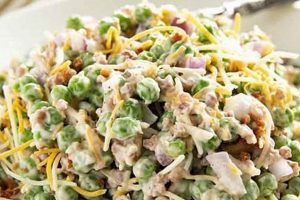
A dish featuring shredded Brussels sprouts as the primary ingredient, often combined with complementary components such as dried fruits, nuts, cheeses, and flavorful dressings, exemplifies this culinary creation. Variations can include roasted sprouts, shaved sprouts, or a combination of preparation methods to achieve textural diversity. Bacon, cranberries, pecans, and Parmesan cheese represent popular additions.
This preparation offers a palatable way to enjoy this nutritious vegetable, often perceived as having a strong or bitter flavor. Combining Brussels sprouts with other ingredients mitigates this perception while contributing valuable vitamins, minerals, and fiber to the diet. Historically, Brussels sprouts have been cultivated in Belgium for centuries, hence the association with the capital city, Brussels. The evolution of sprout salads reflects modern culinary trends emphasizing fresh, seasonal ingredients and balanced flavors.
Further exploration will delve into specific ingredient combinations, preparation techniques, and nutritional information related to this versatile dish, offering a comprehensive understanding of its culinary possibilities.
Tips for Preparing a Delicious Brussels Sprout Salad
Achieving optimal flavor and texture requires attention to detail throughout the preparation process. The following tips provide guidance for creating a satisfying culinary experience.
Tip 1: Selecting Quality Ingredients: Opt for firm, compact sprouts with vibrant green leaves. Avoid sprouts with yellowing or wilted leaves. Freshness significantly impacts the final dish.
Tip 2: Proper Preparation: Trim the ends and remove any discolored outer leaves. Thinly slice or shred the sprouts for optimal texture and flavor integration with other ingredients.
Tip 3: Enhancing Flavor through Roasting: Roasting Brussels sprouts before incorporating them into the salad adds depth and complexity. Toss with olive oil, salt, and pepper before roasting at a high temperature until tender and slightly caramelized.
Tip 4: Balancing Flavors: Consider the interplay of sweet, savory, and acidic elements. Dried fruits, nuts, cheeses, and dressings should complement the natural flavors of the sprouts.
Tip 5: Dressing Selection: A well-chosen dressing enhances the overall composition. Vinaigrettes, creamy dressings, or even a simple lemon-tahini dressing can elevate the flavor profile. Avoid overpowering dressings that mask the delicate flavors of the other ingredients.
Tip 6: Achieving Textural Variety: Incorporate a variety of textures. Toasted nuts, crunchy croutons, or seeds add a satisfying contrast to the sprouts.
Tip 7: Seasonality and Ingredient Adaptation: Utilize seasonal ingredients to maximize flavor and freshness. Adapt recipes to accommodate available produce.
By following these guidelines, one can create a flavorful and visually appealing culinary creation that showcases the versatility of this nutritious vegetable.
These preparatory considerations contribute to a final product that balances flavor, texture, and nutritional value. The subsequent conclusion summarizes the key advantages of incorporating this dish into one’s culinary repertoire.
1. Fresh Brussels Sprouts

Fresh Brussels sprouts serve as the foundational ingredient, their quality directly impacting the overall success of the salad. An understanding of their characteristics and proper handling is crucial for achieving optimal flavor and texture.
- Selection and Quality:
Choosing firm, compact sprouts with vibrant green leaves is paramount. Avoid those with yellowing, wilted, or blemished leaves, as these indicate age or improper handling, potentially leading to a bitter taste. The freshest sprouts offer the best flavor and texture for the salad.
- Preparation Techniques:
Proper preparation enhances both flavor and texture. Trimming the ends and removing any damaged outer leaves is essential. Thinly slicing or shredding the sprouts creates a desirable texture and allows for even distribution of the dressing and other ingredients. Alternatively, halving or quartering larger sprouts suits roasting or grilling.
- Flavor Profile:
Fresh Brussels sprouts possess a characteristic slightly bitter and earthy flavor that, while distinctive, can be balanced and enhanced through appropriate pairings. Their inherent flavor interacts with other salad components, necessitating careful consideration of complementary ingredients.
- Nutritional Value:
Beyond their culinary contribution, fresh Brussels sprouts provide significant nutritional value. They are a rich source of vitamins, minerals, and fiber, further enhancing the health benefits of the salad. Their inclusion contributes to a dish that is both flavorful and nutrient-dense.
The selection, preparation, inherent flavor profile, and nutritional value of fresh Brussels sprouts contribute significantly to the final quality and appeal of the salad. Careful consideration of these factors ensures a flavorful, visually appealing, and nutritious dish.
2. Complementary Ingredients

Complementary ingredients play a crucial role in a Brussels sprout salad recipe, transforming it from a simple dish into a complex and flavorful culinary experience. These additions serve several key functions: balancing the inherent bitterness of Brussels sprouts, introducing textural contrasts, and adding depth of flavor. The selection of complementary ingredients directly impacts the overall taste and appeal of the final dish. For instance, sweet and acidic elements, such as dried cranberries or a citrus vinaigrette, counteract the bitterness, while toasted nuts or crispy bacon provide textural variation. The interplay of these diverse ingredients creates a symphony of flavors and textures, elevating the salad beyond its basic components.
Several classic pairings exemplify the power of complementary ingredients. Combining shaved Brussels sprouts with roasted butternut squash, toasted pecans, and a maple-balsamic vinaigrette creates a balanced and flavorful autumnal salad. The sweetness of the squash and maple syrup offsets the slight bitterness of the sprouts, while the pecans offer a satisfying crunch. Similarly, a combination of shredded Brussels sprouts, crumbled bacon, dried cranberries, and a creamy Parmesan dressing offers a contrasting flavor profile. The salty bacon complements the sprouts, the cranberries provide a tart counterpoint, and the creamy dressing binds the ingredients together harmoniously. These examples demonstrate the versatility of Brussels sprout salads and the importance of thoughtful ingredient selection.
Understanding the role of complementary ingredients in Brussels sprout salad recipes allows for greater culinary creativity and control over the final product. Strategic selection ensures a balance of flavors and textures, resulting in a more satisfying and enjoyable dining experience. Challenges may arise in finding the right balance, as overpowering flavors can mask the delicate taste of the sprouts. Careful experimentation and consideration of flavor profiles are essential for achieving optimal results. Ultimately, the successful integration of complementary ingredients elevates the Brussels sprout salad from a simple side dish to a culinary centerpiece.
3. Balanced Flavors

Balanced flavors are essential to a successful Brussels sprout salad recipe, mitigating the sometimes-perceived strong taste of the vegetable while creating a more complex and enjoyable culinary experience. Careful consideration of flavor profiles and their interactions is crucial in recipe development.
- Counteracting Bitterness:
Brussels sprouts possess a characteristic bitterness that, while appreciated by some, can be overpowering if not addressed. Incorporating sweet or acidic elements effectively counteracts this bitterness. Examples include dried fruits like cranberries or golden raisins, sweet roasted vegetables like butternut squash, or a vinaigrette with citrus or balsamic vinegar. The sweetness or acidity provides a counterpoint, creating a more balanced flavor profile.
- Incorporating Savory Notes:
Savory elements add depth and complexity to the salad, preventing it from becoming overly sweet or one-dimensional. Ingredients such as bacon, pancetta, toasted nuts, or aged cheeses provide umami and salty notes that complement the other flavors. For example, crispy bacon adds a smoky saltiness that pairs well with the sweetness of dried cranberries and the slight bitterness of the sprouts. The savory notes ground the sweetness and bitterness, creating a more harmonious flavor profile.
- Adding Acidity and Brightness:
Acidity contributes brightness and freshness, cutting through richness and preventing the salad from feeling heavy. Citrus fruits, such as lemon or orange, or vinegars, such as apple cider or red wine vinegar, provide the necessary acidity. A squeeze of lemon juice brightens the flavors and adds a refreshing tang, while a balsamic vinaigrette adds a subtle sweetness and depth. This brightness enhances the overall flavor profile and makes the salad more palatable.
- Textural Considerations:
While not strictly a flavor element, texture plays a significant role in the perceived balance of a salad. Crunchy elements, such as toasted nuts, seeds, or croutons, provide contrast to the softer texture of the Brussels sprouts. This textural variation adds interest and prevents the salad from becoming monotonous. The interplay of textures enhances the overall dining experience and contributes to a sense of balance.
The careful interplay of these elementscounteracting bitterness, incorporating savory notes, introducing acidity, and considering textural contrastscreates a balanced and harmonious Brussels sprout salad. A well-balanced salad offers a more nuanced and enjoyable culinary experience, highlighting the versatility of this nutritious vegetable.
4. Textural Variety

Textural variety elevates a Brussels sprout salad from simply palatable to genuinely enjoyable. It introduces an interplay of sensations that engage the palate beyond basic taste, transforming the eating experience. A well-executed Brussels sprout salad balances the inherent texture of the sprouts with contrasting elements for a more satisfying result.
- The Foundation: Brussels Sprouts
The preparation method of the Brussels sprouts themselves lays the textural groundwork. Shredded sprouts offer a fine, delicate texture, while thinly sliced sprouts provide a slightly more substantial bite. Halved or quartered sprouts, particularly when roasted, introduce a tender interior and slightly crisp exterior. This foundational texture influences how other elements interact within the salad.
- Crunchy Counterpoints: Nuts and Seeds
Toasted nuts and seeds, such as pecans, walnuts, almonds, or sunflower seeds, provide a satisfying crunch that contrasts beautifully with the texture of the sprouts. Their inclusion adds a layer of complexity, preventing the salad from becoming texturally monotonous. The variety of nut and seed choices allows for customization based on flavor preferences and desired level of crunch.
- Crispy Elements: Bacon or Croutons
Crispy elements, such as bacon or croutons, introduce another dimension of texture. The salty, smoky crunch of bacon complements the earthy sprouts, while croutons provide a lighter, airy crispness. These elements add another layer of interest and enhance the overall sensory experience.
- Other Textural Considerations: Dried Fruit and Cheese
Ingredients like dried cranberries, apricots, or raisins offer a chewy texture that contrasts with the other elements. Crumbled cheeses, such as feta, goat cheese, or blue cheese, contribute creamy or crumbly textures, further diversifying the salad’s mouthfeel. These additions create a multi-faceted textural profile.
The strategic combination of these textural elementsthe foundation of the Brussels sprouts, crunchy nuts and seeds, crispy additions, and chewy or creamy componentselevates the Brussels sprout salad. This interplay of textures creates a dynamic and engaging culinary experience that enhances enjoyment and appreciation of the dish.
5. Appropriate Dressing

The dressing serves as a unifying element in a Brussels sprout salad recipe, binding the diverse ingredients and influencing the overall flavor profile. Selecting an appropriate dressing is crucial, as it can either enhance or detract from the delicate balance of flavors and textures. An unsuitable dressing can mask the nuanced flavors of the sprouts and other components, while a well-chosen dressing elevates the dish, creating a harmonious and satisfying culinary experience.
- Balancing Flavor Profiles
The dressing should complement the existing flavors of the salad, not overpower them. A light vinaigrette with a touch of sweetness or acidity often works well, balancing the earthy notes of the sprouts and complementing other ingredients like dried fruit or nuts. For instance, a lemon-tahini dressing provides brightness and creaminess without masking the other flavors, while a maple-balsamic vinaigrette adds a touch of sweetness and depth. Heavier, cream-based dressings can sometimes overwhelm the delicate flavors of the sprouts and other components, so lighter options are generally preferred.
- Acidity and Brightness
A touch of acidity in the dressing brightens the overall flavor profile and cuts through any richness from ingredients like cheese or nuts. Vinegar-based dressings, such as apple cider, red wine, or balsamic vinegar, provide the necessary acidity. Citrus-based dressings, like lemon or orange vinaigrette, offer a similar effect with a brighter, more citrusy note. This acidity enhances the other flavors without dominating the palate.
- Texture and Consistency
The texture and consistency of the dressing should also be considered. A thinner vinaigrette coats the sprouts and other ingredients evenly, allowing their individual flavors to shine through. A thicker dressing, such as a creamy dressing made with yogurt or mayonnaise, can provide a different textural element but should be used judiciously to avoid overpowering the salad. The consistency should complement the overall textural profile of the salad, not compete with it.
- Considering Complementary Ingredients
The dressing should complement the other ingredients in the salad, creating a cohesive flavor profile. For example, if the salad contains dried cranberries and toasted pecans, a maple-balsamic vinaigrette would complement the sweetness of the cranberries and the nutty flavor of the pecans. If the salad contains bacon and blue cheese, a lighter vinaigrette with a touch of Dijon mustard might be a better choice. Aligning the dressing with the other ingredients enhances the overall harmony of the dish.
The appropriate dressing elevates the Brussels sprout salad, transforming it from a simple combination of ingredients into a cohesive and flavorful dish. Careful consideration of flavor profiles, acidity, texture, and complementary ingredients ensures a dressing that enhances, rather than masks, the nuanced flavors of the salad components. A well-chosen dressing completes the dish, creating a satisfying and enjoyable culinary experience.
6. Proper Preparation Techniques
Proper preparation techniques are integral to a successful Brussels sprout salad recipe, significantly influencing the final dish’s flavor, texture, and overall appeal. These techniques extend beyond simply cleaning and chopping; they encompass methods that optimize the sprouts’ characteristics, mitigating potential bitterness while enhancing desirable attributes. The impact of proper preparation is evident in the final product, impacting both the sensory experience and nutritional value.
Consider the effect of different cutting techniques. Thinly shaving Brussels sprouts creates a delicate texture that readily absorbs dressings and allows flavors to meld. This method also minimizes bitterness by reducing the surface area exposed to heat during cooking. Conversely, roasting halved or quartered Brussels sprouts yields a tender interior and caramelized exterior, adding depth and complexity. This technique intensifies sweetness, counteracting bitterness while contributing a desirable textural contrast within the salad. Further emphasizing the importance of proper preparation is the blanching process. Briefly submerging sprouts in boiling water deactivates enzymes responsible for bitterness, preserving vibrant color and preventing overcooking. This step, while seemingly minor, demonstrably improves the overall flavor profile.
Mastery of proper preparation techniques unlocks the full potential of Brussels sprouts within a salad context. It transforms a potentially challenging ingredient into a versatile and flavorful component, demonstrating the significant impact technique has on culinary outcomes. Challenges can arise if preparation is rushed or executed without attention to detail. Overcooking, for example, can result in mushy texture and intensified bitterness, while inconsistent cutting can lead to uneven cooking and flavor distribution. Careful attention to each stage of preparation ensures a balanced and enjoyable salad, highlighting the importance of technique in culinary endeavors.
Frequently Asked Questions
This section addresses common inquiries regarding the preparation and enjoyment of Brussels sprout salads, offering practical guidance for achieving optimal results.
Question 1: How can the inherent bitterness of Brussels sprouts be mitigated in a salad?
Several strategies effectively reduce bitterness. Roasting caramelizes the sprouts, developing sweetness. Balancing flavors with acidic ingredients like lemon juice or vinegar also helps. Incorporating sweet components such as dried cranberries or maple syrup provides a counterpoint.
Question 2: What are optimal sprout preparation methods for salads?
Thinly shaving or shredding creates a delicate texture ideal for raw salads. Halving or quartering, followed by roasting, yields tender interiors and crispy exteriors, adding depth and complexity.
Question 3: Which dressings complement sprout salads most effectively?
Light, flavorful vinaigrettes often enhance sprout salads without overpowering their delicate flavors. Lemon-tahini, maple-balsamic, and apple cider vinaigrette are excellent choices. Avoid heavy, creamy dressings, which can mask subtle flavors.
Question 4: What complementary ingredients pair well with Brussels sprouts?
Nuts, seeds, dried fruits, and cheeses create textural and flavor complexity. Toasted pecans, walnuts, dried cranberries, crumbled goat cheese, and bacon are popular additions.
Question 5: How should a sprout salad be stored, and what is its typical shelf life?
Storing the salad in an airtight container in the refrigerator preserves freshness. Consume ideally within two to three days. Dress the salad shortly before serving to prevent wilting and maintain optimal texture.
Question 6: Can frozen Brussels sprouts be used in salads?
While fresh Brussels sprouts are generally recommended, frozen sprouts can be substituted. Thaw and thoroughly dry them before incorporating to avoid excess moisture in the salad. Roasting or sauting frozen sprouts before adding them to the salad can enhance their texture and flavor.
Addressing these inquiries facilitates confident preparation and customization of sprout salads, maximizing enjoyment and nutritional benefits.
The following section will offer a collection of varied and inspiring recipes.
Conclusion
Exploration of the culinary creation designated “Brussels sprout salad recipe” reveals a dish offering notable versatility and nutritional value. Emphasis on ingredient quality, balanced flavors, and textural variety contributes significantly to an optimal outcome. Proper preparation techniques, including appropriate cutting and cooking methods, enhance the inherent flavors and mitigate potential bitterness. Strategic incorporation of complementary ingredients, such as nuts, dried fruits, cheeses, and well-chosen dressings, further elevates the dish, transforming it from a simple side to a culinary centerpiece.
The adaptability of Brussels sprout salad recipes allows for customization based on individual preferences and seasonal ingredient availability. Continued exploration and experimentation with flavor profiles and textures promise ongoing culinary discovery, ensuring this dish remains a vibrant and engaging component of a health-conscious and flavor-focused diet.