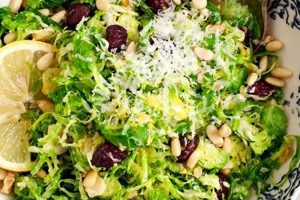
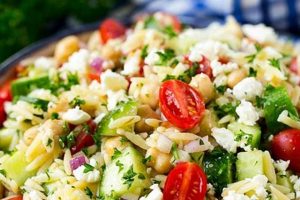
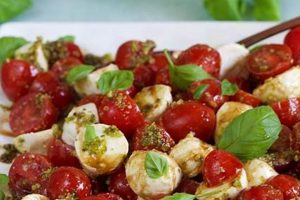
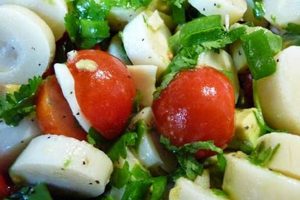
Dishes featuring the tender inner core of the artichoke as a primary component offer a variety of culinary possibilities. These preparations often involve marinated, grilled, or roasted artichoke hearts combined with fresh vegetables, cheeses, herbs, and a flavorful dressing. Examples include salads with a citrus vinaigrette, shaved Parmesan, and toasted pine nuts, or those with a creamy lemon dressing, olives, and sun-dried tomatoes.
The nutritional value of the artichoke’s heart contributes to the appeal of such dishes. Rich in fiber, vitamins, and antioxidants, they offer a healthful addition to any meal. Furthermore, their versatility allows them to be incorporated into diverse cuisines and dietary preferences, from light lunches to elegant appetizers. The use of marinated hearts dates back centuries in Mediterranean cultures, reflecting the ingredient’s enduring culinary significance.
This exploration will delve further into various preparation methods, flavor combinations, and serving suggestions for these culinary creations. It will cover topics such as selecting and preparing fresh artichokes, incorporating canned or jarred hearts effectively, and creating complementary dressings and accompaniments.
Tips for Artichoke Heart Salad Preparation
Optimizing flavor and texture requires attention to key preparation details. The following tips offer guidance for creating successful dishes.
Tip 1: Proper Artichoke Selection: When using fresh artichokes, select those with tightly closed leaves and a firm feel. Avoid artichokes with brown or dry tips.
Tip 2: Efficient Trimming and Preparation: Trim the artichoke’s outer leaves and thorny tips before steaming or boiling until tender. The heart can then be easily extracted.
Tip 3: Enhancing Flavor through Marinades: Marinating the hearts prior to incorporating them into the salad enhances their flavor profile. Lemon juice, garlic, and herbs are excellent marinade components.
Tip 4: Balancing Flavor Profiles: Consider the other salad ingredients when choosing a dressing. A light vinaigrette complements delicate flavors, while a creamy dressing pairs well with bolder ingredients.
Tip 5: Textural Variety: Incorporating a variety of textures elevates the salad’s appeal. Toasted nuts, croutons, or crumbled cheese provide contrasting textures to the soft artichoke hearts.
Tip 6: Strategic Ingredient Layering: Layer the salad ingredients strategically to create visual interest and ensure even distribution of flavors. Begin with a base of greens, followed by the artichoke hearts and other vegetables.
Tip 7: Freshness and Timing: Add delicate greens and herbs just before serving to maintain their freshness and prevent wilting.
By employing these techniques, one can maximize the culinary potential of artichoke hearts, creating a flavorful and visually appealing salad.
These insights will guide you toward a satisfying culinary experience. The concluding section will offer additional resources and inspiration.
1. Ingredient Selection

Ingredient selection significantly influences the final flavor profile and overall quality of artichoke heart salad recipes. Careful consideration of each component ensures a balanced and enjoyable culinary experience. The following facets highlight crucial elements of the selection process.
- Artichoke Hearts
The foundation of these salads lies in the choice of artichoke hearts. Freshly prepared hearts offer the purest flavor, while canned or jarred options provide convenience. Marinated artichoke hearts introduce pre-existing flavor profiles that can either complement or clash with other salad components. Quality and freshness are paramount regardless of the chosen format.
- Complementary Vegetables
Vegetables contribute texture, color, and additional nutrients. Common choices include tomatoes, cucumbers, bell peppers, and red onion. Roasting or grilling certain vegetables prior to inclusion can enhance their flavor and add depth to the salad. Balancing flavors and textures is crucial; for instance, the sweetness of roasted red peppers complements the slight bitterness of artichoke hearts.
- Cheese and Protein
Cheese selections often include feta, Parmesan, or goat cheese, contributing salty, tangy, or creamy notes. Protein elements, such as grilled chicken, chickpeas, or cannellini beans, enhance the salad’s heartiness and nutritional value. Considerations regarding flavor compatibility and textural contrast are essential; a strong cheese like feta may overpower delicate greens.
- Dressing and Flavor Enhancers
The dressing ties the salad together, complementing the other ingredients. Vinaigrettes offer a light and tangy option, while creamy dressings provide richness. Fresh herbs, spices, and other flavor enhancers, like lemon zest or toasted nuts, add complexity and depth. The intensity of the dressing should complement the other ingredients; a heavy dressing can mask the subtle flavor of fresh artichoke hearts.
By thoughtfully considering these components and their interplay, one can create a harmonious and flavorful artichoke heart salad. The overall success of the recipe hinges upon the careful selection and balance of each ingredient, leading to a cohesive and satisfying culinary result.
2. Flavor Combinations
Flavor combinations play a crucial role in successful artichoke heart salad recipes. The inherent earthiness of artichoke hearts provides a versatile base for a wide range of flavor profiles, from bright and citrusy to savory and robust. Understanding these combinations is essential for creating a balanced and delicious salad.
- Mediterranean Influences
Mediterranean flavors naturally complement artichoke hearts. Ingredients such as olives, feta cheese, sun-dried tomatoes, and oregano create a harmonious blend, reflecting the regional origins of artichoke cultivation. A lemon-herb vinaigrette further enhances these flavors. This profile emphasizes the artichoke’s inherent earthiness while adding bright, salty, and savory notes.
- Citrus and Herbs
The bright acidity of citrus fruits, particularly lemon and orange, cuts through the richness of artichoke hearts. Fresh herbs like parsley, dill, and mint add a refreshing element. This combination creates a light and zesty salad, ideal for warmer weather. The citrus notes also act as a palate cleanser, preparing the taste buds for the subsequent ingredients.
- Earthy and Savory Combinations
Pairing artichoke hearts with other earthy ingredients, such as roasted mushrooms, caramelized onions, or toasted walnuts, creates a deeply savory and satisfying salad. A balsamic vinaigrette or a creamy dressing with roasted garlic complements these flavors. This approach builds upon the artichoke’s inherent earthiness, creating a complex and layered flavor profile.
- Spicy and Bold Profiles
Adding a touch of spice can elevate artichoke heart salads. Ingredients like jalapeos, chili flakes, or a spicy vinaigrette introduce a contrasting element. Balancing the spice with creamy elements like avocado or a cooling yogurt-based dressing prevents it from overpowering the other flavors. This approach adds an exciting dimension to the salad, appealing to those who prefer bolder tastes.
By strategically combining flavors, one can create artichoke heart salads that cater to a variety of palates. Whether emphasizing the vegetable’s inherent earthiness or contrasting it with brighter, bolder notes, the interplay of flavors is crucial for achieving a well-balanced and delicious final product.
3. Preparation Techniques

Preparation techniques significantly influence the final outcome of artichoke heart salad recipes. These techniques impact not only the flavor and texture of the artichoke hearts but also how they integrate with other salad components. Careful execution of these techniques elevates the dish from simple to sophisticated.
Trimming and Cooking Methods: Proper trimming removes the tough outer leaves and fibrous choke, leaving only the tender heart. Cooking methods, including steaming, boiling, or grilling, affect the heart’s texture. Steaming preserves a delicate texture, while grilling imparts a smoky char. The chosen cooking method should align with the desired salad profile. For example, grilled artichoke hearts complement robust salads with grilled vegetables and bold cheeses, while steamed hearts suit lighter salads with delicate greens and citrus vinaigrettes.
Marinating and Flavor Infusion: Marinating artichoke hearts prior to incorporating them into the salad infuses them with additional flavor. Acidic marinades with lemon juice or vinegar help to tenderize the hearts further and brighten their flavor. Herbal infusions, achieved by adding fresh herbs to the marinade, contribute aromatic complexity. The marinade’s flavor profile should complement the other salad components. For instance, a lemon-herb marinade complements a Mediterranean-style salad, while a balsamic marinade suits a salad with roasted vegetables.
Handling and Presentation: Gentle handling prevents the delicate artichoke hearts from breaking apart. Slicing or quartering the hearts creates a uniform appearance and ensures even distribution throughout the salad. Thoughtful presentation enhances visual appeal. Arranging the hearts attractively amongst the other ingredients, rather than simply tossing them in, elevates the dish’s aesthetic quality. This attention to detail transforms the salad into a visually appealing culinary creation.
Mastery of these preparation techniques is essential for achieving optimal results in artichoke heart salad recipes. The interplay between trimming, cooking, marinating, and presentation contributes significantly to the salad’s overall quality, ensuring a delightful culinary experience.
4. Presentation Styles

Presentation styles significantly impact the perceived value and enjoyment of artichoke heart salad recipes. While flavor and ingredient quality remain paramount, visual appeal elevates the dining experience. Strategic presentation transforms a simple salad into an aesthetically pleasing culinary creation. The arrangement of components, color palette, and serving vessel all contribute to the overall presentation.
Consider a salad composed of marinated artichoke hearts, roasted red peppers, crumbled feta cheese, and Kalamata olives. A casual presentation might involve tossing all ingredients together in a large bowl. However, a more refined approach could involve arranging the components artfully on individual plates. The artichoke hearts might be fanned out, the red peppers strategically placed for color contrast, the feta crumbled delicately over the top, and the olives arranged as a final flourish. This attention to detail elevates the perceived value of the dish, making it suitable for a more formal setting.
Serving vessels also play a critical role. A rustic wooden bowl might suit a family-style meal, emphasizing a casual and approachable atmosphere. Conversely, sleek white plates or elegant glass bowls enhance the perceived sophistication of the salad, making it appropriate for a dinner party or restaurant setting. The choice of serving vessel should align with the overall presentation style and the occasion.
Furthermore, garnishes and accompanying elements can enhance the presentation. A sprinkle of fresh herbs, a drizzle of balsamic glaze, or a scattering of toasted nuts adds visual interest and complements the flavors of the salad. These finishing touches demonstrate attention to detail and elevate the perceived quality of the dish.
Effective presentation elevates artichoke heart salad recipes from simple meals to visually appealing culinary experiences. By considering arrangement, color, serving vessels, and garnishes, one can create a presentation that enhances both the perceived value and the enjoyment of these versatile dishes.
5. Nutritional Value

Artichoke heart salad recipes offer significant nutritional benefits, deriving primarily from the inherent properties of artichoke hearts and complemented by other ingredients. Artichoke hearts are a rich source of dietary fiber, contributing to digestive health and promoting satiety. They also provide essential vitamins and minerals, including vitamin C, folate, magnesium, and potassium. Furthermore, artichoke hearts contain antioxidants, such as cynarin and silymarin, which support liver function and protect against cellular damage. The inclusion of other nutrient-rich vegetables, such as leafy greens, tomatoes, and bell peppers, further enhances the salad’s nutritional value, providing additional vitamins, minerals, and antioxidants. A salad featuring artichoke hearts, spinach, roasted red peppers, and a lemon vinaigrette, for instance, offers a combination of fiber, vitamins A and C, and various antioxidants.
The nutritional profile of these salads can be further optimized through ingredient selection and preparation methods. Incorporating lean protein sources, such as grilled chicken or fish, increases the protein content, supporting muscle growth and repair. Adding healthy fats, like those found in avocados or nuts, provides essential fatty acids and enhances nutrient absorption. Conversely, minimizing the use of high-calorie dressings and processed ingredients helps maintain a balanced nutritional profile. Opting for a light vinaigrette or a lemon-herb dressing instead of a creamy, high-fat dressing, for example, reduces overall calorie and fat intake without compromising flavor. Similarly, preparing fresh ingredients instead of using canned or processed options minimizes sodium and additive intake.
Understanding the nutritional value of artichoke heart salad recipes allows for informed dietary choices. These salads can contribute to a balanced and healthful diet, supporting overall well-being. Strategic ingredient selection and preparation methods maximize nutritional benefits while ensuring a flavorful and satisfying culinary experience. Incorporating these salads into regular meal planning can support individual health goals, such as weight management, improved digestion, and increased nutrient intake, thereby contributing to a healthier lifestyle.
Frequently Asked Questions
This section addresses common inquiries regarding the preparation and enjoyment of artichoke heart salads.
Question 1: What is the best way to prepare fresh artichokes for salad use?
Steaming whole artichokes until tender, then removing the outer leaves and fuzzy choke to extract the heart, offers optimal flavor and texture preservation. Alternative methods, like boiling, may result in a waterlogged heart.
Question 2: Can canned or jarred artichoke hearts be used as a substitute for fresh ones?
Canned or jarred artichoke hearts offer convenience. Rinsing them thoroughly removes excess brine or marinade, allowing their inherent flavor to integrate with other salad components. Marinated varieties introduce pre-existing flavors that should complement the intended salad profile.
Question 3: How can one prevent discoloration of artichoke hearts after preparation?
Submerging trimmed artichoke hearts in acidulated water (water with lemon juice) prevents enzymatic browning and maintains their appearance. This technique preserves their visual appeal until they are incorporated into the salad.
Question 4: What dressings complement artichoke heart salads best?
Light vinaigrettes with lemon, herbs, or balsamic vinegar enhance the artichoke’s natural flavors without overpowering them. Creamy dressings, when used, should complement other ingredients without masking the artichoke’s subtle earthiness.
Question 5: How long can artichoke heart salad be stored in the refrigerator?
Properly stored in an airtight container, artichoke heart salad can typically be refrigerated for up to three days. However, optimal flavor and texture are best enjoyed within 24 hours of preparation. Delicate greens should ideally be added just prior to serving to prevent wilting.
Question 6: How can nutritional value be maximized in artichoke heart salad recipes?
Nutrient density is enhanced by incorporating a variety of colorful vegetables, lean protein sources, and healthy fats. Minimizing processed ingredients, high-calorie dressings, and excess sodium preserves the inherent health benefits of artichoke hearts and other components.
Understanding these aspects facilitates informed decision-making in the preparation and enjoyment of artichoke heart salads. These insights optimize culinary outcomes and enhance the nutritional value derived from these versatile dishes.
Additional resources, including specific recipes and detailed nutritional information, are available in the following sections.
Artichoke Heart Salad Recipes
Exploration of artichoke heart salad recipes reveals a versatile culinary landscape. Careful ingredient selection, balanced flavor combinations, and appropriate preparation techniques are essential for successful outcomes. Freshness, quality, and attention to detail elevate these dishes from simple to sophisticated. Nutritional value, derived from the artichoke’s inherent properties and enhanced by complementary ingredients, contributes to their appeal. Presentation styles further influence the perceived value and enjoyment, transforming salads into visually appealing culinary creations. Understanding these elements allows for informed decision-making in recipe development and execution.
The culinary potential of artichoke heart salad recipes remains vast. Continued exploration of flavor profiles, ingredient combinations, and presentation techniques promises further innovation. Emphasis on fresh, high-quality ingredients and mindful preparation ensures optimal culinary and nutritional benefits. Ultimately, appreciation for these versatile dishes lies in the balance of flavor, texture, and visual appeal, creating a satisfying and healthful dining experience.