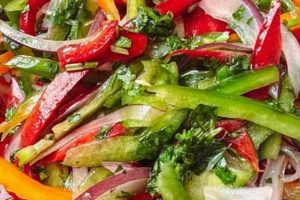
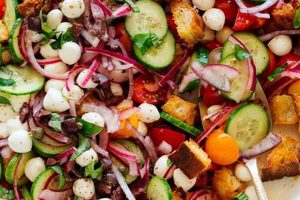
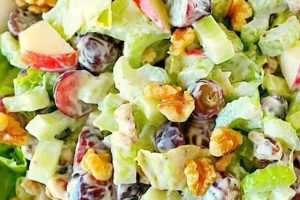
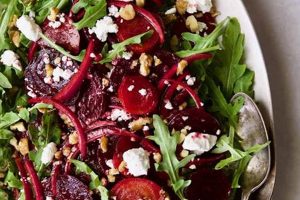
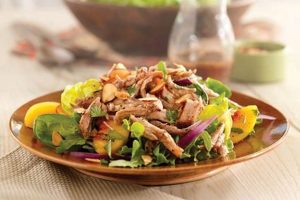
A dish featuring cooked sweet potatoes as the primary ingredient, often combined with other vegetables, spices, and a dressing. Variations abound, ranging from simple mixtures with mayonnaise to complex preparations incorporating unique ingredients like pecans, cranberries, or a vinaigrette. For instance, a common version includes diced sweet potatoes, celery, onion, and mayonnaise, seasoned with mustard and celery seed.
This dish offers a nutritious and flavorful alternative to traditional potato salad. Sweet potatoes provide essential vitamins, minerals, and fiber, contributing to a healthier meal option. Furthermore, the adaptability of this dish allows for customization to suit various dietary needs and preferences, including vegan, gluten-free, and paleo options. Its presence at picnics, potlucks, and holiday gatherings speaks to its widespread popularity and adaptability across diverse culinary traditions.
This exploration of the subject will cover various aspects, including different recipe variations, nutritional benefits of key ingredients, tips for preparation and storage, and suggestions for complementary dishes. Further sections will delve into specific techniques for achieving optimal flavor and texture, as well as exploring the historical and cultural context of this popular dish.
Tips for Perfect Sweet Potato Salad
Achieving optimal flavor and texture requires attention to detail throughout the preparation process. These tips offer guidance for creating a delicious and satisfying dish.
Tip 1: Roasting vs. Boiling: Roasting sweet potatoes intensifies their natural sweetness and creates a firmer texture, ideal for salad. Boiling can result in a softer, sometimes mushy, consistency.
Tip 2: Uniform Dice: Ensuring sweet potatoes are diced into uniform pieces promotes even cooking and a visually appealing presentation.
Tip 3: Seasoning Timing: Seasoning the sweet potatoes while still warm allows for better absorption of flavors.
Tip 4: Dressing Considerations: A variety of dressings complement sweet potato salad. Mayonnaise-based dressings offer a classic creamy texture, while vinaigrettes provide a lighter, tangier option. Consider incorporating flavorful additions like Dijon mustard, maple syrup, or apple cider vinegar.
Tip 5: Ingredient Incorporation: Gentle folding prevents the sweet potatoes from breaking down and maintains the desired texture.
Tip 6: Chilling Time: Allowing the salad to chill for at least an hour allows the flavors to meld and develop fully.
Tip 7: Garnish Selection: Fresh herbs, toasted nuts, or dried cranberries can enhance both the flavor and visual appeal of the final dish.
By following these tips, one can create a sweet potato salad that is not only flavorful and nutritious but also visually appealing. Attention to these details elevates the dish from simple to exceptional.
These guidelines contribute to creating a consistently successful and enjoyable dish. Further exploration of specific recipe variations will follow.
1. Sweet Potato Variety

Sweet potato variety constitutes a fundamental consideration in crafting a successful sweet potato salad. The chosen variety significantly impacts the dish’s flavor profile, texture, and overall aesthetic. Careful selection contributes to a more satisfying culinary experience.
- Starch Content and Moisture:
Sweet potato varieties exhibit varying starch content and moisture levels, directly influencing the final texture of the salad. Drier, starchier varieties like Garnet or Jewel maintain their shape well after cooking, lending a firmer texture to the salad. Conversely, moister varieties like Hannah or Covington may become softer when cooked, potentially resulting in a creamier, less defined texture.
- Sweetness Level:
Sweetness levels differ among varieties, impacting the overall flavor balance. Some varieties, like Japanese sweet potatoes, possess a pronounced sweetness, requiring less added sugar in the recipe. Others, like some white-fleshed varieties, offer a milder sweetness, allowing for greater flexibility in seasoning and balancing contrasting flavors.
- Color and Visual Appeal:
The flesh color of sweet potatoes, ranging from vibrant orange to pale yellow and even purple, contributes to the salad’s visual appeal. Selecting varieties with contrasting flesh colors can create a visually striking and appealing dish. For example, incorporating both orange-fleshed and purple-fleshed sweet potatoes adds a vibrant dimension to the presentation.
- Flavor Nuances:
Beyond sweetness, different varieties offer subtle flavor nuances that can complement or contrast with other ingredients in the salad. Some varieties exhibit earthy or nutty undertones, while others possess a hint of floral or citrusy notes. Considering these nuances allows for a more complex and balanced flavor profile.
Understanding the characteristics of various sweet potato varieties enables informed decisions regarding recipe development. Selecting the appropriate variety based on desired texture, sweetness, color, and flavor nuances elevates the final dish, enhancing both its culinary and aesthetic qualities. Careful consideration of these factors contributes to a more refined and satisfying sweet potato salad experience.
2. Boiling or Roasting
The cooking method employed for sweet potatoesboiling or roastingsignificantly impacts the final texture and flavor profile of the salad. Boiling results in a softer, more yielding texture, suitable for salads emphasizing creaminess. However, over-boiling can lead to a mushy consistency, detracting from the overall appeal. Roasting, conversely, concentrates the natural sugars within the sweet potatoes, yielding a caramelized, slightly crispy exterior and a tender interior. This method intensifies sweetness and provides a firmer texture, advantageous for salads requiring structural integrity. The choice between boiling and roasting hinges on the desired textural outcome and the overall flavor profile sought.
Consider a traditional sweet potato salad featuring a mayonnaise-based dressing. Boiled sweet potatoes, with their softer texture, readily absorb the dressing, creating a creamy, homogenous mixture. This method proves suitable when a smooth, cohesive texture is preferred. Alternatively, in a salad featuring a vinaigrette and ingredients like toasted nuts or dried cranberries, roasted sweet potatoes offer textural contrast. Their firmer consistency holds up well against the other components, preventing the salad from becoming overly soft or mushy. The caramelized notes from roasting also complement the vinaigrette’s acidity and the other ingredients’ textures. Choosing the appropriate cooking method enhances the interplay of textures and flavors within the salad.
Selecting the appropriate cooking method for sweet potatoes proves essential for achieving the desired outcome in a sweet potato salad. Boiling offers a softer, creamier texture suitable for mayonnaise-based dressings, while roasting intensifies sweetness and provides a firmer texture, ideal for vinaigrettes and salads incorporating texturally diverse components. Understanding the impact of each method enables informed decision-making, ensuring the final dish aligns with the intended texture and flavor profile. This choice represents a crucial step in creating a well-balanced and enjoyable sweet potato salad.
3. Complementary Ingredients

Complementary ingredients play a crucial role in elevating sweet potato salad beyond a simple combination of cooked sweet potatoes and dressing. These additions introduce contrasting textures, flavors, and colors, creating a more complex and satisfying culinary experience. The careful selection and balance of complementary ingredients transform the dish from basic to sophisticated. Consider the interplay of textures: creamy sweet potatoes benefit from the addition of crunchy elements like toasted pecans, chopped celery, or crumbled bacon. Flavor profiles expand with the incorporation of ingredients such as dried cranberries for tartness, red onion for sharpness, or fresh cilantro for a herbaceous note. Visually, the salad becomes more appealing with the inclusion of brightly colored bell peppers or the deep green of chopped chives.
Specific examples illustrate the impact of complementary ingredients. A sweet potato salad featuring black beans and corn introduces Southwestern influences, while a combination of crumbled goat cheese, toasted walnuts, and a balsamic vinaigrette adds Mediterranean flair. The versatility of sweet potato salad allows for diverse flavor combinations, catering to various palates and culinary traditions. A classic Southern-style sweet potato salad might include pecans, pineapple, and marshmallows, highlighting the region’s penchant for sweet and savory combinations. In contrast, a more contemporary approach might incorporate ingredients like roasted Brussels sprouts, pomegranate seeds, and a maple-Dijon dressing, emphasizing seasonal flavors and contrasting textures.
Understanding the interplay of complementary ingredients with sweet potatoes allows for strategic recipe development. Balancing textures, flavors, and colors ensures a harmonious and satisfying final product. The choice of complementary ingredients should consider the overall flavor profile desired, the cooking method employed for the sweet potatoes, and the type of dressing used. Successfully integrating complementary ingredients elevates sweet potato salad from a simple side dish to a culinary centerpiece, offering both visual appeal and a complex, satisfying flavor experience.
4. Dressing Selection

Dressing selection represents a pivotal element in defining the character of a sweet potato salad recipe. The dressing not only binds the ingredients but also contributes significantly to the overall flavor profile, texture, and aesthetic appeal. A thoughtfully chosen dressing elevates the dish beyond a simple assembly of components, transforming it into a cohesive and flavorful culinary creation. The interplay between the dressing and the other ingredientssweet potatoes, complementary vegetables, spices, and herbscreates a synergistic effect, where the whole becomes greater than the sum of its parts. This synergy hinges on a careful understanding of how different dressing types interact with the inherent sweetness and texture of sweet potatoes.
A classic mayonnaise-based dressing, often enhanced with mustard, celery seed, and sweet pickle relish, provides a creamy, tangy counterpoint to the sweetness of the potatoes. This combination offers a familiar comfort, reminiscent of traditional potato salad, while showcasing the unique flavor profile of sweet potatoes. Conversely, a vinaigrette, perhaps featuring apple cider vinegar, maple syrup, and Dijon mustard, introduces a brighter, more acidic element. This approach emphasizes the natural sweetness of the potatoes while adding a refreshing contrast. Furthermore, the lighter texture of a vinaigrette allows the other ingredients to shine, preventing the salad from becoming overly heavy or rich. A third option, a yogurt-based dressing, offers a lighter, tangier alternative to mayonnaise while still providing a creamy texture. This option often incorporates herbs and spices for added complexity.
Successful dressing selection requires consideration of the other ingredients and the desired overall flavor profile. A salad featuring roasted sweet potatoes, pecans, and cranberries might benefit from a maple-Dijon vinaigrette, where the acidity balances the sweetness of the potatoes and complements the nutty pecans and tart cranberries. A salad with black beans and corn could be enhanced by a chipotle-lime dressing, introducing a smoky, spicy element that complements the Southwestern flavors. Ultimately, the choice of dressing should harmonize with the other ingredients, creating a balanced and flavorful experience. Careful consideration of these factors ensures the dressing enhances, rather than overwhelms, the sweet potato salad, resulting in a dish that is both satisfying and memorable.
5. Seasoning Balance

Seasoning balance represents a critical factor in a successful sweet potato salad recipe. It determines the overall flavor profile, impacting how individual ingredients harmonize and contribute to the final dish. A well-seasoned salad elevates the inherent sweetness of the sweet potatoes while adding depth and complexity. Careful consideration of salt, acidity, spice, and herbs ensures a balanced and enjoyable culinary experience. Over-seasoning can overwhelm the delicate flavors, while under-seasoning can result in a bland and uninspired dish.
- Salt:
Salt enhances the natural sweetness of the sweet potatoes and other ingredients. It acts as a flavor enhancer, bringing out the subtle nuances of the complementary components. The amount of salt required depends on the other ingredients and the chosen dressing. Too much salt can overpower the dish, while too little can leave it tasting flat. Kosher salt is often preferred for its clean flavor and ease of use.
- Acidity:
Acidity provides brightness and balance, cutting through the richness of the sweet potatoes and dressing. Common sources of acidity include vinegar, citrus juice, or pickles. The type and amount of acid used should complement the other flavors in the salad. For example, a sweet potato salad with a mayonnaise-based dressing might benefit from the addition of apple cider vinegar or lemon juice, while a vinaigrette-based dressing might incorporate balsamic vinegar or red wine vinegar.
- Spice:
Spice adds warmth and complexity, enhancing the overall flavor profile. Common spices used in sweet potato salad include black pepper, cayenne pepper, paprika, or cumin. The choice of spice should complement the other ingredients and the desired level of heat. For example, a Southwestern-inspired salad might incorporate chipotle powder or smoked paprika, while a more traditional salad might use a touch of black pepper or a pinch of cayenne.
- Herbs:
Fresh herbs provide a refreshing and aromatic element, enhancing the overall sensory experience. Commonly used herbs include chives, parsley, cilantro, or thyme. The choice of herbs should complement the other flavors and add a layer of freshness to the salad. For example, a salad with a citrus vinaigrette might benefit from the addition of cilantro or mint, while a salad with a mayonnaise-based dressing might incorporate chives or parsley.
Achieving seasoning balance requires careful consideration of these four elements and how they interact with each other and the other ingredients in the salad. A well-balanced sweet potato salad allows the natural sweetness of the potatoes to shine while incorporating complementary flavors that enhance the overall culinary experience. Adjusting seasonings to taste ensures a customized flavor profile that caters to individual preferences, elevating the dish from simple to exceptional.
Frequently Asked Questions
This section addresses common inquiries regarding sweet potato salad preparation, offering practical guidance for achieving optimal results.
Question 1: What is the best way to prevent sweet potatoes from becoming mushy when boiled?
Avoid overcooking. Test for doneness with a fork; the potatoes should be tender but not mushy. Immediately drain and rinse under cold water to stop the cooking process.
Question 2: Can sweet potato salad be made ahead of time?
Yes, it can be prepared a day in advance. Store the salad in an airtight container in the refrigerator. Allow the salad to come to room temperature before serving for optimal flavor.
Question 3: What are suitable substitutes for mayonnaise in sweet potato salad?
Greek yogurt, mashed avocado, or a vinaigrette offer healthier alternatives. These options provide different flavor profiles and textures.
Question 4: How can one enhance the flavor of sweet potato salad?
Roasting the sweet potatoes intensifies their natural sweetness. Adding spices like cinnamon, nutmeg, or allspice enhances their flavor profile. Incorporating complementary ingredients like toasted pecans or dried cranberries adds textural and flavor complexity.
Question 5: What are some suitable pairings for sweet potato salad?
It complements grilled meats, barbecue dishes, and roasted vegetables. It also serves as a standalone dish for picnics or potlucks.
Question 6: Can different types of sweet potatoes be used interchangeably in recipes?
While various types can be used, their textures and sweetness levels differ. Consider these variations when selecting a variety for a specific recipe.
Careful consideration of these points ensures successful preparation and enjoyment. Understanding these nuances allows for informed choices, resulting in a flavorful and satisfying culinary outcome.
The following section offers a selection of varied sweet potato salad recipes.
Sweet Potato Salad Recipe
This exploration has delved into the multifaceted aspects of crafting exceptional sweet potato salad. From the selection of sweet potato varieties and cooking methods to the incorporation of complementary ingredients and the crucial role of dressing and seasoning balance, each element contributes significantly to the final product. The analysis of these components underscores the potential for creativity and customization within this versatile dish. Understanding the interplay of textures, flavors, and visual appeal empowers culinary enthusiasts to elevate sweet potato salad beyond a simple side dish to a nuanced and satisfying culinary creation.
The adaptability of sweet potato salad allows for endless variations, accommodating diverse dietary preferences and culinary traditions. Continued experimentation with ingredients, dressings, and seasonings promises further innovation and enjoyment. This exploration serves as a foundation for continued culinary discovery, encouraging both novice and experienced cooks to embrace the versatility and potential of this classic dish.