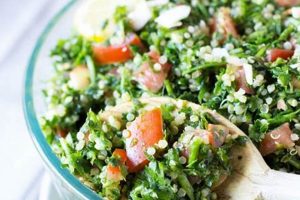
A top-tier quinoa salad involves a careful balance of flavors and textures, typically incorporating the cooked grain with fresh vegetables, herbs, a protein source, and a flavorful dressing. A well-executed example might include fluffy quinoa, crisp cucumber and bell peppers, protein-rich chickpeas, vibrant parsley and mint, and a lemon-tahini dressing. The variations are endless, allowing for customization based on dietary preferences and seasonal ingredients.
Achieving a superior salad offers numerous advantages. Quinoa, a complete protein and excellent source of fiber, contributes to a nutritious and satisfying meal. Fresh produce adds essential vitamins and minerals, while a well-crafted dressing enhances flavor and palatability. Furthermore, the adaptability of this dish makes it suitable for various occasions, from light lunches and potlucks to elegant dinners. Its rising popularity reflects a growing awareness of healthy eating and a desire for versatile, flavorful meals.
This exploration of exemplary quinoa salad recipes will delve into specific ingredient combinations, dressing variations, and preparation techniques, offering guidance for crafting a dish that is both nutritious and delicious.
Tips for a Superior Quinoa Salad
Elevating a quinoa salad from simple to exceptional requires attention to detail and an understanding of flavor pairings. The following tips provide guidance for crafting a truly outstanding dish.
Tip 1: Rinse the quinoa. Rinsing removes the naturally occurring bitter coating (saponins) on quinoa, resulting in a cleaner, more palatable flavor.
Tip 2: Toast the quinoa (optional). Toasting quinoa before cooking enhances its nutty flavor and adds a pleasant crunch to the salad.
Tip 3: Cook quinoa properly. Use a 2:1 ratio of liquid to quinoa. Bring to a boil, then reduce heat and simmer covered until all liquid is absorbed, typically 15-20 minutes. Fluff with a fork.
Tip 4: Embrace variety with ingredients. Incorporate a diverse range of colorful vegetables, such as bell peppers, cucumbers, tomatoes, red onion, and corn. Add fresh herbs like parsley, mint, or cilantro for brightness.
Tip 5: Consider a protein boost. Chickpeas, black beans, lentils, grilled chicken, or crumbled feta cheese enhance the nutritional value and create a more substantial salad.
Tip 6: Balance the dressing. A well-balanced dressing complements the other ingredients without overpowering them. Consider a vinaigrette with acidity, a touch of sweetness, and healthy fats like olive oil or avocado oil.
Tip 7: Season thoughtfully. Season the quinoa while cooking and again after combining with other ingredients. Freshly ground black pepper and a pinch of sea salt can significantly elevate the final dish.
Tip 8: Chill before serving (optional). Chilling allows the flavors to meld and results in a more refreshing salad, particularly beneficial in warmer weather.
By following these guidelines, one can achieve a quinoa salad that is not only nutritious and flavorful but also visually appealing and texturally satisfying.
These tips provide a solid foundation for crafting a truly memorable quinoa salad. Experimentation with different ingredient combinations and flavor profiles is encouraged.
1. High-quality quinoa

High-quality quinoa plays a crucial role in achieving a superior quinoa salad. The quality of quinoa directly impacts the final dish’s flavor, texture, and overall culinary experience. Inferior quinoa may have a bitter taste due to residual saponins, or a mushy texture after cooking, detracting from the desired light and fluffy consistency. Conversely, high-quality quinoa offers a delicate, nutty flavor and cooks to a light, fluffy texture, providing a pleasant foundation for the other ingredients. For instance, using a premium variety like royal quinoa, known for its larger grains and superior taste, contributes significantly to the salad’s overall quality compared to using a lower-grade variety. This difference becomes especially noticeable when the quinoa is a central component, as it is in a salad.
The importance of high-quality quinoa extends beyond taste and texture. Premium quinoa varieties are often cultivated using sustainable farming practices, minimizing environmental impact. They also tend to be more carefully processed, resulting in a cleaner product free from impurities. Furthermore, higher-quality quinoa often cooks more uniformly, ensuring consistent results. This uniformity is crucial for achieving the desired textural balance in a salad, where the quinoa interacts with other ingredients of varying textures. Choosing high-quality quinoa demonstrates a commitment to both culinary excellence and responsible consumption.
In conclusion, selecting high-quality quinoa is a non-negotiable aspect of creating a truly exceptional quinoa salad. The superior flavor, texture, and overall culinary experience derived from premium quinoa justify the investment. Understanding this connection empowers consumers to make informed choices, resulting in a more satisfying and rewarding culinary outcome. This attention to detail ultimately elevates the simple quinoa salad to a culinary masterpiece.
2. Fresh, seasonal produce

The integration of fresh, seasonal produce represents a cornerstone of exceptional quinoa salad recipes. Seasonal ingredients offer peak flavor and optimal nutritional value, significantly elevating the overall culinary experience. This connection stems from the natural ripening process, where fruits and vegetables develop their full flavor profiles and nutrient density during their respective growing seasons. A summer quinoa salad featuring ripe tomatoes, sweet corn, and fragrant basil exemplifies this principle. The inherent sweetness of in-season produce allows for a reduction in added sugars or other flavor enhancers, resulting in a healthier and more vibrant dish. Conversely, using out-of-season produce often results in a blander, less nutritious salad requiring additional manipulation to achieve desired flavor complexity.
Furthermore, the use of fresh, seasonal produce introduces an element of variety and adaptability to quinoa salad recipes. As seasons change, so do the available ingredients, inspiring culinary creativity and preventing flavor monotony. Spring salads might incorporate asparagus, peas, and fresh mint, while fall variations could feature roasted butternut squash, cranberries, and kale. This seasonal approach not only maximizes flavor but also promotes a deeper connection with the natural world and supports local agriculture. Choosing locally sourced, seasonal produce reduces transportation costs and environmental impact while ensuring access to the freshest ingredients. This practice also contributes to the local economy and fosters a sense of community.
In summary, prioritizing fresh, seasonal produce demonstrates a commitment to culinary excellence, nutritional integrity, and environmental responsibility. This approach maximizes flavor, optimizes nutritional content, and encourages culinary creativity while supporting local food systems and reducing environmental impact. The resulting quinoa salad becomes more than just a meal; it becomes a celebration of the season and a testament to the power of fresh, high-quality ingredients.
3. Complementary protein source

A complementary protein source is integral to achieving a truly exceptional quinoa salad. While quinoa itself offers a complete protein profile, incorporating additional protein sources enhances the nutritional value and contributes to a more satisfying and balanced meal. This addition creates a synergistic effect, optimizing the overall protein utilization and contributing to satiety, a crucial factor in healthy eating habits. The thoughtful selection of complementary proteins elevates the quinoa salad from a simple side dish to a complete and nourishing meal.
- Legumes
Legumes, such as chickpeas, black beans, and lentils, offer a readily available and versatile complementary protein source. Their diverse flavors and textures seamlessly integrate into quinoa salads, adding both substance and nutritional depth. For example, roasted chickpeas introduce a satisfying crunch and nutty flavor, while black beans contribute a creamy texture and earthy taste. The inclusion of legumes also boosts the fiber content, further enhancing the nutritional profile and promoting digestive health.
- Nuts and Seeds
Nuts and seeds provide not only protein but also healthy fats and a pleasing textural contrast. Toasted almonds, pumpkin seeds, or sunflower seeds add a satisfying crunch and enhance the flavor profile of the salad. Nuts and seeds also offer a wealth of micronutrients, contributing to the overall nutritional value of the dish. For instance, almonds are a good source of vitamin E, while pumpkin seeds are rich in magnesium.
- Animal-based proteins
Grilled chicken, fish, or crumbled feta cheese introduce a different dimension of flavor and protein to quinoa salads. Grilled chicken offers a lean protein option, while fish, such as salmon or tuna, provides beneficial omega-3 fatty acids. Feta cheese adds a salty, tangy element that complements the other ingredients. These animal-based proteins offer a wider range of amino acids, further enhancing the protein completeness of the salad.
- Tofu and Tempeh
Tofu and tempeh, derived from soybeans, offer plant-based protein alternatives suitable for vegetarian and vegan diets. Crumbled or cubed tofu readily absorbs the flavors of the dressing and other ingredients, while tempeh contributes a firmer texture and distinctive nutty taste. These options provide a complete protein source, essential for those who avoid animal products. Additionally, they offer a source of iron and other essential nutrients.
The strategic incorporation of a complementary protein source significantly elevates the nutritional profile and overall culinary experience of a quinoa salad. By thoughtfully considering the various options and their respective contributions to flavor, texture, and nutritional value, one can craft a well-balanced and satisfying meal that caters to diverse dietary preferences and culinary goals. Ultimately, this attention to detail transforms the quinoa salad from a simple side dish to a versatile and nutritious centerpiece.
4. Balanced, flavorful dressing
A balanced, flavorful dressing is paramount in achieving a superlative quinoa salad. The dressing serves as the unifying element, harmonizing the diverse flavors and textures of the ingredients while enhancing the overall culinary experience. A well-crafted dressing elevates the inherent flavors of the quinoa and other components without overpowering them. This balance requires careful consideration of acidity, sweetness, saltiness, and the quality of fats used. An overly acidic dressing can make the salad unpleasant, while excessive sweetness can mask the delicate flavors of the other ingredients. A dressing lacking in saltiness can result in a bland dish, and the use of low-quality oils can negatively impact both flavor and health. A lemon-tahini dressing, for instance, provides a balanced interplay of acidity from the lemon, richness from the tahini, and a subtle sweetness from a touch of honey or maple syrup. This balance enhances the natural flavors of the quinoa and vegetables without dominating the palate.
The practical significance of this understanding lies in the ability to create a quinoa salad that is not only delicious but also nutritionally sound. A balanced dressing contributes to the overall healthfulness of the dish by incorporating beneficial fats, such as those found in olive oil or avocado oil. These healthy fats provide essential fatty acids and enhance the absorption of fat-soluble vitamins from the vegetables. Furthermore, a well-balanced dressing can reduce the need for excessive salt or sugar, promoting a healthier dietary profile. For example, a vinaigrette made with fresh herbs, lemon juice, and high-quality olive oil offers a flavorful and healthful alternative to creamy dressings that may be high in saturated fat and sodium. This understanding empowers individuals to make informed choices that prioritize both taste and nutritional value.
In conclusion, the creation of a truly exceptional quinoa salad hinges on the careful development of a balanced, flavorful dressing. This element serves not only to unify the various components but also to enhance their inherent flavors and contribute to the overall nutritional value. The understanding of this principle allows for a more nuanced and informed approach to recipe development, resulting in a quinoa salad that is both a culinary delight and a nutritionally sound choice.
5. Proper cooking techniques
Proper cooking techniques are essential for achieving a superlative quinoa salad. The way quinoa is prepared significantly impacts its texture, flavor, and overall contribution to the final dish. Undercooked quinoa can be crunchy and unpleasant, while overcooked quinoa becomes mushy and loses its distinct character. Mastering these techniques ensures that the quinoa serves as a perfect foundation for the other ingredients, enhancing rather than detracting from the overall culinary experience.
- Rinsing
Rinsing quinoa before cooking is crucial for removing the naturally occurring bitter coating called saponins. This step ensures a cleaner, more palatable flavor, allowing the nutty nuances of the quinoa to shine through. Neglecting to rinse the quinoa can result in a lingering bitterness that detracts from the overall flavor profile of the salad.
- Toasting (optional)
Toasting quinoa prior to cooking enhances its nutty flavor and adds a pleasant crunch to the salad. This step involves dry-roasting the quinoa in a pan over medium heat until fragrant. While optional, toasting adds a depth of flavor and textural complexity that elevates the finished dish. The toasting process also helps to remove excess moisture, contributing to a fluffier final product.
- Water Ratio and Cooking Time
Using the correct water ratio and cooking time is crucial for achieving perfectly cooked quinoa. A general guideline is a 2:1 ratio of water to quinoa. Bringing the mixture to a boil, then reducing heat and simmering covered until all the liquid is absorbed, typically 15-20 minutes, yields fluffy, perfectly cooked quinoa. Deviations from this ratio can result in either undercooked or overcooked quinoa, negatively impacting the texture of the salad.
- Fluffing
Once cooked, fluffing the quinoa with a fork is essential for separating the grains and preventing clumping. This step ensures a light and airy texture, crucial for a pleasant salad experience. Fluffing also allows the quinoa to cool evenly and absorb the flavors of the dressing and other ingredients more effectively. Neglecting this step can result in a dense, compacted quinoa base that detracts from the overall salad texture.
Mastering these techniques ensures that the quinoa contributes optimally to the salad’s overall success. Properly cooked quinoa provides a neutral canvas that complements the other ingredients, absorbing flavors while maintaining a pleasant texture. This attention to detail transforms the quinoa from a mere ingredient into a key component that elevates the entire dish.
Frequently Asked Questions
This section addresses common inquiries regarding optimal quinoa salad preparation, offering practical solutions and clarifying potential misconceptions.
Question 1: How can bitterness in quinoa be avoided?
Rinsing quinoa thoroughly under cold water before cooking removes saponins, the naturally occurring compounds responsible for bitterness.
Question 2: What is the ideal water-to-quinoa ratio for cooking?
A 2:1 water-to-quinoa ratio generally yields optimal results. Adjustments may be necessary based on specific quinoa varieties and cooking methods.
Question 3: Can quinoa be cooked ahead of time for salad preparation?
Quinoa can be cooked in advance and stored refrigerated for up to 3 days. Allowing it to cool completely before incorporating it into the salad prevents the other ingredients from wilting.
Question 4: What are suitable protein additions to enhance a quinoa salad?
Options include legumes (chickpeas, black beans), nuts and seeds (almonds, pumpkin seeds), animal-based proteins (grilled chicken, fish), or plant-based alternatives (tofu, tempeh).
Question 5: How can a dressing enhance the flavor of a quinoa salad without overpowering it?
A balanced dressing considers acidity, sweetness, and saltiness. A vinaigrette made with fresh herbs, lemon juice, and high-quality oil provides a light yet flavorful option. Taste and adjust seasonings throughout the preparation process.
Question 6: How can one maintain the vibrant colors and textures of vegetables in a quinoa salad?
Adding the more delicate vegetables, such as leafy greens, closer to serving time prevents them from becoming wilted or soggy. Using a light dressing also helps maintain the vegetables’ crispness.
Understanding these fundamental aspects of quinoa salad preparation empowers individuals to create flavorful, nutritious, and visually appealing dishes.
For further exploration of specific recipe variations and customization options, consult the following resources.
Best Recipe for Quinoa Salad
Optimal quinoa salad recipes prioritize a harmonious balance of flavors, textures, and nutritional value. Careful selection of high-quality quinoa, fresh seasonal produce, and a complementary protein source forms the foundation. A balanced, flavorful dressing unites these elements, while proper cooking techniques ensure optimal texture and taste. Rinsing the quinoa removes bitterness, while optional toasting enhances its nutty notes. A 2:1 water-to-quinoa ratio, followed by fluffing, achieves the desired lightness. Thoughtful consideration of these components distinguishes a truly exceptional quinoa salad.
Culinary exploration of quinoa salad variations offers a pathway to both nutritional well-being and gastronomic satisfaction. Adaptability to diverse dietary preferences and seasonal ingredients positions this dish as a versatile culinary staple. Continued experimentation with flavor profiles and ingredient combinations promises further evolution and enjoyment of this increasingly popular culinary creation.