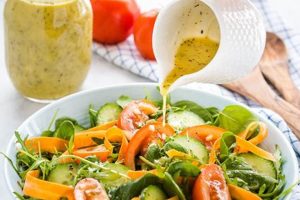
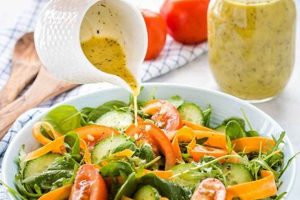
Formulations for flavorful dressings with reduced acidity offer an alternative for individuals seeking to manage acid reflux, heartburn, or other sensitivities. These recipes typically utilize ingredients like extra virgin olive oil, herbs, spices, and low-acid fruits and vegetables to achieve satisfying flavor profiles without relying on high concentrations of vinegar or citrus juices. An example might include a tahini-based dressing with garlic, ginger, and a small amount of lemon juice.
Such culinary creations are valuable for expanding dietary options and improving quality of life for those with specific digestive health needs. Historically, managing dietary acid has been important, particularly for individuals prone to ulcers or other gastrointestinal issues. Modern culinary practices allow for more diverse and palatable options than previously possible. Reducing acidity does not necessarily equate to blandness; a wide range of flavor profiles can be achieved with careful ingredient selection and preparation.
The following sections will explore various aspects of crafting these dressings, including suitable ingredients, flavor balancing techniques, and specific recipe examples. Additionally, guidance on storage and potential health considerations will be provided.
Tips for Creating Low-Acid Salad Dressings
Careful consideration of ingredients and techniques allows for the creation of flavorful, low-acid dressings suitable for a variety of palates and dietary needs.
Tip 1: Embrace the Power of Herbs and Spices: Fresh herbs like dill, parsley, chives, and mint, along with spices such as cumin, coriander, and ginger, can add significant depth and complexity without increasing acidity.
Tip 2: Explore Low-Acid Fruits and Vegetables: Ripe avocados, roasted red peppers, or even a small amount of pureed carrot can contribute sweetness and body to dressings while maintaining a low-acid profile.
Tip 3: Utilize Healthy Fats as a Base: Extra virgin olive oil, avocado oil, and flaxseed oil provide a smooth, rich base for dressings and can help emulsify other ingredients.
Tip 4: Minimize or Substitute Acidic Ingredients: Instead of vinegar or lemon juice, consider using a small amount of apple cider vinegar, rice vinegar, or even a splash of white wine for a touch of acidity.
Tip 5: Balance Flavors with Sweetness: A touch of maple syrup, agave nectar, or even a pinch of stevia can balance the savory elements and round out the flavor profile without relying on acidic ingredients.
Tip 6: Experiment with Nutritional Yeast: Nutritional yeast offers a cheesy, nutty flavor that can add complexity and depth to dressings while being naturally low in acid.
Tip 7: Taste and Adjust: The key to a successful dressing lies in careful tasting and adjustment. Start with small amounts of each ingredient and gradually increase until the desired flavor balance is achieved.
By following these tips, one can create delicious and versatile dressings that cater to dietary restrictions without sacrificing flavor.
The insights provided here offer a foundation for exploring the world of low-acid culinary creations and highlight the potential for both flavor and health.
1. Ingredient Selection

Ingredient selection is paramount in formulating low-acid salad dressings. Careful choices determine not only flavor profiles but also suitability for individuals with dietary sensitivities. Understanding the acidic levels of common ingredients allows for the creation of dressings that are both palatable and health-conscious.
- Low-Acid Oils:
The foundation of most salad dressings, oils contribute richness and texture. Opting for extra virgin olive oil, avocado oil, or grapeseed oil ensures a neutral base without introducing unwanted acidity. These oils also offer potential health benefits, such as monounsaturated fats and antioxidants.
- Herbs and Spices:
Fresh or dried herbs and spices provide depth of flavor without relying on acidic components. Dill, parsley, chives, mint, cumin, coriander, and ginger are excellent choices. Their diverse flavor profiles offer a wide range of culinary possibilities, allowing for creativity and customization.
- Low-Acid Fruits and Vegetables:
Incorporating pureed or finely chopped low-acid fruits and vegetables can introduce sweetness, body, and unique flavor dimensions. Ripe avocados, roasted red peppers, and even small amounts of carrot or beetroot can enhance both the flavor and nutritional value of the dressing.
- Acid Substitutes:
While traditional dressings rely heavily on vinegar or citrus juice, low-acid alternatives exist. Apple cider vinegar, rice vinegar, or a splash of white wine can provide a subtle tang without the high acidity. These substitutes contribute to flavor complexity while remaining suitable for sensitive palates.
By strategically combining these ingredient categories, one can craft a wide variety of flavorful and healthy low-acid salad dressings. The resulting dressings offer a balance of taste and dietary suitability, expanding culinary options for individuals seeking to manage their acid intake.
2. Acid Reduction

Acid reduction is the cornerstone of low-acid salad dressing recipes. The objective is to minimize ingredients contributing significantly to acidity while maintaining palatability. This is crucial for individuals experiencing acid reflux, heartburn, or other acid-related sensitivities. High-acid foods, such as vinegar and citrus fruits, can exacerbate these conditions, making dietary adjustments necessary. A standard vinaigrette, typically relying heavily on vinegar or lemon juice, becomes problematic. Low-acid dressings, however, offer an alternative by substituting or reducing these acidic components. For example, instead of a classic lemon vinaigrette, a dressing might utilize a small amount of mild rice vinegar combined with flavorful herbs and a touch of sweetness. This approach significantly reduces overall acidity without sacrificing flavor complexity.
The practical significance of acid reduction lies in expanding dietary options and improving quality of life. By carefully controlling acidity, individuals can enjoy flavorful salads and other dishes without triggering discomfort. This allows for a more inclusive and enjoyable dining experience. Acid reduction strategies extend beyond simply omitting ingredients. They also involve incorporating alternative flavor enhancers, such as herbs, spices, and low-acid fruits and vegetables. This compensates for the reduced acidity and ensures the dressing remains appealing and satisfying. For instance, a dressing might feature roasted red peppers for sweetness and depth alongside a minimal amount of apple cider vinegar. This balances flavor profiles while adhering to low-acid principles.
Successfully reducing acidity in salad dressings necessitates careful consideration of ingredient choices and flavor balancing techniques. The goal is not simply to eliminate acid but to create a harmonious and enjoyable culinary experience within dietary constraints. This careful approach allows for the creation of diverse and flavorful options that cater to specific needs without compromising on taste or satisfaction. It facilitates a more balanced and inclusive approach to dietary management, enabling individuals to enjoy a wider range of foods while prioritizing their health and well-being.
3. Flavor Balancing

Flavor balancing is essential in low-acid salad dressing recipes. Reducing acidity often necessitates minimizing ingredients like vinegar and citrus, which contribute significantly to a dressing’s brightness and complexity. This reduction can lead to perceived blandness if not carefully addressed. Flavor balancing compensates for this loss by strategically incorporating other taste elements. Sweetness, derived from ingredients like maple syrup or pureed dates, can counterbalance savory notes and round out the flavor profile. Umami, often achieved through ingredients like nutritional yeast or tahini, adds depth and complexity. Herbs and spices introduce aromatic layers, enhancing the overall sensory experience. A well-balanced low-acid dressing relies on the interplay of these elements, creating a harmonious and satisfying flavor profile despite the absence of high-acid components. For instance, a dressing might combine the sweetness of roasted red peppers with the earthiness of tahini and the freshness of dill, creating a complex and flavorful experience despite minimal added acid.
The practical application of flavor balancing in low-acid dressings lies in its ability to create palatable and enjoyable options for individuals with dietary restrictions. Without careful attention to balance, these dressings risk being perceived as bland or unsatisfying. A successful low-acid dressing not only avoids triggering acid sensitivities but also offers a positive culinary experience. This achievement relies on understanding how different taste components interact. The sweetness of fruit can temper bitterness; the saltiness of soy sauce or sea salt can enhance sweetness; the richness of healthy fats can provide a smooth, satisfying mouthfeel. By understanding and manipulating these interactions, one can create dressings that are both healthy and delicious. For example, a creamy avocado dressing might utilize a touch of lime juice for brightness, balanced by the richness of the avocado and a pinch of sea salt, resulting in a flavorful dressing suitable for those limiting citrus.
Flavor balancing is therefore not merely a culinary technique but a crucial component in formulating successful low-acid salad dressings. It allows for the creation of dressings that are both palatable and health-conscious, expanding dietary options for individuals with specific needs. The strategic interplay of sweet, savory, umami, and aromatic elements ensures that reducing acidity does not equate to sacrificing flavor. This approach underscores the potential for creating enjoyable and inclusive culinary experiences that cater to a wide range of dietary preferences and restrictions.
4. Texture
Texture plays a significant role in the overall sensory experience of low-acid salad dressings. While flavor profiles are paramount, the textural element contributes substantially to palatability and enjoyment. Dressings can range from thin and watery to thick and creamy, each offering a distinct mouthfeel and influencing how the flavors are perceived. The desired texture often dictates ingredient choices and preparation methods. For instance, a creamy dressing might incorporate blended avocado or tahini, while a vinaigrette-style dressing will typically be thinner and more fluid. Understanding the interplay between ingredients and resulting textures allows for greater control over the final product, enabling the creation of dressings tailored to specific preferences and culinary applications. A creamy dressing might complement a hearty salad with roasted vegetables, while a lighter vinaigrette might be preferred for a delicate salad featuring fresh greens.
Achieving desired textures in low-acid dressings sometimes presents unique challenges. Traditional emulsifiers, like egg yolks or mustard, can contribute to acidity. Therefore, alternative methods are often employed. Utilizing ingredients with naturally emulsifying properties, such as avocado or tahini, can create creamy textures without increasing acidity. Alternatively, employing techniques like vigorous whisking or blending can help create temporary emulsions for vinaigrette-style dressings. Proper storage also influences texture, particularly for dressings containing ingredients prone to separation. Refrigeration is typically recommended to maintain optimal consistency and prevent undesirable changes in texture over time. For example, a blended avocado dressing will maintain a smoother, creamier texture when stored properly in the refrigerator.
Consideration of texture is therefore integral to formulating successful low-acid salad dressings. It influences not only the sensory experience but also the practical aspects of preparation and storage. Understanding how different ingredients and techniques contribute to texture empowers culinary creativity and allows for the creation of dressings tailored to specific preferences and dietary needs. This awareness elevates the creation of low-acid dressings from a simple process to a nuanced exploration of flavor, texture, and culinary artistry, ultimately enhancing the enjoyment and satisfaction derived from a seemingly simple element of a meal.
5. Storage
Proper storage is crucial for maintaining the quality, flavor, and safety of low-acid salad dressings. Unlike their high-acid counterparts, which possess inherent preservative qualities due to vinegar or citrus content, low-acid formulations are more susceptible to spoilage and microbial growth. This susceptibility necessitates careful attention to storage practices to maximize shelf life and minimize risks. Improper storage can lead to undesirable changes in flavor, texture, and even the development of harmful bacteria. For example, a low-acid dressing containing fresh herbs might develop off-flavors or mold if left at room temperature for extended periods, whereas proper refrigeration significantly extends its usability. Refrigeration at or below 40F (4C) is typically recommended to slow microbial growth and maintain the quality of these dressings.
Several factors influence the storage stability of low-acid dressings. The presence of fresh ingredients, such as herbs, fruits, or vegetables, generally shortens shelf life compared to dressings made solely with shelf-stable ingredients like oil and spices. Exposure to air also accelerates oxidation and degradation, affecting flavor and potentially introducing contaminants. Therefore, storing dressings in airtight containers is essential to minimize air exposure and maintain quality. The choice of storage container also plays a role. Glass containers are generally preferred over plastic, as they are less likely to absorb odors or leach chemicals into the dressing. Furthermore, avoiding repeated temperature fluctuations helps maintain optimal quality and prevents condensation, which can promote microbial growth. For instance, repeatedly removing a dressing from the refrigerator and leaving it at room temperature for extended periods can compromise its stability.
Effective storage practices are integral to the successful utilization of low-acid salad dressings. They ensure that the carefully crafted flavors and textures are preserved, maximizing enjoyment and minimizing health risks. Understanding the factors affecting storage stability empowers informed decisions regarding ingredient selection, preparation methods, and storage duration. This knowledge translates to safer and more satisfying culinary experiences, particularly for individuals seeking to manage dietary acid intake while enjoying flavorful and versatile dressings. Diligent attention to storage reinforces the overall goal of creating healthy and delicious culinary options that cater to specific dietary needs and preferences.
6. Health Benefits
Low-acid salad dressing recipes offer potential health benefits, particularly for individuals with conditions exacerbated by high-acid foods. Acid reflux, heartburn, and gastroesophageal reflux disease (GERD) are common ailments often triggered or worsened by dietary acid. Traditional salad dressings, frequently high in vinegar or citrus juice, can contribute significantly to these issues. Adopting low-acid alternatives allows individuals to enjoy flavorful salads and other dishes without exacerbating these conditions. This dietary modification can lead to a reduction in discomfort and improved quality of life. For example, someone experiencing frequent heartburn after consuming salads with traditional vinaigrette might find relief by switching to a low-acid dressing based on tahini and herbs. This substitution allows for continued enjoyment of salads without the associated digestive distress.
Beyond managing specific conditions, low-acid dressings can contribute to overall digestive health. Reducing dietary acid can create a more alkaline environment in the digestive tract, potentially promoting beneficial gut bacteria and reducing inflammation. This shift may also improve nutrient absorption and overall digestive function. Furthermore, low-acid dressings often incorporate nutrient-rich ingredients, such as fresh herbs, vegetables, and healthy fats, further enhancing their nutritional value. These dressings can become a vehicle for incorporating a wider variety of beneficial ingredients into one’s diet. For instance, a dressing featuring blended avocado not only reduces acidity but also provides healthy fats, fiber, and various vitamins and minerals. This multifaceted approach contributes to both digestive well-being and overall nutritional intake.
Understanding the potential health benefits of low-acid salad dressings allows for informed dietary choices. These dressings are not merely a substitute for conventional options but represent a proactive approach to managing digestive health and overall well-being. While individual responses to dietary changes vary, incorporating low-acid dressings can be a valuable strategy for mitigating discomfort and promoting a healthier digestive system. This understanding empowers individuals to make conscious dietary decisions that align with their specific health needs and preferences, contributing to a more holistic and proactive approach to managing their well-being through informed culinary choices.
7. Recipe Variations
Recipe variations within the realm of low-acid salad dressings demonstrate the versatility and adaptability of this culinary approach. Dietary restrictions need not limit creativity or flavor experiences. Exploring diverse ingredient combinations and preparation techniques allows for the creation of dressings tailored to individual preferences and specific culinary applications. This exploration expands the possibilities for individuals seeking to manage dietary acid while enjoying flavorful and satisfying meals.
- Creamy Dressings
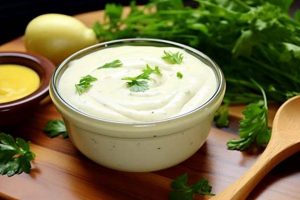
Creamy dressings offer a rich, smooth texture often achieved through the incorporation of ingredients like avocado, tahini, or cashew cream. These ingredients provide a base for flavor development while maintaining a low-acid profile. Avocado dressings, for example, offer a healthy source of fats and can be flavored with herbs, spices, or a touch of low-acid fruit. Tahini-based dressings provide a nutty, slightly bitter flavor that pairs well with Asian-inspired salads or roasted vegetables. Cashew cream, made by soaking and blending cashews, offers a neutral base that readily absorbs other flavors.
- Vinaigrettes
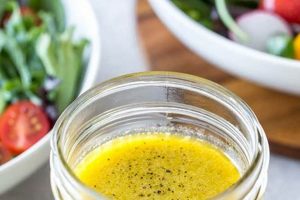
Vinaigrettes, typically characterized by a thinner consistency, rely on a balance of oil and a mild acid component. Instead of high-acid vinegar or citrus juice, low-acid variations might utilize apple cider vinegar, rice vinegar, or even diluted white wine. These milder acids provide a subtle tang without exacerbating acid sensitivities. Flavor complexity is achieved through the addition of herbs, spices, and low-acid fruits or vegetables. A simple vinaigrette might combine extra virgin olive oil with a touch of apple cider vinegar, Dijon mustard, and fresh herbs.
- Fruit-Based Dressings
Fruit-based dressings utilize the natural sweetness and subtle acidity of low-acid fruits to create flavorful and vibrant dressings. Mango, papaya, or even a small amount of berries can be blended or pureed to form the base of the dressing. These dressings often incorporate herbs, spices, and a touch of healthy fat for balance and texture. A mango dressing might combine ripe mango with ginger, lime zest (avoiding the more acidic juice), and a drizzle of olive oil, providing a tropical twist to salads or grilled dishes.
- Herb and Spice Blends
Herb and spice blends offer a simple yet effective way to create diverse low-acid dressings. Combining fresh or dried herbs and spices with a neutral oil base allows for a wide range of flavor profiles. A parsley-mint blend with olive oil provides a refreshing option for summer salads. A cilantro-lime dressing (using zest instead of juice) offers a vibrant, zesty flavor. These blends can be easily customized to individual preferences and paired with various salad ingredients.
These variations showcase the adaptability of low-acid salad dressing recipes to diverse culinary preferences and dietary needs. By exploring different ingredient combinations and preparation methods, individuals can enjoy flavorful and satisfying dressings without compromising their health or digestive comfort. This versatility underscores the potential for creating inclusive and enjoyable dining experiences that cater to a wide range of dietary restrictions and preferences.
Frequently Asked Questions
This section addresses common inquiries regarding low-acid salad dressing formulations, offering clarity and practical guidance for individuals seeking to incorporate these recipes into their dietary routines.
Question 1: What defines a “low-acid” salad dressing?
Low-acid dressings utilize ingredients and preparation methods that minimize overall acidity. This typically involves reducing or eliminating high-acid components like vinegar and citrus juice, while incorporating alternative flavor enhancers such as herbs, spices, and low-acid fruits and vegetables.
Question 2: Are low-acid dressings suitable for all individuals?
While generally beneficial for those seeking to reduce dietary acid, individual tolerances vary. Consulting a healthcare professional is recommended for specific dietary concerns or existing medical conditions. Low-acid dressings are particularly helpful for individuals managing acid reflux, heartburn, or GERD.
Question 3: How can flavor be enhanced in low-acid dressings without relying on vinegar or citrus?
Flavor complexity can be achieved through various techniques. Incorporating fresh or dried herbs, spices, and low-acid fruits and vegetables adds depth and dimension. Balancing flavors with sweetness, umami, or a touch of salt also enhances palatability.
Question 4: What are suitable oil choices for low-acid dressings?
Extra virgin olive oil, avocado oil, and grapeseed oil are excellent choices. These oils provide a neutral base without contributing to acidity and offer potential health benefits due to their fatty acid profiles.
Question 5: How should low-acid dressings be stored to maintain optimal quality and safety?
Refrigeration in airtight containers is essential. Glass containers are generally preferred over plastic to minimize potential interactions. Proper storage practices mitigate spoilage and maintain flavor and texture.
Question 6: Where can one find reliable low-acid salad dressing recipes?
Reputable cookbooks, health-focused websites, and culinary blogs often feature low-acid recipes. Seeking resources specifically addressing dietary restrictions or digestive health concerns can yield valuable results.
Understanding the principles of low-acid dressing formulation empowers informed culinary choices, allowing individuals to manage dietary acid intake without compromising flavor or enjoyment.
Exploring specific recipe examples further illustrates the practical application of these principles and offers inspiration for incorporating low-acid dressings into a variety of meals.
Conclusion
Low-acid salad dressing recipes offer a viable and flavorful approach to dietary management for individuals seeking to reduce acid intake. Careful ingredient selection, focusing on herbs, spices, low-acid fruits, and vegetables, allows for diverse flavor profiles without relying on high-acid components like vinegar or citrus juice. Techniques such as flavor balancing and texture manipulation further enhance the palatability and enjoyment of these dressings. Proper storage practices are essential for maintaining quality and safety due to the increased susceptibility of low-acid foods to spoilage. The potential health benefits, particularly for those managing conditions like acid reflux or GERD, underscore the value of incorporating these recipes into a balanced dietary approach.
Exploration of low-acid culinary practices empowers informed choices and expands dietary options for individuals seeking to prioritize both flavor and well-being. Continued culinary innovation in this area promises further development of diverse and delicious recipes catering to specific dietary needs and preferences, ultimately promoting a more inclusive and enjoyable approach to healthy eating. This focus on culinary adaptation highlights the potential for flavorful and health-conscious cuisine to play a significant role in enhancing quality of life.