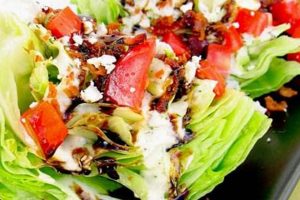
Dishes served at post-funeral gatherings often include cold salads due to their ease of preparation and serving for large groups. These salads typically feature readily available, affordable ingredients and can be made ahead of time, allowing families to focus on grieving and supporting one another. Examples include pasta salads, potato salads, and various vegetable salads with vinaigrette dressings.
Providing food for mourners is a long-standing tradition in many cultures, offering comfort and sustenance during a difficult time. Practical considerations like budget and ease of service often dictate menu choices, making cold salads a popular option. This practice of communal dining after a funeral fosters a sense of community and support, allowing attendees to share memories and offer condolences.
The following sections will explore specific recipes suitable for post-funeral gatherings, addressing dietary restrictions and offering variations to cater to different tastes and preferences. Guidance on preparation, storage, and serving will also be provided to facilitate a smooth and stress-free experience for those hosting these important gatherings.
Tips for Preparing Food for Post-Funeral Gatherings
Careful planning simplifies food preparation for post-funeral receptions, allowing hosts to focus on supporting guests. Consideration should be given to guest preferences, dietary needs, and ease of service.
Tip 1: Plan Ahead: Create a menu and shopping list well in advance. Choose dishes that can be prepared partially or fully ahead of time to minimize stress on the day of the gathering.
Tip 2: Opt for Make-Ahead Dishes: Casseroles, cold salads, and baked goods can be prepared a day or two in advance, freeing up time for other tasks.
Tip 3: Consider Dietary Restrictions: Offer vegetarian, vegan, and gluten-free options to accommodate guests with special dietary needs. Clearly label dishes to avoid confusion.
Tip 4: Choose Simple Recipes: Focus on dishes with readily available ingredients and straightforward preparation methods to streamline the cooking process.
Tip 5: Embrace Potluck Contributions: Accepting offers of food from friends and family can significantly reduce the burden on the host and foster a sense of community support.
Tip 6: Set Up a Self-Serve Buffet: This simplifies serving and allows guests to choose the dishes they prefer and control portion sizes.
Tip 7: Ensure Proper Food Safety: Adhere to safe food handling practices, maintaining proper temperatures for hot and cold dishes to prevent spoilage and illness.
By following these guidelines, one can create a welcoming and supportive environment for guests while minimizing stress during a challenging time.
These practical considerations ensure that the focus remains on commemorating the deceased and providing comfort to those in mourning.
1. Simple Preparation

Simplicity in preparation is a paramount consideration when selecting dishes for post-funeral gatherings. Bereaved families often face numerous logistical and emotional challenges, making elaborate meal preparation impractical. Simple recipes, requiring minimal time and effort, allow hosts to focus on supporting guests and commemorating the deceased, rather than managing complex culinary tasks. A classic potato salad, for instance, exemplifies this principle. Its straightforward preparation, using readily available ingredients, makes it a suitable choice for such occasions.
The practical implications of simple preparation extend beyond mere convenience. Choosing dishes with minimal steps and uncomplicated techniques reduces the potential for errors and stress in the kitchen. This is particularly crucial when catering to a large number of guests, where timing and efficiency are essential. Furthermore, simple recipes often utilize common ingredients, making them budget-friendly and adaptable to varying dietary needs. A simple green salad with a vinaigrette dressing, for example, can be easily modified to exclude allergens or cater to vegetarian or vegan preferences.
Prioritizing simple preparation in the context of funeral catering demonstrates sensitivity and respect for the grieving process. It acknowledges the emotional and logistical burdens faced by the bereaved and offers a practical solution that minimizes stress and maximizes efficiency. By focusing on simple, yet nourishing, dishes, hosts can provide comfort and sustenance to guests without diverting attention from the primary purpose of the gathering: remembrance and support.
2. Make-ahead Convenience

Make-ahead convenience is a critical factor when selecting dishes for post-funeral gatherings. The bereaved often face significant emotional and logistical demands, making time-consuming meal preparation impractical. Dishes prepared in advance alleviate stress and allow hosts to focus on supporting guests and commemorating the deceased.
- Reduced Day-of Stress
Preparing salads in advance significantly reduces the workload on the day of the gathering. This allows hosts to attend to other important tasks, such as greeting guests and managing logistical details, without the added pressure of last-minute meal preparation. A classic coleslaw, for instance, can be made a day or two ahead of time, retaining its flavor and texture.
- Improved Time Management
Make-ahead dishes optimize time management during a period of high emotional and logistical demands. By completing food preparation beforehand, hosts can dedicate more time to other essential arrangements, such as coordinating with the funeral home or supporting grieving family members. Preparing a large batch of pasta salad, for example, a day in advance frees up valuable time on the day of the event.
- Enhanced Flavor Development
Certain salads benefit from being prepared ahead of time, as the flavors have an opportunity to meld and deepen. This is particularly true for dishes with marinated ingredients, such as a Greek salad, where the vegetables absorb the flavors of the dressing over time.
- Simplified Serving
Make-ahead salads simplify serving logistics. Dishes can be portioned and arranged in advance, streamlining the buffet setup and minimizing the need for last-minute food handling. This is particularly helpful when catering to a large number of guests.
Prioritizing make-ahead convenience in funeral catering demonstrates sensitivity to the emotional and logistical complexities surrounding bereavement. By selecting dishes that can be prepared in advance, hosts can provide comforting meals for their guests without adding to their burdens, allowing the focus to remain on remembrance and support.
3. Budget-Friendly Ingredients

Budgetary considerations often play a significant role in planning post-funeral gatherings. Selecting affordable ingredients for salads allows families to provide comforting meals for guests without incurring excessive costs. This practicality enables a focus on supporting one another during a difficult time without adding financial strain.
- Emphasis on Seasonal Produce
Utilizing seasonal fruits and vegetables offers significant cost savings compared to out-of-season options. In-season produce is typically more abundant and readily available, resulting in lower prices. A summer salad featuring ripe tomatoes, cucumbers, and corn, for example, leverages the affordability of seasonal ingredients.
- Versatile Pantry Staples
Dried beans, lentils, grains, and pasta serve as economical bases for salads. These pantry staples are typically less expensive than meat or specialty ingredients and offer nutritional value. A lentil salad with chopped vegetables and a simple vinaigrette provides a hearty and affordable option.
- Minimizing Pre-cut Ingredients
Purchasing whole vegetables and fruits, rather than pre-cut options, offers considerable savings. While pre-cut ingredients offer convenience, they often come at a premium price. Taking the time to chop ingredients at home significantly reduces costs.
- Creative Use of Leftovers
Incorporating leftover cooked chicken or roasted vegetables into a salad stretches food budgets and minimizes waste. Repurposing leftovers into new dishes demonstrates resourcefulness and prevents unnecessary expenses.
By prioritizing budget-friendly ingredients, families can provide nourishing and comforting meals for guests without undue financial burden. This thoughtful approach allows the focus to remain on supporting one another during a time of grief and remembrance.
4. Crowd-pleasing flavors

Palatable and familiar flavors are paramount in funeral salad recipes. During times of grief, comfort food offers solace and nourishment. Selecting readily accepted flavors ensures that attendees, facing emotional stress, can find sustenance without encountering unfamiliar or potentially unappetizing dishes. This consideration promotes a sense of ease and familiarity during a challenging time.
- Balancing Familiar and Varied Tastes
While classic flavor profiles are generally preferred, incorporating a degree of variety caters to a wider range of preferences. A traditional potato salad alongside a slightly more adventurous broccoli salad with cranberries and sunflower seeds offers both familiarity and a touch of novelty, appealing to a broader audience. This approach ensures that most attendees find something palatable.
- Considering Regional Preferences
Regional culinary traditions can influence flavor preferences. Incorporating locally favored ingredients and seasonings demonstrates cultural sensitivity and increases the likelihood of guest satisfaction. For example, a seven-layer salad might resonate particularly well in certain regions of the United States, while other areas might favor a lighter vinaigrette-based salad.
- Prioritizing Freshness and Quality Ingredients
The quality of ingredients directly impacts flavor. Opting for fresh, high-quality produce and other components elevates the overall taste and perceived value of the dishes. Using fresh herbs, ripe tomatoes, and crisp lettuce, for example, enhances the flavor profile and presentation of a simple garden salad.
- Accommodating Dietary Restrictions with Flavorful Alternatives
Dietary restrictions should not compromise flavor. Providing flavorful vegetarian, vegan, or gluten-free options ensures inclusivity and demonstrates consideration for guests’ needs. A vibrant quinoa salad with roasted vegetables, for instance, can be a delicious and satisfying option for those avoiding gluten or animal products.
Crowd-pleasing flavors in funeral salads offer comfort and familiarity during a difficult time. By balancing familiar tastes with a degree of variety and prioritizing fresh, high-quality ingredients, hosts can provide nourishing and appealing dishes that cater to a range of preferences and dietary needs. This thoughtful approach allows attendees to focus on supporting one another and commemorating the deceased without culinary distractions.
5. Dietary Accommodations

Dietary accommodations are essential when planning funeral receptions. Guests may have allergies, intolerances, or follow specific diets for religious or ethical reasons. Offering inclusive options demonstrates consideration and ensures all attendees can comfortably partake in the meal. Failing to accommodate dietary needs can lead to exclusion and discomfort, detracting from the gathering’s purpose of support and remembrance. Providing gluten-free options, for example, caters to those with celiac disease or gluten sensitivity, while vegetarian or vegan choices accommodate those who abstain from animal products. Labeling dishes clearly with ingredient information assists guests in making informed choices.
Practical implementation of dietary accommodations in funeral salad recipes often involves simple modifications. A standard pasta salad can be adapted by using gluten-free pasta and ensuring the dressing contains no hidden gluten. A conventional potato salad can be made vegan by substituting the mayonnaise with a plant-based alternative. Offering a separate green salad with a variety of dressings allows guests to customize their meal according to their needs. Providing a clear allergen list alongside each dish minimizes the risk of accidental exposure and empowers guests to make safe choices.
Successfully navigating dietary restrictions requires careful planning and communication. Communicating with guests beforehand to ascertain specific needs allows for targeted preparation. When utilizing catered services, clear communication with the caterer regarding dietary restrictions is crucial. This proactive approach ensures that all attendees feel included and cared for during a sensitive time. The provision of diverse and inclusive options transforms the shared meal into a gesture of support and understanding, fostering a sense of community and comfort.
Frequently Asked Questions about Providing Food for Post-Funeral Gatherings
This section addresses common queries regarding food preparation and service for post-funeral receptions, offering practical guidance for navigating this sensitive aspect of bereavement.
Question 1: What are appropriate food choices for a post-funeral reception?
Dishes suitable for post-funeral gatherings should be easy to serve and transport, offer a variety of flavors and textures, and accommodate common dietary restrictions. Consider casseroles, cold salads, sandwiches, and finger foods.
Question 2: How can dietary restrictions be accommodated?
Communicating with attendees beforehand helps identify specific dietary needs. Offering clearly labeled dishes with vegetarian, vegan, and gluten-free options ensures inclusivity. Ingredient lists should be readily available to prevent accidental allergen exposure.
Question 3: Is it appropriate to ask for contributions to a potluck-style meal?
Requesting contributions to a potluck is often acceptable and can alleviate the burden on the hosting family. Clear communication regarding desired dishes and quantities helps prevent duplicates and ensures a balanced meal.
Question 4: What are some budget-friendly food options?
Prioritizing dishes with readily available, seasonal ingredients minimizes costs. Casseroles, soups, and salads utilizing pantry staples offer economical and nourishing choices.
Question 5: How can food be kept at safe temperatures during the gathering?
Utilizing chafing dishes, slow cookers, and insulated containers helps maintain safe serving temperatures for hot foods. Cold dishes should be kept chilled on ice or in refrigerators until serving time.
Question 6: What are some practical tips for serving food efficiently?
Setting up a buffet-style arrangement streamlines serving and allows guests to select their preferred dishes. Clearly labeled serving utensils and ample serving space minimize congestion and promote a smooth flow.
Careful planning and consideration of these practical aspects allow the focus to remain on supporting the bereaved and commemorating the deceased.
The following section offers specific recipes tailored for post-funeral gatherings, providing detailed instructions and variations to accommodate different dietary needs and preferences.
Conclusion
Careful consideration of menu planning for post-funeral gatherings demonstrates respect for the bereaved and provides comfort to attendees. Dishes like those discussed, often featuring simple salads, offer practical solutions for feeding a large group while minimizing the burden on grieving families. Prioritizing make-ahead convenience, budget-friendly ingredients, crowd-pleasing flavors, and dietary accommodations ensures that the meal provides sustenance and solace without adding to the emotional and logistical complexities of the occasion.
The act of sharing a meal after a funeral holds cultural significance, fostering a sense of community and support. By thoughtfully planning the menu, hosts can create an environment conducive to remembrance, connection, and healing. This attention to detail transforms a simple meal into a meaningful gesture of support, allowing attendees to focus on commemorating the deceased and consoling one another during a challenging time.