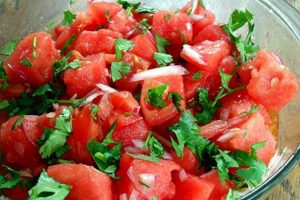
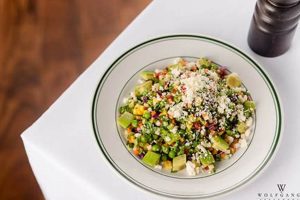
This Tuscan bread salad combines stale bread, juicy tomatoes, crisp cucumbers, and onions, dressed with a vibrant vinaigrette. Variations often include other fresh vegetables, capers, basil, and sometimes anchovies. A classic example utilizes day-old ciabatta bread, ripe tomatoes, red onion, cucumber, fresh basil, olive oil, red wine vinegar, salt, and pepper.
Resourcefulness lies at the heart of this dish, transforming what might otherwise be discarded into a satisfying and flavorful meal. Its origins in Tuscany reflect a tradition of minimizing food waste, utilizing leftover bread to create something both delicious and economical. The bright, acidic vinaigrette complements the soaked bread, creating a balance of textures and flavors, making it a refreshing choice for warmer weather.
Further exploration will cover variations on the classic preparation, techniques for achieving optimal bread texture, and suggestions for ingredient pairings to elevate this simple salad to new heights.
Tips for Panzanella Salad Preparation
Achieving the perfect panzanella hinges on a few key steps. Attention to detail, from bread selection to vinaigrette preparation, ensures a balanced and flavorful result.
Tip 1: Bread Selection is Crucial: Opt for rustic, day-old bread with a sturdy texture, such as ciabatta, Tuscan bread, or a country loaf. Avoid overly soft breads that will disintegrate when soaked.
Tip 2: Proper Bread Preparation: Tear the bread into bite-sized pieces rather than cubing it. This creates more surface area for absorbing the vinaigrette and provides varied textural interest.
Tip 3: Controlled Soaking: Don’t over-soak the bread. Aim for a texture that is moist and yielding but not mushy. The bread should retain some structural integrity.
Tip 4: Tomato Selection and Preparation: Utilize ripe, flavorful tomatoes. Heirloom varieties offer diverse colors and sweetness. Remove excess seeds and juice to prevent the salad from becoming watery.
Tip 5: Vinaigrette Balance: A balance of acidity and richness is essential. Use high-quality olive oil and red wine vinegar. A touch of Dijon mustard can add depth and emulsification.
Tip 6: Ingredient Timing: Add the more delicate ingredients, such as fresh basil and herbs, just before serving to preserve their freshness and prevent wilting.
Tip 7: Seasoning Adjustments: Season the salad progressively, tasting and adjusting as needed. The salt helps draw out moisture from the tomatoes and enhances the other flavors.
By following these tips, one can elevate this simple salad to a truly delightful culinary experience. A well-executed panzanella offers a harmonious balance of flavors and textures, making it a satisfying and refreshing dish.
By understanding these nuances, one can fully appreciate the potential of this versatile salad and create a truly memorable dining experience.
1. Bread selection

Bread selection significantly impacts the final quality of panzanella salad. The bread acts as a foundation, absorbing the vinaigrette and contributing to the overall texture and flavor profile. Choosing an appropriate loaf prevents a soggy, unappetizing outcome. Ideal choices possess a sturdy structure and open crumb, enabling them to soak up the dressing without disintegrating. Day-old bread, slightly dried, performs best. Examples include ciabatta, Tuscan bread, or a rustic country loaf. Conversely, soft sandwich breads or those with a dense crumb are unsuitable, as they tend to become mushy and lose their textural appeal.
The interplay between bread and vinaigrette is crucial. A robust bread holds its shape while absorbing the dressing, contributing a pleasant chewiness to the salad. This absorption also prevents the vinaigrette from pooling at the bottom of the bowl, ensuring even flavor distribution. For instance, a dense, sourdough loaf might overwhelm the delicate flavors of the tomatoes and other vegetables, whereas a light and airy focaccia may become too saturated and lose its structural integrity. Choosing the correct bread balances absorption and structural integrity, enhancing the salad’s overall composition.
Selecting appropriate bread is fundamental to a successful panzanella salad. This choice directly influences the final texture and flavor, preventing a common pitfall: a soggy, unbalanced dish. Understanding the relationship between bread type and vinaigrette absorption allows for informed decisions, resulting in a harmonious blend of flavors and textures. This knowledge empowers one to create a truly exceptional panzanella experience.
2. Tomato variety
Tomato variety significantly influences the flavor profile of panzanella salad. The inherent sweetness, acidity, and texture of the chosen tomato contribute to the overall balance and complexity of the dish. Careful selection elevates the salad beyond a simple combination of ingredients, creating a nuanced culinary experience. Understanding the characteristics of different tomato varieties allows for informed decisions that complement the other components of the salad.
- Ripeness and Flavor:
Peak ripeness is paramount. Tomatoes at their peak offer optimal sweetness and juiciness, which contrast beautifully with the savory notes of the bread and vinaigrette. Underripe tomatoes lack flavor, while overripe ones can become mealy and contribute excess moisture to the salad. Ripe heirloom varieties, such as Brandywine or Cherokee Purple, provide a depth of flavor often absent in commercially grown tomatoes. Their varied colors also enhance the visual appeal of the dish.
- Acidity and Balance:
The tomato’s acidity plays a crucial role in balancing the richness of the olive oil and the potential sweetness of the bread. Tomatoes with a higher acidity level, such as San Marzano or Early Girl, provide a refreshing brightness that cuts through the other flavors. This acidity also complements the sharpness of the red wine vinegar typically used in the vinaigrette, preventing the salad from becoming overly rich.
- Texture and Structural Integrity:
The tomato’s texture contributes to the overall mouthfeel of the salad. While juiciness is desirable, excessive water content can make the salad soggy. Tomatoes like Roma or plum tomatoes, with their denser flesh and fewer seeds, hold their shape well and contribute less moisture. This is particularly important when using softer breads, as it helps maintain the desired textural contrast between the bread and the other ingredients.
- Variety and Flavor Combinations:
Utilizing a mix of tomato varieties offers a broader spectrum of flavors and visual interest. Combining sweet cherry tomatoes with the tangy acidity of yellow pear tomatoes, for instance, introduces complexity and depth. The contrasting colors and shapes of different varieties create a visually appealing presentation, enhancing the overall dining experience.
The careful consideration of tomato variety elevates panzanella salad from a simple rustic dish to a complex and nuanced culinary creation. The interplay of sweetness, acidity, and texture within the chosen tomatoes enhances the overall flavor profile and ensures a balanced and satisfying experience. Selecting the right tomato varieties complements the other ingredients, creating a harmonious blend of flavors that exemplifies the essence of this classic Tuscan salad.
3. Vinaigrette Balance

Vinaigrette balance is paramount in panzanella salad recipes. The vinaigrette serves not only as a dressing but also as a critical component influencing the texture and overall flavor profile. A properly balanced vinaigrette enhances the other ingredients without overpowering them, contributing to the dish’s characteristic harmony. An imbalance can lead to a salad that is either too acidic, too oily, or lacking in depth of flavor. The delicate interplay between acidity, oil, and seasoning determines the success of the panzanella.
The primary elements of vinaigrette balance involve the ratio of oil to vinegar, the type of oil and vinegar used, and the inclusion of additional seasonings. A typical ratio is three parts oil to one part vinegar, although this can be adjusted based on personal preference and the specific ingredients in the salad. For example, a panzanella with sweeter tomatoes might benefit from a slightly higher vinegar ratio to provide a contrasting tartness. The type of oil also plays a significant role. Extra virgin olive oil is traditional, contributing a fruity and peppery flavor, while other oils, like avocado or grapeseed, offer a more neutral profile. The vinegar choice further influences the balance; red wine vinegar provides a robust sharpness, while white wine vinegar or balsamic vinegar offer milder, sweeter notes. Finally, seasonings such as salt, pepper, Dijon mustard, minced garlic, or chopped fresh herbs add complexity and depth to the vinaigrette, enhancing its overall impact on the salad.
Achieving vinaigrette balance requires careful consideration of the interplay between ingredients and an understanding of how these elements interact. It is not merely a matter of following a set recipe but rather of tasting and adjusting based on the specific components of the salad. A well-balanced vinaigrette enhances the flavors of the tomatoes, bread, and other vegetables, creating a cohesive and enjoyable culinary experience. Mastery of vinaigrette balance is essential for creating a truly exceptional panzanella salad, demonstrating an understanding of the fundamental principles of flavor harmony.
4. Ingredient freshness
Ingredient freshness is paramount in panzanella salad recipes. This salad, relying heavily on fresh produce, particularly tomatoes, benefits significantly from high-quality, seasonal ingredients. The dish’s simplicity amplifies the flavors of each component; thus, ingredient freshness becomes crucial for a successful outcome. Utilizing subpar or out-of-season produce compromises the overall taste and texture, diminishing the intended vibrancy of the salad.
- Tomatoes:
Ripe, in-season tomatoes provide the foundation of flavor. Their sweetness and acidity balance the other ingredients. Choosing tomatoes at their peak ensures optimal juiciness and flavor, contributing to the salad’s refreshing quality. Out-of-season tomatoes often lack the necessary vibrancy and can negatively impact the overall taste.
- Bread:
While day-old bread is preferred for its texture, its freshness still matters. Stale bread should not be moldy or excessively dry. A slightly dried, high-quality loaf ensures the bread absorbs the vinaigrette without becoming mushy, maintaining a desirable chewiness.
- Herbs:
Fresh basil is a common addition to panzanella, providing a bright, peppery note. Other herbs, such as parsley or mint, can also complement the other flavors. Using fresh, vibrant herbs enhances the overall aroma and taste of the salad, contributing to its refreshing character. Dried herbs lack the same intensity and can impart a dull flavor.
- Vegetables:
Other vegetables commonly included, such as cucumbers and red onion, also benefit from freshness. Crisp cucumbers and pungent red onion add textural and flavor complexity. Freshness ensures these vegetables contribute the intended crunch and sharpness, rather than a watery or softened texture.
The emphasis on ingredient freshness underscores the essence of panzanella salad. This dish, in its simplicity, highlights the quality of its components. Selecting fresh, seasonal produce ensures optimal flavor and texture, maximizing the enjoyment of this classic Tuscan salad. A commitment to ingredient freshness elevates the panzanella experience, showcasing the inherent flavors of each element in a harmonious and refreshing combination.
5. Seasoning Adjustments

Seasoning adjustments are integral to achieving a well-balanced and flavorful panzanella salad. This process goes beyond simply adding salt and pepper; it involves a nuanced understanding of how different seasonings interact with the other ingredients, particularly the tomatoes, bread, and vinaigrette. The inherent sweetness of ripe tomatoes, the subtle tang of the vinegar, and the richness of the olive oil require careful seasoning adjustments to create a harmonious flavor profile. Improper seasoning can result in a bland or overly acidic salad, failing to showcase the inherent qualities of the ingredients. Conversely, judicious seasoning elevates the individual components while creating a unified and delicious whole.
Consider the impact of salt. Salt not only enhances the flavors of the tomatoes and other vegetables but also plays a crucial role in drawing out excess moisture. This is particularly important in panzanella, as excess moisture can lead to a soggy salad. Salting the tomatoes separately before adding them to the salad helps prevent this issue. Similarly, the bread benefits from a light seasoning, enhancing its flavor and preventing it from becoming bland after absorbing the vinaigrette. Beyond salt and pepper, consider other seasonings that complement the core ingredients. A pinch of red pepper flakes can add a subtle heat, while a touch of Dijon mustard in the vinaigrette provides depth and complexity. Fresh herbs, such as basil or oregano, contribute an aromatic dimension, further enhancing the overall flavor profile. The specific seasonings used and their quantities should be adjusted based on the individual ingredients and personal preference, demonstrating a thoughtful approach to flavor development.
Mastering seasoning adjustments in panzanella requires attentiveness and a willingness to experiment. It is an iterative process, involving tasting and adjusting throughout the preparation. The ultimate goal is to create a balanced flavor profile where no single ingredient dominates, allowing the inherent qualities of each component to shine through. This careful attention to seasoning transforms a simple combination of ingredients into a complex and satisfying culinary experience, showcasing the transformative power of well-executed seasoning adjustments.
6. Soaking technique
Soaking technique is pivotal in panzanella salad recipes. This technique governs the bread’s final texture, a defining characteristic of this Tuscan salad. The objective is to soften the bread, allowing it to absorb the vinaigrette’s flavors while retaining sufficient structure to prevent a soggy, unappetizing result. The balance between moistness and structural integrity hinges on the soaking method employed. Insufficient soaking yields hard, dry bread that clashes with the other ingredients, whereas excessive soaking produces a mushy texture lacking textural contrast.
Several factors influence the optimal soaking technique. Bread type plays a significant role; denser breads require longer soaking times than airier loaves. The vinaigrette’s acidity also impacts the process; higher acidity levels soften bread more quickly. Ambient temperature further affects soaking time; warmer temperatures accelerate softening. Practical examples illustrate this interplay: a dense, day-old loaf of ciabatta might require a 15-20 minute soak in a robust red wine vinaigrette, while a lighter focaccia may only need 10-15 minutes. Furthermore, a vinaigrette with a higher balsamic vinegar content will soften the bread faster than one with a milder white wine vinegar base. Observation and adjustment are key; the bread should yield slightly to pressure but maintain a discernible shape. Draining excess vinaigrette after soaking prevents oversaturation and ensures a balanced final product.
Mastery of soaking technique distinguishes a truly exceptional panzanella salad. This process, seemingly simple, significantly impacts the final dish. Understanding the interplay of bread type, vinaigrette composition, and ambient temperature allows for precise control over the bread’s texture, ensuring a harmonious balance between moistness and structure. This attention to detail elevates the panzanella experience, highlighting the importance of technique in achieving culinary excellence. A well-executed soaking technique ensures the bread serves as a flavorful, texturally satisfying foundation for the other ingredients, showcasing the nuanced understanding required for creating a truly authentic and delicious panzanella salad.
7. Optional additions

Optional additions represent an opportunity to personalize and enhance panzanella salad recipes. While the core componentsbread, tomatoes, and vinaigretteestablish the foundation, optional additions introduce layers of flavor, texture, and visual appeal. These additions transform the salad from a simple Tuscan staple into a versatile dish adaptable to individual preferences and seasonal ingredient availability. Understanding the role and impact of optional additions allows for creative exploration and customization, resulting in a more complex and satisfying culinary experience.
Several categories of optional additions commonly enhance panzanella. Vegetables, such as cucumbers, bell peppers, and red onion, contribute contrasting textures and flavors, balancing the sweetness of the tomatoes and the richness of the vinaigrette. Protein elements, including anchovies, grilled chicken, or chickpeas, introduce savory depth and a more substantial character. Cheese, like feta or mozzarella, adds a creamy, salty dimension, complementing the other ingredients. Fresh herbs, beyond the traditional basil, such as mint, parsley, or oregano, provide aromatic complexity and visual interest. Capers, olives, and artichoke hearts introduce briny, salty notes, further expanding the flavor profile. Specific examples illustrate the potential: adding grilled halloumi cheese offers a salty, chewy counterpoint to the soft tomatoes, while incorporating roasted red peppers introduces a smoky sweetness. The choice of additions should consider the overall balance of flavors and textures, aiming for a harmonious result.
Strategic incorporation of optional additions elevates panzanella salad recipes. This customization extends beyond mere preference; it reflects an understanding of flavor pairings and textural interplay. Thoughtful additions enhance the core components, creating a more nuanced and satisfying sensory experience. However, restraint remains crucial. Overcrowding the salad with too many additions can mask the essential flavors of the bread, tomatoes, and vinaigrette, resulting in a muddled and unbalanced dish. The judicious selection and incorporation of optional additions demonstrate a culinary awareness, transforming panzanella from a simple salad into a personalized expression of flavor and creativity.
Frequently Asked Questions
This section addresses common inquiries regarding panzanella salad preparation, offering practical guidance for achieving optimal results.
Question 1: Can fresh bread be used for panzanella?
While day-old bread is traditional, fresh bread can be used. However, it requires careful toasting or grilling to achieve the necessary dryness and structural integrity. Simply toasting the bread until lightly golden brown often suffices. This process removes excess moisture, preventing the bread from becoming overly soggy when combined with the vinaigrette.
Question 2: How long can panzanella be stored?
Panzanella is best enjoyed immediately after preparation. Storage is not generally recommended, as the bread continues to absorb moisture from the vinaigrette and vegetables, potentially leading to a soggy texture. If storage is unavoidable, consume the salad within a few hours and store it separately from the dressing, combining them just before serving.
Question 3: What can be substituted for red wine vinegar?
White wine vinegar or apple cider vinegar offer suitable alternatives to red wine vinegar. These options provide a milder acidity, which can be desirable depending on the chosen tomato variety and other ingredients. Lemon juice can also be used, offering a brighter, citrusy note, although it may alter the overall flavor profile.
Question 4: Is it necessary to remove the tomato seeds and pulp?
Removing excess tomato seeds and pulp helps prevent the salad from becoming watery. While some moisture contributes to the bread’s softening, excessive moisture can lead to a soggy texture. This step is particularly important when using particularly juicy tomato varieties.
Question 5: What are some suitable protein additions for a more substantial salad?
Grilled chicken, chickpeas, cannellini beans, or flaked tuna provide protein and complement the other flavors. These additions transform panzanella into a more complete meal, offering a balance of nutrients and textures.
Question 6: Can panzanella be adapted for different dietary needs?
Adaptations for gluten-free diets utilize gluten-free bread. Vegan versions omit cheese and anchovies, while vegetarian versions might incorporate cheese but exclude anchovies. These modifications allow for customization while maintaining the essential character of the dish.
Careful consideration of these frequently asked questions facilitates successful panzanella preparation, resulting in a balanced and flavorful salad. Understanding these nuances empowers one to adapt the recipe to personal preferences and available ingredients, showcasing the dish’s versatility and enduring appeal.
This concludes the frequently asked questions section. The following sections will offer further insights and culinary inspiration.
Conclusion
Panzanella salad recipes represent a culinary tradition rooted in resourcefulness and flavor. Exploration of this classic Tuscan salad reveals the importance of ingredient selection, highlighting the interplay between bread, tomatoes, and vinaigrette. Proper bread selection and soaking technique ensure optimal texture, preventing sogginess. Tomato variety influences the overall flavor profile, balancing sweetness and acidity. Vinaigrette balance further enhances the dish, harmonizing the diverse components. Optional additions offer opportunities for personalization, expanding the flavor and textural possibilities while maintaining the salad’s essential character. Careful attention to these elements yields a dish that transcends its humble origins, offering a complex and satisfying culinary experience.
The enduring appeal of panzanella lies in its simplicity and adaptability. This exploration encourages a deeper appreciation for the nuances of ingredient selection, preparation techniques, and flavor balance, empowering culinary experimentation and a renewed appreciation for this classic dish. Panzanella salad recipes provide a framework for culinary creativity, inviting further exploration of flavor profiles and ingredient combinations, ensuring its continued presence in culinary traditions worldwide.