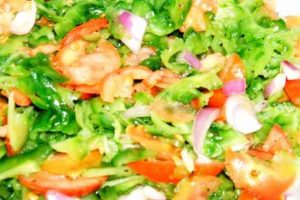
This dish typically involves crumbled dry ramen noodles, combined with a variety of fresh, crisp vegetables like cabbage, carrots, and edamame. A flavorful dressing, often based on sesame oil, soy sauce, and vinegar, adds a tangy and savory element. The uncooked noodles provide a satisfying crunch and absorb the dressing, creating a unique textural experience.
The appeal lies in its ease of preparation, adaptability, and affordability. It serves as a refreshing side dish or a light meal, suitable for picnics, potlucks, or quick lunches. Its origins trace back to variations of Asian noodle salads, adapting readily to available ingredients and evolving into a popular contemporary dish, particularly in North America.
Discussions regarding this culinary creation often encompass variations in ingredients, dressing recipes, and techniques for achieving optimal texture. Further exploration may include nutritional information, alternative preparations, and cultural influences.
Tips for a Superior Ramen Salad
Creating a successful dish involves attention to detail and an understanding of key elements that contribute to both flavor and texture. The following tips offer guidance for an enhanced culinary experience.
Tip 1: Noodle Preparation is Key: While the noodles remain uncooked, briefly toasting them in a dry pan enhances their inherent nutty flavor and contributes to a crisper final product. Avoid over-toasting, which can lead to bitterness.
Tip 2: Embrace Fresh, Crisp Vegetables: Select vegetables that offer both vibrant color and a satisfying crunch. Shredded cabbage, julienned carrots, sliced bell peppers, and snap peas are excellent choices.
Tip 3: The Dressing Makes the Dish: A well-balanced dressing is crucial. The classic combination of sesame oil, soy sauce, rice vinegar, and a touch of sweetness provides a harmonious blend of savory, tangy, and slightly sweet notes.
Tip 4: Customize to Preference: The adaptable nature of this salad allows for ingredient variations. Consider adding protein elements such as shredded chicken, edamame, or toasted sesame seeds. Experiment with different vegetables and flavor profiles to personalize the recipe.
Tip 5: Timing is Everything: To maintain the desired crunch, combine the dressing with the other ingredients just before serving. This prevents the noodles and vegetables from becoming soggy.
Tip 6: Don’t Overcrowd the Bowl: Allow space for the ingredients to mingle without becoming compressed. This helps to maintain the desired texture and allows the flavors to meld effectively.
Tip 7: Consider a Garnish: A sprinkle of toasted sesame seeds, chopped green onions, or a dusting of red pepper flakes adds visual appeal and a final layer of flavor.
By following these tips, one can elevate a simple combination of ingredients into a delightful culinary creation, offering a balance of textures, flavors, and visual appeal.
The subsequent sections will explore specific recipe variations and offer further insights into ingredient selection and preparation techniques.
1. Crisp Vegetables
Crisp vegetables are fundamental to a successful crunchy ramen salad recipe, providing textural complexity and a refreshing counterpoint to the savory dressing and noodles. Their selection and preparation significantly influence the overall sensory experience.
- Variety and Selection
A diverse range of crisp vegetables contributes both visual appeal and a broader spectrum of flavors. Common choices include shredded cabbage, julienned carrots, sliced bell peppers, chopped celery, and snap peas. Selecting vegetables with varying levels of sweetness, bitterness, and water content creates a more balanced and nuanced salad.
- Preparation Techniques
Proper preparation methods are essential for maintaining the desired crispness. Vegetables should be washed thoroughly and dried to prevent excess moisture from diluting the dressing or softening the noodles. Cutting vegetables into uniform shapes and sizes ensures even coating and consistent texture throughout the salad.
- Storage and Timing
To preserve crispness, vegetables should be stored correctly and added to the salad at the optimal time. Refrigerating vegetables in airtight containers helps maintain their texture. Adding the vegetables to the salad just before serving prevents them from becoming soggy from prolonged exposure to the dressing.
- Balancing Flavors and Textures
The choice of vegetables should complement the other ingredients in the salad. Consider the balance of sweet, savory, and spicy elements. For example, the slight sweetness of shredded carrots can balance the saltiness of the soy sauce-based dressing, while the peppery bite of radishes adds a contrasting flavor dimension.
The careful consideration of crisp vegetables elevates the crunchy ramen salad recipe from a simple dish to a multi-sensory experience. The interplay of textures and flavors, driven by the fresh, crisp vegetables, contributes significantly to the salad’s overall appeal.
2. Flavorful Dressing

Flavorful dressing is paramount to a successful crunchy ramen salad recipe. It serves as the unifying element, binding the diverse ingredients and imparting a cohesive flavor profile. The dressing’s role extends beyond mere seasoning; it contributes significantly to the overall sensory experience, balancing the textures and enhancing the individual flavors of the components. A well-crafted dressing elevates the dish from a simple combination of ingredients to a harmonious and satisfying culinary creation. For example, a dressing based on sesame oil, rice vinegar, and soy sauce provides a savory, tangy, and slightly sweet profile that complements the crunch of the noodles and vegetables.
The interplay between the dressing and the other ingredients creates a dynamic flavor profile. The dressing’s viscosity coats the noodles and vegetables, ensuring even distribution of flavor. Furthermore, the dressing’s acidity can soften the noodles slightly over time, modulating the textural contrast between the crunchy vegetables and the initially firm ramen. This dynamic interplay is crucial; a bland or poorly balanced dressing can result in a lackluster salad, while a well-conceived dressing can transform ordinary ingredients into a memorable dish. For instance, the addition of ginger or garlic to the dressing can introduce a pungent note that complements the other flavors.
Achieving the optimal balance of flavors within the dressing requires careful consideration of the other ingredients in the salad. The dressing should neither overpower the delicate flavors of the vegetables nor be masked by the inherent nuttiness of the ramen noodles. A harmonious balance allows each component to contribute to the overall flavor profile, creating a complex and satisfying culinary experience. Ultimately, the flavorful dressing is the key to unlocking the full potential of the crunchy ramen salad recipe. Its careful consideration ensures a dish that is both delicious and texturally engaging. The proper balance of sweet, savory, tangy, and spicy elements within the dressing is essential for a successful and enjoyable culinary outcome.
3. Uncooked Ramen

Uncooked ramen noodles are the defining ingredient, providing the characteristic crunch that distinguishes this salad from other variations. Their distinct texture and ability to absorb the dressing are crucial to the dish’s success. Understanding their properties and preparation is essential for achieving the desired outcome.
- Texture and Crunch
The brittle nature of uncooked ramen provides a satisfying contrast to the softer vegetables and creates a textural complexity that elevates the salad. The initial crispness gradually softens as the noodles absorb the dressing, offering a dynamic textural experience throughout the meal. This textural element distinguishes the salad from traditional pasta salads or those using cooked ramen, which lack the same level of crunch.
- Flavor Absorption
The porous nature of uncooked ramen allows the noodles to absorb the dressing effectively, ensuring that the flavor is evenly distributed throughout the salad. This absorption also contributes to a subtle softening of the noodles over time, further enhancing the textural complexity. The ability of the noodles to carry the flavor of the dressing is crucial, as it prevents the dressing from pooling at the bottom of the bowl or overwhelming the other ingredients.
- Preparation and Pre-Treatment
While the noodles are used uncooked, certain pre-treatments can enhance their flavor and texture. Briefly toasting the noodles in a dry pan before adding them to the salad deepens their nutty flavor and amplifies their crunch. Crushing the noodles into smaller pieces also facilitates even distribution throughout the salad and ensures a pleasant bite in each mouthful.
- Alternatives and Considerations
While traditional instant ramen noodles are commonly used, alternative varieties, such as those made with different flours or flavorings, can offer variations in taste and texture. Gluten-free ramen options cater to specific dietary needs. Choosing high-quality noodles without excessive seasoning packets ensures a balanced flavor profile and allows the dressing to shine.
The interplay of texture, flavor absorption, and pre-treatment techniques contributes significantly to the unique character of the crunchy ramen salad. The uncooked ramen noodles, far from being a mere convenience ingredient, are essential to the dish’s identity, providing the signature crunch and serving as a canvas for the flavorful dressing and crisp vegetables.
4. Textural Contrast

Textural contrast is a defining characteristic of a successful crunchy ramen salad recipe. The interplay of various textures creates a more engaging and satisfying sensory experience, elevating the dish beyond a simple combination of ingredients. This contrast arises from the careful selection and preparation of components, each contributing a unique textural element to the overall composition.
- Crispy Noodles
The uncooked ramen noodles provide the foundational crunch, offering a brittle texture that contrasts sharply with the other ingredients. This initial crispness gradually softens as the noodles absorb the dressing, creating a dynamic textural shift throughout the meal. The choice of noodle, and any pre-treatment such as toasting, impacts the intensity and longevity of this crunch.
- Fresh Vegetables
Crisp vegetables, such as shredded cabbage, julienned carrots, and chopped bell peppers, introduce a refreshing counterpoint to the noodles. Their crispness offers a distinct textural layer, providing a juicy, snappy bite that contrasts with the drier crunch of the ramen. The selection of vegetables and their preparation, such as slicing or shredding, influences the specific textural contribution.
- Other Elements
Additional ingredients, such as toasted sesame seeds, chopped nuts, or crispy fried onions, can further enhance the textural complexity. These elements introduce contrasting levels of crunch and contribute to a more varied and dynamic mouthfeel. Their inclusion adds depth and nuance to the overall textural experience.
- The Role of the Dressing
The dressing, while primarily contributing flavor, also plays a role in modulating the textural contrast. Its viscosity coats the ingredients, influencing their interaction and how they feel in the mouth. The dressing’s acidity can also subtly soften the noodles over time, further evolving the textural interplay throughout the meal.
The interplay of these textural elements is crucial for a well-executed crunchy ramen salad recipe. A balance of crispness, crunch, and subtle softness creates a more dynamic and enjoyable eating experience. The careful consideration of textural contrast elevates the dish from a simple salad to a multi-sensory culinary delight.
5. Easy Preparation

Ease of preparation is a significant factor contributing to the popularity of the crunchy ramen salad recipe. The dish requires minimal cooking, primarily relying on readily available ingredients and simple assembly. This characteristic makes it an attractive option for busy individuals, those with limited culinary experience, or situations where quick meal solutions are desired. The minimal time investment, often less than 20 minutes, contributes to its suitability for weeknight dinners, potlucks, and packed lunches. For example, the core componentsuncooked ramen noodles, pre-shredded vegetables, and a quickly whisked dressingrequire no specialized equipment or advanced culinary techniques.
The simplicity of the recipe also lends itself to adaptability. Ingredient substitutions are easily accommodated, allowing for customization based on dietary preferences, available produce, or desired flavor profiles. This flexibility extends to the dressing, where variations in oil, vinegar, and seasonings can create a wide range of flavor combinations. This adaptability contributes to the recipe’s versatility, making it appropriate for a variety of occasions and palates. One could substitute sunflower oil for sesame oil, or add sriracha for a spicier profile, illustrating the recipe’s adaptability without sacrificing ease of preparation.
While the ease of preparation is a key advantage, maintaining quality requires attention to a few key details. Timing the addition of the dressing to prevent the noodles and vegetables from becoming soggy is crucial. Proper storage of prepped ingredients also contributes to the overall quality and enjoyment of the final dish. Understanding these nuances ensures that the convenience of the recipe does not compromise the intended textural and flavor profile. Despite its simplicity, attention to these details ensures a satisfying culinary outcome, demonstrating that ease of preparation does not necessitate a compromise in quality. Therefore, the crunchy ramen salad recipe offers a compelling combination of convenience, adaptability, and satisfying results.
6. Versatile Ingredients
Ingredient versatility significantly contributes to the crunchy ramen salad recipe’s widespread appeal. This adaptability allows for customization based on individual preferences, dietary restrictions, seasonal availability, and creative culinary exploration. The foundational componentsramen noodles, vegetables, and dressingeach offer opportunities for variation, resulting in a dish that can be tailored to a broad range of tastes and situations. This inherent flexibility distinguishes the recipe from more rigid culinary traditions, positioning it as a readily adaptable and personalized meal option.
The choice of vegetables provides a prime example of this versatility. While traditional recipes might include cabbage, carrots, and bell peppers, the recipe readily accommodates substitutions and additions. Seasonal vegetables, such as snap peas in spring or roasted butternut squash in autumn, can be incorporated to reflect seasonal flavors. Protein sources, like shredded chicken, edamame, or tofu, can be added for a more substantial meal. Such modifications allow the recipe to remain relevant throughout the year and across diverse culinary preferences. One might imagine a summer variation incorporating grilled corn and cherry tomatoes, or a winter version featuring shredded Brussels sprouts and dried cranberries, showcasing the adaptability inherent in the recipe’s structure.
Understanding the interplay of these versatile ingredients enables informed culinary decision-making. Balancing flavors and textures is key. A sweeter dressing might pair well with peppery vegetables like radishes, while a tangier dressing might complement the earthiness of mushrooms. Recognizing these relationships allows for a more nuanced and balanced flavor profile, elevating the dish beyond a simple assembly of ingredients. This awareness empowers individuals to personalize the recipe effectively, ensuring a consistently satisfying and enjoyable culinary experience. Ultimately, the versatility of ingredients within the crunchy ramen salad recipe contributes not only to its adaptability but also to its sustained appeal and enduring presence in contemporary cuisine.
Frequently Asked Questions
The following addresses common inquiries regarding this popular dish, offering clarity and practical guidance for optimal preparation and enjoyment.
Question 1: Can different types of ramen noodles be used?
While classic instant ramen provides the traditional flavor profile, other varieties, including those with different flavor packets or made from alternative flours, can be utilized. However, strongly flavored packets may overpower the intended balance of the salad. Experimentation is encouraged to determine individual preferences.
Question 2: How long can the salad be stored?
For optimal texture, consuming the salad immediately after preparation is recommended. Storage beyond a few hours may lead to the noodles softening and the vegetables losing their crispness. If storage is necessary, keep the dressing separate and combine just before serving.
Question 3: What are suitable protein additions?
This adaptable salad welcomes various protein sources. Shredded cooked chicken or pork, edamame, canned tuna, or cubed tofu offer complementary textures and nutritional value. The chosen protein should be considered when balancing the flavors of the dressing and other ingredients.
Question 4: How can the sodium content be reduced?
Sodium content can be managed by using low-sodium soy sauce or tamari in the dressing and selecting unflavored ramen noodles. Rinsing the noodles briefly before use can also help reduce sodium, though some flavor may be lost.
Question 5: Can this dish be served warm?
While traditionally served cold, some variations incorporate warm elements, such as pan-fried tofu or grilled chicken. However, adding a warm dressing or serving the entire salad warm may compromise the intended textural contrast of crispy noodles and vegetables.
Question 6: How can one avoid a soggy salad?
Sogginess is primarily caused by premature addition of the dressing. Combining the dressing with the noodles and vegetables immediately before serving ensures optimal texture. Thoroughly drying vegetables after washing also helps prevent excess moisture.
Careful consideration of these frequently asked questions ensures a successful culinary outcome, demonstrating the versatility and adaptability of this popular dish.
The following section offers specific recipe variations to inspire culinary exploration and cater to diverse preferences.
Crunchy Ramen Salad Recipe
This exploration of crunchy ramen salad recipes has highlighted the dish’s defining characteristics: the interplay of crisp vegetables, the essential role of a flavorful dressing, and the distinctive textural contribution of uncooked ramen noodles. Ease of preparation and ingredient versatility further enhance its appeal, offering adaptability to individual preferences and dietary needs. Emphasis on textural contrast, achieved through a combination of crunchy noodles and fresh vegetables, distinguishes this salad from other variations. Proper techniques for noodle preparation, vegetable selection, and dressing creation contribute significantly to a successful outcome. Addressing frequently asked questions provides practical guidance for achieving optimal results, mitigating potential challenges such as sogginess and excessive sodium content.
The crunchy ramen salad recipe represents a compelling intersection of convenience, adaptability, and culinary creativity. Its enduring popularity reflects a capacity to satisfy diverse palates and adapt to evolving culinary trends. Further exploration and experimentation with ingredients, dressings, and presentation promise continued enjoyment and innovation within this culinary domain. The potential for personalized variations ensures that the crunchy ramen salad recipe will remain a vibrant and engaging culinary option.