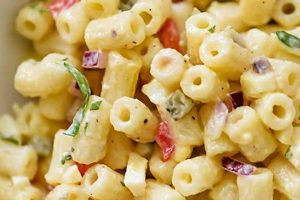
A dish featuring chopped hard-boiled egg whites combined with mayonnaise and various seasonings creates a lighter version of traditional egg salad. Common additions include mustard, celery, onion, and herbs like dill or chives. This preparation can be enjoyed as a sandwich filling, a topping for crackers or salads, or as a standalone snack.
This style of salad offers a lower-fat and lower-cholesterol alternative to classic egg salad while retaining a similar texture and satisfying protein content. This makes it a popular choice for health-conscious individuals. The omission of yolks also alters the flavor profile, often described as milder and cleaner, allowing the added ingredients to shine. This characteristic makes it versatile and adaptable to various flavor combinations.
The following sections will delve into specific variations, nutritional information, and step-by-step instructions for creating this healthy and delicious dish.
Tips for Creating a Superior Egg White Salad
Achieving optimal flavor and texture in egg white salad requires attention to detail. These tips offer guidance for elevating this simple dish.
Tip 1: Precise Cooking for Optimal Texture: Overcooked egg whites become rubbery. Simmer gently rather than boiling vigorously, and immediately plunge into ice water after cooking to halt the cooking process and maintain a tender texture.
Tip 2: Fine Chopping for Even Distribution: Finely chopping the egg whites ensures a pleasant consistency and prevents large chunks from overpowering the other ingredients. A uniform chop also allows the flavors to meld effectively.
Tip 3: Balanced Seasoning Enhances Flavor: A judicious blend of seasonings complements the delicate flavor of egg whites. Consider incorporating Dijon mustard, freshly ground black pepper, and a pinch of paprika for depth.
Tip 4: Fresh Herbs Elevate the Profile: Fresh herbs such as dill, chives, or parsley add brightness and complexity. Finely chop the herbs to maximize their flavor impact.
Tip 5: Mindful Mayonnaise Selection Matters: The quality of mayonnaise significantly influences the overall taste. Opt for a high-quality mayonnaise, or consider making a homemade version for superior flavor control.
Tip 6: Textural Variety Creates Interest: Incorporating finely diced celery or red onion adds a welcome crunch and textural contrast to the otherwise smooth salad.
Tip 7: Proper Chilling Intensifies Flavor: Allowing the salad to chill in the refrigerator for at least 30 minutes before serving allows the flavors to meld and deepen.
By following these tips, one can create an egg white salad that is not only healthy but also offers a delightful culinary experience.
The following section provides a complete recipe incorporating these tips for a truly exceptional egg white salad.
1. Ingredients

Ingredient selection significantly impacts the final character of an egg white salad. The quality, freshness, and proportions of components directly influence the flavor, texture, and nutritional profile. For example, using farm-fresh eggs contributes a richer flavor compared to commercially produced eggs. Similarly, choosing a high-quality mayonnaise enhances the overall taste and creaminess. The ratio of egg whites to other ingredients, such as celery or onion, affects both the salad’s texture and its nutritional balance.
Beyond the core ingredients of egg whites, mayonnaise, and seasonings, additions offer opportunities for customization and flavor enhancement. Incorporating finely diced celery or red onion introduces a satisfying crunch and complexity. Fresh herbs, like dill or chives, contribute aromatic notes and visual appeal. Spices, such as paprika or mustard powder, deepen the flavor profile. Avocado can be added for a creamy texture and healthy fats. The thoughtful selection and combination of ingredients ultimately determine the sensory experience and nutritional value of the final product.
Understanding the role of each ingredient allows for informed choices that cater to specific dietary needs and taste preferences. Awareness of ingredient interactions and their impact on the overall composition enables the creation of a truly personalized and satisfying egg white salad. Whether the goal is to maximize protein content, minimize fat, or achieve a particular flavor profile, careful ingredient selection is paramount. This understanding empowers individuals to create a dish tailored to their specific requirements and preferences.
2. Preparation

Preparation significantly influences the final quality of egg white egg salad. Methodical execution of each step, from cooking the eggs to combining ingredients, ensures optimal texture, flavor, and food safety. The initial stage, cooking the eggs, requires precision to achieve the desired consistency. Overcooking results in rubbery egg whites, while undercooking compromises both texture and safety. A gentle simmer followed by immediate immersion in ice water yields tender, easily chopped whites.
Chopping the egg whites into uniform pieces ensures even distribution throughout the salad and prevents large, uneven chunks. This also creates a more aesthetically pleasing final product. The subsequent combination of ingredients requires a delicate touch to avoid overmixing, which can lead to a mushy texture. Thorough but gentle folding ensures that the mayonnaise and other components are evenly dispersed without compromising the integrity of the egg whites. Attention to detail in these seemingly simple steps has a profound impact on the final result. For example, neglecting to properly chill the salad before serving may result in a less cohesive and flavorful dish.
Careful preparation elevates the egg white egg salad from a simple mixture to a carefully constructed dish. Understanding the cause-and-effect relationship between preparation techniques and the final product allows for greater control over flavor, texture, and presentation. This understanding allows for consistent results and enhances the overall culinary experience, making the egg white egg salad a truly satisfying dish. Proper preparation not only maximizes enjoyment but also ensures food safety, demonstrating the practical significance of meticulous execution in every stage of the recipe.
3. Health Benefits
Egg white egg salad offers several nutritional advantages compared to traditional egg salad, primarily due to the omission of yolks. This distinction results in a dish significantly lower in cholesterol and fat, making it a suitable option for individuals managing these dietary concerns. The following facets explore the key health benefits in greater detail.
- Reduced Cholesterol Intake
Dietary cholesterol, primarily found in egg yolks, contributes to elevated blood cholesterol levels in some individuals. By excluding yolks, egg white egg salad effectively eliminates this source of dietary cholesterol. This makes it a heart-healthy alternative for those monitoring their cholesterol intake. For example, a typical egg yolk contains approximately 186 mg of cholesterol, while egg whites contain virtually none. This reduction can be significant for individuals following a low-cholesterol diet.
- Lower Fat Content
Egg yolks contain a substantial amount of fat, including saturated fat. Egg white egg salad significantly reduces overall fat consumption compared to its full-egg counterpart. This reduction can contribute to weight management and improved cardiovascular health. Substituting egg whites for whole eggs in salad reduces calorie intake as well. This can be beneficial for individuals aiming to maintain or lose weight.
- Rich Protein Source
Despite the absence of yolks, egg whites remain an excellent source of lean protein. Protein plays a crucial role in building and repairing tissues, supporting immune function, and promoting satiety. This makes egg white egg salad a nutritious and filling meal option. The high protein content can also be advantageous for athletes and individuals engaging in regular exercise, supporting muscle growth and recovery.
- Nutrient Density
Egg whites contain essential vitamins and minerals, including riboflavin, niacin, selenium, and potassium. While yolks contain a broader spectrum of micronutrients, egg whites still contribute to overall nutritional intake. This makes egg white egg salad a valuable addition to a balanced diet. The presence of these nutrients contributes to various bodily functions, supporting overall health and well-being.
Incorporating egg white egg salad into a balanced diet can offer significant health advantages, particularly for those concerned about cholesterol and fat intake. While yolks offer certain nutritional benefits, the reduced cholesterol and fat content of the egg white version provides a healthier alternative without sacrificing protein content. This makes it a versatile and valuable addition to a health-conscious dietary plan.
4. Flavor Variations
Flavor variations represent a significant aspect of egg white egg salad recipes, offering adaptability to diverse palates and dietary preferences. The inherent neutrality of egg whites provides a blank canvas for culinary exploration. Manipulating flavor profiles through the incorporation of various ingredients expands the dish’s versatility. The cause-and-effect relationship between added ingredients and the resulting flavor profile allows for precise customization. For instance, incorporating Dijon mustard imparts a tangy complexity, while sweet pickle relish introduces a contrasting sweetness and acidity. The interplay of these flavors transforms the basic egg white salad into a more nuanced culinary experience.
Specific examples further illustrate the practical significance of flavor variations. A Mediterranean-inspired version might include Kalamata olives, feta cheese, and oregano, offering a savory and briny profile. Alternatively, an Asian-inspired variation could incorporate soy sauce, sesame oil, and ginger, yielding a umami-rich flavor. These variations demonstrate how ingredient selection directly influences the final sensory experience. The ability to cater to specific tastes broadens the appeal of egg white egg salad, making it suitable for a wider range of culinary applications. From simple adjustments like adding a dash of hot sauce for heat to more complex combinations incorporating various herbs and spices, the potential for customization is vast.
Understanding the impact of different ingredients on the final flavor profile empowers culinary creativity and expands the potential of egg white egg salad beyond a basic recipe. This knowledge allows for the creation of dishes tailored to specific dietary needs, cultural preferences, or simply personal taste. Addressing potential challenges, such as balancing flavors and avoiding overpowering combinations, further enhances the understanding and execution of successful flavor variations. This ultimately transforms a simple dish into a versatile and adaptable culinary creation capable of satisfying a diverse range of palates and dietary requirements.
5. Serving Suggestions

Serving suggestions significantly enhance the versatility and enjoyment of egg white egg salad. Understanding the interplay between presentation and consumption elevates this simple dish beyond a basic recipe. The manner in which egg white egg salad is served directly impacts perceived flavor and overall satisfaction. Consideration of various serving methods broadens its culinary applications and allows for integration into diverse meal plans. For instance, serving the salad on whole-wheat bread transforms it into a light yet satisfying sandwich, ideal for a quick lunch or snack. Alternatively, presenting the salad as a filling for lettuce wraps caters to low-carbohydrate dietary preferences. These examples demonstrate how serving suggestions directly influence the nutritional and sensory experience.
Further exploration of serving suggestions reveals the practical significance of this understanding. Utilizing egg white egg salad as a topping for baked potatoes or as a component within a larger salad expands its role beyond a standalone dish. Incorporating the salad into deviled eggs, replacing the traditional yolk mixture, offers a lower-fat alternative while maintaining the classic presentation. These creative applications demonstrate the adaptability of egg white egg salad and underscore the importance of thoughtful serving suggestions. Such versatility allows for integration into various culinary contexts, from casual meals to more formal settings. Addressing potential challenges, such as maintaining structural integrity when using the salad as a filling, further refines the practical application of these suggestions.
Effective serving suggestions transform egg white egg salad from a simple preparation into a versatile culinary component. Understanding the influence of presentation on perceived flavor and dietary considerations allows for a more nuanced and satisfying culinary experience. This knowledge empowers individuals to incorporate egg white egg salad into a wider range of meals and snacks, maximizing its nutritional benefits and culinary potential. Such adaptability reinforces its value as a healthy and adaptable ingredient, suitable for diverse dietary needs and culinary preferences.
6. Storage Techniques
Proper storage techniques are essential for maintaining the quality and safety of egg white egg salad. Improper storage can lead to bacterial growth and spoilage, compromising both flavor and potentially causing foodborne illness. Understanding and implementing effective storage practices ensures the longevity and safety of this dish.
- Container Selection
Choosing the right container plays a crucial role in preserving egg white egg salad. An airtight container prevents exposure to air, which can lead to oxidation and drying. A shallow container promotes even cooling, reducing the risk of bacterial growth in warmer areas of the salad. For example, a shallow, airtight glass or plastic container is ideal for storing egg white egg salad. Avoid using metal containers, as they can react with the acidic ingredients in the salad, imparting off-flavors.
- Refrigeration Temperature
Maintaining a consistent and appropriate refrigeration temperature is paramount for food safety. Egg white egg salad should be stored at or below 40F (4C) to inhibit bacterial growth. Placing the container towards the back of the refrigerator, where the temperature is most consistent, further minimizes temperature fluctuations. Regularly checking the refrigerator’s temperature ensures optimal storage conditions. Avoid storing the salad in the refrigerator door, as this area experiences more temperature fluctuations when the door is opened and closed.
- Shelf Life
Egg white egg salad has a limited shelf life, even when properly stored. It is generally recommended to consume the salad within 3-5 days of preparation. Beyond this timeframe, the risk of bacterial growth increases significantly. Always inspect the salad for any signs of spoilage, such as off-odors or discoloration, before consumption. When in doubt, discard the salad to ensure food safety. Freezing egg white egg salad is not recommended, as it negatively impacts the texture upon thawing.
- Handling and Serving
Proper handling practices during serving further minimize the risk of contamination. Use clean utensils to serve the salad and avoid returning unused portions to the main container. This prevents the introduction of bacteria from utensils or other food items. If serving the salad at a picnic or outdoor event, keep it chilled in a cooler with ice packs to maintain a safe temperature. Minimize the time the salad spends at room temperature to further reduce the risk of bacterial growth.
Implementing these storage techniques safeguards the quality and safety of egg white egg salad, extending its shelf life while preserving its flavor and texture. Adherence to these practices minimizes the risk of foodborne illness, ensuring a safe and enjoyable culinary experience. Understanding these principles enables informed decisions regarding storage and consumption, maximizing both the enjoyment and safety of egg white egg salad.
7. Dietary Adaptations

Dietary adaptations play a crucial role in modifying the egg white egg salad recipe to accommodate various individual needs and preferences. These adaptations range from simple ingredient substitutions to more complex recipe overhauls, demonstrating the inherent flexibility of this dish. Understanding the rationale behind these adaptations allows for greater control over the final product’s nutritional profile and flavor profile.
- Vegan Alternatives
Vegan diets exclude all animal products, necessitating a complete replacement for egg whites in this recipe. Tofu, particularly silken tofu, offers a comparable texture and acts as a suitable substitute. Mashed or crumbled tofu, combined with vegan mayonnaise and traditional egg salad seasonings, creates a plant-based version that mimics the original dish’s creamy consistency. Nutritional yeast can be added to impart a cheesy flavor, further enhancing the vegan adaptation. This adaptation caters to individuals following a vegan lifestyle while maintaining the essence of egg salad.
- Low-Fat Modifications
Individuals following low-fat diets benefit from reducing the amount of mayonnaise, a primary source of fat, in egg white egg salad. Greek yogurt, a lower-fat alternative, can replace a portion or all of the mayonnaise. This substitution reduces overall fat content without significantly compromising the creamy texture. Alternatively, increasing the volume of other ingredients, such as celery and onion, further reduces the proportion of mayonnaise while adding texture and flavor complexity. These modifications cater to health-conscious individuals seeking to minimize fat intake.
- Allergen Considerations
Individuals with egg allergies must avoid egg whites entirely. In these cases, alternative protein sources, such as chickpeas or avocado, can create a similar textural experience. Mashed chickpeas or diced avocado, combined with appropriate seasonings, offer a safe and satisfying alternative. Careful attention to cross-contamination during preparation is crucial for individuals with severe allergies. These adaptations prioritize safety and inclusivity, ensuring that individuals with egg allergies can enjoy a similar culinary experience.
- Sodium Reduction
Individuals managing sodium intake can adapt egg white egg salad by using low-sodium or no-salt-added ingredients. Low-sodium mayonnaise and seasonings significantly reduce the overall sodium content. Fresh herbs and spices can enhance flavor without relying on added salt. This adaptation caters to individuals with hypertension or other health conditions requiring sodium restriction. Careful monitoring of ingredient labels ensures accurate sodium content assessment.
These dietary adaptations exemplify the adaptability of the egg white egg salad recipe. Understanding these modifications allows individuals to tailor the recipe to meet specific dietary requirements and preferences. This flexibility ensures that egg white egg salad can be enjoyed by a wider range of individuals, regardless of dietary restrictions, reinforcing its value as a versatile and adaptable culinary staple. Further exploration of these adaptations could include variations based on cultural preferences or regional ingredient availability, broadening the understanding and applicability of this versatile dish.
Frequently Asked Questions
This section addresses common inquiries regarding egg white egg salad, providing clear and concise information to facilitate understanding and successful recipe execution.
Question 1: What is the primary advantage of using egg whites instead of whole eggs in egg salad?
The primary advantage lies in the significant reduction of cholesterol and fat content. Egg whites contain virtually no cholesterol or fat, making the salad a healthier option for individuals managing these dietary concerns.
Question 2: How can rubbery egg whites be avoided when preparing this dish?
Rubbery texture results from overcooking. Simmering eggs gently, rather than boiling vigorously, and immediately immersing them in ice water after cooking prevents overcooking and maintains a tender texture.
Question 3: What are suitable alternatives to mayonnaise for those seeking to reduce fat content?
Plain Greek yogurt or mashed avocado offer lower-fat alternatives while retaining a creamy consistency. These substitutions reduce overall fat and calorie content without significantly compromising texture or flavor.
Question 4: How long can egg white egg salad be safely stored in the refrigerator?
Properly stored in an airtight container at or below 40F (4C), egg white egg salad typically remains safe for consumption for 3-5 days. Always inspect for signs of spoilage before consuming.
Question 5: Can egg white egg salad be frozen?
Freezing is not recommended. The process negatively affects the texture of the egg whites, resulting in a watery consistency upon thawing. It’s best to prepare and consume the salad within the recommended refrigeration timeframe.
Question 6: How can individuals with egg allergies adapt this recipe?
Egg whites must be completely avoided by individuals with egg allergies. Suitable substitutes include mashed chickpeas, silken tofu, or diced avocado, providing comparable texture and allowing for a similar culinary experience.
Addressing these common inquiries provides a foundation for successful preparation and enjoyment of egg white egg salad. Careful consideration of these points ensures optimal results and promotes safe handling practices.
The following section offers a concluding summary and highlights key takeaways for creating a delicious and healthy egg white egg salad.
Conclusion
Exploration of egg white egg salad recipes reveals a versatile and healthful culinary option. From ingredient selection and preparation techniques to flavor variations and dietary adaptations, the dish offers significant flexibility. Emphasis on proper storage maintains safety and quality. Understanding the impact of ingredient choices on nutritional value empowers informed decision-making. Egg white egg salad provides a valuable alternative to traditional egg salad, offering reduced cholesterol and fat content without sacrificing flavor or protein content. Adaptability to various dietary needs, including vegan and low-fat modifications, further expands its appeal.
Culinary exploration through egg white egg salad recipes encourages creativity and promotes healthier eating habits. The dish serves as a foundation for diverse flavor profiles and presentations, demonstrating the potential for customization within simple recipes. Continued experimentation with ingredients and serving suggestions expands culinary horizons and underscores the significance of informed food choices.