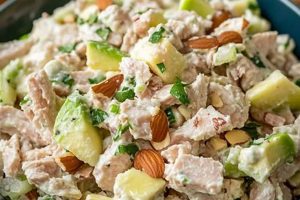
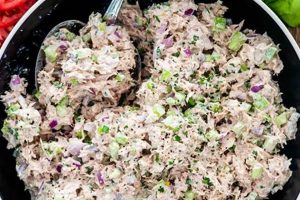
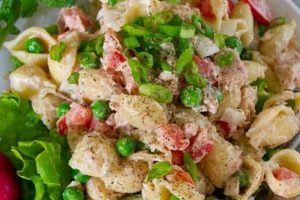
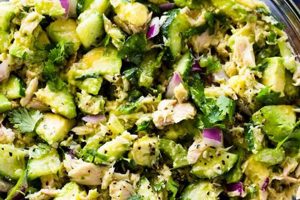
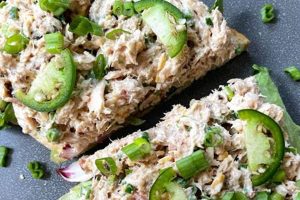
A Mediterranean-inspired variation on a classic dish, this salad typically features tuna combined with cannellini beans, sun-dried tomatoes, red onion, and fresh herbs like basil and oregano. A simple vinaigrette, often incorporating olive oil and lemon juice, binds the ingredients together. Variations might include artichoke hearts, olives, or capers for added complexity.
This light yet satisfying salad offers a healthy and flavorful meal option. The inclusion of beans adds protein and fiber, while the vegetables and herbs contribute essential vitamins and antioxidants. Its fresh, vibrant flavors evoke the culinary traditions of Tuscany, making it an appealing choice for warm-weather dining or as part of a larger antipasto spread. Historically, the use of preserved ingredients like sun-dried tomatoes and canned tuna reflects the resourcefulness of Tuscan cuisine, making the most of readily available ingredients.
Further exploration will cover specific ingredient selections, preparation methods, serving suggestions, and potential variations to cater to diverse dietary needs and preferences. An in-depth look at the origins and evolution of Tuscan cuisine will provide additional context and enrich the understanding of this regional specialty.
Tips for a Superior Salad
Elevating this simple dish requires attention to detail and an understanding of flavor pairings. The following tips offer guidance for optimal results.
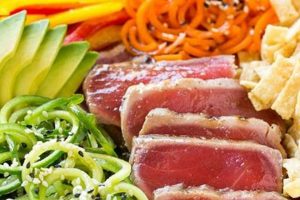
Tip 1: Quality Tuna Selection: Opt for high-quality canned tuna packed in olive oil, which imparts a richer flavor and moister texture. Alternatively, using fresh, sustainably-sourced tuna steak, seared rare, adds an element of luxury.
Tip 2: Bean Preparation: Thoroughly rinse canned cannellini beans to remove excess starch and sodium. For enhanced flavor, consider using dried beans, cooked until tender.
Tip 3: Sun-Dried Tomato Infusion: Rehydrate sun-dried tomatoes in warm water or olive oil to restore their plump texture and intensify their flavor. Reserve the soaking liquid for added depth in the vinaigrette.
Tip 4: Red Onion Nuance: Soaking thinly sliced red onion in cold water for 10-15 minutes mellows their pungency, creating a more balanced flavor profile.
Tip 5: Fresh Herb Integration: Incorporate freshly chopped basil and oregano just before serving to preserve their vibrant aroma and prevent wilting. Other Mediterranean herbs like marjoram or thyme can also be used.
Tip 6: Vinaigrette Balance: Achieve a harmonious vinaigrette by balancing the acidity of the lemon juice with the richness of the olive oil. A touch of Dijon mustard can add complexity and emulsification.
Tip 7: Ingredient Proportion: Maintain a balanced ratio of tuna, beans, and vegetables for a cohesive texture and flavor experience.
By following these guidelines, one can achieve a flavorful and well-balanced salad that showcases the essence of Tuscan cuisine.
These insights into ingredient selection and preparation pave the way for a deeper exploration of recipe variations and serving suggestions.
1. High-quality Tuna
Tuna quality significantly impacts the overall flavor and texture of a Tuscan tuna salad. Selecting superior tuna elevates the dish from simple to exceptional. The following facets explore the nuances of high-quality tuna and its contribution to this Mediterranean-inspired salad.
- Species and Sourcing:
Species like Albacore and Yellowfin, known for their firm texture and delicate flavor, are preferred. Sustainable sourcing practices ensure both environmental responsibility and superior quality. Sourcing from reputable suppliers who prioritize ethical fishing methods contributes to the overall integrity of the dish.
- Preservation Method:
Tuna packed in olive oil retains moisture and absorbs the oil’s subtle flavor, contributing richness to the salad. Oil-packed tuna offers a superior textural experience compared to water-packed alternatives, which can be dry and less flavorful. High-quality olive oil further enhances the Mediterranean character of the dish.
- Grading Standards:
“Solid” or “fancy” grades of tuna denote larger, more intact pieces, resulting in a more appealing visual presentation and a pleasant mouthfeel within the salad. These grades generally indicate higher quality and less breakage during processing. Avoiding lower grades, often labeled “chunk light,” ensures a more refined culinary experience.
- Freshness and Handling:
Whether using canned or fresh tuna, prioritizing freshness is paramount. For canned tuna, checking expiration dates and opting for reputable brands ensures optimal quality. If using fresh tuna, purchasing from reliable fishmongers and proper handling, including appropriate refrigeration and swift preparation, are crucial for both flavor and food safety. Proper handling minimizes bacterial growth and preserves the delicate flavor profile of fresh tuna.
The careful consideration of these facets contributes significantly to the overall success of a Tuscan tuna salad. By prioritizing high-quality tuna, one elevates the dish, creating a more authentic and flavorful culinary experience that reflects the integrity of Tuscan cuisine.
2. Cannellini Beans

Cannellini beans, also known as white kidney beans, play a crucial role in Tuscan tuna salad, contributing both textural complexity and nutritional value. Their creamy texture and mild flavor complement the richness of the tuna and the tanginess of the vinaigrette, creating a harmonious balance. Understanding the various facets of these beans enhances appreciation for their contribution to this regional dish.
- Nutritional Contribution:
Cannellini beans are a significant source of protein and dietary fiber, essential nutrients that contribute to satiety and digestive health. Their inclusion in the salad adds nutritional depth, transforming a simple dish into a more complete and satisfying meal. The fiber content also aids in regulating blood sugar levels and promoting heart health, aligning with the Mediterranean diet’s emphasis on well-being.
- Textural Impact:
The smooth, buttery texture of cannellini beans contrasts with the flakiness of the tuna and the crispness of the vegetables, creating a multi-dimensional textural experience. This interplay of textures elevates the salad beyond a simple mixture of ingredients, offering a more engaging culinary experience. Their creamy consistency also contributes to the overall heartiness of the salad.
- Flavor Profile:
Cannellini beans possess a subtle, nutty flavor that doesn’t overpower the other ingredients but rather acts as a canvas for the bolder flavors of tuna, sun-dried tomatoes, and herbs. This neutrality allows the other components to shine while simultaneously adding a subtle depth of flavor. Their mildness also allows them to absorb the flavors of the vinaigrette, further enhancing their contribution to the dish.
- Culinary Versatility:
Beyond Tuscan tuna salad, cannellini beans feature prominently in various Tuscan dishes, showcasing their versatility and importance in regional cuisine. Their ability to absorb flavors makes them ideal for soups, stews, and salads. This versatility underscores their significance as a staple ingredient in Tuscan culinary tradition and highlights the region’s resourcefulness in utilizing simple ingredients to create flavorful dishes.
The inclusion of cannellini beans in Tuscan tuna salad demonstrates a thoughtful approach to ingredient selection, balancing flavor, texture, and nutritional value. This attention to detail elevates the dish, showcasing the culinary principles that underpin Tuscan cuisine. The beans contribute not only to the salad’s physical composition but also to its cultural significance, reflecting the region’s culinary heritage and resourcefulness.
3. Sun-dried Tomatoes
Sun-dried tomatoes represent a quintessential element of Tuscan cuisine, their presence in tuna salad deeply intertwined with the region’s culinary heritage. The process of drying tomatoes under the Tuscan sun concentrates their flavor, intensifying their sweetness and developing a characteristic chewy texture. This preservation technique, born from necessity in pre-refrigeration times, allows for year-round enjoyment of a seasonal ingredient, contributing a unique depth of flavor to the salad.
The intense umami notes of sun-dried tomatoes provide a counterpoint to the richness of the tuna and the mildness of the cannellini beans. Their concentrated sweetness balances the acidity of the lemon vinaigrette, creating a complex flavor profile that distinguishes Tuscan tuna salad from other variations. For instance, a salad featuring sun-dried tomatoes offers a more robust and nuanced flavor experience compared to one using fresh tomatoes, which can add excess moisture and dilute the overall taste. The chewy texture of sun-dried tomatoes also adds an interesting textural element, further enhancing the salad’s appeal.
Understanding the role of sun-dried tomatoes in Tuscan tuna salad provides insight into the broader principles of Tuscan gastronomy. The emphasis on high-quality, locally sourced ingredients, combined with time-honored preservation techniques, reflects a deep respect for the land and its bounty. This culinary philosophy, exemplified by the use of sun-dried tomatoes, elevates a simple tuna salad to a dish that embodies the essence of Tuscan culinary tradition. The use of sun-dried tomatoes also speaks to the practicality and resourcefulness of Tuscan cooking, making the most of seasonal ingredients and preserving them for later use.
4. Fresh Basil, Oregano
Fresh basil and oregano are integral to Tuscan tuna salad, contributing significantly to its aromatic profile and overall flavor. These herbs, staples of Mediterranean cuisine, are not mere garnishes but essential components that elevate the dish beyond a simple combination of ingredients. Their presence reflects the Tuscan emphasis on fresh, locally sourced ingredients and the region’s deep connection to the land. The specific combination of basil and oregano evokes the characteristic flavors of Tuscany, distinguishing this regional variation from other tuna salads. For example, the peppery notes of oregano complement the sweet anise undertones of basil, creating a complex interplay that enhances the richness of the tuna and the sweetness of the sun-dried tomatoes.
The use of fresh, rather than dried, herbs is crucial. Fresh basil and oregano offer a brighter, more vibrant flavor that significantly impacts the overall sensory experience. The volatile aromatic compounds present in fresh herbs are more pronounced, delivering a burst of flavor that dried herbs often lack. For instance, adding fresh basil just before serving preserves its delicate aroma and vibrant green color, enhancing both the visual appeal and the flavor of the salad. Dried herbs, while convenient, can impart a slightly bitter taste and lack the same intensity of flavor.
Integrating fresh basil and oregano into Tuscan tuna salad underscores the importance of respecting the integrity of individual ingredients. Their careful selection and proper handling, such as chopping the herbs just before incorporating them into the salad, maximizes their flavor contribution and prevents bruising or oxidation. This attention to detail highlights the culinary philosophy that underlies Tuscan cuisine: a commitment to simplicity, quality, and a deep understanding of flavor pairings. The synergistic relationship between these herbs and the other components of the salad exemplifies the Tuscan approach to cooking, where each ingredient plays a specific role in creating a harmonious and balanced dish.
5. Lemon Vinaigrette
Lemon vinaigrette provides the essential acidic counterpoint to the richness of the tuna, the earthiness of the beans, and the sweetness of the sun-dried tomatoes in a Tuscan tuna salad. This simple yet vital element brightens the overall flavor profile, creating a balanced and harmonious culinary experience. Its role extends beyond mere flavor enhancement; the acidity of the vinaigrette also contributes to the preservation of the salad, inhibiting bacterial growth and maintaining freshness. For instance, the low pH of a lemon vinaigrette helps prevent enzymatic browning of the artichoke hearts or avocado, if included, maintaining the salad’s visual appeal. In comparison, a heavier, cream-based dressing would mask the delicate flavors of the other ingredients and compromise the salad’s light and refreshing character, making it less suitable for the warm Tuscan climate.
A well-executed lemon vinaigrette exemplifies the Tuscan principle of simplicity. High-quality extra virgin olive oil, fresh lemon juice, and a touch of sea salt are often the only necessary components. This minimalist approach allows the natural flavors of the ingredients to shine through, while the balance of acidity and richness enhances the overall taste experience. The quality of the olive oil plays a crucial role; a robust Tuscan extra virgin olive oil, with its peppery notes and fruity undertones, complements the other ingredients, creating a synergistic flavor profile. Conversely, a lower-quality olive oil might introduce unwanted flavors or lack the necessary complexity to enhance the salad.
Understanding the function and composition of the lemon vinaigrette is essential for achieving an authentic and balanced Tuscan tuna salad. It showcases the Tuscan culinary philosophy, which emphasizes fresh, high-quality ingredients and simple preparations that allow the natural flavors to take center stage. This appreciation for simplicity and balance extends beyond the vinaigrette to the entire composition of the salad, highlighting the interconnectedness of each element and its contribution to the final product. Mastering this fundamental component ensures a successful and satisfying culinary experience that embodies the essence of Tuscan cuisine.
6. Tuscan Bread

Tuscan bread, characterized by its distinct lack of salt, plays a crucial role in the culinary landscape of the region and forms an integral part of the Tuscan tuna salad experience. Its unique characteristic, a result of historical rivalries and economic pragmatism, creates a specific interplay with the flavorful elements of the salad, enhancing the overall dining experience. Examining the various facets of Tuscan bread illuminates its importance and reveals a deeper understanding of its connection to this regional dish.
- Historical Context:
The absence of salt in Tuscan bread stems from historical salt taxes imposed by Pisa on Florence during medieval times. This forced adaptation led to a culinary tradition that relies on unsalted bread as a counterpoint to flavorful accompaniments, such as richly seasoned salads and cured meats. This historical context provides insight into the development of Tuscan cuisine and explains the seemingly unusual characteristic of unsalted bread. It also highlights the resourcefulness of Tuscan cooks in adapting to economic constraints and creating a unique culinary identity.
- Flavor Enhancement:
The lack of salt in the bread allows the flavors of the Tuscan tuna salad to take center stage. The subtle, almost bland, nature of the bread acts as a blank canvas, highlighting the robust flavors of the tuna, the tangy vinaigrette, and the aromatic herbs. For instance, dipping a piece of unsalted Tuscan bread into the flavorful olive oil that pools at the bottom of the salad bowl provides a satisfying counterpoint to the richness of the other ingredients. A salted bread, in contrast, might compete with the salad’s flavors and create an imbalance.
- Textural Contrast:
Tuscan bread, often dense and crusty, offers a textural contrast to the softer elements of the salad. This interplay of textures creates a more dynamic and satisfying culinary experience. The sturdy texture of the bread also makes it ideal for scooping up the salad or soaking up the flavorful vinaigrette. A softer bread, conversely, might become soggy and detract from the overall enjoyment of the dish.
- Cultural Significance:
Serving Tuscan tuna salad with unsalted Tuscan bread represents more than just a culinary pairing; it embodies a cultural tradition that reflects the region’s history and culinary philosophy. This combination speaks to the resourcefulness and adaptability of Tuscan cuisine, highlighting the importance of simple, high-quality ingredients and balanced flavors. It is a testament to the enduring legacy of Tuscan culinary traditions and the continued appreciation for authentic flavors.
Tuscan bread, in its unsalted simplicity, completes the Tuscan tuna salad experience. Its presence highlights the historical, textural, and flavor-balancing elements that define this regional dish. More than just an accompaniment, Tuscan bread plays an integral role in showcasing the culinary heritage and resourcefulness that characterize Tuscan cuisine. It provides a unique context for appreciating the complex interplay of flavors within the salad and reinforces the cultural significance of this regional specialty.
Frequently Asked Questions
This section addresses common inquiries regarding Tuscan tuna salad, providing clarity and further insight into its preparation and variations.
Question 1: What differentiates Tuscan tuna salad from other tuna salad variations?
Tuscan tuna salad distinguishes itself through the incorporation of cannellini beans, sun-dried tomatoes, and fresh herbs like basil and oregano. These ingredients, combined with a light lemon vinaigrette, create a flavor profile characteristic of Tuscan cuisine.
Question 2: Can other types of beans be substituted for cannellini beans?
While cannellini beans are traditional, other white beans, such as Great Northern or navy beans, can be substituted. However, the flavor and texture may differ slightly. Borlotti beans, with their slightly nutty flavor, also offer an interesting alternative.
Question 3: Are fresh herbs essential, or can dried herbs be used instead?
Fresh herbs are strongly recommended for their vibrant flavor and aroma. Dried herbs can be used in a pinch, but they offer a less intense flavor profile. If using dried herbs, reduce the quantity to avoid a bitter taste.
Question 4: How can the recipe be adapted for dietary restrictions, such as gluten-free or vegan diets?
Gluten-free adaptation requires serving the salad with gluten-free bread or crackers. For a vegan variation, ensure the selected tuna is packed in olive oil, not water, and omit any non-vegan ingredients that might be present in some variations, such as capers packed in brine with whey.
Question 5: How long can Tuscan tuna salad be stored, and what are the best storage practices?
Properly stored in an airtight container in the refrigerator, Tuscan tuna salad can be enjoyed for up to three days. It’s recommended to store the dressing separately and combine it just before serving to maintain optimal texture and prevent the salad from becoming soggy.
Question 6: What are some recommended serving suggestions beyond traditional bread?
Beyond Tuscan bread, consider serving the salad on a bed of mixed greens, as a filling for lettuce cups, or as a topping for crostini. It also pairs well with grilled vegetables or as a component of a larger antipasto platter.
Understanding these frequently asked questions provides a more comprehensive understanding of Tuscan tuna salad, empowering culinary exploration and ensuring a successful and satisfying dining experience.
Further exploration of Tuscan cuisine and regional variations on this classic salad will enrich culinary knowledge and inspire creative adaptations.
Tuscan Tuna Salad Recipe
Examination of a Tuscan tuna salad recipe reveals more than a simple list of ingredients; it unveils a culinary tradition deeply rooted in history, resourcefulness, and a profound respect for simple, high-quality ingredients. From the careful selection of tuna packed in olive oil to the nuanced flavor profile of sun-dried tomatoes and the aromatic interplay of fresh basil and oregano, each component contributes to a harmonious and balanced culinary experience. The inclusion of cannellini beans adds nutritional depth, while the characteristically unsalted Tuscan bread provides a textural and flavorful counterpoint, completing this regional specialty. Understanding the historical context, culinary techniques, and ingredient selection elevates appreciation for this seemingly simple dish.
Tuscan tuna salad offers a glimpse into the broader culinary landscape of Tuscany, where a deep connection to the land and its bounty shapes culinary traditions. Exploration of regional variations and continued experimentation with fresh, seasonal ingredients promise further culinary discoveries and a deeper understanding of the rich tapestry of Tuscan gastronomy. The enduring appeal of this salad lies not only in its refreshing flavors but also in its embodiment of a time-honored culinary philosophya testament to the power of simplicity, balance, and a profound respect for the integrity of ingredients.