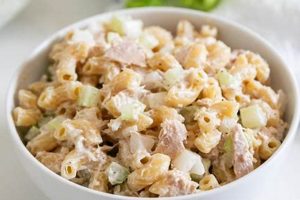
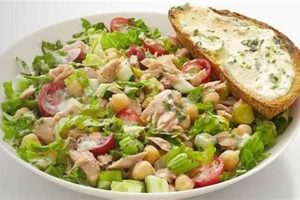
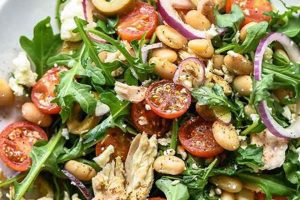
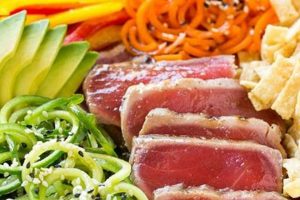
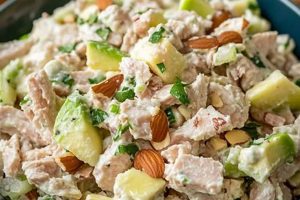
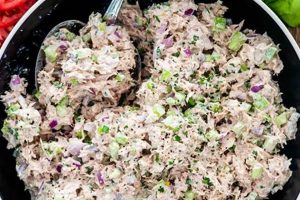
A culinary creation featuring seared tuna combined with traditional salad ingredients, often mayonnaise, celery, onion, and seasonings, served between slices of toasted bread offers a flavorful and texturally satisfying meal. Variations can include additions such as cheese, lettuce, tomato, or different types of bread. A simple sear enhances the natural flavors of the tuna while maintaining a moist, flaky texture, contrasting with the creamy salad and crisp bread.
This hot sandwich provides a nutritious and convenient meal option, offering a good source of protein and healthy fats from the tuna. The inclusion of vegetables in the salad component contributes vitamins and fiber. Grilling the sandwich adds a depth of flavor absent in cold tuna salad preparations and offers a pleasing textural contrast. This approach presents a contemporary twist on a classic dish, appealing to a broad range of palates.
This discussion will explore various methods for preparing seared tuna, offer creative salad combinations, and provide guidance on bread selection and grilling techniques to achieve optimal results. Further exploration will cover nutritional information, variations, and tips for customizing this versatile dish.
Tips for Crafting the Perfect Grilled Tuna Salad Sandwich
Achieving a superior grilled tuna salad sandwich requires attention to detail in each step, from selecting high-quality ingredients to mastering the grilling technique. The following tips provide guidance for creating a truly exceptional culinary experience.
Tip 1: Opt for High-Quality Tuna: Selecting sushi-grade tuna ensures optimal flavor and texture. Look for firm, vibrant fillets with minimal browning.
Tip 2: Season the Tuna Carefully: A simple seasoning of salt, pepper, and perhaps a touch of garlic powder complements the tuna’s natural flavors without overpowering them. Avoid heavy marinades that can mask the delicate taste of the fish.
Tip 3: Achieve the Perfect Sear: A hot grill or skillet is essential for a proper sear. The tuna should be cooked quickly over high heat, developing a flavorful crust while remaining pink and moist inside. Aim for a sear of 1-2 minutes per side for medium-rare.
Tip 4: Enhance the Salad with Fresh Ingredients: Utilize crisp vegetables and fresh herbs to elevate the salad component. Finely diced celery, red onion, and fresh parsley provide a refreshing counterpoint to the richness of the tuna.
Tip 5: Choose the Right Bread: A sturdy bread that can withstand grilling without becoming overly dry or crumbly is essential. Thick-cut sourdough, ciabatta, or a hearty whole-grain bread are excellent choices.
Tip 6: Balance Flavors with the Right Condiments: A classic mayonnaise base can be enhanced with Dijon mustard, lemon juice, or a touch of horseradish. Consider adding aioli or aioli for an extra layer of flavor.
Tip 7: Don’t Overfill the Sandwich: Too much filling can make the sandwich difficult to assemble and eat. Aim for a balanced ratio of tuna salad to bread.
Tip 8: Grill to Golden Perfection: Grill the assembled sandwich over medium heat until the bread is golden brown and the cheese, if used, is melted and bubbly. This final step melds the flavors and creates a satisfyingly crispy exterior.
By following these tips, one can ensure a flavorful, well-balanced, and texturally appealing grilled tuna salad sandwich experience.
The provided guidance offers a pathway to creating a truly exceptional grilled tuna salad sandwich. Experimentation with various ingredients and techniques allows for customization and the discovery of individual preferences.
1. High-quality tuna

High-quality tuna plays a pivotal role in a successful grilled tuna salad sandwich recipe. The quality of the tuna directly impacts the overall flavor, texture, and nutritional value of the final product. Tuna possessing desirable characteristics, such as firm texture, vibrant color, and a fresh, clean aroma, elevates the sandwich from ordinary to exceptional. Conversely, using lower-grade tuna can result in a fishy odor, mushy texture, and an overall less satisfying culinary experience. For instance, sushi-grade tuna, known for its superior quality and freshness, contributes a delicate, buttery flavor that complements the other ingredients, while canned tuna, though a more economical option, may impart a stronger, more pronounced fish flavor that some find overpowering.
The choice of tuna also influences the structural integrity of the sandwich. High-quality tuna, when seared, maintains its shape and provides a pleasant chewiness. This firmness contrasts nicely with the creamy texture of the salad and the crispness of the toasted bread. Lower-quality tuna, however, may flake apart during grilling, resulting in a less appealing, less cohesive sandwich filling. This can lead to a messy eating experience and compromise the overall enjoyment of the sandwich.
Selecting high-quality tuna represents an investment in both flavor and nutritional value. Tuna is a rich source of protein and omega-3 fatty acids, which are essential for maintaining good health. High-quality tuna typically contains higher concentrations of these nutrients compared to lower-grade options. Therefore, prioritizing quality not only enhances the sensory experience but also contributes to a more nutritious meal. Understanding the significant impact of tuna quality empowers consumers to make informed choices that elevate the grilled tuna salad sandwich from a simple meal to a truly satisfying culinary creation. It ensures a dish that is both delicious and beneficial to overall well-being.
2. Complementary Seasonings
Complementary seasonings play a crucial role in elevating the grilled tuna salad sandwich from simple fare to a culinary delight. The delicate flavor of tuna, particularly when high-quality cuts are used, benefits from seasonings that enhance its natural taste without overpowering it. The goal is to create a harmonious balance of flavors, where the tuna remains the star, supported by a chorus of complementary spices and herbs. For example, a classic combination of salt, freshly cracked black pepper, and a hint of garlic powder can accentuate the tuna’s inherent richness. Alternatively, a touch of smoked paprika can introduce a subtle smoky depth, while a pinch of dried oregano or thyme can add an herbaceous note. The choice of seasonings should consider the other ingredients in the sandwich as well. If the salad incorporates ingredients like celery, red onion, or capers, the seasonings should complement these flavors, creating a cohesive taste profile.
The application of seasonings extends beyond simply enhancing the flavor of the tuna itself. Seasonings can also be strategically used to bridge the flavor profiles of different components within the sandwich. For instance, a sprinkle of dill in the tuna salad can complement the use of dill pickles, creating a cohesive flavor thread throughout the sandwich. Similarly, a dash of lemon zest in the salad can harmonize with a squeeze of fresh lemon juice added just before grilling, unifying the citrus notes. The interplay of seasonings across the various components elevates the overall sensory experience, demonstrating a thoughtful approach to flavor development. Over-seasoning, however, can mask the delicate flavor of the tuna and other ingredients, creating a muddled and less enjoyable result.
Careful consideration of complementary seasonings demonstrates a nuanced understanding of flavor pairings and their impact on the overall culinary experience. This attention to detail distinguishes a thoughtfully crafted grilled tuna salad sandwich from a hastily assembled one. The correct seasonings not only enhance the individual flavors of the components but also create a symphony of taste, where each element contributes to a harmonious whole. This principle of balanced seasoning extends beyond the specific example of the grilled tuna salad sandwich and applies broadly to culinary practice as a whole. Mastering the art of complementary seasoning allows one to elevate even simple dishes to new heights of flavor and enjoyment.
3. Proper Searing Technique
Proper searing technique is paramount in crafting a superior grilled tuna salad sandwich. Searing locks in moisture and develops a flavorful crust, crucial for achieving the desired textural contrast between the seared tuna, creamy salad, and crisp bread. A poorly seared tuna fillet can result in a dry, flavorless sandwich filling, undermining the overall culinary experience. This section explores key facets of proper searing technique within the context of grilled tuna salad sandwiches.
- High Heat Application
High heat is essential for creating a desirable sear. This rapid cooking method creates the Maillard reaction, responsible for the flavorful browning and appealing crust. Insufficient heat results in steaming rather than searing, leading to a grayish, unappetizing appearance and a loss of moisture. For example, a cast iron skillet or grill preheated to high temperature ensures effective searing. This rapid cooking also helps maintain the desired internal temperature of the tuna, preventing overcooking and preserving its delicate texture within the sandwich.
- Minimal Handling
Once the tuna is placed on the hot surface, it should be left undisturbed for the initial sear. Frequent flipping prevents the development of a proper crust. A good sear is indicated by a deep brown color and easy release from the cooking surface. Prematurely moving the tuna can tear the delicate flesh, resulting in an uneven sear and a less appealing presentation within the finished sandwich. Allowing the tuna to sear undisturbed maximizes surface contact, promoting even cooking and flavor development.
- Oil Selection and Application
The type of oil used and its application influence the searing process. Oils with high smoke points, such as avocado or grapeseed oil, are ideal for high-heat searing. A thin, even coating of oil on the cooking surface, rather than directly on the tuna, prevents sticking and promotes uniform browning. Using an oil with a low smoke point, like olive oil, can result in a burnt flavor and an unpleasant acrid smell. The correct oil choice ensures optimal heat transfer and contributes to the overall flavor profile of the finished sandwich.
- Tuna Preparation
Proper tuna preparation is crucial for successful searing. Patting the tuna dry with paper towels before searing removes excess moisture, promoting better browning. Even thickness ensures consistent cooking throughout the fillet. Uneven thickness can lead to parts of the tuna being overcooked while others remain undercooked, compromising both the texture and flavor of the sandwich filling. Proper preparation ensures the tuna sears evenly and contributes to the desired final product.
Mastering these elements of proper searing technique is essential for creating a grilled tuna salad sandwich that is both flavorful and texturally appealing. The seared tuna becomes the centerpiece of the sandwich, its rich, savory flavor and satisfying texture complemented by the other ingredients. This attention to detail elevates the sandwich from a simple lunch to a culinary experience.
4. Fresh Salad Ingredients
Fresh salad ingredients are integral to a well-executed grilled tuna salad sandwich recipe. These components contribute not only textural complexity but also crucial flavor dimensions that balance the richness of the seared tuna. The interplay between fresh, crisp vegetables and the savory tuna creates a dynamic sensory experience. Consider, for example, the classic combination of finely diced celery and red onion. Celery provides a refreshing crunch and subtly vegetal flavor, while red onion offers a sharp, pungent bite that cuts through the richness of the mayonnaise-based dressing. Without these fresh elements, the sandwich could become overly heavy and monotonous.
The choice of fresh salad ingredients allows for customization and creativity. Beyond the traditional celery and onion, one might incorporate chopped bell peppers for sweetness and a vibrant color contrast, or add water chestnuts for a unique aquatic crunch. Fresh herbs, such as dill, parsley, or chives, further enhance the flavor profile. For instance, dill complements the briny notes of capers or pickles, while parsley adds a clean, herbaceous element. The judicious selection and combination of fresh ingredients elevate the sandwich beyond a simple protein delivery system, transforming it into a nuanced culinary creation. This attention to detail showcases a deep understanding of flavor pairings and their impact on the overall dining experience.
The freshness of the salad ingredients significantly impacts the overall quality of the grilled tuna salad sandwich. Wilted lettuce or limp vegetables detract from both the flavor and aesthetic appeal. Fresh ingredients contribute a vibrant crispness that contrasts with the soft texture of the tuna salad and the toasted bread, creating a more satisfying mouthfeel. Furthermore, fresh ingredients offer superior nutritional value, providing essential vitamins and minerals. This commitment to freshness demonstrates a dedication to both flavor and nutritional integrity. Ultimately, the careful selection and incorporation of fresh salad ingredients demonstrate a holistic approach to culinary craftsmanship, where every element contributes to a harmonious and delicious whole. This principle extends beyond the specific example of the grilled tuna salad sandwich, applying broadly to the creation of any well-balanced and flavorful dish.
5. Sturdy bread choice
Bread selection significantly influences the structural integrity and overall enjoyment of a grilled tuna salad sandwich. A sturdy bread provides a robust foundation, preventing the sandwich from collapsing under the weight of the filling and the heat of the grill. This structural support ensures a satisfying eating experience and enhances the sandwich’s aesthetic appeal. Conversely, a delicate bread may crumble or become soggy, compromising the sandwich’s integrity and creating a messy, less enjoyable meal.
- Bread Density and Texture
Dense, close-textured breads, such as sourdough, ciabatta, or whole-grain varieties, offer superior structural support compared to airy, open-crumb breads. These denser breads can withstand the moisture from the tuna salad and the heat of the grill without disintegrating. For example, a thick slice of sourdough provides a firm base that holds the tuna salad securely, while a thinly sliced baguette might become soggy and tear. This textural contrast between the crisp, sturdy bread and the creamy tuna salad enhances the overall sensory experience.
- Crust Thickness and Resilience
A thick, resilient crust provides a barrier against excessive moisture absorption, preventing the bread from becoming soggy. A well-developed crust also adds a desirable textural element to the sandwich, contrasting with the soft interior and the creamy filling. For instance, a crusty loaf of country bread offers greater protection against sogginess compared to a soft-crusted sandwich loaf. This crusty exterior also adds a pleasant chewiness to the sandwich, enhancing its textural complexity.
- Slice Thickness and Stability
Thickly sliced bread provides a more stable base for the sandwich, capable of supporting the weight of the filling and withstanding the grilling process. Thinner slices, while potentially offering a lighter, more delicate eating experience, may lack the necessary structural integrity. A thick slice of whole-grain bread, for example, offers a substantial foundation for a hearty tuna salad filling, while a thin slice of white bread might buckle under the weight and moisture. The slice thickness should be proportional to the amount of filling, ensuring a balanced and manageable sandwich.
- Bread Flavor Compatibility
The flavor of the bread should complement the tuna salad and other ingredients. A strong-flavored bread, such as rye or pumpernickel, might overpower the delicate flavor of the tuna. Conversely, a neutral-flavored bread, like a classic sourdough or ciabatta, allows the flavors of the tuna and salad ingredients to shine. For example, a sourdough bread with its subtle tang complements the richness of the tuna and the brightness of fresh vegetables, while a heavily spiced bread might clash with these flavors. Choosing a bread with a complementary flavor profile ensures a harmonious and balanced overall taste.
Careful bread selection ensures the grilled tuna salad sandwich remains structurally sound and offers a balanced textural and flavor profile. The chosen bread acts as more than just a vehicle for the filling; it plays an active role in enhancing the overall culinary experience. By considering these elements, one can elevate the simple grilled tuna salad sandwich from a basic meal to a carefully considered culinary creation.
6. Balanced Condiments
Balanced condiments are essential for a nuanced and flavorful grilled tuna salad sandwich recipe. Condiments provide a critical bridge, unifying the disparate flavors and textures of the seared tuna, fresh vegetables, and bread. They contribute acidity, richness, creaminess, and subtle heat, creating a more complex and satisfying flavor profile. Without balanced condiments, the sandwich can taste bland or one-dimensional, lacking the depth and complexity that elevates it from ordinary to exceptional. The interplay of these elements is crucial; an excess of one condiment can overshadow the others, disrupting the intended balance.
Consider the role of mayonnaise. While it provides a creamy texture and richness that binds the salad ingredients, relying solely on mayonnaise can result in a heavy, overly rich sandwich. Balancing the mayonnaise with acidic elements, such as lemon juice or aioli, brightens the flavor and cuts through the richness. A touch of Dijon mustard adds a subtle tang and complexity, while a dash of hot sauce introduces a contrasting element of heat. For example, a classic tuna salad might combine mayonnaise with lemon juice, Dijon mustard, and finely chopped capers, creating a balanced flavor profile that complements the seared tuna. Similarly, an Asian-inspired tuna salad might incorporate sriracha mayonnaise, soy sauce, and sesame oil, offering a different yet equally balanced flavor experience.
Understanding the role of balanced condiments in a grilled tuna salad sandwich recipe empowers culinary creativity and ensures a more satisfying outcome. The careful selection and proportioning of condiments elevate the sandwich from a simple combination of ingredients to a cohesive and flavorful whole. This principle of balance extends beyond condiments, applying to all aspects of recipe development, from seasoning the tuna to selecting the appropriate bread. Achieving balance in flavor, texture, and aroma is key to crafting a truly exceptional culinary creation.
7. Appropriate Grilling Time
Appropriate grilling time is crucial for achieving the desired outcome in a grilled tuna salad sandwich recipe. It directly impacts the final texture and flavor profile of both the bread and the tuna salad filling. Insufficient grilling time results in a sandwich lacking the characteristic toasted bread and melted cheese, if used. Excessive grilling, conversely, can lead to burnt bread, dry tuna, and a compromised overall flavor experience. The ideal grilling time hinges on several factors, including the type of grill used, the heat intensity, and the desired level of browning.
- Heat Management and Browning
Careful heat management ensures even cooking and prevents burning. Medium heat is generally recommended for grilling tuna salad sandwiches. This allows the bread to toast evenly, developing a golden-brown crust while simultaneously heating the tuna salad and melting any cheese without scorching the exterior. High heat, while suitable for searing tuna steaks, is often too intense for grilling a fully assembled sandwich, potentially leading to a burnt exterior and a cold interior. Monitoring the heat and adjusting accordingly throughout the grilling process helps achieve optimal results. For example, lowering the heat slightly during the latter stages of grilling can prevent burning while ensuring the filling is heated through.
- Bread Type and Toasting
Different bread types require varying grilling times. Denser breads, such as sourdough or ciabatta, generally require longer grilling times compared to lighter breads like white or wheat. The desired level of toasting also influences the grilling time. A lightly toasted bread offers a softer texture, while a heavily toasted bread provides a pronounced crunch. Visual cues, such as a golden-brown color and slight charring around the edges, indicate optimal toasting. Over-toasting, however, can result in a dry, brittle texture that detracts from the overall sandwich experience. Adjusting the grilling time based on bread type and desired toast level ensures a satisfying outcome.
- Cheese Melting and Filling Temperature
If cheese is included, the grilling time must allow for sufficient melting. The cheese should be fully melted and evenly distributed across the filling. Additionally, the grilling time should ensure the tuna salad reaches a desirable serving temperature, warmed through without becoming dry or overcooked. Monitoring the cheese melting and the temperature of the filling prevents undercooking or overheating. For instance, if the cheese is melting slowly, briefly covering the sandwich with a lid can help trap heat and accelerate the process. This also aids in warming the tuna salad filling evenly without over-toasting the bread.
- Equipment Variability and Adjustments
Different grilling equipment, such as panini presses, electric grills, and outdoor grills, require adjusted grilling times due to variations in heat distribution and intensity. Panini presses, for example, typically cook sandwiches more quickly than outdoor grills due to their direct contact and consistent heat. Electric grills may require preheating and temperature adjustments to achieve optimal results. Understanding the specific characteristics of the grilling equipment is essential for determining the appropriate grilling time. Consulting the manufacturer’s instructions and experimenting with different times based on the specific sandwich and equipment used allows for customization and ensures optimal results.
Mastering appropriate grilling time is essential for creating a well-balanced and flavorful grilled tuna salad sandwich. This seemingly simple step significantly impacts the final outcome, transforming the individual components into a cohesive and satisfying whole. The interplay between grilling time, heat management, bread type, and cheese melting contributes to the overall success of the recipe, showcasing the nuanced interplay of culinary techniques and ingredient selection.
Frequently Asked Questions
This section addresses common inquiries regarding the preparation and enjoyment of grilled tuna salad sandwiches.
Question 1: What type of tuna is best suited for grilling in a sandwich?
While canned tuna can be used, higher-quality tuna steaks, preferably sushi-grade, offer superior flavor and texture when grilled. These premium cuts maintain their integrity during grilling and contribute a richer, more delicate flavor to the sandwich.
Question 2: How can one prevent the tuna from drying out during grilling?
A quick sear over high heat is crucial. This method develops a flavorful crust while preserving the tuna’s internal moisture. Overcooking should be avoided, as it results in a dry, less palatable texture. Aim for a sear of 1-2 minutes per side for optimal results.
Question 3: What bread types are recommended for grilled tuna salad sandwiches?
Sturdy breads, such as sourdough, ciabatta, or thick-cut whole-grain varieties, are preferred. These breads can withstand the heat of the grill and the moisture from the tuna salad without becoming soggy or crumbling. Their structural integrity ensures a satisfying eating experience.
Question 4: Can cheese be incorporated into a grilled tuna salad sandwich?
Cheese complements grilled tuna salad sandwiches. Sharp cheddar, provolone, or pepper jack are popular choices, adding a rich, savory dimension. The cheese should be added during the final stages of grilling to allow for melting and proper integration with the other ingredients.
Question 5: What are some alternatives to traditional mayonnaise-based tuna salad?
Variations include using Greek yogurt for a lighter, tangier base, or incorporating avocado for a creamy, healthy alternative. These options offer different flavor profiles and nutritional benefits while maintaining the desired creamy texture.
Question 6: How can one prevent the sandwich from becoming overly messy during grilling?
Proper filling consistency is key. The tuna salad should be moist but not excessively wet. Avoiding overfilling the sandwich also helps maintain structural integrity and prevents spillage during grilling. Using a sturdy bread, as previously mentioned, further minimizes mess.
Careful consideration of these frequently asked questions contributes to a successful and enjoyable grilled tuna salad sandwich experience. Attention to detail in each step, from ingredient selection to grilling technique, ensures a delicious and satisfying outcome.
The following section will explore various recipe variations and offer creative serving suggestions.
Grilled Tuna Salad Sandwich Recipe
Exploration of the grilled tuna salad sandwich recipe reveals a dish greater than the sum of its parts. Careful consideration of individual componentshigh-quality tuna, complementary seasonings, proper searing techniques, fresh salad ingredients, sturdy bread choices, balanced condiments, and appropriate grilling timedemonstrates the potential for culinary refinement within a seemingly simple preparation. Each element contributes to the final product, creating a harmonious balance of flavor, texture, and aroma. This analysis underscores the importance of thoughtful ingredient selection and precise execution in achieving culinary excellence.
The grilled tuna salad sandwich stands as a testament to the transformative power of culinary technique. Elevating this classic dish beyond its humble origins requires attention to detail and a deep understanding of flavor dynamics. Further exploration and experimentation within this culinary framework promise continued innovation and enjoyment. The potential for variation within the grilled tuna salad sandwich recipe presents an ongoing opportunity for culinary discovery and personal expression.