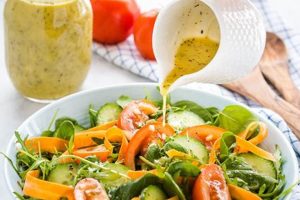
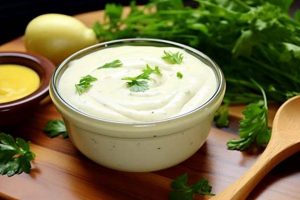
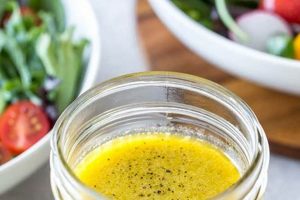
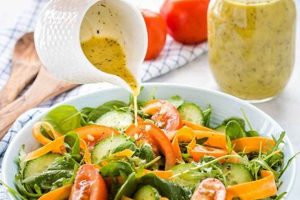
Creamy, vibrant dressings crafted from avocados offer a healthy and flavorful alternative to traditional options. These dressings typically involve blending ripe avocado with ingredients such as lime or lemon juice, herbs, spices, and potentially other fruits or vegetables. For example, a simple blend of avocado, cilantro, lime juice, and water creates a refreshing and tangy dressing. Variations can include adding jalapeo for heat, garlic for pungency, or Greek yogurt for a creamier texture.
Avocado-based dressings contribute healthy fats, fiber, and vitamins to meals. Their rich texture and mild flavor enhance salads and other dishes, making them more appealing and satisfying. The use of avocado in culinary applications, including dressings, has gained popularity alongside increased awareness of the fruit’s nutritional value. Historically, avocados have been a staple in various cuisines, particularly in Central and South America, but their versatility in contemporary gastronomy continues to expand.
Further exploration will cover diverse recipes, ranging from basic preparations to more elaborate blends, addressing variations in flavor profiles, textures, and nutritional content. Techniques for achieving optimal creaminess and storage methods for maintaining freshness will also be discussed.
Tips for Crafting Exceptional Avocado Dressings
Creating a delicious and vibrant avocado dressing involves understanding a few key principles. The following tips offer guidance for achieving optimal flavor, texture, and consistency.
Tip 1: Ripe Avocados are Key: Select avocados that yield gently to pressure but are not overly soft. Overripe avocados can result in a bitter flavor.
Tip 2: Balance Flavors: Acidity is crucial. Lime or lemon juice balances the richness of the avocado and prevents browning. A touch of sweetness, such as honey or agave, can also enhance the flavor profile.
Tip 3: Control Consistency: The amount of liquid added determines the dressing’s thickness. Start with a small amount and gradually add more to achieve the desired consistency, whether it be a dip, drizzle, or marinade.
Tip 4: Embrace Flavor Combinations: Experiment with different herbs and spices. Cilantro, parsley, dill, garlic, jalapeo, and cumin all complement avocado beautifully.
Tip 5: Proper Storage is Essential: To prevent browning, store leftover dressing in an airtight container with a layer of plastic wrap pressed directly onto the surface. Refrigeration is recommended for up to three days.
Tip 6: Versatile Applications: Avocado dressings are not limited to salads. They can be used as dips for vegetables and chips, marinades for proteins, or spreads for sandwiches.
Tip 7: Consider Texture: For a smoother dressing, remove the avocado pit and skin before blending. Leaving small chunks of avocado provides a more rustic texture.
By following these guidelines, one can consistently produce delicious and versatile avocado dressings that elevate any meal.
These tips provide a foundation for creating personalized avocado dressings that cater to individual preferences and culinary needs. Experimentation and adaptation are encouraged to discover new and exciting flavor combinations.
1. Ripe Avocado

Ripe avocados are fundamental to crafting successful avocado-based salad dressings. The ripeness of the fruit directly impacts the flavor, texture, and overall quality of the dressing. Understanding the characteristics of a perfectly ripe avocado is essential for achieving optimal culinary results.
- Texture and Consistency:
A ripe avocado yields gently to pressure when squeezed but does not feel mushy. Overripe avocados will be excessively soft and may have brown or black spots inside, leading to a bitter flavor in the dressing. Underripe avocados will be firm and difficult to mash, resulting in a chunky and less creamy dressing.
- Color and Appearance:
While color can be an indicator, it’s not always reliable. Generally, ripe avocados transition from green to a darker purplish-black hue. However, some varieties retain their green color even when ripe. The best indicator is the gentle-yield test.
- Flavor Profile:
Ripe avocados possess a rich, buttery flavor that forms the foundation of the dressing. Underripe avocados lack this characteristic richness, while overripe avocados can develop off-flavors. The desired creamy texture and mild, nutty taste are achieved only with optimal ripeness.
- Impact on Dressing Preparation:
Ripe avocados blend smoothly, creating a creamy emulsion for the dressing. Their smooth texture allows for easy incorporation of other ingredients and contributes to the overall consistency of the final product. An underripe avocado will be difficult to blend and may result in a lumpy dressing.
The selection of a perfectly ripe avocado is paramount in creating a high-quality avocado salad dressing. The fruit’s texture, flavor, and ease of blending directly influence the final product. Attention to these characteristics ensures a dressing that is both flavorful and visually appealing, enhancing the overall culinary experience.
2. Flavor Balance

Flavor balance is paramount in avocado-based salad dressings. The inherent richness of avocado necessitates careful consideration of complementary and contrasting tastes to create a harmonious and palatable dressing. Achieving this balance elevates the sensory experience, transforming a simple dressing into a culinary highlight.
- Acidity:
Acidity plays a crucial role in cutting through the richness of the avocado. Ingredients like lime juice, lemon juice, or vinegar introduce a bright, tart counterpoint that prevents the dressing from becoming overly heavy. This acidic element also helps to preserve the vibrant green color of the avocado, preventing enzymatic browning. A squeeze of citrus brightens the overall flavor profile, adding a refreshing dimension.
- Sweetness:
A touch of sweetness can further enhance the complexity of the dressing. A small amount of honey, maple syrup, or agave nectar balances the acidity and adds a subtle depth of flavor. This sweetness should be used judiciously to avoid overpowering the other elements. The delicate balance of sweet and tart creates a more nuanced and appealing dressing.
- Savory Notes:
Incorporating savory elements adds another layer of flavor complexity. Ingredients such as garlic, onion, or herbs like cilantro, parsley, or dill contribute savory notes that complement the avocado’s creaminess. These savory additions can range from subtle hints to more pronounced flavors, depending on personal preference and the overall flavor profile being targeted.
- Heat (Optional):
For those who enjoy a bit of heat, incorporating a spicy element can elevate the dressing. A pinch of red pepper flakes, a diced jalapeo, or a dash of hot sauce adds a fiery kick that contrasts beautifully with the creamy avocado and bright acidity. The level of heat can be adjusted to suit individual palates, offering a customizable flavor experience.
The interplay of these flavor componentsacidity, sweetness, savory notes, and optional heatdetermines the overall balance and complexity of the avocado salad dressing. Careful consideration of these elements ensures a dressing that is not only flavorful but also complements the other ingredients in the salad or dish, creating a well-rounded and satisfying culinary experience. A well-balanced dressing enhances the flavors of the accompanying ingredients without overpowering them, resulting in a harmonious and enjoyable meal.
3. Desired Consistency
Desired consistency plays a crucial role in the versatility of avocado-based salad dressings. The spectrum ranges from thin, pourable dressings suitable for lighter salads to thick, spreadable consistencies ideal for dipping or as sandwich spreads. Manipulating the liquid content during preparation determines the final texture. A higher liquid ratio, achieved by adding more water, citrus juice, or oil, yields a thinner dressing. Conversely, reducing the liquid or incorporating thicker ingredients like Greek yogurt creates a denser, creamier consistency. This adaptability allows avocado dressings to complement a wide array of dishes and culinary applications. For instance, a thin dressing might be preferred for a delicate spring mix salad, while a thicker dressing might be better suited for a heartier salad with roasted vegetables or as a dip for tortilla chips.
Understanding the relationship between liquid content and consistency allows for precise control over the final product. Recipes often provide guidance on achieving specific consistencies, but individual adjustments can be made based on personal preference and the intended use. Adding liquid gradually and blending thoroughly between additions ensures a smooth, homogenous texture, preventing lumps and separation. Furthermore, the desired consistency may also influence the choice of blending equipment. A high-speed blender creates a perfectly smooth dressing, whereas a food processor or immersion blender can produce a dressing with more texture, leaving small chunks of avocado for added interest. The choice depends on the specific recipe and desired outcome.
Mastering consistency in avocado salad dressing preparation expands its culinary potential beyond traditional salad applications. The ability to adjust the texture from a light drizzle to a thick spread opens doors to using avocado as a base for dips, sauces, marinades, and sandwich fillings. The practical significance of this control lies in its ability to enhance the overall dining experience by tailoring the dressing to complement the specific flavors and textures of the accompanying dish. This understanding allows for greater creativity and flexibility in the kitchen, empowering culinary exploration and innovation.
4. Ingredient Pairings
Ingredient pairings significantly impact the flavor profile and overall quality of avocado-based salad dressings. The inherent creaminess and mild flavor of avocado provide a versatile canvas for a wide range of complementary ingredients. Strategic combinations enhance complexity, creating dressings far beyond basic avocado puree. The selection of these complementary ingredients should consider the desired taste profilewhether bright and herbaceous, spicy and vibrant, or savory and rich. For instance, cilantro and lime juice create a classic Mexican-inspired flavor profile, while adding jalapeo introduces a spicy kick. Alternatively, roasted red peppers and cumin offer a smoky, Southwestern twist. Understanding these pairings allows for customized flavor experiences, catering to specific culinary preferences and dietary needs.
Specific examples illustrate the impact of ingredient pairings. Combining avocado with fresh dill, lemon juice, and a pinch of salt creates a light and refreshing dressing ideal for delicate seafood salads. Conversely, blending avocado with roasted garlic, cumin, and chipotle peppers yields a smoky, robust dressing that complements grilled meats and vegetables. The potential combinations are vast, offering a spectrum of flavor profiles ranging from bright and tangy to rich and earthy. Experimentation is encouraged, as discovering new and exciting flavor combinations is part of the culinary adventure. Adapting pairings to seasonal ingredients further expands the possibilities, allowing for continuous culinary exploration throughout the year. This understanding of ingredient synergy is essential for developing unique and flavorful avocado salad dressings.
The practical significance of understanding ingredient pairings lies in the ability to create dressings tailored to specific dishes and individual preferences. This knowledge empowers culinary creativity, allowing cooks to move beyond pre-made dressings and craft personalized flavor experiences. Challenges may arise in balancing flavors and achieving desired textures, but careful consideration of ingredient interactions and proportions mitigates these issues. Ultimately, mastering ingredient pairings elevates avocado salad dressings from simple accompaniments to culinary centerpieces, enriching the overall dining experience.
5. Storage Techniques

Proper storage techniques are essential for maintaining the quality and extending the shelf life of avocado-based salad dressings. Avocado’s susceptibility to oxidation, resulting in enzymatic browning and off-flavors, necessitates specific preservation methods. Without appropriate storage, the vibrant green color and fresh flavor degrade rapidly, diminishing the dressing’s appeal and nutritional value. Effective storage preserves the dressing’s visual appeal and palatable taste, crucial for a positive culinary experience. For instance, a dressing left exposed to air will brown within hours, becoming unappetizing, while properly stored dressing retains its vibrant green hue and fresh flavor for several days.
Several methods effectively combat oxidation and maintain freshness. Storing the dressing in an airtight container limits exposure to oxygen, a primary driver of browning. Placing a layer of plastic wrap directly onto the surface of the dressing creates an additional barrier against air, further minimizing oxidation. Refrigeration slows enzymatic activity, extending shelf life. These combined practices significantly prolong the dressing’s usability, minimizing food waste and maximizing value. For example, a restaurant preparing dressings in advance can ensure quality and minimize waste by employing these storage techniques. Furthermore, understanding storage limitations is crucial. Even with optimal storage, avocado dressings are best consumed within three days to ensure optimal flavor and quality. Freezing is generally not recommended, as it can negatively impact the texture and flavor of the dressing.
Effective storage of avocado-based salad dressings is integral to maximizing their culinary potential. Appropriate techniques prevent undesirable enzymatic browning and preserve the dressing’s fresh flavor and vibrant color. This understanding allows for efficient meal preparation and minimizes food waste, contributing to both culinary satisfaction and resource optimization. Challenges may arise in maintaining optimal storage conditions, particularly in commercial settings, but adherence to best practices significantly extends shelf life and preserves quality. Ultimately, proper storage ensures that the time and effort invested in crafting a delicious avocado dressing are rewarded with a consistently enjoyable culinary experience.
Frequently Asked Questions
This section addresses common inquiries regarding avocado-based salad dressings, offering concise and informative responses to clarify potential uncertainties and promote effective utilization.
Question 1: How long can avocado salad dressing be stored?
Refrigeration in an airtight container, with plastic wrap pressed directly onto the surface, allows for storage up to three days. Beyond this timeframe, quality may deteriorate.
Question 2: Can avocado salad dressing be frozen?
Freezing is not generally recommended. Freezing can negatively affect the texture and flavor of the dressing, resulting in a less desirable consistency upon thawing.
Question 3: How can browning be prevented?
Limiting exposure to air is key. Using an airtight container and placing plastic wrap directly on the dressing’s surface minimizes oxidation and preserves the vibrant green color.
Question 4: What can be substituted for lime or lemon juice?
While citrus juice is ideal for flavor and preventing browning, white wine vinegar or apple cider vinegar can be used as alternatives. Adjust the amount according to taste.
Question 5: Can avocado salad dressing be used for anything besides salads?
Absolutely. Its versatility extends to use as a dip for vegetables or chips, a marinade for proteins, a spread for sandwiches, or a sauce for tacos or grilled dishes.
Question 6: How can the consistency of the dressing be adjusted?
The amount of added liquid dictates consistency. More liquid creates a thinner dressing, while less liquid results in a thicker one. Adding water, oil, or yogurt adjusts texture as needed.
Addressing these common questions provides a comprehensive understanding of avocado salad dressing preparation, storage, and utilization. Careful attention to these details ensures a positive culinary experience.
The following sections will explore specific recipes, offering step-by-step guidance and showcasing the diverse range of flavor profiles achievable with avocado-based dressings.
Avocado Recipes Salad Dressing
Exploration of avocado recipes for salad dressings reveals a versatile culinary landscape. Emphasis on ripe avocado selection, flavor balance, consistency control, and complementary ingredient pairings underscores the potential for diverse flavor profiles. Proper storage techniques, crucial for preserving freshness and preventing oxidation, ensure optimal culinary outcomes. Avocado-based dressings offer nutritional benefits alongside their culinary appeal, enriching meals with healthy fats, fiber, and vitamins. From classic combinations to innovative blends, avocado’s adaptability shines through, transforming simple salads into flavorful experiences.
Culinary innovation with avocado recipes for salad dressings offers continuous exploration. The dynamic interplay of flavors, textures, and ingredients invites experimentation, promising future culinary discoveries. Avocado’s potential as a core ingredient in healthy and flavorful dressings positions it for continued prominence in gastronomy. This adaptable fruit transcends basic culinary applications, offering a foundation for creative expression and nutritional enhancement in the kitchen.