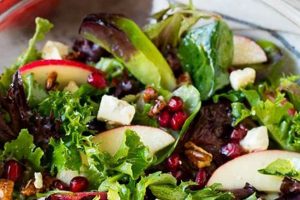
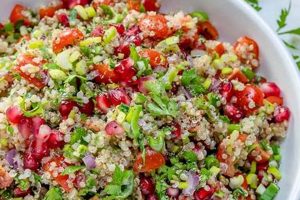
Dishes featuring asparagus as the primary ingredient, prepared and served cold, encompass a broad range of culinary possibilities. These preparations can vary from simple, minimally dressed spears to complex compositions incorporating diverse vegetables, cheeses, proteins, and grains. A basic example might involve blanched asparagus tossed with olive oil, lemon juice, and salt, while more elaborate versions could include grilled asparagus, roasted vegetables, crumbled feta, toasted nuts, and a vinaigrette dressing.
Such dishes offer nutritional value thanks to asparagus’s vitamins and minerals. They also provide culinary versatility, suitable as light lunches, elegant appetizers, or side dishes complementing a variety of main courses. Historically, asparagus has been prized for its delicate flavor and perceived health benefits, appearing in recipes dating back to ancient Roman times. The contemporary interest in fresh, seasonal cuisine has further elevated the popularity of these preparations, showcasing the vegetable’s unique qualities.
Further exploration will delve into specific preparation techniques, highlighting the nuances of blanching, grilling, and roasting asparagus. Variety in flavor profiles will also be addressed, showcasing pairings with complementary ingredients and diverse dressings. Finally, practical advice will be provided, covering topics such as selecting fresh asparagus, proper storage methods, and creative presentation techniques.
Tips for Asparagus Salad Preparation
Optimizing asparagus salad preparation involves attention to detail at each stage, from ingredient selection to final presentation. The following tips offer guidance for achieving flavorful and visually appealing results.
Tip 1: Selecting Asparagus: Opt for firm, brightly colored spears with closed tips. Avoid limp or dull-colored asparagus, as this indicates age and diminished quality.
Tip 2: Proper Storage: To maintain freshness, store unwashed asparagus upright in a container with an inch of water at the bottom of the refrigerator. Alternatively, wrap the ends in a damp paper towel and refrigerate.
Tip 3: Blanching Techniques: Blanching enhances color and texture. Submerge asparagus in boiling, salted water for 2-3 minutes until tender-crisp, then immediately plunge into ice water to stop the cooking process.
Tip 4: Grilling Methods: Grilling imparts a smoky flavor. Toss asparagus with olive oil, salt, and pepper before grilling over medium heat for 3-5 minutes, turning occasionally, until tender and slightly charred.
Tip 5: Roasting Procedures: Roasting develops a deep, caramelized flavor. Toss asparagus with olive oil, salt, pepper, and desired seasonings before roasting in a preheated oven at 400F (200C) for 10-15 minutes until tender and slightly browned.
Tip 6: Enhancing Flavor Profiles: Consider incorporating complementary ingredients such as citrus zest, toasted nuts, crumbled cheese, or fresh herbs to elevate the flavor profile of the salad.
Tip 7: Dressing Selection: Choose a dressing that complements the other ingredients in the salad. Light vinaigrettes, creamy dressings, or even a simple drizzle of olive oil and lemon juice can be suitable options.
Tip 8: Presentation: Thoughtful presentation enhances the dining experience. Arrange the asparagus and other components attractively on a platter or individual plates, garnishing with fresh herbs or edible flowers.
Adherence to these tips ensures optimal flavor, texture, and visual appeal, resulting in a consistently enjoyable culinary experience.
The following section will provide several illustrative recipes demonstrating these principles in practice, offering diverse flavor combinations and presentation styles.
1. Fresh Asparagus

Fresh asparagus plays a crucial role in determining the overall quality and flavor profile of asparagus salad recipes. The freshness directly impacts texture, taste, and nutritional value. Tender, firm spears with vibrant green color and tightly closed tips indicate optimal freshness. These characteristics translate to a pleasant, slightly sweet flavor and a crisp-tender texture when prepared correctly. Conversely, older asparagus tends to be tough, fibrous, and bitter, negatively impacting the sensory experience of the salad.
Choosing fresh asparagus allows for versatile culinary applications within salad preparations. Freshly harvested spears retain their delicate flavor, enhancing their compatibility with a wide range of ingredients and dressings. This adaptability facilitates creativity in recipe development, allowing for diverse flavor combinations and presentations. For instance, fresh asparagus can be blanched and paired with delicate herbs and a light vinaigrette for a refreshing spring salad, or grilled and combined with robust cheeses and toasted nuts for a heartier summer dish. The inherent quality of the asparagus allows these flavor nuances to shine through.
Prioritizing fresh asparagus ensures optimal nutritional benefits. Vitamins and minerals degrade over time, making freshness a key factor in maximizing the nutritional value of asparagus salads. Selecting and storing asparagus correctly preserves these nutrients, contributing to a healthier and more flavorful culinary experience. Understanding the significance of freshness when choosing asparagus ultimately leads to more successful and satisfying asparagus salad preparations. Attention to this detail elevates the dish beyond a simple combination of ingredients into a celebration of flavor, texture, and nutritional value.
2. Complementary Ingredients
Complementary ingredients significantly enhance asparagus salad recipes, transforming a simple dish into a multi-dimensional culinary experience. Strategic ingredient pairings elevate flavor profiles, add textural complexity, and increase nutritional value. Careful consideration of these additions ensures a balanced and satisfying final product.
- Cheese:
Cheese provides a creamy, salty counterpoint to the delicate sweetness of asparagus. Feta, goat cheese, parmesan, and ricotta salata offer distinct flavor profiles that complement asparagus well. For instance, crumbled feta adds a salty tang, while shaved parmesan provides a nutty depth. The choice of cheese should consider the other salad components and the overall desired flavor profile.
- Nuts and Seeds:
Nuts and seeds contribute textural contrast and rich flavor dimensions. Toasted almonds, pine nuts, walnuts, and sunflower seeds offer varying degrees of crunch and unique flavor characteristics. Toasted almonds provide a buttery crunch, while sunflower seeds offer a nutty earthiness. These additions create satisfying textural interplay with the tender asparagus.
- Other Vegetables:
Incorporating other vegetables adds depth and complexity to asparagus salads. Tomatoes, cucumbers, bell peppers, and red onion introduce contrasting flavors, colors, and textures. Cherry tomatoes provide a burst of sweetness and acidity, while thinly sliced red onion adds a sharp bite. The selection of vegetables should consider seasonal availability and flavor compatibility with asparagus.
- Citrus and Herbs:
Citrus fruits and fresh herbs brighten asparagus salad recipes with vibrant acidity and aromatic complexity. Lemon, lime, and orange zest add a citrusy lift, while herbs like mint, basil, and chives introduce fresh, herbaceous notes. A squeeze of lemon juice enhances the asparagus’s natural sweetness, while chopped chives provide a subtle onion flavor. These elements create a refreshing and aromatic balance.
Successful asparagus salad recipes rely on the thoughtful integration of complementary ingredients. These additions enhance the inherent qualities of asparagus, creating a harmonious blend of flavors, textures, and colors. The interplay of these components elevates the dish from a simple side to a sophisticated and satisfying culinary creation.
3. Balanced Dressings

Balanced dressings play a crucial role in asparagus salad recipes, enhancing the natural flavors of the asparagus and other ingredients without overpowering them. A well-balanced dressing complements the delicate sweetness of asparagus, adding acidity, richness, and complexity to the overall flavor profile. The careful consideration of dressing components contributes significantly to the success of the final dish.
- Acidity:
Acidity provides brightness and balances the sweetness of the asparagus. Common acidic components include vinegar (such as white wine vinegar, balsamic vinegar, or apple cider vinegar), citrus juice (lemon or lime), or a combination thereof. A vinaigrette with a ratio of 3 parts oil to 1 part acid provides a good starting point, adjustable to taste. Too much acidity can make the salad tart, while too little can leave it bland.
- Oil:
Oil adds richness and helps distribute flavors throughout the salad. Extra virgin olive oil, avocado oil, and grapeseed oil are suitable choices. The type of oil influences the flavor profile of the dressing; for example, extra virgin olive oil offers a fruity, peppery flavor, while avocado oil has a milder taste. The oil-to-acid ratio determines the dressing’s overall richness and mouthfeel.
- Seasoning:
Seasoning enhances the overall flavor profile and ties the dressing together. Salt and freshly ground black pepper are essential, while other seasonings like Dijon mustard, honey, minced garlic, or shallots add complexity. A pinch of salt balances the acidity and enhances other flavors, while freshly ground black pepper adds a subtle spice. Experimenting with different seasonings allows for customized flavor combinations.
- Emulsification:
Emulsification creates a stable and creamy texture, preventing the dressing from separating. Whisking the oil and acid together vigorously creates a temporary emulsion, while adding an emulsifier such as Dijon mustard or honey creates a more stable emulsion. A properly emulsified dressing coats the salad ingredients evenly, ensuring a consistent flavor experience in each bite.
The interplay of these elementsacidity, oil, seasoning, and emulsificationdetermines the overall balance and success of the dressing. A well-balanced dressing complements the asparagus and other salad components, creating a harmonious and flavorful dish. Consideration of these factors ensures a dressing that enhances rather than overwhelms the delicate flavors of the asparagus salad.
4. Proper Cooking Techniques

Proper cooking techniques are essential for achieving optimal texture and flavor in asparagus salad recipes. The chosen method significantly influences the final result, impacting the asparagus’s tenderness, color, and overall palatability. Understanding and applying appropriate cooking techniques ensures a successful and enjoyable culinary experience.
- Blanching:
Blanching involves briefly submerging asparagus in boiling water, then immediately plunging it into ice water to stop the cooking process. This technique preserves the vibrant green color and crisp-tender texture, ideal for salads. Blanching also helps to remove any bitterness and sets the stage for further flavor development through marinades or dressings.
- Grilling:
Grilling imparts a smoky char and tender-crisp texture to asparagus. Grilling requires preheating the grill to medium-high heat and lightly oiling the asparagus to prevent sticking. The spears are cooked for a few minutes per side, until tender and slightly charred. This method adds a depth of flavor that complements robust dressings and ingredients.
- Roasting:
Roasting develops a deep, caramelized flavor and tender texture. Asparagus is tossed with olive oil and seasonings before being roasted in a preheated oven. The high heat concentrates the asparaguss natural sugars, resulting in a slightly sweet and caramelized flavor. This method works well with bolder flavors and creates a more substantial texture compared to blanching.
- Sauting:
Sauting offers a quick and convenient cooking method for asparagus. Asparagus is cooked in a hot pan with a small amount of oil, stirring frequently, until tender-crisp. This technique allows for quick weeknight meals and offers versatility in flavor combinations, as various seasonings and aromatics can be added during the cooking process.
Selecting the appropriate cooking technique depends on the desired outcome and the overall composition of the salad. Each method offers unique advantages, influencing the asparagus’s texture, flavor, and compatibility with other ingredients. Mastering these techniques provides a foundation for creating diverse and delicious asparagus salad recipes.
5. Seasonality

Seasonality significantly influences asparagus salad recipes, impacting flavor, availability, and nutritional value. Peak asparagus season typically occurs in spring, resulting in the most tender and flavorful spears. Understanding this seasonality allows for optimal recipe development, maximizing the quality and enjoyment of asparagus salads.
- Peak Season Flavor:
Spring-harvested asparagus possesses a naturally sweet, delicate flavor and tender texture. These qualities make it ideal for salads, requiring minimal cooking and allowing its inherent flavors to shine. Salads featuring peak-season asparagus often require less seasoning and simpler dressings, as the vegetable’s natural flavor is paramount.
- Ingredient Availability:
Seasonality dictates the availability of complementary ingredients. Springtime pairings for asparagus often include other seasonal produce like fresh peas, fava beans, and strawberries, creating a cohesive and harmonious flavor profile. Utilizing ingredients at their peak freshness enhances the overall quality and taste of the salad.
- Nutritional Value:
Asparagus harvested during its peak season generally boasts higher nutritional content. Vitamins and minerals are often most abundant when produce is consumed fresh and in season. Incorporating peak-season asparagus into salads maximizes these nutritional benefits.
- Recipe Adaptation:
While fresh asparagus is ideal, out-of-season options require recipe adaptations. Frozen or canned asparagus may necessitate adjustments in cooking times and seasoning to achieve optimal results. Understanding these variations allows for year-round enjoyment of asparagus salads, albeit with adjustments to accommodate the differences in quality and flavor.
Consideration of seasonality elevates asparagus salad recipes, ensuring optimal flavor, nutritional value, and overall culinary experience. By embracing seasonal variations and adapting recipes accordingly, asparagus salads can be enjoyed throughout the year, showcasing the versatility and adaptability of this remarkable vegetable.
6. Creative Presentation

Creative presentation elevates asparagus salad recipes from simple meals to visually engaging culinary experiences. Thoughtful plating enhances the perceived value and enjoyment of the dish. Visual appeal stimulates appetite and contributes to a more satisfying dining experience. The arrangement of components, use of color, and incorporation of garnishes significantly impact the overall presentation.
Several techniques contribute to effective presentation. Arranging asparagus spears in a deliberate pattern, rather than simply piling them on a plate, creates visual interest. Incorporating colorful ingredients, such as cherry tomatoes, bell peppers, or edible flowers, adds vibrancy and contrast. Garnishing with fresh herbs, toasted nuts, or a sprinkle of cheese enhances texture and visual appeal. For instance, a salad featuring grilled asparagus, roasted red peppers, and goat cheese can be arranged on a platter with the asparagus spears fanned out, the peppers strategically placed for color contrast, and the goat cheese crumbled over the top. A sprinkle of chopped fresh parsley completes the presentation, adding a final touch of color and freshness.
The practical significance of creative presentation extends beyond mere aesthetics. It communicates care and attention to detail, enhancing the perceived quality of the dish. A well-presented salad suggests a higher level of culinary skill and elevates the dining experience, making it more memorable and enjoyable. While flavor remains paramount, visual appeal plays a crucial role in the overall perception and appreciation of asparagus salad recipes. This understanding allows for a more holistic approach to culinary creation, recognizing the synergistic relationship between taste and presentation.
Frequently Asked Questions
This section addresses common inquiries regarding asparagus salad recipes, providing concise and informative responses to facilitate successful preparation and enjoyment.
Question 1: How can bitterness in asparagus be mitigated?
Bitterness, sometimes present in thicker asparagus stalks, can be reduced by peeling the lower portion of the spears before cooking. Blanching also helps to minimize bitterness.
Question 2: What are optimal asparagus storage methods?
Storing unwashed asparagus upright in a container with an inch of water in the refrigerator, or wrapping the ends in a damp paper towel, preserves freshness.
Question 3: Can frozen asparagus be used in salads?
Frozen asparagus can be substituted, but requires careful thawing and may exhibit a slightly softer texture compared to fresh asparagus. Adjustments to cooking times may be necessary.
Question 4: What dressings complement asparagus particularly well?
Light vinaigrettes, lemon-based dressings, and creamy dressings containing ingredients like goat cheese or parmesan often pair well with asparagus.
Question 5: How long can asparagus salad be stored?
Refrigerated asparagus salad, stored in an airtight container, typically remains fresh for 2-3 days. However, dressings containing dairy may shorten the storage timeframe.
Question 6: How can asparagus be incorporated into salads for various dietary needs?
Asparagus salads offer adaptability for diverse dietary requirements. Vegan options can utilize plant-based dressings and omit cheese, while gluten-free versions require attention to ingredient selection within dressings and additional components.
Addressing these common queries provides clarity and facilitates confident experimentation with asparagus salad recipes. Understanding these considerations ensures successful preparation and enjoyable consumption.
The subsequent section offers a collection of curated asparagus salad recipes, demonstrating the practical application of these principles and showcasing diverse flavor combinations and presentation styles.
Asparagus Salad Recipes
Exploration of asparagus salad recipes reveals the versatility and culinary potential of this remarkable vegetable. From ingredient selection and preparation techniques to complementary pairings and creative presentation, attention to detail elevates these dishes beyond simple salads. Freshness, seasonality, and balanced flavor profiles contribute significantly to the overall dining experience. Proper cooking methods, whether blanching, grilling, or roasting, optimize texture and taste, while thoughtful ingredient combinations create harmonious flavor dimensions. Acidity, richness, and textural contrast enhance the inherent qualities of asparagus, transforming it into a culinary centerpiece.
Asparagus salad recipes offer a canvas for culinary creativity, encouraging exploration of diverse flavor combinations and presentation styles. Emphasis on fresh, seasonal ingredients, coupled with an understanding of fundamental culinary principles, allows for continuous adaptation and refinement of these dishes. The potential for innovation within this culinary realm remains vast, promising continued evolution and enjoyment of asparagus salad recipes.