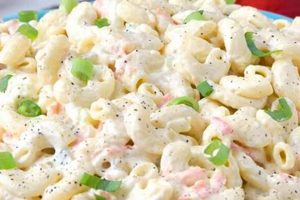
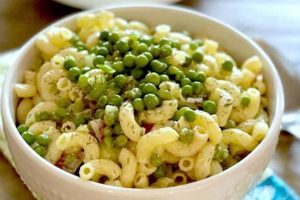
Macaroni salads characterized by a sweet flavor profile typically incorporate ingredients like sugar, sweetened condensed milk, fruits (such as pineapple, grapes, or apples), and sometimes marshmallows or other sweet additions. These ingredients contrast with the savory elements commonly found in traditional macaroni salads, resulting in a distinctive dish often served as a side at picnics, potlucks, and barbecues.
The appeal of these variations lies in their unique flavor combinations, offering a refreshing alternative to more savory options. This style of macaroni salad has a notable presence in various regional cuisines, particularly in the Southern United States and parts of Southeast Asia, suggesting a rich culinary history and cultural significance. The balance of sweet and tangy flavors can be especially appealing during warmer months, contributing to their popularity at outdoor gatherings. These recipes are often simple to prepare, making them accessible to cooks of all skill levels.
The following sections will explore specific ingredient combinations, preparation techniques, and variations to consider when creating this type of dish, offering a range of options from classic recipes to more innovative interpretations.
Tips for Creating Delicious Sweet Macaroni Salad
Achieving the perfect balance of flavors and textures in a sweet macaroni salad requires attention to detail. The following tips offer guidance for optimal results.
Tip 1: Pasta Selection and Cooking: Opt for small pasta shapes like elbow macaroni or shells, which hold the dressing well. Cook the pasta al dente to maintain a firm texture, preventing a mushy salad.
Tip 2: Balancing Sweetness and Acidity: While sweetness is key, a touch of acidity enhances the overall flavor profile. Ingredients like apple cider vinegar, lemon juice, or a pinch of dry mustard can provide this balance.
Tip 3: Ingredient Incorporation: Add dressing and other ingredients while the pasta is still slightly warm. This allows for better absorption of flavors and ensures even distribution.
Tip 4: Dressing Consistency: Aim for a creamy, yet not overly thick, dressing. Adjust the amount of mayonnaise, sweetened condensed milk, or other creamy components to achieve the desired consistency.
Tip 5: Fruit and Vegetable Selection: Choose fruits and vegetables that complement the sweet profile, such as grapes, pineapple, celery, and apples. Ensure they are fresh and properly prepared.
Tip 6: Chill Time: Allow the salad to chill thoroughly in the refrigerator for at least two hours before serving. Chilling enhances the flavors and allows the ingredients to meld.
Tip 7: Garnish and Presentation: A simple garnish can elevate the presentation. Consider using chopped nuts, a sprinkle of paprika, or a few reserved fruit pieces.
By following these tips, one can create a sweet macaroni salad that offers a delightful combination of flavors and textures, sure to impress at any gathering.
The insights provided above offer a comprehensive guide to preparing this dish. The following section will summarize key takeaways and suggest further exploration of variations and customizations.
1. Sweetness

Sweetness forms the defining characteristic of this style of macaroni salad, differentiating it from traditional savory versions. The source of this sweetness can vary, contributing to nuanced flavor profiles. Granulated sugar offers a straightforward approach, providing a clean, sweet taste. Sweetened condensed milk adds a richer, creamier sweetness along with a distinct texture. Alternative sweeteners like honey or maple syrup can also be employed, introducing unique flavor dimensions. The level of sweetness must be carefully calibrated to avoid overpowering other ingredients and to achieve a harmonious balance with the acidity and savory notes within the salad.
The interplay between sweetness and other components is crucial. For instance, in a pineapple-based salad, the sweetness of the fruit interacts with the tangy dressing, creating a dynamic flavor profile. In contrast, a salad featuring marshmallows relies on the inherent sweetness of the ingredient, requiring less added sugar in the dressing. Understanding these interactions allows for precise control over the final product, enabling customization to individual preferences. Real-world applications demonstrate this concept: a potluck setting might call for a bolder sweetness to appeal to a wide range of palates, while a family dinner might favor a more subtle sweetness. The practical implication is that adjusting the sweetness level allows for tailoring the dish to specific occasions and preferences.
Careful consideration of sweetness is essential when creating this type of dish. Challenges may arise in achieving the desired level of sweetness without compromising the overall balance of flavors. The selection of ingredients, the type of sweetener used, and the proportions in which they are combined all play a critical role in determining the final outcome. Mastering this aspect is key to producing a successful and enjoyable sweet macaroni salad.
2. Macaroni Choice

Macaroni selection significantly influences the final outcome of a sweet macaroni salad. Shape, size, and texture contribute to both the aesthetic appeal and the overall eating experience. Smaller pasta shapes, such as elbow macaroni, shells, or ditalini, are generally preferred for their ability to hold the dressing effectively and provide a pleasant mouthfeel. Larger shapes, while visually striking, may not distribute the sweet dressing evenly and can become cumbersome to eat. The choice of macaroni also affects how the salad absorbs flavors. Smaller shapes offer more surface area, allowing for greater saturation with the sweet dressing and other ingredients.
Consider the classic elbow macaroni: its curved shape readily captures the creamy, sweet dressing, ensuring each bite delivers a balanced flavor. In contrast, a long, thin pasta like spaghetti would likely result in an uneven distribution of dressing, with some strands overly saturated while others remain bland. This illustrates the importance of considering shape and size when selecting the appropriate pasta. Furthermore, the pasta’s texture plays a role. Overcooked macaroni becomes mushy and loses its structural integrity, resulting in a less appealing salad. Conversely, pasta cooked al dente provides a pleasant chewiness that complements the creamy dressing and other ingredients.
The practical implications of macaroni selection become apparent in the overall enjoyment of the dish. A well-chosen pasta enhances the presentation, ensures even flavor distribution, and contributes to a satisfying texture. Challenges can arise when using larger or unusually shaped pasta, as they may not hold the dressing well or present serving difficulties. Ultimately, selecting the appropriate macaroni shape is crucial for creating a visually appealing and palatable sweet macaroni salad. Careful consideration of these factors allows for a more refined and enjoyable culinary experience.
3. Added Ingredients

Added ingredients play a pivotal role in defining the character of sweet macaroni salad recipes. These additions contribute not only to flavor complexity but also to textural variation and visual appeal. Common additions include fruits such as grapes, pineapple, and apples, which introduce sweetness and a refreshing counterpoint to the creamy dressing. Other ingredients like marshmallows, celery, and raisins offer textural contrasts and distinct flavor profiles. The selection of these ingredients directly impacts the overall sensory experience of the dish. For instance, the inclusion of pineapple creates a tropical inflection, while the use of grapes offers a more traditional flavor profile. The interplay between these added components and the base ingredients, such as the macaroni and dressing, is essential for achieving a well-balanced and flavorful salad.
The choice of added ingredients allows for extensive customization and adaptation of sweet macaroni salad recipes to suit diverse preferences and occasions. A salad intended for a summer picnic might benefit from the inclusion of fresh berries and a hint of mint, while a holiday gathering might call for the addition of dried cranberries and chopped pecans. These examples highlight the adaptability of the dish and the potential for creative expression through ingredient selection. Moreover, the inclusion of specific ingredients can address dietary restrictions or preferences. Substituting traditional marshmallows with vegan alternatives or incorporating gluten-free pasta allows for broader inclusivity and accessibility. Such adaptations demonstrate the practical significance of understanding the role of added ingredients in crafting a versatile and satisfying dish.
Successful integration of added ingredients requires careful consideration of flavor profiles, textures, and overall balance within the salad. Challenges can arise when combining ingredients with conflicting flavors or textures. For example, an overabundance of sweet ingredients can overwhelm the palate, while too many crunchy elements can detract from the creamy texture of the dressing. Achieving a harmonious blend of flavors and textures requires a thoughtful approach to ingredient selection and proportion. Ultimately, the judicious use of added ingredients elevates sweet macaroni salad from a simple side dish to a more complex and nuanced culinary creation.
4. Dressing Consistency
Dressing consistency significantly impacts the overall quality and enjoyment of sweet macaroni salad. The desired consistency typically leans towards creamy, yet not overly thick, allowing the dressing to coat the pasta and other ingredients evenly without becoming gloppy. This balance is crucial for both flavor distribution and textural appeal. A dressing that is too thin will fail to adhere properly, resulting in a watery salad with diluted flavors. Conversely, an excessively thick dressing can overwhelm the other ingredients, creating a heavy, cloying texture. The interplay between the dressing’s consistency and the absorption of flavors by the pasta is a key factor to consider. A properly balanced dressing allows the pasta to absorb the sweet and tangy flavors while maintaining its structural integrity.
Consider a scenario where a thin, watery dressing is used. The dressing will pool at the bottom of the bowl, leaving the pasta and other ingredients underdressed and lacking in flavor. On the other hand, an extremely thick dressing might clump together, making it difficult to mix evenly and resulting in an uneven distribution of sweetness and other flavors. A real-world example can be observed at a potluck: a sweet macaroni salad with a well-balanced dressing will maintain its appeal and texture even after sitting out for a while, whereas a salad with an improperly balanced dressing will likely separate or become unappetizing. This highlights the practical significance of achieving the correct dressing consistency for both flavor and presentation.
Mastering dressing consistency requires careful attention to ingredient proportions and preparation techniques. Challenges can arise from variations in ingredient quality, ambient temperature, and the specific recipe being followed. Achieving the ideal creamy texture often involves balancing mayonnaise, sweetened condensed milk, and other emulsifying agents. Understanding how these ingredients interact is crucial for consistent results. The practical implication of this understanding is the ability to adapt and adjust recipes based on specific circumstances and desired outcomes. This knowledge contributes to a more refined and enjoyable sweet macaroni salad experience, ensuring the dish is both flavorful and visually appealing.
5. Flavor Balance
Flavor balance is paramount in sweet macaroni salad recipes, distinguishing a harmonious blend from an overly sweet or unbalanced dish. Achieving this balance requires a nuanced understanding of how various flavor components interact, including sweetness, acidity, and savory notes. The interplay of these elements determines the overall sensory experience and dictates the recipe’s success.
- Sweetness Calibration
Sweetness, derived from sugar, condensed milk, or other sweeteners, forms the foundation of the flavor profile. However, excessive sweetness can be cloying. Careful calibration ensures the sweetness complements, rather than overwhelms, other ingredients. Real-world examples include using less sugar if incorporating very sweet fruits like pineapple. This prevents an overly sugary taste and allows the fruit’s natural sweetness to shine. Proper sweetness calibration prevents the dish from becoming one-dimensional and allows other flavors to contribute to the overall experience.
- Acidity as a Counterpoint
Acidity plays a critical role in balancing the sweetness. Ingredients like vinegar, lemon juice, or relish introduce a tartness that cuts through the richness and prevents the salad from being overly sweet. Consider a sweet macaroni salad with a pronounced pineapple flavor. The pineapple’s sweetness is balanced by the addition of apple cider vinegar in the dressing, creating a more complex and enjoyable flavor profile. Acidity enhances the perception of sweetness, creating a more dynamic and refreshing taste.
- Savory Elements for Depth
Incorporating savory elements adds depth and complexity. Ingredients like celery, onion, or mustard provide a subtle contrast to the sweetness, preventing the salad from tasting solely like dessert. For example, finely diced celery adds a subtle savory note that complements the sweetness of grapes and the creaminess of the dressing, creating a more balanced and nuanced flavor profile. This inclusion of savory notes rounds out the flavor profile, making it more palatable and less one-dimensional.
- Ingredient Synergy
The synergy between all ingredients is essential for overall flavor balance. Each component should complement the others, creating a harmonious blend. A successful sweet macaroni salad recipe relies on the interplay between the sweetness of the dressing, the acidity of the vinegar, the savory notes of the celery, and the textural contrast of the pasta and other ingredients. A poorly balanced salad might have clashing flavors, such as an overly sweet dressing combined with excessively tart fruit, resulting in a disjointed and unpleasant taste. Understanding ingredient synergy allows for the creation of a well-rounded and flavorful dish.
Flavor balance in sweet macaroni salad recipes requires careful consideration of each element’s contribution. The goal is to create a harmonious blend where sweetness, acidity, and savory notes complement each other, resulting in a complex and enjoyable dish. Achieving this balance elevates the salad from a simple side to a more nuanced and satisfying culinary experience. Mastering flavor balance allows for greater control over the final product, enabling customization and adaptation to individual preferences and specific occasions.
6. Recipe Variations

Recipe variations within the realm of sweet macaroni salads demonstrate the dish’s adaptability and versatility. These variations arise from cultural influences, regional preferences, and individual creativity. A crucial understanding of core componentssweetness, acidity, texture, and added ingredientsallows for informed experimentation while maintaining the essential character of a sweet macaroni salad. One observes variations stemming from the primary sweetening agent. Some recipes utilize sweetened condensed milk, resulting in a richer, creamier texture, while others rely on granulated sugar for a lighter, more traditional sweetness. This foundational choice influences other ingredient selections and overall flavor profiles. Consider the classic Southern-style macaroni salad, often featuring sweet pickle relish, celery, and hard-boiled eggs, contrasting with a Hawaiian-inspired variation incorporating pineapple chunks, mandarin oranges, and toasted coconut. These examples highlight the adaptability of the base recipe to accommodate diverse flavor preferences and regional culinary traditions.
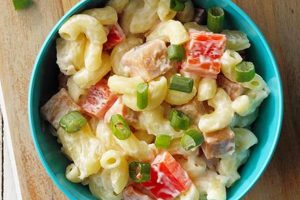
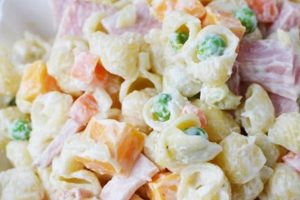
Further variations emerge in the choice of added ingredients. The inclusion of fruits like grapes, apples, or pineapple introduces distinct flavor profiles and textural nuances. Some recipes incorporate dried fruits or nuts, providing additional layers of complexity. Variations also extend to the type of pasta used. While elbow macaroni remains a popular choice, shells, rotini, or other small shapes offer textural variations and influence how the dressing coats the pasta. The practical significance of understanding these variations lies in the ability to tailor recipes to specific dietary needs or preferences. For instance, substituting traditional mayonnaise with a vegan alternative or incorporating gluten-free pasta expands accessibility without compromising the essential sweet character of the dish. Exploration of regional variations provides valuable insights into culinary traditions and cultural influences. A Filipino-style macaroni salad might feature shredded cheddar cheese and diced ham, reflecting the country’s unique culinary heritage. Such adaptations underscore the dynamic nature of sweet macaroni salad and its capacity to evolve while retaining its core identity.
In conclusion, recipe variations represent a dynamic aspect of sweet macaroni salads, highlighting the dish’s adaptability and responsiveness to diverse culinary influences. A foundational understanding of core components and flavor interactions enables informed experimentation, leading to personalized versions while preserving the essential sweet and creamy character. Challenges in recipe adaptation often involve maintaining flavor balance and textural integrity. However, successful adaptations contribute to the ongoing evolution of this culinary staple, ensuring its continued relevance and appeal across cultures and individual preferences. The exploration of variations offers valuable insights into the intersection of culinary creativity, cultural traditions, and personal preferences, demonstrating the dynamic and enduring nature of sweet macaroni salad as a culinary expression.
Frequently Asked Questions
This section addresses common inquiries regarding sweet macaroni salads, offering practical guidance and clarifying potential points of confusion.
Question 1: What is the primary difference between sweet macaroni salad and traditional macaroni salad?
The defining distinction lies in the flavor profile. Sweet macaroni salad recipes incorporate sweeteners like sugar or condensed milk, resulting in a predominantly sweet taste, often complemented by fruits and other sweet additions. Traditional macaroni salad, conversely, emphasizes savory flavors, typically using ingredients like vinegar, mustard, and vegetables.
Question 2: Can one substitute mayonnaise with an alternative in sweet macaroni salad?
Mayonnaise alternatives, such as Greek yogurt, sour cream, or vegan mayonnaise, can be substituted. However, flavor and texture may be affected. Adjustments to other ingredients might be necessary to maintain the desired balance and consistency.
Question 3: How long can sweet macaroni salad be stored safely?
Properly stored in an airtight container in the refrigerator, sweet macaroni salad typically remains safe to consume for three to five days. Spoilage indicators include a sour smell, discoloration, or changes in texture. Discard immediately if spoilage is suspected.
Question 4: What are some suitable alternatives to grapes in sweet macaroni salad?
Numerous fruits complement the sweetness of macaroni salad. Consider diced apples, pineapple chunks, mandarin oranges, or halved cherries. Dried fruits like cranberries or raisins offer additional options, introducing textural variation.
Question 5: How can one prevent sweet macaroni salad from becoming watery?
Excess moisture can stem from watery fruits or vegetables. Thoroughly drain canned fruits and pat fresh ingredients dry before adding them to the salad. Ensure the pasta is well-drained after cooking and cooled slightly before combining with the dressing.
Question 6: Can one freeze sweet macaroni salad?
Freezing is generally not recommended. Mayonnaise-based dressings tend to separate upon thawing, resulting in an undesirable texture. Freezing can also affect the texture of certain fruits and vegetables commonly included in sweet macaroni salad.
Understanding these common points of inquiry allows for a more informed approach to preparing and enjoying sweet macaroni salad, ensuring a satisfying culinary experience.
The subsequent section will provide a concluding summary of key takeaways and suggest further exploration of this versatile dish.
Sweet Macaroni Salad Recipes
Exploration of sweet macaroni salad recipes reveals a dish defined by nuanced flavor profiles and adaptable composition. Careful consideration of core componentssweetness, acidity, texture, and added ingredientsallows for a balanced and enjoyable culinary experience. Macaroni selection influences both texture and dressing adherence. Balancing sweetness with acidity prevents an overly saccharine taste, while savory elements contribute depth. Recipe variations demonstrate adaptability to diverse palates and cultural influences, highlighting the dish’s versatility. Understanding these elements empowers culinary creativity and ensures successful preparation.
Sweet macaroni salad, often relegated to a simple side dish, possesses untapped potential for culinary exploration. Further investigation into regional variations and innovative ingredient combinations promises to expand appreciation for this versatile dish. Thoughtful preparation elevates sweet macaroni salad beyond a picnic staple, transforming it into a nuanced culinary expression reflecting both tradition and innovation.