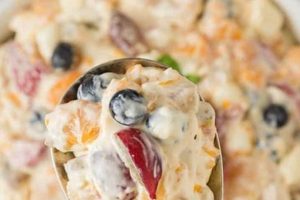
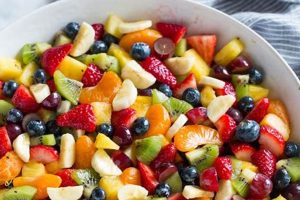
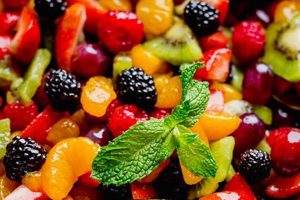
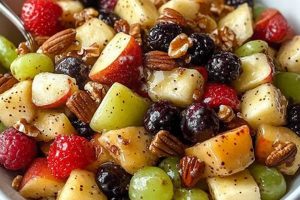
A chilled dessert featuring a medley of fruits, often incorporating a sweetened liquid or syrup, distinguishes itself through the freezing process. This process not only preserves the fruit but also transforms the dish into a refreshing, scoopable treat. Variations can include the use of dairy or non-dairy bases like yogurt or coconut milk for added creaminess and flavor.
This preparation method offers several advantages. It extends the shelf life of seasonal fruits, allowing enjoyment beyond their peak availability. The frozen state provides a unique textural experience distinct from traditional fruit salads, and the inherent coolness makes it particularly appealing in warmer weather. Historically, access to refrigeration played a crucial role in the popularization of such desserts, transforming them from rare indulgences to accessible treats.
This discussion will explore various aspects of creating these delectable desserts, covering topics such as optimal fruit combinations, suitable sweeteners, and techniques for achieving the desired consistency. Additional considerations, such as dietary restrictions and creative presentation ideas, will also be addressed.
Tips for Creating Exceptional Frozen Fruit Salads
Achieving optimal flavor and texture in a frozen fruit salad requires attention to several key elements. The following tips provide guidance for crafting a successful and satisfying dessert.
Tip 1: Select ripe, but firm fruit. Overripe fruit will become mushy upon thawing, while underripe fruit may lack sweetness and optimal flavor. Peak ripeness ensures the best balance of taste and texture.
Tip 2: Consider varying textures. Combining fruits with different textures creates a more interesting and enjoyable sensory experience. Incorporate a mixture of berries, sliced fruits, and diced pieces for textural variety.
Tip 3: Balance sweetness thoughtfully. The natural sweetness of the fruit should be complemented, not overpowered, by any added sweeteners. Adjust sugar levels based on the chosen fruits’ sweetness.
Tip 4: Prevent discoloration. Fruits prone to browning, such as apples and bananas, benefit from a pre-treatment with lemon juice. This helps maintain their visual appeal after freezing.
Tip 5: Utilize proper freezing techniques. Arrange fruit in a single layer on a baking sheet before transferring it to an airtight container. This quick-freeze method prevents clumping and preserves individual fruit pieces.
Tip 6: Explore flavor enhancements. Herbs, spices, or extracts can add depth and complexity. A hint of mint, a dash of cinnamon, or a splash of vanilla extract can elevate the overall flavor profile.
Tip 7: Allow for proper thawing. Before serving, transfer the frozen fruit salad to the refrigerator for partial thawing. This allows the flavors to meld and the textures to soften slightly.
By following these tips, one can create a frozen fruit salad that is not only refreshing and flavorful but also visually appealing and texturally satisfying. Careful selection of ingredients and attention to preparation methods ensure a delightful culinary experience.
These guidelines offer a solid foundation for crafting exceptional frozen fruit salads, paving the way for endless variations and personalized creations.
1. Fruit Selection

Fruit selection represents a foundational element in crafting a high-quality frozen fruit salad. The choice of fruits directly impacts the final product’s flavor, texture, and overall appeal. A thoughtful approach to this stage ensures a balanced and enjoyable culinary experience.
- Ripeness
Optimal ripeness is crucial. Underripe fruit lacks sweetness and may have an undesirable texture, while overripe fruit can become mushy upon freezing and thawing. Selecting fruits at peak ripeness ensures the best balance of flavor and texture.
- Variety
Incorporating a variety of fruits contributes to a more complex and interesting flavor profile. Different fruits offer varying levels of sweetness, acidity, and unique aromatic notes. A mix of berries, citrus fruits, and stone fruits, for example, creates a multi-dimensional sensory experience.
- Texture
Textural variation enhances the enjoyment of a frozen fruit salad. Combining fruits with different textures such as firm berries, soft melons, and juicy grapes provides a more stimulating and satisfying mouthfeel. This consideration elevates the overall culinary experience beyond simply taste.
- Seasonality
While frozen fruit salads allow for year-round enjoyment, considering seasonal fruits offers advantages. Peak-season fruits tend to have the most robust flavors and are often more readily available. Incorporating seasonal selections can enhance both the taste and the overall value of the final product.
These facets of fruit selection work in concert to contribute to a successful frozen fruit salad. A thoughtful approach to ripeness, variety, texture, and seasonality ensures a dessert that is not only flavorful and refreshing but also offers a complex and enjoyable sensory experience. Careful consideration of these elements elevates the dish from a simple mix of frozen fruits to a well-crafted culinary creation.
2. Sweetener Choice
Sweetener choice represents a critical factor influencing the overall flavor profile of a frozen fruit salad. Careful selection complements the natural sweetness of the fruit, enhancing the final product without overpowering its inherent flavors. The chosen sweetener also contributes to the texture and overall consistency of the dessert.
- Type of Sweetener
Various sweeteners offer distinct flavor profiles and sweetness intensities. Granulated sugar provides a clean, neutral sweetness, while honey imparts a subtle floral note. Maple syrup adds a richer, caramel-like flavor, and agave nectar offers a milder sweetness. The choice depends on the desired flavor outcome and the specific fruits used.
- Quantity of Sweetener
The quantity of sweetener used depends on the natural sweetness of the chosen fruits. Tart fruits, such as berries or some citrus fruits, may require more sweetener than naturally sweet fruits like mangoes or bananas. Adjusting the quantity ensures a balanced sweetness without masking the fruit flavors.
- Incorporation Method
The method of incorporating the sweetener affects the final product. Dissolving the sweetener in a liquid, such as fruit juice or water, before adding it to the fruit ensures even distribution. Alternatively, sprinkling dry sweetener directly onto the fruit allows for a more concentrated sweetness in certain areas, adding textural interest.
- Dietary Considerations
Dietary restrictions and preferences influence sweetener choices. Natural sweeteners like honey or maple syrup offer an alternative to refined sugar, while artificial sweeteners provide a low-calorie option. Sugar alcohols, like erythritol or xylitol, offer another alternative but may impact the final texture due to their different properties. Careful consideration of these factors ensures the final product aligns with specific dietary needs.
The interplay of sweetener type, quantity, incorporation method, and dietary considerations significantly impacts the overall flavor profile and quality of the frozen fruit salad. A balanced approach to these factors contributes to a dessert that is both refreshing and satisfying. Careful selection enhances the natural fruit flavors, resulting in a harmonious and enjoyable culinary experience.
3. Freezing Method
Freezing methodology significantly impacts the quality and appeal of a frozen fruit salad. Proper techniques preserve individual fruit pieces, prevent clumping, and maintain optimal texture upon thawing. The freezing process affects both the structural integrity of the fruit and the overall sensory experience of the final product.
Individual quick freezing (IQF) proves highly effective. Spreading fruit pieces in a single layer on a parchment-lined baking sheet before transferring them to an airtight container minimizes ice crystal formation and maintains separation. This method prevents the fruit from solidifying into a single, icy mass, preserving desirable texture and facilitating easy portioning. Conversely, freezing fruit directly in a large container without pre-freezing often results in clumping, making it difficult to separate pieces and potentially compromising texture upon thawing. Consider a scenario where sliced strawberries are frozen directly in a bag. They will likely freeze together, requiring forceful separation that can damage the fruit and release excess moisture, leading to a mushier texture upon thawing. Pre-freezing on a tray maintains their individual integrity.
The chosen freezing method directly influences the ease of serving, the visual appeal, and the overall enjoyment of the frozen fruit salad. Effective techniques minimize ice crystal formation and preserve the fruit’s structural integrity. Employing strategies like IQF ensures individual pieces remain separate, facilitating easy scooping and serving while maintaining desirable textural qualities. This understanding enables informed decision-making when preparing frozen fruit salads, ultimately contributing to a more satisfying culinary experience.
4. Thawing Technique

Thawing technique represents a crucial step in achieving optimal palatability and texture in a frozen fruit salad. The method employed directly impacts the final dish’s structural integrity, flavor release, and overall sensory experience. Inappropriate thawing can lead to undesirable outcomes, such as excessive moisture release, mushy texture, and diminished flavor intensity.
Gradual thawing in the refrigerator offers optimal results. This method allows for a slow, controlled return to a semi-frozen state, minimizing cellular damage within the fruit and preserving its structural integrity. Refrigerator thawing typically requires several hours, allowing the fruit to soften and the flavors to meld. Rapid thawing methods, such as microwaving or submerging in warm water, while faster, can lead to uneven thawing, resulting in some portions becoming mushy while others remain frozen. These rapid methods also accelerate enzymatic activity, potentially impacting flavor and nutrient content. For instance, thawing berries in the microwave can cause them to become overly soft and lose their shape, while slower refrigerator thawing maintains their plumpness and visual appeal.
Understanding the nuances of thawing techniques enables informed choices that preserve the desired qualities of a frozen fruit salad. Gradual thawing offers the most control over the process, minimizing undesirable textural changes and preserving the fruit’s inherent flavors. This knowledge allows for a more satisfying culinary experience, maximizing the enjoyment of this refreshing dessert. Efficient thawing practices contribute significantly to achieving the desired outcome a vibrant, flavorful, and texturally pleasing frozen fruit salad. Careful consideration of this stage ensures the final product retains its intended qualities, delivering a truly enjoyable culinary experience.
5. Presentation Style

Presentation style significantly influences the perceived appeal and enjoyment of a frozen fruit salad. While flavor and texture remain paramount, visual presentation elevates the dessert from a simple dish to a more engaging culinary experience. Thoughtful presentation enhances the perceived value and can even influence perceived flavor intensity. Consider the contrast between a haphazardly scooped portion of frozen fruit salad and an artfully arranged parfait. The latter, through layering, color contrast, and garnish, immediately suggests a more refined and appealing dessert, even if the core ingredients are identical.
Several factors contribute to effective presentation. Serving vessel choice plays a crucial role. A clear glass bowl showcases the vibrant colors and textures of the fruit, while individual serving dishes, such as stemmed glasses or small ramekins, offer a touch of elegance. Garnishes further enhance visual appeal. Fresh mint sprigs, a sprinkle of toasted nuts, or a drizzle of honey add visual interest and can complement the existing flavors. The arrangement of the fruit itself also contributes to the overall presentation. Consider layering different colored fruits for visual contrast or creating a pattern with varied shapes and sizes. For a summer gathering, individual parfaits layered with frozen berries, a dollop of whipped cream, and a sprig of mint offer a refreshing and visually appealing dessert option. Conversely, a large, communal bowl of frozen fruit salad, while practical, may lack the same visual impact.
Effective presentation elevates the dining experience. It transforms a simple frozen fruit salad into a visually appealing and memorable dessert. Careful consideration of serving vessels, garnishes, and fruit arrangement maximizes visual impact and enhances the overall enjoyment. Understanding the interplay of these elements allows for creative expression and customization, turning a basic dessert into a delightful culinary creation. This attention to detail demonstrates care and elevates even the simplest of dishes, contributing to a more satisfying and memorable culinary experience.
Frequently Asked Questions
This section addresses common inquiries regarding the preparation and enjoyment of frozen fruit salad, offering practical guidance and clarifying potential misconceptions.
Question 1: How long can frozen fruit salad be stored?
Properly stored in an airtight container at 0F (-18C), frozen fruit salad maintains optimal quality for up to 2-3 months. While safe to consume beyond this timeframe, flavor and texture may gradually degrade.
Question 2: Can frozen fruit salad be served immediately after preparation?
While technically consumable immediately after mixing and freezing, allowing the salad to freeze for several hours ensures the flavors meld and the desired consistency is achieved. Serving partially thawed enhances both flavor and texture.
Question 3: Does freezing fruit alter its nutritional value?
Freezing generally preserves most of the fruit’s nutritional value. Some water-soluble vitamins, like vitamin C, may experience minor degradation over extended freezing periods, but the overall nutritional profile remains largely intact.
Question 4: Can one use canned fruit in a frozen fruit salad?
Canned fruit can be incorporated, but its texture often differs from fresh or frozen fruit due to the canning process. Draining excess syrup is crucial to prevent an overly sweet or watery final product.
Question 5: What are common signs of freezer burn?
Freezer burn appears as grayish-white patches on the fruit’s surface, indicating dehydration and oxidation. While safe to consume, freezer burn negatively impacts texture and flavor. Airtight containers and proper storage practices minimize this risk.
Question 6: How can one prevent the fruit from becoming mushy upon thawing?
Selecting firm, ripe fruit and utilizing the individual quick freezing (IQF) method minimizes mushiness. Gradual thawing in the refrigerator also preserves texture by reducing cellular damage associated with rapid temperature changes.
Addressing these common inquiries provides a comprehensive understanding of key aspects related to frozen fruit salad preparation and storage. Informed practices ensure optimal flavor, texture, and enjoyment of this refreshing dessert.
The following section offers a collection of diverse recipe variations, demonstrating the versatility of frozen fruit salad and providing inspiration for personalized culinary creations.
Frozen Fruit Salad Recipe
Exploration of frozen fruit salad recipes reveals a multifaceted culinary landscape. Careful fruit selection, considering ripeness, variety, and texture, forms the foundation. Sweetener choices, ranging from refined sugars to natural alternatives, influence overall flavor profiles. Freezing methodology, emphasizing individual quick freezing, preserves structural integrity and prevents undesirable clumping. Thawing techniques, prioritizing gradual refrigerator thawing, maintain optimal texture and minimize nutrient loss. Presentation styles, encompassing serving vessel choices and garnish considerations, elevate visual appeal and enhance the dining experience. Addressing frequently asked questions clarifies proper storage practices and offers solutions to common challenges, like preventing freezer burn and maintaining textural integrity.
Frozen fruit salad recipes offer a versatile canvas for culinary creativity. Understanding the interplay of these elements empowers informed choices, enabling the creation of personalized desserts tailored to individual preferences and dietary needs. This exploration underscores the potential of frozen fruit salad to transcend its simplistic perception, transforming into a delightful and nuanced culinary creation suitable for diverse occasions and palates. The adaptability of this dessert ensures its enduring appeal, inviting continued exploration and innovation within the culinary realm.