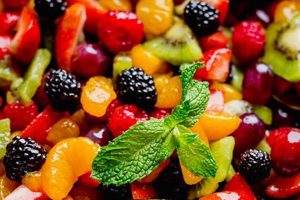
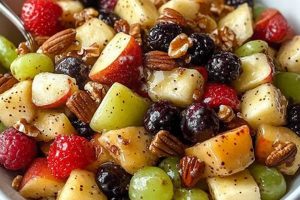
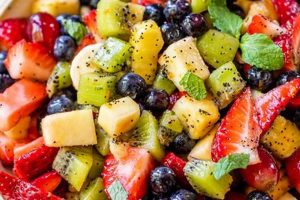
Combinations of leafy greens, various fruits, and often other elements like nuts, seeds, or cheeses create refreshing and nutritious meal options. For instance, a spinach salad with strawberries, blueberries, feta cheese, and a light vinaigrette exemplifies this category. Such dishes offer diverse flavor profiles, ranging from sweet and tangy to savory and complex.
These culinary creations provide significant nutritional value, offering vitamins, minerals, antioxidants, and fiber. Historically, the incorporation of fruits into salads has evolved alongside culinary traditions, reflecting regional produce availability and cultural preferences. The increasing emphasis on healthy eating has further propelled the popularity of these dishes as light yet substantial meal choices or side accompaniments.
The following sections will delve into specific recipe examples, exploring ingredient combinations, preparation techniques, and suggested dressings to enhance the flavor and nutritional value of these versatile salads.
Tips for Creating Exceptional Fruit and Green Salads
Successfully combining fruits and greens requires attention to flavor balance, texture, and presentation. The following tips offer guidance for crafting appealing and nutritious salads.
Tip 1: Select Complementary Flavors: Balance sweet and savory elements. Tart fruits like berries pair well with mild greens like spinach, while sweeter fruits like mango complement peppery arugula.
Tip 2: Consider Textural Variety: Incorporate ingredients with contrasting textures. Crisp greens, soft fruits, and crunchy nuts or seeds create a more engaging sensory experience.
Tip 3: Choose Fresh, Seasonal Produce: Seasonal fruits and greens are typically at their peak flavor and nutritional value. Local farmers’ markets offer excellent sources.
Tip 4: Prepare Ingredients Properly: Wash and dry greens thoroughly. Cut fruits into bite-sized pieces. Toast nuts or seeds to enhance their flavor.
Tip 5: Dress Strategically: Light vinaigrettes or citrus-based dressings often complement fruit and green salads best. Avoid heavy, creamy dressings that can overpower delicate flavors.
Tip 6: Add Protein for a Complete Meal: Grilled chicken or fish, boiled eggs, or legumes like chickpeas or lentils transform a salad into a satisfying main course.
Tip 7: Serve Immediately: To prevent wilting and maintain optimal flavor, dress the salad just before serving.
By following these guidelines, one can consistently create vibrant, flavorful, and nutritious salads. These tips provide a foundation for culinary exploration, allowing for creativity and personalization.
With these foundational principles established, the subsequent section will provide specific recipe examples to inspire further culinary endeavors.
1. Fresh, Seasonal Produce

Optimal flavor and nutritional value in fruit and green salads rely heavily on the use of fresh, seasonal produce. Peak ripeness during the natural growing season translates to superior taste and higher concentrations of vitamins and minerals. A summer salad featuring locally grown tomatoes and basil, for example, offers a richness and depth of flavor unattainable with out-of-season alternatives. Similarly, a fall salad showcasing crisp apples and pears provides a distinct seasonal character. This connection between seasonality and quality significantly influences recipe development and ingredient selection.
Prioritizing seasonal ingredients offers several advantages. Reduced transportation distances often mean lower environmental impact. Supporting local farmers strengthens community economies. Furthermore, seasonal eating encourages culinary creativity and exploration by prompting experimentation with diverse ingredients throughout the year. Choosing ripe, seasonal produce also minimizes the need for excessive seasonings or complex preparations, allowing the natural flavors of the ingredients to shine.
Selecting fresh, seasonal produce represents a crucial step in creating exceptional fruit and green salads. This practice elevates flavor, maximizes nutritional benefits, and promotes sustainable agricultural practices. Understanding the nuances of seasonal produce empowers informed choices, leading to more satisfying and healthful culinary experiences. This principle underscores the integral role of fresh ingredients in achieving culinary excellence.
2. Complementary Flavor Profiles

Flavor balance forms the foundation of successful fruit and green salads. The interplay of sweet, savory, tangy, and bitter elements creates a dynamic and satisfying sensory experience. Consider the classic pairing of strawberries and spinach. The sweetness of the berries complements the mild, slightly earthy flavor of the spinach, creating a harmonious contrast. Similarly, the sharpness of goat cheese offsets the sweetness of dried cranberries in a salad with mixed greens and candied pecans. Understanding these flavor interactions allows for intentional ingredient selection and thoughtful recipe development. Ignoring these principles can result in unbalanced, unappetizing combinations. A salad with overly sweet fruits and a rich, creamy dressing, for example, might lack the necessary acidity to cut through the sweetness and create a balanced profile.
Manipulating flavor profiles also offers opportunities to elevate nutritional value. Adding bitter greens like arugula or radicchio to a salad with sweet fruits and creamy cheese introduces beneficial phytonutrients and adds a layer of complexity to the overall flavor profile. Toasted nuts or seeds contribute healthy fats and textural contrast while enhancing the flavor profile with nutty or earthy notes. Lemon or lime juice, vinegar-based dressings, or herbs and spices further diversify the flavors, offering complexity while minimizing added sugars or unhealthy fats. Strategic combinations unlock the potential for both flavor and nutritional enhancement.
Mastery of complementary flavor profiles distinguishes exceptional salads from mediocre ones. The careful consideration of flavor interactions elevates a simple combination of ingredients into a culinary experience. This understanding allows for creativity and personalization, empowering individuals to craft salads tailored to individual preferences while adhering to core principles of flavor balance and nutritional value. The ability to harmonize seemingly disparate flavors through strategic pairings represents a fundamental skill in culinary artistry, ultimately leading to more enjoyable and healthful meals.
3. Varied Textures and Colors

Sensory appeal significantly influences the enjoyment of food. Visual and textural diversity elevates fruit and green salads from simple sustenance to engaging culinary experiences. A monochromatic salad composed solely of iceberg lettuce lacks the visual interest of a salad featuring vibrant spinach, deep red radicchio, and bright orange segments of mandarin oranges. Similarly, a salad consisting only of soft ingredients fails to offer the satisfying textural contrasts provided by the addition of crunchy nuts, seeds, or croutons. Consider a salad combining crisp romaine lettuce, juicy blueberries, creamy avocado, and toasted almonds: the interplay of textures creates a more dynamic and satisfying eating experience. These contrasts stimulate the palate and enhance overall enjoyment.
The strategic incorporation of varied textures and colors extends beyond mere aesthetics; it contributes to nutritional diversity as well. Different colors in fruits and vegetables often indicate the presence of different phytonutrients and antioxidants. A salad with a rainbow of colorsred tomatoes, orange carrots, yellow bell peppers, green spinach, and purple cabbageoffers a broader spectrum of beneficial compounds than a salad limited to one or two colors. Textural variety encourages the inclusion of ingredients from various food groups, further contributing to a balanced nutrient intake. Adding roasted chickpeas to a salad not only introduces a satisfying crunch but also increases the protein and fiber content. This multifaceted approach enhances both the sensory and nutritional value of the salad.
Achieving optimal textural and color variety requires thoughtful ingredient selection and preparation techniques. Understanding the inherent textures of different fruits and vegetables allows for strategic combinations. Crisp items, such as apples or cucumbers, maintain their texture when sliced or chopped, while softer fruits, like berries or melon, require more delicate handling. Blanching or roasting vegetables can alter their texture, offering additional options. Similarly, the vibrancy of colors can be preserved through appropriate storage and handling techniques. Minimizing exposure to air and light helps prevent browning or discoloration, maintaining the visual appeal of the salad. These practical considerations ensure that the final product delivers a balanced and engaging sensory experience, maximizing both enjoyment and nutritional value.
4. Nutrient-rich Ingredients
Nutrient density represents a cornerstone of healthful fruit and green salads. These dishes offer an opportunity to consume a wide array of vitamins, minerals, antioxidants, and fiber in a palatable and easily digestible format. Dark leafy greens, such as spinach and kale, provide substantial amounts of vitamins A, C, and K, along with folate and iron. Berries contribute potent antioxidants, while citrus fruits offer vitamin C and flavonoids. The inclusion of nuts and seeds further enhances the nutritional profile with healthy fats, protein, and minerals like magnesium and zinc. A salad composed of spinach, blueberries, almonds, and a light vinaigrette, for instance, delivers a concentrated dose of essential nutrients.
Strategic ingredient selection maximizes nutritional benefits. Combining ingredients with complementary nutrient profiles creates synergistic effects. For example, pairing iron-rich spinach with vitamin C-rich strawberries enhances iron absorption. Adding a source of healthy fat, like avocado or nuts, improves the absorption of fat-soluble vitamins present in the other ingredients. Understanding these interactions allows for the creation of salads that not only taste delicious but also provide optimal nutritional value. Failure to consider nutrient interactions can limit the bioavailability of certain nutrients, potentially diminishing the overall health benefits of the salad.
Nutrient-rich salads contribute significantly to overall dietary health. They offer a convenient and enjoyable way to increase fruit and vegetable consumption, supporting immune function, reducing inflammation, and promoting optimal cellular function. These benefits extend beyond basic nutrition; they contribute to long-term health and well-being. Prioritizing nutrient-rich ingredients in salad preparation allows for the creation of meals that not only satisfy hunger but also nourish the body at a fundamental level. This understanding empowers informed food choices and promotes a proactive approach to health management.
5. Balanced Dressings

Balanced dressings play a crucial role in fruit and green salad recipes, acting as a unifying element that complements and enhances the flavors of the other ingredients. A well-crafted dressing provides acidity, sweetness, and subtle savory notes, creating a harmonious flavor profile that elevates the overall dining experience. Overly acidic dressings can overpower delicate flavors, while excessively sweet or rich dressings can mask the natural sweetness of the fruits and the freshness of the greens. A vinaigrette made with a balanced ratio of oil, vinegar, and a touch of honey or maple syrup, for example, complements a salad with mixed greens, berries, and goat cheese without overpowering the individual components. Conversely, a heavy, creamy dressing might overwhelm the delicate flavors of a salad featuring spring greens and fresh berries. The dressing’s role extends beyond mere flavor enhancement; it contributes to the overall textural experience as well. A light vinaigrette adds a refreshing moistness without making the salad soggy, while a creamy dressing adds a contrasting richness.
The choice of dressing should reflect the specific ingredients in the salad. A light citrus vinaigrette complements the sweetness of berries and the peppery bite of arugula, while a balsamic vinaigrette enhances the earthiness of roasted vegetables and the sharpness of feta cheese. A creamy dressing based on yogurt or buttermilk might complement a salad with dried fruits, nuts, and seeds. Customization offers further opportunities to refine flavor profiles. Adding fresh herbs, spices, or a touch of mustard to a vinaigrette introduces complexity and depth. Consider a salad with grilled chicken, peaches, and pecans: a honey-mustard vinaigrette complements the sweetness of the peaches and the savory notes of the chicken while adding a touch of tanginess. Understanding these flavor interactions enables strategic dressing selection to create cohesive and balanced culinary compositions.
Selecting and preparing balanced dressings requires careful consideration of ingredient compatibility and flavor interactions. The balance of acidity, sweetness, and savory elements determines the dressing’s overall impact on the salad. Achieving this balance requires an understanding of how different flavors interact and how to adjust ingredients accordingly. Practical application of these principles ensures that the dressing enhances, rather than detracts from, the salad’s overall quality. Mastery of this aspect of salad preparation elevates a simple dish into a carefully crafted culinary creation, demonstrating a nuanced understanding of flavor dynamics and a commitment to creating balanced and satisfying meals.
6. Proper Storage Techniques
Maintaining optimal freshness and quality in fruit and green salads necessitates proper storage techniques. Ingredient degradation through enzymatic browning, wilting, or bacterial growth compromises both flavor and nutritional value. Implementing appropriate storage strategies preserves the integrity of individual components, ensuring a superior final product. Proper storage extends shelf life, minimizes waste, and contributes to more flavorful and nutritious salads. Understanding these techniques allows for efficient utilization of ingredients and maximizes culinary potential.
- Separate Storage of Fruits and Greens:
Fruits, particularly those emitting ethylene gas (e.g., apples, bananas), accelerate the ripening and spoilage of leafy greens. Storing these items separately mitigates premature wilting and browning. Designated compartments within refrigerators or separate containers optimize preservation. This practice ensures that greens remain crisp and fruits retain their optimal texture and flavor, contributing to a higher quality salad. Failing to separate these ingredients can lead to undesirable textural changes and off-flavors.
- Temperature Control:
Temperature significantly impacts the shelf life and quality of salad ingredients. Leafy greens benefit from cold storage near 0C (32F), ideally in high-humidity environments. Certain fruits, such as berries and tomatoes, maintain optimal quality at slightly higher temperatures. Refrigeration slows enzymatic activity and microbial growth, preserving freshness. However, excessively cold temperatures can damage delicate produce. Understanding these temperature sensitivities allows for optimized storage and maximized shelf life, contributing to both quality and reduced food waste.
- Moisture Control:
Excess moisture promotes bacterial growth and accelerates spoilage in both fruits and greens. Thoroughly drying produce after washing and storing it in containers with adequate ventilation minimizes moisture buildup. Absorbent paper towels placed within storage containers further control humidity levels. Proper moisture management inhibits microbial growth, extending the shelf life of ingredients. This practice contributes to food safety and minimizes waste, ensuring the availability of fresh ingredients for salad preparation.
- Proper Packaging:
Appropriate packaging materials play a critical role in preserving salad ingredients. Airtight containers prevent oxidation and moisture loss, extending the shelf life of delicate greens and cut fruits. Perforated bags allow for air circulation, preventing the buildup of excess moisture and maintaining crispness. Proper packaging minimizes exposure to light and oxygen, both of which contribute to degradation. This practice ensures optimal preservation of flavor, texture, and nutritional value, contributing to the creation of higher quality salads.
Implementing these storage strategies optimizes the lifespan and quality of salad ingredients. Adhering to these principles minimizes spoilage, reduces waste, and ensures that salads consistently feature fresh, flavorful, and nutrient-rich components. These techniques, though seemingly simple, contribute significantly to the overall quality and enjoyment of fruit and green salads, demonstrating a commitment to culinary excellence and resourcefulness.
7. Creative Presentation

Presentation significantly influences the perceived value and enjoyment of fruit and green salad recipes. Visual appeal enhances the dining experience, stimulating appetite and increasing perceived palatability. Thoughtful presentation elevates a simple salad from a basic meal component to a visually engaging culinary creation. Strategic arrangement, color coordination, and attention to detail transform ingredients into an aesthetically pleasing composition. This connection between presentation and perception underscores the importance of visual artistry in culinary practice.
- Arrangement and Composition:
Strategic arrangement of ingredients contributes significantly to visual appeal. Rather than simply tossing ingredients together, consider creating distinct zones of color and texture. Arranging sliced fruits in a circular pattern atop a bed of greens, for example, creates a focal point and adds visual structure. Incorporating height through layering or the use of taller ingredients like whole strawberries or cucumber ribbons adds dimension. These techniques create visual interest and enhance the perceived value of the salad.
- Color Coordination:
Color plays a crucial role in food perception. Vibrant, contrasting colors create visual appeal and stimulate appetite. Combining deep green spinach with bright red strawberries and orange segments of mandarin orange creates a visually striking presentation. Consider complementary color combinations or monochromatic schemes to achieve visual harmony. Thoughtful color coordination enhances the overall aesthetic and elevates the perceived freshness and quality of the salad.
- Garnishes and Finishing Touches:
Garnishes add a final layer of visual refinement and enhance flavor profiles. A sprinkle of toasted nuts or seeds adds textural contrast and visual interest. Fresh herbs, such as chopped chives or sprigs of mint, provide pops of color and aromatic complexity. A drizzle of balsamic glaze or a dusting of grated cheese adds a touch of elegance. These finishing touches elevate the presentation and signal attention to detail, enhancing the overall dining experience.
- Serving Vessels and Plating:
The choice of serving vessel influences the overall presentation. A shallow bowl showcases the arrangement of ingredients, while a deeper bowl allows for layering and height. Individual plates offer greater control over portion size and presentation. Consider the overall aesthetic and the context of the meal when selecting serving vessels. Appropriate plating techniques, such as using a ring mold to create a composed salad or arranging ingredients asymmetrically, further enhance the visual appeal. These choices contribute to the overall dining experience and underscore the importance of presentation in culinary arts.
Creative presentation elevates fruit and green salad recipes from simple meals to visually captivating culinary experiences. By applying principles of arrangement, color coordination, garnishing, and plating, individuals can transform basic ingredients into aesthetically pleasing and appetizing dishes. This attention to detail enhances the perceived value and enjoyment of the salad, demonstrating a commitment to culinary artistry and an understanding of the profound impact of visual appeal on the dining experience.
Frequently Asked Questions
This section addresses common inquiries regarding the creation and enjoyment of fruit and green salads, offering practical guidance and clarifying potential misconceptions.
Question 1: How can one prevent fruit from browning in a salad?
Several methods prevent enzymatic browning. Coating cut fruit with a small amount of lemon or lime juice inhibits oxidation. Alternatively, using a commercial anti-browning product specifically designed for fresh produce offers effective protection. Minimizing exposure to air by storing cut fruit in airtight containers or covering it with plastic wrap further delays browning.
Question 2: What are optimal salad green storage methods to maintain freshness?
Leafy greens maintain peak freshness when stored in a cool, humid environment. Refrigeration in airtight containers or perforated plastic bags prolongs shelf life. Excess moisture promotes spoilage; ensure greens are thoroughly dried before storage. Proper storage prevents wilting and maintains optimal texture and flavor.
Question 3: Which dressings best complement fruit and green salads?
Light vinaigrettes typically complement these salads well. Citrus-based dressings, balsamic vinaigrettes, or light poppy seed dressings offer balanced acidity and sweetness without overpowering delicate flavors. Avoid heavy, creamy dressings that can mask the freshness of the produce.
Question 4: Can these salads constitute a complete meal?
While inherently nutrient-rich, fruit and green salads often benefit from added protein and healthy fats for increased satiety and nutritional balance. Grilled chicken or fish, boiled eggs, legumes, nuts, seeds, or avocado transform a side dish into a satisfying main course. These additions enhance both nutritional value and satiety.
Question 5: How does seasonality affect ingredient selection?
Seasonal produce offers peak flavor and nutritional value. Prioritizing in-season ingredients enhances taste and supports local agriculture. Farmers’ markets provide excellent sources of fresh, seasonal produce, enabling the creation of vibrant and flavorful salads reflective of the current growing season.
Question 6: How can one adapt recipes to accommodate dietary restrictions?
Adaptability represents a key advantage of these salads. Substitutions readily accommodate dietary preferences and restrictions. Alternative dressings, such as those using maple syrup or agave nectar in place of honey, address specific needs. Omitting cheese or nuts, and replacing them with nutritional yeast or sunflower seeds, offers dairy-free and nut-free options. These modifications maintain nutritional value while accommodating dietary requirements.
Understanding these common concerns empowers informed decision-making in the creation and consumption of fruit and green salads, maximizing both enjoyment and nutritional benefits.
The following section will offer concluding remarks on the versatile and healthful nature of these culinary creations.
Conclusion
Exploration of fruit and green salad recipes reveals a versatile culinary category offering significant nutritional and gastronomic potential. Careful consideration of ingredient selection, flavor profiles, textures, and presentation elevates these dishes from simple combinations to sophisticated culinary creations. Emphasis on fresh, seasonal produce maximizes flavor and nutritional value, while balanced dressings and creative presentation enhance sensory appeal. Proper storage techniques preserve ingredient quality, ensuring optimal flavor and minimizing waste. Adaptability to dietary restrictions further amplifies the versatility of these recipes, accommodating diverse preferences and needs.
Culinary innovation within this category presents opportunities to explore diverse flavor combinations and textures, promoting healthful eating habits while maximizing culinary enjoyment. Continued exploration of seasonal ingredients and innovative culinary techniques promises further evolution and refinement within the realm of fruit and green salad recipes, contributing to a richer and more healthful culinary landscape.