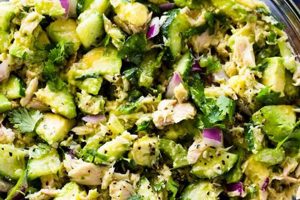
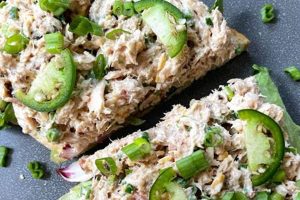
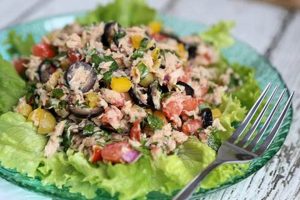
A diabetes-friendly tuna salad emphasizes lean protein and minimizes unhealthy fats and carbohydrates. Typically, such recipes substitute mayonnaise with healthier alternatives like Greek yogurt, avocado, or a small amount of light mayonnaise. They also incorporate plenty of non-starchy vegetables for added fiber and nutrients, such as celery, red onion, and bell peppers. An example might include canned tuna in water, chopped celery, red onion, Greek yogurt, Dijon mustard, lemon juice, and black pepper.
Managing blood sugar levels is crucial for individuals with diabetes. Meals focusing on lean protein and low-glycemic-index foods can contribute to this management. Traditional tuna salad, often laden with mayonnaise and served on white bread, can be high in unhealthy fats and refined carbohydrates, leading to blood sugar spikes. A modified recipe provides a satisfying and nutritious meal option without compromising blood sugar control. Historically, dietary recommendations for diabetes have evolved alongside our understanding of the disease. Emphasis has shifted towards whole foods, balanced macronutrient ratios, and portion control, making recipes like this increasingly relevant.
The following sections will explore specific ingredient choices, offer variations for different dietary needs, provide step-by-step instructions for preparing a diabetes-friendly tuna salad, and discuss suitable accompaniments for a complete and balanced meal.
Tips for Creating a Diabetes-Friendly Tuna Salad
Careful ingredient selection and portion control are crucial for a tuna salad that aligns with diabetic dietary needs. The following tips provide guidance for creating a healthy and flavorful meal.
Tip 1: Choose Tuna Packed in Water: Opting for tuna packed in water significantly reduces fat and calorie content compared to tuna packed in oil.
Tip 2: Limit Mayonnaise: Traditional mayonnaise contributes significantly to the fat content. Substituting plain Greek yogurt, mashed avocado, or a small amount of light mayonnaise drastically reduces unhealthy fats and adds beneficial nutrients.
Tip 3: Increase Fiber with Non-Starchy Vegetables: Incorporating chopped celery, red onion, bell peppers, or cucumbers adds bulk, flavor, and fiber, which aids in blood sugar control.
Tip 4: Boost Flavor with Herbs and Spices: Fresh or dried herbs, spices, and a squeeze of lemon juice add flavor complexity without adding extra sugar or salt.
Tip 5: Choose Whole-Grain Bread or Crackers: If serving the tuna salad on bread or crackers, opt for whole-grain varieties for increased fiber content.
Tip 6: Practice Portion Control: Even healthy foods can contribute to blood sugar spikes if consumed in large quantities. Be mindful of serving sizes.
Tip 7: Consider Adding Lean Protein: Boosting the protein content further with chopped hard-boiled eggs can increase satiety and help manage blood sugar levels.
By following these guidelines, individuals with diabetes can enjoy a delicious and nutritious tuna salad that supports their health goals. These modifications offer significant benefits in managing blood sugar levels and promoting overall well-being.
This information provides a comprehensive approach to creating a healthy tuna salad suitable for individuals with diabetes. The following section will conclude with a summary of key takeaways and offer additional resources for diabetic-friendly meal planning.
1. Healthy Fats

Incorporating healthy fats into a tuna salad recipe designed for individuals with diabetes is crucial for several reasons. While fat restriction was a cornerstone of older dietary guidelines, current understanding recognizes the importance of healthy fats for overall health and blood sugar management. Monounsaturated and polyunsaturated fats, unlike saturated and trans fats, contribute to heart health, reduce inflammation, and can improve insulin sensitivity. In the context of a diabetic-friendly tuna salad, healthy fats contribute to satiety, slowing down digestion and preventing rapid blood sugar spikes. Replacing traditional mayonnaise, high in saturated fat, with sources of healthy fats like avocado or a small amount of olive oil-based mayonnaise becomes a critical component of recipe modification.
For example, avocado provides healthy fats, fiber, and essential vitamins. Its creamy texture effectively replaces mayonnaise while offering a substantial nutritional boost. A small amount of olive oil whisked with Greek yogurt or light mayonnaise can also provide healthy fats and enhance flavor. These choices not only reduce unhealthy saturated fat intake but also contribute to better blood sugar control and overall health outcomes. Choosing tuna packed in water over oil further reduces the intake of less desirable fats. The impact of these ingredient swaps can be significant in managing the glycemic load of the meal and supporting long-term health.
Understanding the role of healthy fats in a diabetic diet empowers informed food choices. Incorporating these fats into a tuna salad recipe becomes more than a simple substitutionit represents a conscious step towards better blood sugar management and improved well-being. This approach acknowledges the complex interplay of nutrients and their impact on metabolic health, underscoring the importance of a balanced and informed approach to dietary management for individuals with diabetes. It also facilitates a shift away from restrictive dietary practices towards a more holistic, health-promoting approach.
2. Lean Protein

Lean protein plays a vital role in a diabetes-friendly tuna salad. Its inclusion offers significant benefits for blood sugar management and overall health, making it a crucial component of such recipes. Understanding the impact of lean protein on metabolic processes underscores its importance in a diabetic diet.
- Satiety and Blood Sugar Control
Protein promotes satiety, reducing hunger and the likelihood of overeating. This effect is particularly beneficial for individuals managing diabetes, as it helps prevent blood sugar spikes after meals. In a tuna salad, the lean protein from tuna contributes significantly to this feeling of fullness, making it a more satisfying and blood-sugar-friendly meal option. This can lead to better glycemic control throughout the day.
- Muscle Maintenance and Metabolism
Adequate protein intake supports muscle maintenance and growth. Preserving muscle mass is important for individuals with diabetes, as muscle tissue plays a key role in glucose metabolism. The lean protein in tuna contributes to this maintenance, supporting healthy metabolic function. This, in turn, improves the body’s ability to process glucose effectively.
- Reduced Glycemic Load
Compared to carbohydrates, protein has a minimal impact on blood sugar levels. Incorporating lean protein into a tuna salad helps lower the overall glycemic load of the meal, minimizing blood sugar fluctuations. This contributes to more stable blood glucose levels, a key goal in diabetes management.
- Nutrient Density
Tuna, as a source of lean protein, also provides essential nutrients like omega-3 fatty acids, vitamin D, and selenium. These nutrients contribute to overall health and well-being, further enhancing the benefits of including tuna in a diabetes-friendly diet. Omega-3 fatty acids, in particular, have been linked to improved insulin sensitivity.
By prioritizing lean protein sources like tuna, individuals with diabetes can create a tuna salad that not only satisfies hunger but also supports healthy blood sugar management and overall metabolic health. The combination of satiety, muscle maintenance support, reduced glycemic load, and nutrient density makes lean protein a cornerstone of a balanced and effective dietary approach for diabetes management. Furthermore, incorporating lean protein into meals aligns with broader dietary recommendations for long-term health and disease prevention.
3. Low Glycemic Index

The glycemic index (GI) ranks carbohydrate-containing foods based on their effect on blood sugar levels. Foods with a low GI are digested and absorbed more slowly, resulting in a gradual rise in blood sugar, unlike high-GI foods which can cause rapid spikes. For individuals with diabetes, choosing low-GI foods is a critical aspect of managing blood sugar levels and minimizing the risk of long-term complications. In the context of a tuna salad recipe for diabetics, understanding the GI of ingredients is essential for creating a meal that supports stable blood glucose.
- Non-Starchy Vegetables
Non-starchy vegetables like celery, cucumbers, bell peppers, and onions are generally low-GI foods. Their high fiber content further contributes to slower digestion and absorption of glucose. Incorporating these vegetables into a tuna salad adds bulk, flavor, and crucial nutrients while minimizing the impact on blood sugar. For example, replacing half the tuna with finely chopped celery significantly reduces the overall GI of the salad.
- Whole Grains (if used as an accompaniment)
If serving the tuna salad with bread or crackers, opting for whole-grain varieties over refined grains significantly impacts the GI of the meal. Whole grains contain more fiber and are digested more slowly than refined grains, promoting more stable blood sugar levels. Choosing a whole-wheat bread over white bread, for instance, can make a noticeable difference in post-meal blood glucose.
- Avoiding High-GI Ingredients
Traditional tuna salad recipes often include ingredients like white bread, potatoes, or sweet pickle relish, all of which have a high GI. Substituting these with low-GI alternatives is crucial for creating a diabetes-friendly version. For example, using lettuce wraps instead of white bread dramatically reduces the glycemic impact of the meal.
- Balanced Macronutrient Composition
The overall GI of a meal is not solely determined by the individual GI values of its components but also by the balance of macronutrients. Combining the low-GI vegetables with the lean protein and healthy fats in a diabetes-friendly tuna salad further moderates the blood sugar response. The protein and fat slow down digestion, further minimizing the glycemic impact of the carbohydrates present in the vegetables. This synergy between macronutrients is key to creating a truly blood-sugar-friendly meal.
By focusing on low-GI ingredients and understanding the interplay of macronutrients, a tuna salad recipe can be adapted to fit the dietary needs of individuals with diabetes. This approach ensures the meal contributes to stable blood sugar levels while providing essential nutrients for overall health. This consideration extends beyond simply choosing individual ingredients to understanding how they interact to create a balanced and blood-sugar-friendly meal. Prioritizing low-GI foods in the context of a balanced diet empowers individuals with diabetes to manage their condition effectively and maintain long-term health.
4. Portion Control
Portion control plays a crucial role in managing blood sugar levels for individuals with diabetes. Even with healthy ingredients, consuming excessive quantities can lead to blood sugar spikes. Therefore, understanding and practicing portion control is essential when incorporating a tuna salad, however healthy, into a diabetic meal plan. This necessitates careful consideration of serving sizes and overall calorie intake.
- Measuring Ingredients Accurately
Using measuring cups and a food scale ensures precise portioning of ingredients, allowing for accurate calculation of carbohydrate, protein, and fat content. This precision helps maintain balanced macronutrient ratios within the prescribed dietary guidelines for diabetes management. For example, measuring the amount of Greek yogurt used instead of estimating ensures consistent calorie and fat intake.
- Pre-Portioning Servings
Dividing the prepared tuna salad into individual containers before serving helps control portion sizes and prevents overconsumption. This practice is particularly useful for meal prepping and managing daily intake. Pre-portioned servings facilitate consistent calorie control and adherence to dietary guidelines.
- Visual Cues for Portion Estimation
Using visual cues, such as comparing a serving of tuna salad to a deck of cards or a baseball, can assist in estimating appropriate portion sizes without constant measuring. These visual aids provide a practical approach to portion control in everyday situations. This method can be particularly helpful when eating out or at social gatherings.
- Mindful Eating Practices
Paying attention to hunger and fullness cues during meals helps prevent overeating. Mindful eating involves savoring each bite and recognizing when satisfied, rather than consuming food until feeling overly full. This practice promotes a healthier relationship with food and supports better blood sugar control. In the context of tuna salad, mindful eating can prevent consuming an excessive amount, even if it is a healthy version.
Effective portion control strategies are essential for integrating a diabetes-friendly tuna salad into a balanced meal plan. By carefully considering portion sizes, individuals with diabetes can enjoy this nutritious meal while maintaining stable blood sugar levels and supporting overall health goals. Integrating these practices into daily routines empowers individuals to manage their dietary intake effectively and maintain long-term metabolic health. This attention to portion size complements the careful selection of healthy ingredients, contributing to a holistic approach to diabetes management through dietary choices.
5. Fiber Rich
Dietary fiber plays a crucial role in managing blood sugar levels, making it an essential consideration in a tuna salad recipe for individuals with diabetes. Fiber, particularly soluble fiber, slows down digestion and absorption of carbohydrates, preventing rapid spikes in blood glucose. Incorporating fiber-rich ingredients into a tuna salad contributes significantly to its suitability for a diabetic diet.
- Increased Satiety
Fiber promotes a feeling of fullness and satiety, reducing overall calorie intake and aiding in weight management. This effect is particularly beneficial for individuals with diabetes, as weight management is often a key component of controlling blood sugar levels. In a tuna salad, adding fiber-rich ingredients like chopped celery, bell peppers, or chickpeas can enhance satiety and contribute to better portion control.
- Improved Blood Sugar Control
The slowed digestion and absorption facilitated by fiber contribute to more stable blood sugar levels after meals. This effect is crucial for individuals with diabetes, as it helps prevent hyperglycemia and minimizes the risk of long-term complications. Incorporating high-fiber vegetables and legumes into the tuna salad directly contributes to this improved blood sugar control. For example, adding a cup of chopped broccoli to the salad can significantly moderate the post-meal blood sugar response.
- Enhanced Digestive Health
Fiber promotes regular bowel movements and overall digestive health. This benefit is important for individuals with diabetes, as some may experience digestive issues related to the condition or its treatment. Including fiber-rich ingredients in the tuna salad supports healthy digestive function. Using whole-grain bread or crackers as an accompaniment can further enhance this benefit.
- Cholesterol Management
Soluble fiber can help lower LDL cholesterol levels, reducing the risk of cardiovascular disease, a significant concern for individuals with diabetes. Incorporating fiber-rich foods like beans or lentils into a tuna salad can contribute to improved cholesterol management. Adding a half-cup of cooked lentils to the salad, for instance, provides a significant dose of soluble fiber.
By incorporating fiber-rich ingredients, a tuna salad becomes a more balanced and suitable meal option for individuals with diabetes. The combined benefits of increased satiety, improved blood sugar control, enhanced digestive health, and cholesterol management contribute significantly to overall health and well-being, making fiber a crucial component of a diabetes-friendly diet. Therefore, prioritizing fiber-rich foods in recipes like tuna salad represents a proactive approach to managing diabetes and its associated health risks. This focus on fiber aligns with broader dietary recommendations for long-term health and disease prevention.
Frequently Asked Questions
This section addresses common inquiries regarding the preparation and consumption of tuna salad within the context of a diabetic diet. Clear and concise answers provide practical guidance for incorporating this dish into a healthy meal plan.
Question 1: What is the best type of tuna to use for a diabetic-friendly tuna salad?
Tuna packed in water is preferred due to its lower fat and calorie content compared to tuna packed in oil. This choice aligns with the dietary recommendations for managing diabetes, which emphasize minimizing saturated fat intake.
Question 2: Can mayonnaise be included in a tuna salad for diabetics?
Traditional mayonnaise is high in saturated fat and should be limited or avoided. Healthier alternatives include plain Greek yogurt, mashed avocado, or a small amount of light mayonnaise. These substitutions significantly reduce the fat content while maintaining a creamy texture.
Question 3: What can be added to a diabetic tuna salad for flavor?
Fresh or dried herbs, spices, lemon juice, and vinegar can add flavor complexity without adding sugar or unhealthy fats. Chopped celery, red onion, bell peppers, and cucumbers also contribute flavor and texture.
Question 4: What should a diabetic tuna salad be served with?
Whole-grain bread or crackers, lettuce wraps, or a bed of mixed greens are suitable accompaniments. These options provide additional fiber and nutrients while minimizing the impact on blood sugar levels. Serving the salad with a side of non-starchy vegetables further enhances the nutritional value of the meal.
Question 5: How often can a person with diabetes eat tuna salad?
Tuna salad can be incorporated into a diabetic meal plan regularly as part of a balanced diet. However, portion control remains essential, even with healthy ingredients. Consulting a healthcare professional or registered dietitian can provide personalized dietary guidance.
Question 6: Are there any specific precautions regarding tuna consumption for individuals with diabetes?
Individuals with diabetes should be mindful of mercury content in tuna. Opting for light tuna over albacore tuna reduces mercury exposure. Variety in protein sources is also important, so incorporating other lean protein options alongside tuna contributes to a balanced diet.
Careful ingredient selection, portion control, and a focus on low-glycemic-index foods are key considerations when preparing and consuming tuna salad as part of a diabetic diet. Consulting with a healthcare provider or registered dietitian is always recommended for personalized dietary advice tailored to individual needs and health goals.
The subsequent section provides a sample recipe for a diabetes-friendly tuna salad, incorporating the principles discussed throughout this article.
Conclusion
This exploration of diabetes-friendly tuna salad recipes has highlighted the importance of ingredient selection, portion control, and the impact of food choices on blood sugar management. Careful consideration of lean protein sources, healthy fats, low-glycemic-index vegetables, and fiber-rich additions ensures the creation of a nutritious and blood-sugar-conscious meal. Modifying traditional recipes by substituting high-fat and high-glycemic-index ingredients with healthier alternatives empowers individuals with diabetes to enjoy flavorful meals without compromising their health goals. Understanding the nutritional impact of each component within the recipe contributes to informed decision-making and promotes effective dietary management.
Diabetes management requires a comprehensive approach, with dietary choices playing a crucial role. A well-crafted tuna salad recipe demonstrates how mindful modifications can transform a potentially problematic dish into a valuable addition to a diabetic meal plan. This emphasizes the potential for culinary creativity within the constraints of dietary restrictions, empowering individuals to maintain both health and enjoyment of food. Continued exploration of diabetes-friendly recipes fosters a positive and proactive approach to long-term health management.