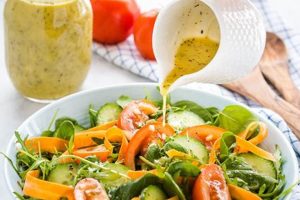
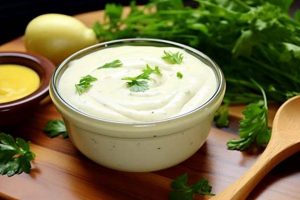
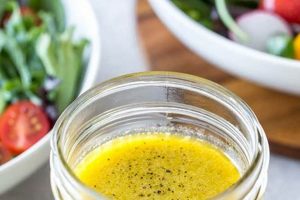
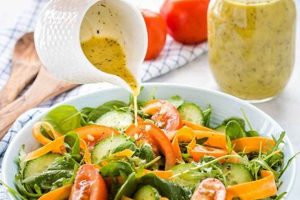
Plant-based dressings that exclude all oils offer a flavorful and healthful alternative to traditional oil-based options. These dressings typically rely on ingredients such as fruits, vegetables, nuts, seeds, herbs, spices, vinegars, and citrus juices to create diverse flavor profiles and creamy textures. Examples include a vibrant berry vinaigrette featuring blended raspberries and balsamic vinegar, or a creamy cashew dressing made with soaked cashews, nutritional yeast, and lemon juice.
Eliminating oil contributes to lower caloric intake and reduces saturated fat consumption, aligning with health-conscious dietary choices. Furthermore, these dressings often incorporate whole-food ingredients, potentially boosting the nutritional value of salads with added vitamins, minerals, and antioxidants. The rise in popularity reflects growing awareness of the health and environmental benefits of plant-based diets and a broader culinary interest in exploring innovative flavor combinations.
The following sections will explore various techniques for creating emulsified, creamy, and vinaigrette-style dressings without oil, along with specific recipe examples and suggestions for ingredient substitutions to cater to diverse palates and dietary needs.
Tips for Crafting Delicious Oil-Free Vegan Salad Dressings
Creating flavorful and satisfying oil-free vegan salad dressings requires an understanding of key techniques and ingredient interactions. These tips offer guidance for achieving desired textures and balanced flavors.
Tip 1: Embrace the Power of Soaking: Soaking nuts and seeds before blending creates a creamier, smoother texture. Soak cashews, almonds, or sunflower seeds in hot water for at least 30 minutes, or overnight in cold water, for optimal results.
Tip 2: Experiment with Flavor Profiles: Explore diverse combinations of fruits, vegetables, herbs, and spices. Roasted red peppers add sweetness and smokiness, while fresh herbs like dill and mint provide brightness.
Tip 3: Utilize Nutritional Yeast for Savory Depth: Nutritional yeast offers a cheesy, umami flavor that enhances savory dressings. Start with a small amount and adjust to taste.
Tip 4: Balance Sweetness and Acidity: Achieve a well-rounded flavor profile by balancing sweetness from fruits like dates or maple syrup with acidity from vinegar or citrus juice.
Tip 5: Achieve Emulsification with a High-Speed Blender: A high-speed blender is crucial for creating smooth, emulsified dressings, particularly when using nuts or seeds.
Tip 6: Adjust Consistency as Needed: Adjust the consistency of dressings by adding more water for a thinner vinaigrette or more soaked nuts/seeds for a thicker, creamier texture.
Tip 7: Proper Storage Extends Shelf Life: Store dressings in airtight containers in the refrigerator for up to five days. Shake well before serving, as separation can occur.
By incorporating these tips, one can elevate salads with vibrant, flavorful, and healthful dressings that complement a variety of ingredients and dietary preferences.
With an understanding of these fundamental techniques and creative flavor combinations, crafting delicious oil-free vegan salad dressings becomes an enjoyable culinary endeavor.
1. Plant-Based Ingredients

Plant-based ingredients form the foundation of vegan oil-free salad dressings, providing flavor, texture, and nutritional value. Understanding their roles and interactions is crucial for crafting successful recipes.
- Nuts and Seeds:
Nuts and seeds contribute creaminess and richness to dressings. Cashews, almonds, and sunflower seeds are popular choices. Soaking them before blending enhances their smooth texture and improves digestibility. These ingredients offer healthy fats, protein, and fiber, adding nutritional depth to the dressing.
- Fruits:
Fruits introduce natural sweetness and vibrant flavors. Berries, citrus fruits, and stone fruits can be blended or juiced to create a base for the dressing. They provide vitamins, antioxidants, and natural sugars, offering a healthful alternative to refined sweeteners. Dates and other dried fruits can also contribute sweetness and a thicker consistency.
- Herbs and Spices:
Herbs and spices add depth and complexity to the flavor profile. Fresh herbs like parsley, dill, and mint provide brightness, while dried spices like cumin, coriander, and smoked paprika offer warmth and earthiness. These ingredients not only enhance flavor but can also provide antioxidant and anti-inflammatory benefits.
- Vinegars and Citrus Juices:
Vinegars and citrus juices provide essential acidity, balancing the sweetness and richness of other ingredients. Apple cider vinegar, balsamic vinegar, lemon juice, and lime juice are commonly used. They contribute a tangy flavor and help to emulsify the dressing, creating a cohesive texture.
The careful selection and combination of these plant-based ingredients allows for a wide array of flavor profiles and textures in vegan oil-free salad dressings. From creamy cashew dressings to vibrant citrus vinaigrettes, the possibilities are vast. The emphasis on whole, unprocessed ingredients further enhances the nutritional value and contributes to a health-conscious approach to culinary creation.
2. Oil Elimination

Oil elimination is a defining characteristic of vegan oil-free salad dressings, distinguishing them from traditional counterparts and contributing significantly to their nutritional profile and culinary versatility. This practice aligns with health-conscious dietary choices seeking to reduce overall fat intake, particularly saturated and processed fats often found in commercially available dressings.
- Reduced Caloric Density:
Oils are calorically dense, contributing a significant number of calories per serving. Eliminating oil substantially reduces the overall caloric content of salad dressings, making them a lighter option that aligns with weight management goals or simply a preference for lower-calorie meals. This allows for greater enjoyment of other salad components without excessive caloric intake.
- Improved Cardiovascular Health:
Many oils, even those considered “healthy,” contain high levels of fat, which can contribute to elevated cholesterol levels and increased risk of cardiovascular disease. Oil-free dressings mitigate this risk by relying on whole-food ingredients that provide alternative sources of flavor and texture without the added fats. This focus on whole foods contributes to a heart-healthy dietary approach.
- Enhanced Flavor Clarity:
While oils can contribute certain flavor notes, they can also mask the delicate flavors of fresh produce and other salad components. Oil elimination allows the natural flavors of vegetables, herbs, and spices to shine through, creating a more nuanced and vibrant culinary experience. The absence of oil allows for a greater appreciation of the individual ingredients within the salad.
- Increased Nutrient Density:
Oil-free dressings often rely on nutrient-rich whole foods like nuts, seeds, fruits, and vegetables. These ingredients contribute vitamins, minerals, antioxidants, and fiber, enhancing the nutritional value of the salad as a whole. This contrasts with oil-based dressings that may offer limited nutritional benefits beyond caloric content. The focus on whole foods increases the overall nutrient density of the meal.
By eliminating oil, these dressings offer a lighter, more nutrient-dense, and flavor-focused approach to salad preparation. This aligns with a growing awareness of the health benefits associated with reducing dietary fat intake and prioritizing whole, unprocessed foods. The resulting dressings complement a variety of cuisines and dietary preferences, showcasing the versatility and culinary potential of plant-based cuisine.
3. Flavor Balance
Flavor balance is paramount in vegan oil-free salad dressings, where the absence of oil necessitates a careful interplay of tastes to achieve a satisfying and palatable result. A well-balanced dressing elevates the entire salad, complementing the flavors of the other ingredients without overpowering them. Achieving this balance requires a nuanced understanding of different taste profiles and how they interact.
- Acidity:
Acidity, primarily derived from vinegars and citrus juices, provides a sharpness that cuts through the richness of other ingredients. Apple cider vinegar offers a mild, slightly sweet acidity, while balsamic vinegar contributes a deeper, more complex tang. Citrus juices, such as lemon or lime, provide a brighter, more vibrant acidity. The level of acidity should be carefully calibrated to complement the other flavors without being overly sour. For example, a dressing with a high proportion of lemon juice might pair well with a robust kale salad but overwhelm a delicate spinach salad.
- Sweetness:
Sweetness balances the acidity and adds depth to the flavor profile. Natural sweeteners like maple syrup, dates, or fruit juices provide a subtle sweetness without the cloying effect of refined sugars. The type and amount of sweetener used should be chosen based on the overall flavor profile desired. A date-sweetened dressing might complement roasted vegetables, while a berry-sweetened dressing pairs well with fresh greens. Balancing sweetness and acidity is crucial to avoid a dressing that is either too tart or too sweet.
- Saltiness:
Salt enhances the other flavors and rounds out the dressing. Sea salt or Himalayan pink salt are preferred options, offering subtle mineral notes. The amount of salt should be carefully measured to avoid over-salting, which can mask the other flavors. A small amount of salt can significantly enhance the perception of sweetness and acidity, creating a more harmonious flavor profile.
- Umami:
Umami, often described as a savory, meaty flavor, adds complexity and depth to vegan dressings. Ingredients like nutritional yeast, miso paste, or tamari contribute umami notes. Nutritional yeast, in particular, provides a cheesy flavor that can enhance the richness of creamy dressings. Incorporating umami elements adds a layer of sophistication and rounds out the overall flavor experience.
The interplay of these four elementsacidity, sweetness, saltiness, and umamiis essential for creating a well-balanced and flavorful vegan oil-free salad dressing. A successful dressing harmonizes these elements, complementing the salad ingredients and creating a cohesive and enjoyable culinary experience. By carefully adjusting the proportions of these elements, one can craft dressings that range from light and tangy to rich and creamy, showcasing the versatility and depth of flavor achievable within the constraints of a vegan, oil-free framework.
4. Texture Enhancement

Texture enhancement plays a crucial role in the creation of appealing vegan oil-free salad dressings. Without the inherent richness and viscosity of oil, achieving desirable textures requires specific techniques and ingredient considerations. The perceived mouthfeel of a dressing significantly impacts overall enjoyment, influencing how flavors are experienced and how the dressing interacts with salad components.
- Soaking Nuts and Seeds:
Soaking nuts and seeds, such as cashews, almonds, or sunflower seeds, is a fundamental technique for achieving a creamy texture. Hydration softens these ingredients, allowing them to blend into a smooth, emulsion-like consistency. This process mimics the role of oil in traditional dressings, providing a rich, luxurious mouthfeel without the added fat. Soaking times vary depending on the ingredient; cashews typically require a minimum of 30 minutes in hot water or overnight in cold water.
- Incorporating Fruit Purees or Pastes:
Fruit purees or pastes, like blended bananas, mangoes, or roasted red peppers, contribute both flavor and texture. These ingredients add body and a natural sweetness while also enhancing the creaminess of the dressing. The choice of fruit influences the overall flavor profile and can complement specific salad ingredients. For example, a mango puree might enhance a tropical salad with coconut and pineapple, while roasted red pepper paste complements a Mediterranean salad with olives and feta.
- Utilizing Thickening Agents:
Certain ingredients act as natural thickening agents, improving the viscosity and cling of the dressing. Tahini, a paste made from sesame seeds, adds a nutty flavor and creamy texture. Avocado, while technically a fruit, also contributes a rich creaminess and healthy fats. These ingredients help the dressing adhere to the salad components, ensuring even distribution of flavor and preventing a watery consistency.
- Blending Techniques:
Proper blending techniques are essential for achieving optimal texture. High-speed blenders are ideal for creating smooth, emulsified dressings, especially when working with nuts and seeds. The blending time and speed influence the final consistency. Over-blending can sometimes result in a gummy texture, while under-blending may leave chunks or a gritty texture. Experimentation is key to finding the right balance for each specific recipe.
By understanding and implementing these techniques, one can craft vegan oil-free salad dressings that offer not only exceptional flavor but also a variety of pleasing textures. From smooth and creamy to light and tangy, the possibilities are vast, demonstrating that satisfying and delicious dressings can be achieved without relying on oil. The resulting textures enhance the overall sensory experience of the salad, making it a more enjoyable and satisfying meal. This careful attention to texture elevates the culinary potential of vegan oil-free cuisine, demonstrating that flavor and health can coexist harmoniously.
5. Nutritional Value

Nutritional value represents a significant advantage of vegan oil-free salad dressings. Unlike conventional dressings often laden with saturated fats, added sugars, and artificial ingredients, these plant-based alternatives offer a wealth of beneficial nutrients derived from whole-food sources. This nutritional profile contributes to overall health and well-being, supporting various bodily functions and potentially mitigating certain health risks. For example, a dressing based on blended cashews provides healthy fats, protein, and minerals like magnesium and zinc, while a berry-based vinaigrette delivers antioxidants and vitamins. This nutritional density transforms a simple salad into a nutrient-rich meal.
The inherent nutritional value stems from the emphasis on whole, unprocessed ingredients. Nuts and seeds offer essential fatty acids, protein, and fiber. Fruits and vegetables contribute vitamins, minerals, and antioxidants. Herbs and spices provide additional phytonutrients with potential health benefits. Eliminating oil reduces overall caloric intake and saturated fat consumption, further enhancing the nutritional profile. This focus on nutrient-dense ingredients allows for a more health-conscious approach to salad preparation, maximizing the nutritional benefits of each meal. A salad topped with a nutrient-rich, oil-free dressing becomes a source of sustained energy and essential nutrients, contributing to overall dietary balance.
Understanding the nutritional composition of these dressings empowers informed dietary choices. Individuals seeking to manage weight, control blood sugar levels, or improve cardiovascular health can benefit from incorporating these dressings into their meal plans. The ability to customize recipes based on individual nutritional needs further amplifies the practical significance of this understanding. By selecting specific ingredients based on their nutritional profiles, individuals can tailor their dressings to address specific dietary requirements or health goals. This flexibility allows for a personalized approach to nutrition, optimizing the health benefits of each meal. This awareness of nutritional value elevates vegan oil-free salad dressings from simple condiments to integral components of a health-conscious diet.
6. Creative Variations

Creative variations within vegan oil-free salad dressing recipes represent a significant departure from the limitations often associated with restrictive diets. The absence of oil, typically a primary flavor and texture component, necessitates innovative approaches to ingredient combinations and preparation techniques. This fosters culinary exploration and allows for a diverse range of flavor profiles tailored to individual preferences and dietary needs. For example, incorporating roasted vegetables like sweet potatoes or beets adds depth and complexity, while the use of herbs and spices like smoked paprika or za’atar introduces unique flavor dimensions. This inherent flexibility expands the culinary potential of vegan oil-free cuisine beyond basic vinaigrette-style dressings.
The adaptability of these recipes extends to accommodating various cultural influences and seasonal ingredients. A miso-ginger dressing can complement Asian-inspired salads, while a cilantro-lime dressing enhances the flavors of Mexican cuisine. Seasonal variations allow for continuous exploration; a summer berry vinaigrette captures the freshness of the season, while a winter citrus dressing provides a vibrant counterpoint to colder months. This adaptability showcases the versatility of vegan, oil-free principles and encourages culinary creativity within a health-conscious framework. Furthermore, creative variations empower individuals to personalize their dressings, accommodating specific taste preferences and dietary restrictions. This personalized approach fosters a greater sense of culinary ownership and encourages experimentation with diverse flavor combinations.
Understanding the potential for creative variation within vegan oil-free salad dressing recipes unlocks a world of culinary possibilities. It challenges preconceived notions about restrictive diets and demonstrates that flavor and health can coexist harmoniously. This understanding empowers individuals to move beyond basic recipes and explore the vast potential of plant-based cuisine, fostering a more engaging and satisfying culinary experience. While achieving desired textures and flavor balances without oil may present initial challenges, the resulting culinary creativity contributes to a more diverse and enriching dietary landscape.
Frequently Asked Questions about Vegan Oil-Free Salad Dressings
This section addresses common inquiries regarding the preparation, storage, and versatility of vegan oil-free salad dressings, offering practical guidance for incorporating these healthful and flavorful options into diverse dietary practices.
Question 1: How can creamy textures be achieved without oil?
Creamy textures are achieved through techniques like soaking nuts and seeds (cashews, almonds, sunflower seeds) before blending. This hydration softens them, allowing for a smooth, emulsion-like consistency when processed. Other ingredients such as silken tofu, avocado, or tahini can also contribute to creaminess.
Question 2: What can be used as a substitute for oil-based flavor enhancers?
Flavor enhancement in oil-free dressings relies on a balance of acidity (vinegars, citrus juices), sweetness (maple syrup, dates, fruits), and umami (nutritional yeast, miso paste). Herbs, spices, and aromatics like garlic and onion further contribute to complex flavor profiles.
Question 3: How long can oil-free dressings be stored?
Properly stored in airtight containers in the refrigerator, oil-free dressings typically last up to five days. Separation may occur; shaking well before use restores the desired consistency.
Question 4: Are oil-free dressings suitable for all types of salads?
The versatility of oil-free dressings allows for pairing with various salad types. Creamy dressings complement heartier salads with roasted vegetables or grains, while lighter vinaigrettes enhance delicate greens and fresh produce. Flavor profiles can be tailored to specific cuisines or seasonal ingredients.
Question 5: Do oil-free dressings offer any specific health benefits?
Eliminating oil reduces caloric intake and saturated fat consumption, contributing to potential cardiovascular benefits. Oil-free dressings often prioritize whole-food ingredients, increasing the intake of vitamins, minerals, and antioxidants.
Question 6: Can oil-free dressings be used for purposes other than salads?
The versatility extends beyond salads. Oil-free dressings can serve as marinades for vegetables, tofu, or tempeh. They can also be used as dips for raw vegetables or as spreads for sandwiches and wraps, expanding their culinary applications.
By understanding the principles of creating and utilizing vegan oil-free salad dressings, individuals can integrate these flavorful and healthful options into diverse culinary practices.
The following section provides a collection of specific recipes showcasing the versatility and delicious potential of oil-free, plant-based dressings.
Conclusion
Vegan oil-free salad dressing recipes offer a compelling alternative to traditional oil-based options, prioritizing both flavor and health. Exploration of these recipes reveals the versatility achievable through plant-based ingredients, innovative techniques, and a nuanced understanding of flavor balance. Eliminating oil reduces caloric density and saturated fat content while increasing the potential for nutrient-rich ingredients like nuts, seeds, fruits, and vegetables to contribute vitamins, minerals, and antioxidants. From creamy cashew dressings to vibrant citrus vinaigrettes, the spectrum of possibilities demonstrates that satisfying and healthful choices need not compromise culinary enjoyment.
The adaptability of vegan oil-free salad dressings encourages culinary creativity and personalized nutrition. Exploration of diverse flavor profiles, textures, and cultural influences expands culinary horizons and promotes a more mindful approach to dietary choices. Embracing these recipes empowers individuals to prioritize well-being without sacrificing flavor, contributing to a more healthful and sustainable culinary landscape.