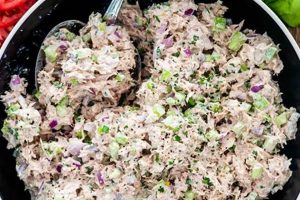
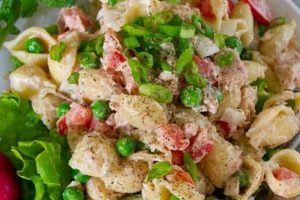
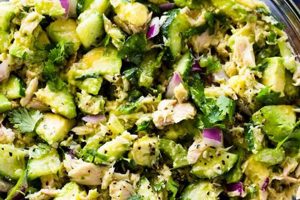
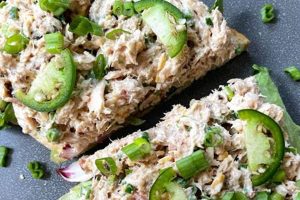
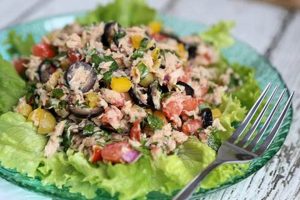
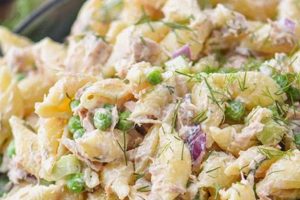
Low-carbohydrate, high-fat diets like the ketogenic diet often restrict traditional tuna salad ingredients such as bread, pasta, and potatoes. Adapting this classic dish for a ketogenic lifestyle involves substituting these components with low-carb alternatives. Typically, this includes replacing mayonnaise with a healthier, higher-fat option like avocado oil mayonnaise and adding ingredients rich in healthy fats, like avocado, and increasing the protein content with more tuna or hard-boiled eggs. Celery, red onion, and spices provide flavor and micronutrients without adding significant carbohydrates. Recipes may include variations like adding chopped pickles, jalapenos, or using different types of herbs and spices. A common serving suggestion is to enjoy the salad in lettuce wraps, on top of cucumber slices, or with low-carb crackers.
Maintaining a state of ketosis, where the body burns fat for fuel instead of glucose, is the primary goal of the ketogenic diet. This metabolic state is achieved by drastically reducing carbohydrate intake. Dishes suitable for this diet must adhere to strict macronutrient ratios, ensuring that the proportion of carbohydrates remains low while fat intake is high enough to provide the necessary energy. Adapting familiar favorites like tuna salad allows individuals to enjoy a wider variety of meals while adhering to the dietary restrictions. This can be beneficial for maintaining adherence to the diet over time and preventing feelings of deprivation. Historically, variations of tuna salad have existed for decades, but keto-friendly adaptations are a more recent development, reflecting the growing popularity of low-carb lifestyles.
This discussion will further explore ingredient variations suitable for ketogenic tuna salad, providing detailed recipes, addressing potential challenges in preparation, and offering suggestions for customization based on individual preferences and dietary needs. Nutritional information, tips for meal prepping and storage, and ideas for incorporating this dish into a broader ketogenic meal plan will also be addressed.
Tips for Keto Tuna Salad Recipes
Achieving optimal flavor and texture while adhering to ketogenic guidelines requires careful consideration of ingredients and preparation methods. The following tips provide guidance for creating delicious and compliant tuna salad.
Tip 1: Mayonnaise Selection is Crucial: Conventional mayonnaise often contains added sugars. Opt for mayonnaise made with avocado oil or other keto-friendly oils. Check labels carefully for carbohydrate content.
Tip 2: Maximize Healthy Fats: Incorporate healthy fats through additions like avocado, chopped macadamia nuts, or a drizzle of olive oil. This enhances flavor and promotes satiety.
Tip 3: Enhance Flavor with Fresh Herbs and Spices: Dill, parsley, chives, and spices like celery seed or paprika add depth of flavor without increasing carbohydrate content significantly. Experimentation is encouraged.
Tip 4: Consider Texture Variation: Chopped celery, red onion, or water chestnuts provide a satisfying crunch. Finely diced pickles or jalapenos offer a tangy kick.
Tip 5: Choose Appropriate Serving Vessels: Lettuce cups, cucumber slices, or bell pepper halves offer low-carb alternatives to bread or crackers.
Tip 6: Mindful Ingredient Measurement: Precise ingredient measurement ensures consistent results and adherence to desired macronutrient ratios. A kitchen scale can be a valuable tool.
Tip 7: Proper Storage Enhances Freshness: Store prepared tuna salad in an airtight container in the refrigerator for up to three days. Avoid freezing, as this can negatively impact texture.
By adhering to these tips, individuals can create a flavorful and satisfying tuna salad that aligns with the principles of a ketogenic diet. This facilitates variety in meal planning and supports adherence to dietary goals.
These guidelines provide a strong foundation for successful keto tuna salad preparation. The following section will explore specific recipes and address common questions regarding ingredient substitutions and customization options.
1. Low-Carb Ingredients
The foundation of any keto-compliant dish, including tuna salad, lies in the selection of low-carbohydrate ingredients. Restricting net carbohydrates is fundamental to maintaining ketosis, the metabolic state central to the ketogenic diet. Therefore, careful consideration of ingredients and their respective carbohydrate content is paramount.
- Cruciferous Vegetables:
Vegetables like celery, cauliflower, and shredded Brussels sprouts offer low-carbohydrate alternatives to traditional fillers in tuna salad. Their fibrous nature contributes to satiety and provides essential micronutrients. Celery, for example, adds a satisfying crunch while cauliflower can be finely chopped and incorporated for a less noticeable textural change. These options significantly reduce the overall carbohydrate impact of the dish.
- Alliums:
Onions, shallots, and chives contribute flavor complexity without significantly impacting carbohydrate counts. Red onion provides a pungent bite while shallots offer a milder sweetness. These ingredients enhance the savory profile of tuna salad while adhering to ketogenic guidelines.
- Avocado:
Avocado serves a dual purpose, providing healthy fats and contributing a creamy texture, making it a suitable replacement for higher-carbohydrate mayonnaise. Its mild flavor complements tuna and other ingredients. The addition of avocado increases the caloric density of the salad, which is crucial for maintaining energy levels on a ketogenic diet.
- Herbs and Spices:
Fresh herbs like dill, parsley, and cilantro, along with spices such as paprika, celery seed, and black pepper, provide a depth of flavor without adding carbohydrates. They allow for customization and prevent the dish from tasting bland, a common concern with restrictive diets.
By prioritizing these low-carbohydrate ingredients, individuals following a ketogenic diet can enjoy a flavorful and satisfying tuna salad without compromising their nutritional goals. The strategic inclusion of these components not only adheres to dietary restrictions but also enhances the overall nutritional value and culinary experience.
2. Healthy Fats
Healthy fats constitute a cornerstone of ketogenic diets and play a crucial role in keto tuna salad recipes. The ketogenic diet prioritizes fat as the primary energy source, necessitating sufficient dietary fat intake to maintain metabolic function and satiety. Within keto tuna salad, healthy fats contribute flavor, texture, and essential nutrients while adhering to the macronutrient ratios required for ketosis. These fats facilitate the absorption of fat-soluble vitamins and contribute to hormone production, crucial factors for overall well-being.
Incorporating sources like avocado, avocado oil mayonnaise, olive oil, and macadamia nuts elevates the fat content of keto tuna salad. Avocado provides monounsaturated fats and a creamy texture, while avocado oil mayonnaise offers a healthier alternative to conventional mayonnaise. A drizzle of olive oil contributes additional monounsaturated fats and enhances flavor. Chopped macadamia nuts introduce healthy fats and a satisfying crunch. These additions ensure the salad aligns with ketogenic principles and offers a palatable and satisfying meal option. For example, a keto tuna salad might include a quarter of an avocado, one tablespoon of avocado oil mayonnaise, and a sprinkle of chopped macadamia nuts per serving to achieve the desired fat content.
Understanding the role of healthy fats in keto tuna salad recipes is essential for successful implementation of the ketogenic diet. Sufficient fat intake supports satiety, energy levels, and overall metabolic function. The strategic inclusion of healthy fat sources ensures the salad remains palatable and contributes to the nutritional goals of the diet. Failure to incorporate adequate healthy fats can hinder adherence to the diet due to feelings of hunger and deprivation, potentially compromising the intended metabolic shift into ketosis. Furthermore, prioritizing healthy fat sources over less nutritious options contributes to long-term health benefits beyond weight management.
3. High Protein

Protein plays a vital role in keto tuna salad recipes, contributing significantly to satiety, metabolic function, and the preservation of lean muscle mass during periods of carbohydrate restriction. Adequate protein intake is crucial for individuals following a ketogenic diet, as it supports gluconeogenesis, the process of producing glucose from non-carbohydrate sources, which is necessary for certain bodily functions. In the context of keto tuna salad, protein primarily comes from the tuna itself, but can be further augmented with other ingredients.
- Satiety and Appetite Control
Protein exerts a powerful influence on satiety, promoting feelings of fullness and reducing overall caloric intake. This is particularly important in ketogenic diets, which often involve significant dietary changes. In tuna salad, the protein content helps curb hunger and prevent overeating, supporting adherence to the diet. Studies have shown that higher protein intake can lead to reduced appetite and increased weight loss in the context of calorie-restricted diets, including ketogenic approaches.
- Muscle Mass Preservation
Maintaining lean muscle mass is essential for metabolic health and overall well-being. During periods of carbohydrate restriction, the body may utilize muscle protein for energy. Sufficient dietary protein helps mitigate this effect, preserving muscle mass and supporting physical function. In keto tuna salad, the protein from tuna contributes directly to this protective effect, especially when combined with resistance training.
- Metabolic Function and Gluconeogenesis
Protein is essential for numerous metabolic processes, including gluconeogenesis, the production of glucose from non-carbohydrate sources like amino acids. This is critical on a ketogenic diet, as glucose is still required for certain bodily functions, including brain function. The protein in tuna salad contributes to the body’s ability to produce glucose as needed, ensuring proper metabolic function.
- Additional Protein Sources in Keto Tuna Salad
While tuna is the primary protein source in keto tuna salad, other ingredients can further enhance the protein content. These include hard-boiled eggs, which provide high-quality protein and essential nutrients, and certain cheeses, such as crumbled feta or cheddar, which contribute protein alongside healthy fats. These additions can diversify the flavor profile and increase the overall protein density of the salad.
The strategic emphasis on high protein content in keto tuna salad recipes contributes significantly to the efficacy and sustainability of the ketogenic diet. By promoting satiety, preserving muscle mass, and supporting metabolic function, adequate protein intake enhances adherence to the diet and contributes to overall health and well-being. The versatility of tuna salad allows for the incorporation of various protein sources, further optimizing its nutritional value within the context of a ketogenic lifestyle.
4. Flavor Enhancement

Flavor enhancement in keto tuna salad recipes is crucial for palatability and long-term adherence to the diet. Restricting carbohydrates often necessitates omitting traditional flavoring agents like sugar and high-carbohydrate sauces. Therefore, strategic incorporation of alternative flavor enhancers becomes essential to create a satisfying and enjoyable culinary experience within the confines of ketogenic guidelines. This not only prevents dietary monotony but also promotes a positive relationship with food, contributing to the overall success of the ketogenic lifestyle.
- Acidity
Introducing acidic elements brightens the flavor profile of keto tuna salad, balancing the richness of the fats and the savory notes of the tuna. Lemon juice, vinegar (particularly apple cider or white wine vinegar), and finely diced pickles or capers provide a tart counterpoint. The acidity also helps to cut through the fattiness of the mayonnaise or avocado, creating a more refreshing and balanced flavor experience. For example, a squeeze of fresh lemon juice can significantly enhance the overall taste of the salad.
- Aromatics
Aromatics contribute depth and complexity to keto tuna salad. Fresh herbs like dill, parsley, chives, and cilantro impart vibrant green notes and a refreshing aroma. Spices like celery seed, paprika, onion powder, and garlic powder add warm, savory undertones. These ingredients not only enhance the flavor but also provide subtle nuances that elevate the overall sensory experience. A combination of fresh dill and celery seed, for instance, can create a classic tuna salad flavor profile.
- Umami
Umami, often described as a savory, meaty flavor, adds a satisfying richness to keto tuna salad. Ingredients like nutritional yeast, fish sauce (used sparingly), or finely chopped anchovies can boost umami notes without significantly increasing carbohydrate intake. These ingredients provide depth and complexity, making the salad more flavorful and satisfying. A small amount of nutritional yeast can mimic the cheesy flavor often found in traditional tuna salads without the added carbohydrates.
- Textural Contrast
While not strictly a flavor enhancer, textural contrast plays a significant role in perceived flavor and enjoyment. In keto tuna salad, ingredients like chopped celery, red onion, water chestnuts, or chopped nuts (almonds, macadamia) introduce a satisfying crunch. This textural variation prevents the salad from becoming monotonous and enhances the overall eating experience. The interplay of creamy and crunchy elements creates a more dynamic and enjoyable culinary experience.
By strategically incorporating these flavor-enhancing elements, keto tuna salad becomes a more palatable and enjoyable dish, promoting long-term adherence to the ketogenic diet. The interplay of acidity, aromatics, umami, and textural contrast creates a complex and satisfying flavor profile that transcends the limitations often associated with restrictive dietary approaches. These strategies demonstrate that flavorful and satisfying meals are entirely achievable within the confines of a ketogenic lifestyle.
5. Versatile Serving Options
Versatile serving options are a key aspect of keto tuna salad recipes, contributing to both dietary adherence and enjoyment. The adaptability of this dish allows for integration into various meal structures and social contexts, reducing the perceived restrictions often associated with specialized diets. Exploring these diverse serving options underscores the practicality and sustainability of incorporating keto tuna salad into a long-term ketogenic lifestyle. Offering a range of serving styles prevents mealtime monotony and expands the potential for creative culinary expression within the constraints of the diet.
- Lettuce Wraps
Lettuce wraps provide a low-carbohydrate, refreshing alternative to bread or crackers. Large leaves of romaine, butter lettuce, or iceberg lettuce can be used to cradle the tuna salad, creating a handheld, portable meal option. This method is particularly appealing during warmer months or for casual dining occasions. The crisp texture of the lettuce complements the creamy tuna salad, adding a satisfying textural contrast.
- Cucumber or Bell Pepper Boats
Cucumber halves or bell pepper halves, hollowed out, offer sturdy vessels for keto tuna salad. These options provide a slightly different flavor profile and textural experience compared to lettuce wraps. Cucumbers offer a cool, refreshing counterpoint, while bell peppers contribute a subtle sweetness and a more substantial bite. These options are visually appealing and can be prepared in advance for convenient meal prepping.
- Avocado Halves
Serving keto tuna salad in avocado halves combines the healthy fats and creamy texture of avocado with the protein and flavor of the tuna salad. This creates a nutrient-dense, visually appealing meal that is both satisfying and easy to prepare. The avocado complements the flavors of the tuna salad while further enhancing the healthy fat content of the dish.
- Celery Sticks or Tomato Slices
Celery sticks or tomato slices offer a simple and refreshing way to enjoy keto tuna salad. These options are ideal for snacking or as part of a larger appetizer spread. The crisp celery provides a contrasting texture, while the juicy tomato adds a burst of acidity and sweetness. These options are particularly convenient for quick meals or on-the-go snacking.
The adaptability of keto tuna salad, demonstrated through these versatile serving options, contributes significantly to the sustainability of the ketogenic diet. By offering a range of presentations and incorporating different vegetables and textures, individuals can maintain dietary adherence while enjoying a variety of flavorful and satisfying meals. This versatility allows for customization based on personal preferences, seasonal availability of produce, and social context, ultimately promoting a positive and sustainable relationship with the ketogenic lifestyle. Furthermore, these varied serving methods can be adapted for other keto-friendly fillings, expanding mealtime options and reducing dietary monotony.
6. Simple Preparation
The simplicity of preparation is a significant advantage of keto tuna salad recipes, contributing to the diet’s practicality and sustainability. Time constraints often pose a barrier to dietary adherence, and recipes requiring minimal preparation time enhance convenience and promote consistency. This factor is particularly relevant for individuals with busy schedules or limited culinary experience. The ease of preparation encourages frequent consumption and facilitates meal prepping, supporting long-term commitment to the ketogenic lifestyle.
- Minimal Ingredients
Keto tuna salad recipes typically require a limited number of readily available ingredients. This reduces shopping time and simplifies the cooking process. Common ingredients like canned tuna, mayonnaise, celery, and spices are often pantry staples, further enhancing convenience. Recipes utilizing minimal ingredients minimize the risk of food waste and streamline meal preparation, especially valuable during busy weeks.
- Quick Assembly
The assembly of keto tuna salad is remarkably quick, often requiring only a few minutes. This allows for spontaneous meal preparation and reduces the likelihood of relying on less healthy, convenient alternatives. The speed of preparation makes it a suitable option for lunch, a quick dinner, or a pre- or post-workout snack. This efficiency contributes to consistent adherence to dietary guidelines, even during time-constrained periods.
- Easy Customization
Keto tuna salad recipes are highly adaptable to individual preferences and dietary needs. Ingredients can be easily substituted or added based on taste preferences, available ingredients, or specific macronutrient targets. This flexibility allows for variation and prevents mealtime boredom, a common challenge in restrictive diets. The adaptability extends to serving options, further enhancing the versatility of the dish.
- Meal Prepping Suitability
Keto tuna salad is ideal for meal prepping. Large batches can be prepared in advance and stored in the refrigerator for several days, providing convenient and compliant meals throughout the week. This simplifies meal planning and reduces the temptation to deviate from the diet due to time constraints. Meal prepping ensures readily available, keto-friendly options, promoting consistent adherence to dietary guidelines.
The ease and speed of preparation, coupled with minimal ingredient requirements and adaptability, position keto tuna salad as a practical and sustainable component of a ketogenic diet. These factors contribute significantly to long-term adherence, facilitating consistent compliance with macronutrient targets and promoting a positive relationship with the ketogenic lifestyle. The simplicity of preparation allows individuals to focus on other aspects of dietary adherence, such as meal planning and portion control, ultimately contributing to the overall success of the diet.
Frequently Asked Questions about Keto Tuna Salad Recipes
This section addresses common inquiries regarding the preparation and consumption of keto tuna salad, providing clarity on potential challenges and offering solutions for successful integration into a ketogenic lifestyle. Understanding these frequently asked questions empowers individuals to confidently incorporate this versatile dish into their meal plans.
Question 1: What is the best type of tuna to use for keto tuna salad?
Canned tuna packed in water or oil is suitable. Oil-packed tuna adds healthy fats, but the total fat content should be considered within daily macronutrient goals. Light tuna tends to be lower in mercury than albacore.
Question 2: Can other fish be used instead of tuna?
Salmon, mackerel, or sardines can be substituted for tuna, offering variations in flavor and nutritional profiles. Ensure these alternatives align with individual dietary needs and preferences.
Question 3: How can the carbohydrate content of keto tuna salad be further reduced?
Carefully measure ingredients like celery and onion, focusing on minimizing portions of higher-carbohydrate components. Substitute traditional mayonnaise with avocado oil mayonnaise to further reduce carbohydrate intake.
Question 4: What can be used in place of bread or crackers for serving?
Lettuce wraps, cucumber slices, bell pepper halves, or avocado halves offer low-carbohydrate alternatives for serving keto tuna salad. These options also contribute additional nutrients and textural variety.
Question 5: How long can keto tuna salad be stored in the refrigerator?
Properly stored in an airtight container, keto tuna salad can typically be refrigerated for up to three days. Ensure proper refrigeration to maintain freshness and prevent bacterial growth.
Question 6: Can keto tuna salad be frozen?
Freezing is generally not recommended, as it can negatively affect the texture of the mayonnaise and other ingredients, leading to a less desirable consistency upon thawing.
Understanding these frequently asked questions facilitates successful preparation and enjoyment of keto tuna salad within the context of a ketogenic diet. Careful consideration of ingredients, preparation methods, and storage practices ensures optimal flavor, texture, and adherence to dietary guidelines.
The following section will provide specific keto tuna salad recipes, offering practical examples for incorporating this versatile dish into a ketogenic meal plan.
Keto Tuna Salad Recipes
Keto tuna salad recipes offer a versatile and nutritious approach to incorporating a classic dish into a low-carbohydrate, high-fat dietary framework. Careful selection of ingredients, with an emphasis on low-carbohydrate vegetables, healthy fats, and adequate protein, ensures compliance with ketogenic macronutrient targets. Flavor enhancement techniques, utilizing acidity, aromatics, and umami-rich ingredients, elevate the culinary experience while maintaining dietary adherence. Versatile serving options, ranging from lettuce wraps to cucumber boats, contribute to mealtime variety and convenience. The simplicity of preparation, combined with the adaptability of the recipe, positions keto tuna salad as a practical and sustainable component of a ketogenic lifestyle.
The adaptability and nutritional value of keto tuna salad recipes underscore their potential to support long-term adherence to ketogenic dietary principles. Continued exploration of ingredient variations and flavor profiles within this framework promises further culinary innovation and enhanced dietary satisfaction within the ketogenic community. This approach demonstrates that dietary restrictions need not limit culinary creativity or enjoyment, fostering a sustainable and positive relationship with food within the context of a healthy lifestyle.