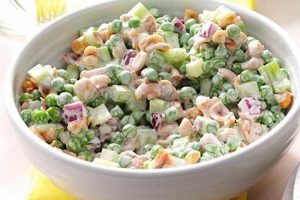
Nutritious and flavorful salads offer a versatile approach to healthy eating, particularly for those seeking weight management. They can be customized with a wide variety of fresh produce, lean proteins, and healthy fats, providing essential nutrients while promoting satiety with relatively low caloric density. For example, a salad combining grilled chicken breast, mixed greens, avocado, and a light vinaigrette offers a balanced meal rich in protein, fiber, and healthy fats.
Incorporating salads into a regular dietary regimen can contribute to weight management goals by providing a nutrient-dense, low-calorie meal option. The high fiber content in vegetables promotes digestive health and helps regulate appetite. Historically, salads have been a dietary staple across cultures, evolving from simple vegetable combinations to elaborate culinary creations. The modern emphasis on health and wellness has further highlighted their importance in maintaining a balanced and nutritious diet.
This discussion will further explore the principles of constructing effective salads for weight loss, considering factors such as ingredient selection, portion control, and dressing choices. Specific examples and practical tips will be provided to guide individuals in creating satisfying and healthy salads that support their weight management objectives.
Tips for Creating Effective Weight-Loss Salads
Constructing salads that support weight management involves careful consideration of ingredients, portion sizes, and preparation methods. The following tips offer guidance for maximizing nutritional value while minimizing caloric intake.
Tip 1: Prioritize Nutrient-Dense Greens. Opt for leafy greens like spinach, kale, or romaine lettuce, which offer high nutrient content with minimal calories. Iceberg lettuce, while providing hydration, offers fewer nutritional benefits.
Tip 2: Incorporate Lean Protein. Adding lean protein sources, such as grilled chicken breast, fish, or beans, enhances satiety and supports muscle maintenance. Avoid fried or heavily processed meats.
Tip 3: Embrace Healthy Fats. Incorporate sources of healthy fats, such as avocados, nuts, or seeds, in moderation. These fats contribute to satiety and provide essential nutrients.
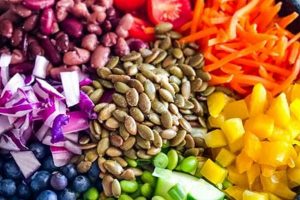
Tip 4: Choose Colorful Vegetables. Variety in vegetables ensures a wider range of vitamins and minerals. Aim for diverse colors, including bell peppers, carrots, cucumbers, and tomatoes.
Tip 5: Be Mindful of Dressings. Creamy dressings can significantly increase caloric intake. Opt for light vinaigrettes, or use dressings sparingly. Consider lemon juice or vinegar as alternatives.
Tip 6: Control Portions. Even healthy ingredients can contribute to weight gain if consumed in excess. Be mindful of portion sizes for all ingredients, including healthy fats and proteins.
Tip 7: Prepare Ingredients Freshly. Freshly prepared ingredients offer optimal flavor and nutritional value. Pre-packaged or processed salad components may contain added sugars, sodium, or unhealthy fats.
By adhering to these guidelines, individuals can create salads that support weight management goals while providing essential nutrients and promoting overall health. These strategies offer a foundation for incorporating salads as a regular component of a balanced and sustainable dietary plan.
This information provides practical guidance for incorporating salads into a weight-conscious diet. The following section will offer concluding remarks and summarize key takeaways for maximizing the benefits of healthy salad consumption.
1. Nutrient-Dense Greens
Nutrient-dense greens form the foundation of effective weight-loss salads. Their low caloric density combined with high vitamin, mineral, and fiber content contributes significantly to satiety and overall nutritional intake. Choosing the right greens maximizes the health benefits and supports weight management goals.
- Nutritional Powerhouses:
Leafy greens like spinach, kale, and romaine lettuce are packed with vitamins A, C, and K, as well as minerals like folate and potassium. These nutrients support overall health while contributing minimal calories. A cup of spinach, for example, provides a significant portion of the recommended daily intake of vitamin K.
- Fiber for Satiety:
The high fiber content in nutrient-dense greens promotes satiety, reducing overall caloric intake. Fiber absorbs water in the digestive tract, creating a feeling of fullness and helping to regulate appetite. This contributes to weight management by reducing the likelihood of overeating.
- Low Caloric Density:
Nutrient-dense greens offer a large volume of food for relatively few calories. This characteristic allows individuals to consume satisfying portions while maintaining a calorie deficit, a key factor in weight loss. Consuming a large salad composed primarily of leafy greens contributes to feelings of fullness without a substantial caloric load.
- Versatility and Flavor:
The variety of nutrient-dense greens available allows for diverse and flavorful salads. From the peppery bite of arugula to the mild sweetness of butter lettuce, different greens offer unique flavor profiles that can be complemented by other salad ingredients. This versatility prevents meal monotony and encourages consistent consumption.
By prioritizing nutrient-dense greens, individuals can create salads that not only support weight loss but also contribute to overall health and well-being. The combination of low caloric density, high fiber content, and rich nutritional value makes these greens a cornerstone of effective weight-loss salads. They provide a foundation for a satisfying and nutritious meal that aligns with weight management goals.
2. Lean Protein Sources

Lean protein sources are essential components of salads designed for weight management. Protein plays a crucial role in satiety, promoting feelings of fullness and reducing overall caloric intake. Additionally, protein supports muscle maintenance, a critical factor during weight loss. Incorporating appropriate protein sources into salads enhances both their nutritional value and their effectiveness in supporting weight-loss goals.
- Satiety and Appetite Regulation
Protein exerts a significant influence on satiety hormones, contributing to feelings of fullness after a meal. This effect helps regulate appetite and reduce subsequent caloric intake. For example, a salad containing grilled chicken breast is likely to be more satisfying and keep hunger at bay for longer compared to a salad without a protein source.
- Muscle Preservation
During periods of caloric restriction, the body may utilize muscle tissue for energy. Adequate protein intake helps mitigate this effect, preserving lean muscle mass. Maintaining muscle mass is important for overall metabolic health and helps prevent a decrease in resting metabolic rate, which can hinder weight loss efforts. Including protein sources like fish or beans in salads supports muscle preservation during weight loss.
- Variety and Versatility
Numerous lean protein options can be incorporated into salads, catering to diverse palates and dietary preferences. Grilled chicken or fish, hard-boiled eggs, beans, lentils, and tofu offer a range of flavors and textures, enhancing the overall appeal and preventing meal monotony. This versatility allows for customization and promotes long-term adherence to a weight-loss dietary plan.
- Nutrient Density
Many lean protein sources provide essential nutrients beyond protein itself. Fish, for example, offers omega-3 fatty acids, while beans and lentils are rich in fiber and iron. These additional nutrients contribute to overall health and well-being, further enhancing the nutritional value of weight-loss salads. Choosing nutrient-rich protein sources maximizes the health benefits of each meal.
The strategic inclusion of lean protein sources in salads significantly contributes to their effectiveness in supporting weight loss. By promoting satiety, preserving muscle mass, offering variety, and providing essential nutrients, lean protein transforms a simple salad into a powerful tool for weight management. The synergy between protein and other salad components, such as nutrient-dense greens and healthy fats, creates a balanced and effective meal that aligns with weight-loss objectives.
3. Healthy Fats

Dietary fats, often perceived negatively, play a crucial role in effective weight management, particularly within the context of salad consumption. Incorporating healthy fats into salads contributes to satiety, enhances nutrient absorption, and supports overall health. Understanding the role and benefits of these fats is essential for constructing salads optimized for weight loss.
- Satiety Enhancement
Healthy fats contribute significantly to satiety by slowing digestion and triggering the release of hormones that signal fullness. This effect helps regulate appetite and reduce overall caloric intake. Adding avocado or a handful of almonds to a salad, for example, can promote feelings of fullness, reducing the likelihood of overeating and supporting weight management efforts.
- Nutrient Absorption
Certain vitamins, specifically vitamins A, D, E, and K, are fat-soluble, meaning their absorption requires the presence of dietary fat. Incorporating healthy fats into salads ensures optimal absorption of these essential nutrients. A salad with a simple vinaigrette containing olive oil, for instance, facilitates the absorption of fat-soluble vitamins from the vegetables.
- Hormonal Balance
Healthy fats play a critical role in hormone production and regulation. Maintaining hormonal balance is essential for overall metabolic health, which influences weight management. Including sources of omega-3 fatty acids, such as flaxseeds or walnuts, in salads can contribute to hormonal health and support metabolic function.
- Improved Palatability
Healthy fats enhance the flavor and texture of salads, making them more enjoyable and palatable. This contributes to dietary adherence, a key factor in successful weight loss. The addition of avocado, for example, adds a creamy texture and richness to a salad, increasing its appeal and encouraging consistent consumption.
Integrating healthy fats into salad recipes enhances not only their nutritional value but also their effectiveness in supporting weight loss. By promoting satiety, facilitating nutrient absorption, supporting hormonal balance, and improving palatability, healthy fats contribute significantly to achieving weight management goals. The careful selection and incorporation of these fats, in appropriate portions, elevate salads from simple meals to powerful tools for sustainable weight loss.
4. Portion Control

Portion control plays a critical role in the effectiveness of salad-based weight management strategies. Even nutrient-rich foods, when consumed in excessive quantities, can hinder weight loss progress. Understanding and implementing portion control strategies is essential for maximizing the benefits of healthy salad consumption.
- Calorie Awareness
While salads often consist of low-calorie ingredients, the overall caloric content can escalate depending on added components like dressings, cheeses, nuts, and dried fruits. Careful monitoring of portion sizes for all ingredients, including healthy fats and lean proteins, is essential for maintaining a calorie deficit, a key factor in weight loss. For example, a large portion of avocado, while healthy, can contribute significantly to the total calorie count.
- Plate Composition
Visual cues can assist in managing portion sizes. Using smaller plates and bowls can create the perception of a fuller plate, promoting satisfaction with smaller portions. Dividing a salad into smaller portions before consumption can also enhance awareness of intake. A pre-portioned salad in a smaller container provides a clear visual representation of the intended serving size.
- Mindful Eating Practices
Practicing mindful eating techniques, such as paying attention to hunger cues and eating slowly, can contribute to portion control. Focusing on the sensory experience of eating allows individuals to recognize feelings of fullness and avoid overconsumption. Taking breaks between bites and savoring the flavors of the salad can promote greater awareness of satiety cues.
- Pre-Portioning and Meal Prepping
Pre-portioning salads into individual containers, particularly for meals consumed outside the home, facilitates portion control and reduces the likelihood of impulsive overeating. Meal prepping salads in advance also ensures readily available healthy options, minimizing reliance on less healthy alternatives when time is limited. Having pre-portioned salads available in the refrigerator promotes adherence to dietary goals.
Effective portion control is integral to the success of weight loss efforts when utilizing salad-based meal strategies. By managing calorie intake through mindful portioning, utilizing visual cues, practicing mindful eating, and implementing meal prepping strategies, individuals can maximize the benefits of healthy salads and support sustainable weight management.
5. Flavorful, Low-Calorie Dressings

Flavorful, low-calorie dressings play a pivotal role in the success of weight-loss salad strategies. Dressings significantly impact palatability; a bland salad, however nutritious, may hinder long-term dietary adherence. High-calorie dressings, conversely, can negate the caloric benefits of a healthy salad. The strategic selection and utilization of flavorful, low-calorie dressings bridge this gap, ensuring both enjoyment and effectiveness in weight management. For example, a simple vinaigrette made with olive oil, lemon juice, and herbs offers flavor complexity without excessive calories, compared to a creamy ranch dressing.
The impact of dressing choice extends beyond caloric content. Flavorful dressings can enhance the overall sensory experience of consuming a salad, promoting satisfaction and reducing the desire for less healthy alternatives. A vibrant dressing can transform a simple combination of vegetables into a culinary experience. Furthermore, specific ingredients within low-calorie dressings can contribute additional health benefits. Olive oil, for example, provides heart-healthy monounsaturated fats, while certain herbs and spices offer antioxidant properties. Thus, a well-chosen dressing contributes not only to flavor but also to overall nutritional value.
Navigating the landscape of salad dressings requires careful consideration of ingredients and portion control. Opting for dressings made with whole, unprocessed ingredients and avoiding those with added sugars and excessive sodium is paramount. Even with low-calorie options, portion control remains essential. Excessive dressing, however healthy, can contribute unnecessary calories. Ultimately, the integration of flavorful, low-calorie dressings into salad recipes represents a crucial step towards achieving sustainable weight loss. This approach ensures dietary adherence by prioritizing both palatability and nutritional value.
Frequently Asked Questions
This section addresses common inquiries regarding salad consumption for weight management.
Question 1: Can salads be a complete meal for weight loss?
Salads can constitute a complete meal if they provide a balance of macronutrients, including sufficient protein and healthy fats. A salad featuring grilled chicken, mixed greens, avocado, and a variety of vegetables offers a balanced nutritional profile.
Question 2: Are all salad dressings detrimental to weight loss efforts?
Not all salad dressings are detrimental. Low-calorie options, such as vinaigrettes made with olive oil and vinegar, can enhance flavor without contributing excessive calories. Creamy dressings, however, often contain high levels of saturated fat and added sugars, potentially hindering weight loss.
Question 3: How can salads be made more satisfying to prevent hunger shortly after eating?
Incorporating protein and healthy fats into salads increases satiety. Adding grilled chicken, fish, beans, nuts, seeds, or avocado can promote feelings of fullness and prevent hunger pangs.
Question 4: Is it necessary to purchase pre-washed and pre-cut salad ingredients?
While convenient, pre-washed and pre-cut ingredients may be more expensive and sometimes contain preservatives. Washing and chopping fresh produce offers cost savings and control over ingredients.
Question 5: Can consuming large quantities of salad lead to weight gain?
Even healthy foods consumed in excess can contribute to weight gain. Portion control remains essential, even with salads. Monitoring the quantity of ingredients, especially those higher in calories like nuts, seeds, and dried fruits, helps manage overall caloric intake.
Question 6: Are there specific vegetables to avoid when constructing a weight-loss salad?
While most vegetables contribute positively to a weight-loss diet, certain starchy vegetables like potatoes and corn should be consumed in moderation due to their higher carbohydrate content.
Careful consideration of ingredients, portion sizes, and dressing choices ensures salads effectively support weight management goals. Prioritizing nutrient-dense components and minimizing high-calorie additions allows salads to become valuable tools in a balanced and sustainable weight-loss plan.
This concludes the frequently asked questions section. The following section will provide concluding remarks and summarize the key elements for maximizing the effectiveness of salads for weight loss.
Conclusion
Optimal salad construction for weight management necessitates a strategic approach encompassing ingredient selection, portion awareness, and mindful preparation techniques. Prioritizing nutrient-dense leafy greens establishes a strong foundation, while the inclusion of lean protein sources, such as grilled chicken or fish, contributes to satiety and muscle preservation. Incorporating healthy fats, like avocados or nuts, further enhances satiety and provides essential nutrients, but careful portion control remains paramount. Flavorful, low-calorie dressings, such as vinaigrettes, elevate palatability without compromising caloric goals. A comprehensive understanding of these elements empowers individuals to create salads that effectively support weight management objectives.
Ultimately, successful weight management hinges on a holistic approach encompassing dietary habits, physical activity, and overall lifestyle choices. Salads, strategically crafted and thoughtfully incorporated, offer a valuable tool within this broader context. Their versatility, nutritional density, and potential for promoting satiety position them as a cornerstone of sustainable and health-conscious dietary patterns. By embracing informed choices and prioritizing nutrient-rich ingredients, individuals can harness the full potential of salads in their pursuit of long-term well-being.