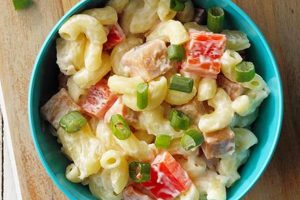
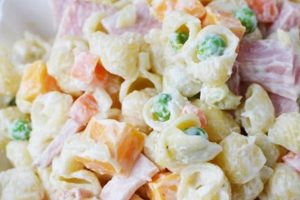
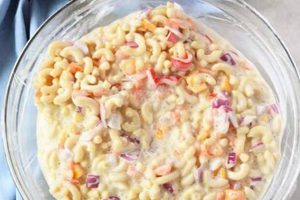
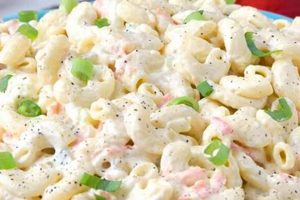
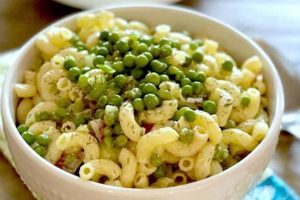
Dishes featuring cooked elbow macaroni, peas, and a creamy dressing constitute a popular side dish, often served cold. Variations can include ingredients such as celery, onion, hard-boiled eggs, cheese, and different herbs and spices. Mayonnaise-based dressings are common, though variations using vinaigrette or sour cream also exist. These salads offer a flexible template for customization, adaptable to individual tastes and available ingredients.
These versatile salads offer a convenient way to incorporate vegetables into a meal, providing a good source of carbohydrates and fiber. Their cool, creamy texture makes them a refreshing accompaniment to heavier main courses, particularly during warmer months. The adaptability of these salads has contributed to their enduring popularity, with roots in classic American cuisine, often appearing at picnics, potlucks, and barbecues. Their simple preparation and relatively inexpensive ingredients also contribute to their widespread appeal.
Further exploration of this culinary staple will cover diverse ingredient combinations, dressing options, tips for optimal preparation, and suggestions for creative presentation. This will provide readers with the necessary tools and knowledge to confidently create their own delicious versions of this classic dish.
Tips for Preparing Macaroni Pea Salad
Achieving optimal flavor and texture requires attention to several key aspects of preparation. The following tips offer guidance for creating a successful and satisfying dish.
Tip 1: Cook the macaroni al dente. Overcooked pasta results in a mushy texture. Slightly firm pasta holds its shape better and provides a more pleasing mouthfeel.
Tip 2: Rinse the cooked macaroni under cold water. This stops the cooking process and helps to maintain the desired texture. It also removes excess starch, preventing the salad from becoming sticky.
Tip 3: Use fresh or frozen peas. Canned peas can be overly soft and lack the vibrant flavor of fresh or frozen varieties. If using frozen peas, thaw them completely before adding to the salad.
Tip 4: Balance the flavors in the dressing. Consider the sweetness of the peas and other vegetables when adjusting the tanginess of the dressing. A touch of acidity can enhance the overall flavor profile.
Tip 5: Chill the salad thoroughly before serving. Chilling allows the flavors to meld and enhances the refreshing quality of the dish. Ideally, chill for at least two hours before serving.
Tip 6: Add crunch with chopped celery or red onion. These ingredients provide textural contrast and add depth of flavor. Consider other vegetables like chopped bell peppers for additional color and nutrients.
Tip 7: Enhance the flavor profile with fresh herbs. Dill, parsley, chives, or mint can complement the other ingredients and elevate the overall taste experience.
Tip 8: Customize to individual preferences. Consider additions such as hard-boiled eggs, crumbled bacon, shredded cheese, or different types of nuts to create unique variations.
By following these tips, one can create a macaroni pea salad that is both flavorful and visually appealing. Attention to detail in each stage of preparation contributes to a more satisfying culinary experience.
Through thoughtful ingredient selection and careful preparation, this simple dish can become a true culinary delight.
1. Ingredient Quality

Ingredient quality significantly impacts the final outcome of macaroni pea salad recipes. Fresh, vibrant ingredients contribute to a superior sensory experience, affecting both flavor and texture. Using high-quality pasta ensures a pleasant, firm bite, avoiding mushiness. Fresh or frozen peas offer a sweetness and bright green color that canned peas often lack. Similarly, a flavorful mayonnaise, rather than a bland or overly processed variety, elevates the overall taste profile of the dressing. Investing in quality ingredients ultimately results in a more satisfying and enjoyable culinary creation. For instance, using farm-fresh eggs in a homemade mayonnaise contributes a richer, more nuanced flavor compared to using commercially produced mayonnaise containing preservatives and stabilizers. Likewise, opting for fresh herbs over dried ones provides a brighter, more pronounced aroma and taste.
The impact of ingredient quality extends beyond the immediate sensory experience. Fresh, wholesome ingredients contribute to a healthier and more nutritious dish. Choosing high-quality produce maximizes the intake of vitamins and minerals. Using natural, unprocessed ingredients minimizes exposure to additives and preservatives. This connection between ingredient quality and nutritional value underscores the importance of selecting the best possible components for macaroni pea salad recipes. For example, using organic peas avoids pesticide residues, while choosing whole-grain pasta increases fiber intake.
Prioritizing ingredient quality, while potentially incurring a slightly higher cost, ultimately yields a more rewarding culinary experience. The enhanced flavor, improved texture, and increased nutritional value justify the investment. By understanding this connection, one can make informed decisions about ingredient selection and create a macaroni pea salad that is both delicious and wholesome. Selecting peak-season produce further amplifies the flavor profile, demonstrating a direct link between ingredient quality and the overall enjoyment of the dish.
2. Dressing Variations
Dressing variations play a pivotal role in defining the character of macaroni pea salad recipes. The dressing serves as the unifying element, binding the individual components and imparting a distinct flavor profile. A creamy, mayonnaise-based dressing provides a classic, comforting taste, while a vinaigrette offers a lighter, tangier alternative. The choice of dressing significantly influences the overall sensory experience, affecting not only the flavor but also the texture and mouthfeel. For instance, a thicker, richer dressing clings more readily to the pasta and vegetables, creating a cohesive and satisfying bite. A thinner, more acidic dressing, on the other hand, imparts a brighter, more refreshing quality.
Exploring various dressing options allows for customization and adaptability within macaroni pea salad recipes. A simple change in the dressing can transform the dish, catering to diverse palates and dietary preferences. Incorporating herbs, spices, or other flavoring agents into the dressing adds complexity and depth. For example, a Dijon mustard vinaigrette with fresh dill provides a vibrant counterpoint to the sweetness of the peas. Similarly, a creamy dressing infused with smoked paprika and crumbled bacon offers a smoky, savory dimension. The ability to tailor the dressing expands the versatility of macaroni pea salad, making it a suitable dish for a wide range of occasions.
Understanding the impact of dressing variations empowers culinary creativity and control over the final product. Careful consideration of the dressing’s consistency, flavor profile, and complementary ingredients allows for precision in achieving the desired outcome. This knowledge enables one to craft macaroni pea salad recipes that are not only delicious but also tailored to specific preferences and dietary needs. Whether seeking a classic, creamy texture or a lighter, brighter flavor profile, the choice of dressing holds the key to unlocking the full potential of this versatile dish. Mastering this aspect of preparation elevates macaroni pea salad from a simple side dish to a culinary expression.
3. Pasta Cooking Technique

Pasta cooking technique exerts a significant influence on the overall quality of macaroni pea salad. Properly cooked pasta provides a textural foundation that complements the other ingredients, contributing to a pleasant and satisfying eating experience. Overcooked pasta, conversely, results in a mushy, unappetizing texture that detracts from the salad’s appeal. The degree of doneness directly impacts the pasta’s ability to absorb the dressing and maintain its structural integrity within the salad. For instance, al dente pasta holds its shape well, preventing the salad from becoming overly dense or sticky. This firmness also allows the pasta to absorb the dressing’s flavors more evenly, resulting in a balanced and harmonious taste profile.
Achieving perfectly cooked pasta involves careful attention to timing and temperature. Following package directions offers a general guideline, but variations in stovetop heat and water volume may necessitate adjustments. Testing the pasta for doneness by biting into a piece ensures optimal texture. The desired consistency is firm to the bite, offering slight resistance without being hard or crunchy. Once cooked, immediately draining the pasta and rinsing it under cold water halts the cooking process and helps maintain the desired firmness. This step also removes excess starch, preventing the pasta from clumping together in the salad and ensuring a more desirable texture. Neglecting this crucial step can lead to a gummy, less appealing final product.
Mastery of pasta cooking technique represents a fundamental skill in crafting exceptional macaroni pea salad. The interplay between pasta texture and dressing absorption underscores the importance of achieving the correct degree of doneness. Attention to detail in this stage of preparation contributes significantly to the overall enjoyment of the dish. Consistent application of proper cooking techniques ensures predictable and desirable results, elevating a simple side dish to a culinary experience characterized by balanced flavors and pleasing textures. This understanding allows for greater control over the final product and contributes to a consistently successful outcome.
4. Flavor Balance
Flavor balance constitutes a critical element in successful macaroni pea salad recipes. A harmonious interplay of tastes elevates this simple dish, transforming it from mundane to memorable. Achieving this balance requires careful consideration of the inherent flavors of each ingredient and how they interact within the overall composition. The goal is to create a nuanced flavor profile where no single element dominates, but rather contributes to a unified and satisfying whole.
- Sweetness and Acidity
The natural sweetness of peas requires a counterpoint to prevent the salad from becoming cloying. Acidity, often introduced through vinegar or lemon juice in the dressing, provides this necessary balance. The tanginess cuts through the sweetness, creating a more complex and refreshing flavor profile. For example, a touch of apple cider vinegar in a mayonnaise-based dressing can brighten the overall taste and enhance the sweetness of the peas. The precise balance between these two elements depends on personal preference and the specific ingredients used.
- Creaminess and Crunch
Textural contrast enhances the sensory experience of macaroni pea salad. The creamy dressing, typically mayonnaise-based, provides a rich, smooth mouthfeel. Incorporating crunchy elements, such as chopped celery, red onion, or water chestnuts, adds a contrasting texture that prevents the salad from becoming monotonous. This interplay of textures adds depth and interest to each bite. The proportion of creamy to crunchy elements can be adjusted to achieve the desired textural balance.
- Savory Notes
Introducing savory notes adds complexity and depth to the flavor profile. Ingredients such as crumbled bacon, shredded cheddar cheese, or chopped hard-boiled eggs contribute umami and salty flavors that complement the sweetness of the peas and the creaminess of the dressing. These savory elements prevent the salad from tasting one-dimensional and provide a more satisfying and complete flavor experience. The intensity of these savory notes can be adjusted to suit individual preferences.
- Fresh Herbs
Fresh herbs contribute brightness and aromatic complexity to macaroni pea salad. Dill, parsley, chives, or mint can enhance the overall flavor profile and add a refreshing element. The choice of herbs can be tailored to complement the other ingredients and create specific flavor combinations. For example, dill pairs well with a lemon-vinaigrette dressing, while mint complements a creamy dressing with a touch of sweetness. The quantity of herbs used influences the intensity of their flavor impact on the final dish.
Successfully balancing these flavor components elevates macaroni pea salad from a simple side dish to a more complex and satisfying culinary creation. Careful consideration of these elements allows for greater control over the final flavor profile, resulting in a dish that is well-balanced, nuanced, and enjoyable. A well-executed flavor balance enhances the overall sensory experience, making the salad more appealing and memorable. This attention to detail transforms a basic recipe into a dish that showcases culinary expertise and a deep understanding of flavor interactions.
5. Creative Additions

Creative additions represent a significant opportunity to personalize and elevate macaroni pea salad recipes. Moving beyond the basic formula allows for exploration of diverse flavors and textures, transforming a simple side dish into a more complex and interesting culinary creation. These additions can introduce contrasting textures, complementary flavors, or unexpected elements that enhance the overall sensory experience. Strategic incorporation of such additions broadens the dish’s appeal and offers a platform for culinary expression.
- Textural Contrasts
Introducing contrasting textures adds depth and interest to the predominantly soft texture of macaroni pea salad. Crispy elements, such as chopped water chestnuts, toasted slivered almonds, or crumbled bacon, provide a satisfying counterpoint to the creamy dressing and tender pasta. These additions create a more dynamic eating experience, preventing the salad from feeling monotonous. Consider incorporating roasted chickpeas or sunflower seeds for enhanced protein and fiber content alongside textural variation.
- Flavor Dimensions
Expanding the flavor profile beyond the core ingredients adds complexity and nuance. Incorporating ingredients like chopped fresh herbs (dill, mint, or parsley), grated Parmesan cheese, or a dash of smoked paprika introduces new dimensions of flavor that complement the existing sweetness and creaminess. These additions create a more balanced and sophisticated taste profile. Experimenting with different cheeses, such as feta or crumbled blue cheese, offers opportunities to explore diverse flavor profiles. Adding a squeeze of fresh lemon juice can provide a bright, acidic counterpoint to the richness of the dressing.
- Protein Enrichment
Adding protein transforms macaroni pea salad into a more substantial and satisfying dish. Incorporating diced grilled chicken, crumbled cooked chorizo, or flaked canned tuna elevates the salad beyond a simple side, making it suitable as a light meal or a more substantial component of a buffet. These additions contribute not only protein but also additional flavor dimensions. Consider incorporating cooked shrimp or shredded cooked salmon for lighter, seafood-focused variations.
- Visual Appeal
Visual appeal enhances the overall enjoyment of any dish. Adding colorful elements to macaroni pea salad improves its presentation and makes it more enticing. Chopped red onion, bell peppers, or halved cherry tomatoes introduce vibrant hues that contrast with the green of the peas and the pale yellow of the pasta. Garnishing with fresh herbs adds a final touch of color and freshness. These visual enhancements contribute to a more appealing and appetizing presentation.
By strategically incorporating creative additions, macaroni pea salad transcends its basic form and becomes a canvas for culinary exploration. These additions not only enhance the flavor, texture, and visual appeal of the dish but also offer opportunities to personalize it based on individual preferences and dietary needs. Thoughtful consideration of these elements transforms a simple side dish into a more complex and satisfying culinary experience. The possibilities for customization are vast, limited only by imagination and culinary curiosity.
Frequently Asked Questions
This section addresses common inquiries regarding macaroni pea salad preparation and variations.
Question 1: Can macaroni pea salad be prepared in advance?
Advance preparation is possible. Flavor melding often benefits from refrigeration for at least two hours prior to serving. For optimal texture, add delicate ingredients like chopped celery or fresh herbs shortly before serving.
Question 2: What pasta shapes work best besides elbow macaroni?
Small pasta shapes, such as ditalini, rotini, or shells, function well. Larger shapes, like penne or farfalle, may require adjustments to dressing quantity to ensure adequate coating.
Question 3: How can one reduce the calorie content?
Calorie reduction can be achieved by using light mayonnaise, Greek yogurt, or a vinaigrette-based dressing. Incorporating additional vegetables, such as chopped bell peppers or cucumbers, increases volume and nutritional value without significantly increasing calories.
Question 4: What are suitable substitutions for peas?
Green beans, edamame, or chopped asparagus can substitute for peas, offering similar texture and color. Flavor profiles will vary, requiring potential adjustments to the dressing or other ingredients.
Question 5: How long can macaroni pea salad be stored?
Properly stored in an airtight container in the refrigerator, the salad typically remains safe for consumption for three to five days. Spoilage signs, such as off-odors or discoloration, indicate discarding the salad.
Question 6: Can this salad be frozen?
Freezing is not generally recommended. Mayonnaise-based dressings often separate upon thawing, resulting in an undesirable texture. Vegetables can also lose their crispness and become watery after freezing.
Understanding these common considerations allows for greater control over the preparation and storage of macaroni pea salad, ensuring a successful and enjoyable culinary experience.
The following section offers a collection of curated recipes demonstrating the versatility and adaptability of macaroni pea salad.
Macaroni Pea Salad Recipes
Macaroni pea salad recipes offer a versatile platform for culinary creativity. Exploration of ingredient quality, dressing variations, pasta cooking techniques, flavor balance, and creative additions reveals the potential for customization within this seemingly simple dish. From classic mayonnaise-based dressings to lighter vinaigrettes, the spectrum of flavors achievable through thoughtful ingredient selection and preparation is broad. Attention to pasta texture, achieved through proper cooking techniques, contributes significantly to the overall enjoyment. Balancing sweetness, acidity, creaminess, and crunch elevates the sensory experience. Incorporating creative additions further personalizes the dish, transforming it from a basic side to a culinary expression.
Mastery of these elements allows for consistent creation of flavorful and satisfying macaroni pea salad. Understanding the interplay of ingredients and techniques empowers informed choices, leading to predictable and desirable outcomes. This knowledge transforms the preparation process from a rote task into an opportunity for culinary exploration and personalized expression. The continued evolution of macaroni pea salad recipes promises further exploration of flavors and textures, ensuring its enduring presence in culinary traditions.