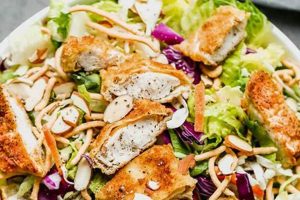
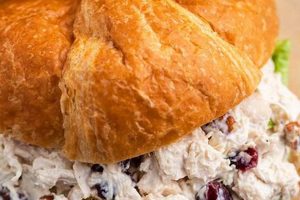
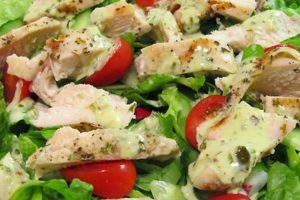
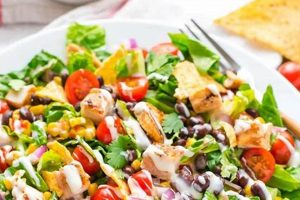
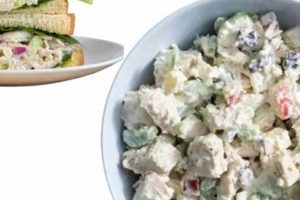
Chicken salad, typically a light lunch or appetizer, can be transformed into a satisfying main course by incorporating heartier ingredients and adjusting portion sizes. Examples include adding grilled chicken breast, beans, grains like quinoa or farro, and robust vegetables such as roasted sweet potatoes or avocado. Presentation also plays a key role, moving beyond sandwiches and crackers to include composed salads on beds of greens or stuffed into hollowed-out vegetables.
Elevating this dish to entree status provides a versatile, protein-rich, and often budget-friendly meal option. This approach can be particularly appealing for those seeking lighter yet fulfilling dinners, especially during warmer months. Historically, chicken salad has been a resourceful way to utilize leftover chicken, and its adaptability continues to make it a relevant and practical dish in contemporary kitchens. The evolution from a simple side dish to a main course reflects evolving culinary trends and the desire for convenient yet nutritious meal solutions.
This exploration will delve into specific ingredient combinations, preparation techniques, and creative presentation ideas to create compelling chicken salad centerpieces for any meal. Further sections will cover variations suitable for diverse dietary needs and preferences, offering a range of options from classic comfort food to innovative culinary creations.
Tips for Creating Satisfying Chicken Salad Main Courses
Successfully transforming chicken salad into a main course involves thoughtful consideration of ingredients, textures, and overall presentation. These tips offer guidance on crafting substantial and flavorful dishes.
Tip 1: Prioritize Protein: Opt for generous portions of chicken, ideally a mix of white and dark meat for flavor and texture. Grilled or roasted chicken adds depth compared to pre-cooked or deli chicken.
Tip 2: Incorporate Hearty Grains: Quinoa, farro, or wild rice add bulk and nutrients, making the salad more substantial. Pre-cooked lentils or beans can also contribute protein and fiber.
Tip 3: Embrace Textural Variety: Crisp vegetables like celery, bell peppers, or jicama offer satisfying crunch. Nuts, seeds, and dried fruits introduce further textural complexity.
Tip 4: Enhance with Flavorful Dressings: Move beyond mayonnaise-based dressings by incorporating yogurt, tahini, or vinaigrettes. Fresh herbs, spices, and citrus zest elevate flavor profiles.
Tip 5: Focus on Presentation: Serve the salad on a bed of greens, nestled in avocado halves, or spooned into hollowed-out tomatoes or bell peppers for visual appeal.
Tip 6: Consider Temperature: While traditionally served cold, a warm chicken salad with roasted vegetables and a warm vinaigrette can offer a comforting alternative.
Tip 7: Balance Flavors: Strive for a harmonious blend of savory, sweet, acidic, and spicy notes. Taste and adjust seasonings throughout the preparation process.
By applying these tips, one can create chicken salads that are not only delicious and satisfying but also visually appealing and nutritionally balanced, ensuring a complete and enjoyable meal.
With these foundational principles established, the following section will explore specific recipe ideas and variations to inspire culinary creativity.
1. Protein Choice

Protein selection significantly impacts the overall quality and satisfaction derived from a main course chicken salad. While traditionally utilizing cooked chicken, variations in preparation methods and protein sources offer diverse flavor profiles and nutritional benefits. Grilled or roasted chicken contributes a smoky char and enhanced flavor compared to boiled or poached chicken. Shredded rotisserie chicken provides a convenient shortcut while retaining desirable texture. Beyond chicken, incorporating complementary proteins like chickpeas, lentils, or hard-boiled eggs adds nutritional value and textural complexity. Such additions can also cater to vegetarian or flexitarian dietary preferences, expanding the versatility of the dish.
The protein choice influences not only the taste but also the satiety level of the salad. Leaner proteins like chicken breast offer a lighter option, while the inclusion of legumes or eggs contributes more substantial protein and fiber, promoting fullness. This consideration is crucial for main course salads, which must provide adequate sustenance. For example, a chicken salad featuring grilled chicken, chickpeas, and quinoa offers a complete protein profile and greater satiety than a salad relying solely on shredded chicken. The interplay of different protein sources also allows for more complex flavor development, creating a more nuanced and satisfying culinary experience.
Strategic protein selection elevates chicken salad from a simple side dish to a fulfilling main course. Considering factors such as cooking method, complementary protein sources, and nutritional value ensures a well-rounded and satisfying meal. This careful consideration not only enhances the flavor and texture but also contributes to the overall nutritional profile and satiety factor, making protein choice a crucial element in crafting successful main course chicken salads.
2. Grains and Legumes

Grains and legumes play a crucial role in transforming chicken salad into a substantial main course. Their inclusion addresses key dietary needs often lacking in simpler preparations, primarily by boosting fiber and complex carbohydrate content. This addition contributes significantly to satiety, a critical factor in designating a salad as a main course. Quinoa, for example, offers a complete protein source alongside its complex carbohydrates, complementing the chicken and creating a more nutritionally balanced meal. Similarly, brown rice or farro provide nutty flavors and textural variety. Legumes, such as chickpeas or lentils, further amplify fiber content and introduce plant-based protein, catering to diverse dietary preferences and enhancing the overall nutritional profile.
The versatility of grains and legumes allows for extensive customization within main course chicken salad recipes. Beyond basic nutritional enhancements, specific grains and legumes contribute distinct flavor profiles and textures. Black beans, for instance, offer a robust earthiness, while cannellini beans provide a creamier texture. Wild rice introduces a unique nutty flavor and chewy texture. This adaptability enables culinary exploration and customization based on individual preferences. For a Mediterranean-inspired salad, orzo pasta and chickpeas can be incorporated. Alternatively, a Southwestern-inspired salad might benefit from the inclusion of black beans and corn. The careful selection of these components elevates the dish beyond basic sustenance, creating a more engaging and satisfying culinary experience.
Strategic incorporation of grains and legumes significantly enhances both the nutritional value and culinary appeal of main course chicken salads. These additions address the critical need for satiety and provide a platform for diverse flavor profiles and textures. By understanding the individual contributions of various grains and legumes, one can craft tailored chicken salad recipes that cater to specific dietary needs and preferences, transforming a simple dish into a complete and satisfying meal. This approach not only enhances the nutritional density but also contributes to a more dynamic and enjoyable culinary experience, solidifying the importance of grains and legumes within the main course chicken salad paradigm.
3. Fresh Produce

Fresh produce plays a vital role in elevating main course chicken salads beyond basic protein and starch combinations. Incorporating fruits and vegetables introduces essential vitamins, minerals, and antioxidants, contributing to a nutritionally balanced meal. Furthermore, fresh produce adds vibrant colors, crisp textures, and diverse flavors that enhance the overall sensory experience. The strategic selection and preparation of these ingredients significantly impact the final dish’s appeal and nutritional value.
- Textural Contrast
Fresh produce contributes crucial textural variety to chicken salad. Crisp elements like celery, bell peppers, or jicama provide a refreshing counterpoint to the softer textures of chicken and grains. This contrast prevents the salad from becoming monotonous and enhances the overall eating experience. Consider blanching or lightly steaming certain vegetables to achieve a desired level of tenderness while preserving some bite.
- Flavor Enhancement
The inherent flavors of fresh produce significantly impact the overall taste profile. Sweet and juicy grapes, tart apples, or zesty citrus fruits introduce complexity and balance the savory notes of chicken and dressing. Incorporating fresh herbs like dill, parsley, or mint further elevates the flavor profile, adding brightness and aromatic complexity. Careful consideration of flavor combinations is essential for creating a harmonious and well-balanced salad.
- Visual Appeal
Vibrant colors from fresh produce transform a simple chicken salad into an appetizing visual display. The deep green of spinach, the bright red of tomatoes, or the sunny yellow of bell peppers create a visually engaging dish that stimulates appetite. Consider the color palette when selecting ingredients to achieve an aesthetically pleasing presentation. This visual appeal enhances the overall dining experience, making the meal more enjoyable.
- Nutritional Value
Beyond flavor and texture, fresh produce contributes essential nutrients. Leafy greens like spinach or kale provide vitamins and minerals. Colorful vegetables like carrots and bell peppers offer antioxidants. Adding these nutrient-rich ingredients ensures the chicken salad delivers more than just calories, contributing to a healthy and balanced meal. Prioritizing seasonal produce maximizes flavor and nutritional content while supporting local agriculture.
The thoughtful incorporation of fresh produce transforms main course chicken salads into nutritionally complete and visually appealing meals. Balancing textural contrast, flavor enhancement, visual appeal, and nutritional value elevates the dish beyond basic sustenance, making it a satisfying and enjoyable culinary experience. By strategically selecting and preparing fresh ingredients, one can create chicken salads that are both delicious and healthful, solidifying the importance of fresh produce in the context of main course chicken salad recipes.
4. Flavorful Dressings
Flavorful dressings are essential for elevating main course chicken salads beyond simple mixtures of ingredients. The dressing serves as a unifying element, binding the components together and imparting depth and complexity. A well-crafted dressing can transform a basic chicken salad into a culinary experience, enhancing the overall flavor profile and contributing to a more satisfying meal.
- Beyond Mayonnaise
While mayonnaise serves as a classic base for chicken salad, exploring alternatives opens up a world of flavor possibilities. Greek yogurt offers a tangy and lighter alternative, while tahini introduces a nutty richness. Avocado-based dressings provide creaminess and healthy fats. These alternatives not only diversify the flavor profile but also cater to various dietary preferences and health considerations.
- Acidic Elements
Incorporating acidic elements brightens the flavor profile and balances the richness of other ingredients. Lemon juice, vinegar, or lime juice add a refreshing tang, cutting through the creaminess of the dressing and enhancing the other flavors. The acidity also helps to preserve the freshness of the salad. Experimenting with different types of vinegar, such as apple cider vinegar or balsamic vinegar, introduces unique flavor nuances.
- Herbs and Spices
Fresh herbs and spices contribute depth and complexity to chicken salad dressings. Dill, parsley, chives, and tarragon add brightness and freshness, while spices like paprika, cumin, or curry powder introduce warmth and intrigue. The careful selection and combination of herbs and spices allow for endless customization, creating unique flavor profiles tailored to individual preferences. Freshly ground spices generally offer more intense flavor compared to pre-ground options.
- Textural Additions
Incorporating textural elements within the dressing itself can further enhance the overall sensory experience. Chopped nuts, seeds, or finely diced vegetables like shallots or red onion introduce textural contrast and contribute subtle flavor nuances. These additions create a more dynamic and engaging culinary experience, preventing the dressing from becoming one-dimensional.
The considered selection and preparation of flavorful dressings are integral to crafting successful main course chicken salads. Moving beyond basic mayonnaise-based dressings and incorporating diverse ingredients, acidic elements, herbs, spices, and textural additions elevates the dish from simple to sophisticated. A well-crafted dressing not only enhances flavor but also contributes to a more satisfying and memorable dining experience. This attention to detail distinguishes a main course chicken salad from a basic side dish, transforming it into a culinary centerpiece.
5. Creative Presentation

Creative presentation elevates main course chicken salads from simple meals to visually appealing culinary experiences. Presentation impacts perception of value and desirability, influencing appetite and overall enjoyment. A thoughtfully presented salad communicates care and attention to detail, transforming a basic dish into something special. This aspect is crucial for positioning chicken salad as a viable main course option, moving beyond its traditional role as a light lunch or side dish.
Several techniques enhance presentation. Serving the salad on a bed of fresh greens adds color and volume. Utilizing attractive serving vessels, such as hollowed-out avocados or tomatoes, creates visual interest. Garnishing with edible flowers, toasted nuts, or a sprinkle of fresh herbs adds a touch of elegance. Strategic use of color and texture through ingredient arrangement further enhances visual appeal. For example, a vibrant chicken salad featuring roasted red peppers, corn, and black beans benefits from a garnish of fresh cilantro and a sprinkle of toasted pepitas, creating a visually dynamic and appetizing dish. Conversely, a more classic chicken salad with grapes and walnuts might be elegantly presented on endive leaves with a sprinkle of paprika.
Effective presentation enhances the perceived value of main course chicken salads, contributing to a more satisfying dining experience. This attention to detail transforms a simple meal into a culinary creation, making it more appealing and enjoyable. While flavor and nutritional value remain paramount, creative presentation adds another layer of enjoyment, demonstrating that thoughtful presentation plays a crucial role in elevating the dining experience and solidifying chicken salad’s position as a legitimate main course option.
6. Portion Sizing

Portion sizing plays a crucial role in establishing chicken salad as a satisfying main course. Adequate portioning ensures the meal provides sufficient calories and nutrients to constitute a complete meal, differentiating it from a lighter lunch or side dish. Calculating appropriate portion sizes involves considering the inclusion of heartier ingredients, such as grains, legumes, and additional protein sources, alongside the traditional chicken and vegetable components. A main course portion might include a larger quantity of chicken, supplemented by quinoa or chickpeas, resulting in a more substantial and filling meal compared to a smaller serving primarily composed of chicken and mayonnaise. This adjustment in portion size and composition directly impacts satiety and nutritional value.
Understanding portion sizing allows for customization based on individual dietary needs and preferences. Athletes or individuals with higher caloric requirements may benefit from larger portions incorporating additional protein and complex carbohydrates. Conversely, those seeking lighter yet satisfying meals can adjust portion sizes and ingredient ratios accordingly. For example, a main course salad designed for a larger appetite might include 6-8 ounces of chicken, 1 cup of cooked quinoa, and a generous serving of mixed vegetables. A smaller portion, suitable for a lighter meal, might consist of 4 ounces of chicken, cup of quinoa, and a proportionally smaller serving of vegetables. This flexibility in portioning allows chicken salad to cater to a wide range of dietary needs and preferences, enhancing its versatility as a main course option.
Appropriate portion sizing is essential for transforming chicken salad into a satisfying and nutritionally balanced main course. Careful consideration of caloric density, ingredient composition, and individual dietary needs ensures the meal provides adequate sustenance without excessive calories. Mastering portion control allows for customization and promotes mindful eating, contributing to a more positive dining experience and solidifying chicken salad’s position as a versatile and satisfying main course option.
Frequently Asked Questions
This section addresses common inquiries regarding the preparation and enjoyment of chicken salad as a main course.
Question 1: How can one ensure a main course chicken salad is sufficiently filling?
Sufficient satiety can be achieved by incorporating protein-rich ingredients like beans, lentils, or hard-boiled eggs, alongside ample chicken. Adding complex carbohydrates such as quinoa, farro, or brown rice further enhances satiation and provides sustained energy.
Question 2: What distinguishes a main course chicken salad from a side dish or light lunch version?
Main course salads typically feature larger portions and incorporate heartier ingredients like grains and legumes. Presentation also plays a role, with main course salads often served on a bed of greens or in a more composed manner compared to simpler sandwich or scoop presentations.
Question 3: Can chicken salad be a healthy main course option?
Nutritional value depends significantly on ingredient choices. Prioritizing lean protein sources, whole grains, and a variety of fresh produce contributes to a healthy and balanced meal. Limiting mayonnaise and incorporating healthier fats from sources like avocado or nuts further enhances nutritional benefits.
Question 4: How can one prevent a main course chicken salad from becoming bland?
Flavor complexity can be achieved through a variety of techniques. Incorporating fresh herbs, spices, and zesty citrus elements brightens the flavor profile. Utilizing a variety of textures, from crunchy vegetables to creamy avocado, also contributes to a more engaging sensory experience. Exploring different dressing options beyond traditional mayonnaise also expands flavor possibilities.
Question 5: What are some suitable accompaniments for a main course chicken salad?
Accompaniments can complement and enhance the overall meal. Whole-grain bread, crackers, or a side of fresh fruit offer balanced pairings. For lighter options, a simple green salad or a cup of soup can provide additional nutrients and variety.
Question 6: How can one adapt main course chicken salad recipes for different dietary restrictions?
Adaptability is a key strength of chicken salad. Vegetarian versions can substitute chickpeas or tofu for chicken. Gluten-free versions utilize gluten-free bread or crackers, and dairy-free options substitute yogurt or avocado-based dressings for mayonnaise. Ingredient substitutions allow customization for a variety of dietary needs.
Understanding these common inquiries facilitates successful preparation and enjoyment of chicken salad as a versatile and satisfying main course option. The provided information aims to empower culinary exploration and ensure a positive dining experience.
The following section will offer a collection of specific recipes to illustrate the principles discussed and inspire culinary creativity.
Conclusion
Main course chicken salad recipes offer a versatile and adaptable approach to meal preparation. Exploration of key elementsprotein selection, grain and legume incorporation, fresh produce utilization, flavorful dressing creation, creative presentation techniques, and appropriate portion sizingdemonstrates the potential of this dish to transcend its traditional role as a side or light lunch. Strategic combination of these elements yields nutritionally balanced, flavorful, and visually appealing meals suitable for a variety of dietary needs and preferences.
Chicken salad’s adaptability positions it as a relevant and evolving culinary concept. Continued experimentation with ingredients, flavors, and presentations ensures its enduring appeal. Further exploration of global culinary influences and emerging dietary trends promises to expand the landscape of main course chicken salad recipes, offering exciting possibilities for both home cooks and culinary professionals alike.