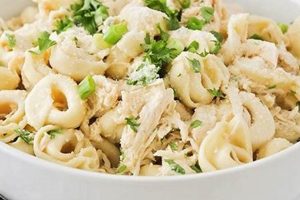
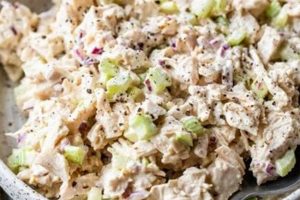
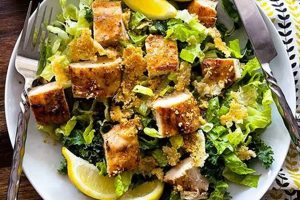
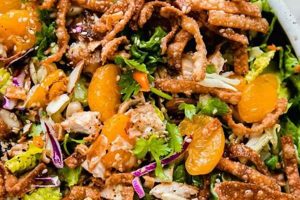
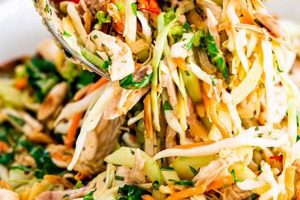
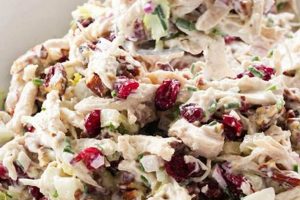
A dish featuring grilled chicken atop a bed of mixed greens and other vegetables, often complemented by a light and flavorful dressing, exemplifies a nutritious and satisfying meal. Variations exist, incorporating diverse ingredients like fruits, nuts, seeds, cheeses, and grains, allowing for customization based on dietary preferences and needs. Recipes emphasizing lean protein, fresh produce, and controlled portions contribute to a balanced diet.
Meals centered around lean protein and fresh vegetables offer numerous health benefits. Such dishes can support weight management, provide essential vitamins and minerals, and contribute to satiety. The versatility of this type of meal allows for adaptability across various cultural contexts and dietary restrictions, making it a valuable component of healthy eating patterns globally. Historically, salads have evolved from simple combinations of greens and herbs to more complex preparations, reflecting changes in culinary practices and access to ingredients. The integration of grilled, lean proteins like chicken enhances the nutritional profile, making it a popular choice for health-conscious individuals.
The following sections will explore specific techniques for grilling chicken to achieve optimal flavor and texture, discuss various salad ingredient combinations to maximize nutritional value and taste, and provide examples of healthy, flavorful dressings to complete the meal.
Tips for Creating a Nutritious and Flavorful Grilled Chicken Salad
Optimizing a chicken salad involves careful consideration of ingredient selection, preparation methods, and portion control. The following tips offer guidance for creating a dish that is both healthy and satisfying.
Tip 1: Marinate the Chicken: Marinades enhance flavor and tenderness. A simple blend of olive oil, lemon juice, herbs, and spices can significantly improve the taste of grilled chicken. Allow the chicken to marinate for at least 30 minutes, or preferably longer, for optimal results.
Tip 2: Grill Chicken to Perfection: Achieve juicy, flavorful chicken by grilling over medium heat until the internal temperature reaches 165F (74C). Avoid overcooking, which can result in dry, tough meat.
Tip 3: Choose Nutrient-Rich Greens: Opt for a base of dark, leafy greens such as spinach, kale, or romaine lettuce. These provide essential vitamins and minerals. Consider adding other vegetables like bell peppers, cucumbers, and carrots for added nutrients and texture.
Tip 4: Incorporate Healthy Fats: Include sources of healthy fats, such as avocados, nuts, or seeds. These contribute to satiety and provide essential fatty acids. Control portion sizes to manage overall calorie intake.
Tip 5: Select a Light and Flavorful Dressing: A simple vinaigrette made with olive oil, vinegar, and herbs offers a healthy and flavorful dressing option. Avoid creamy dressings, which tend to be higher in calories and unhealthy fats. Consider using lemon juice or a small amount of light vinaigrette.
Tip 6: Control Portion Sizes: Manage calorie intake by controlling portion sizes. Focus on a balance of protein, vegetables, and healthy fats. Be mindful of added toppings, such as cheese or croutons, which can contribute extra calories.
By following these guidelines, one can create a delicious and nutritious meal that contributes to a balanced diet and promotes overall well-being. Careful attention to ingredient selection and preparation methods contributes significantly to achieving a satisfying and healthy culinary experience.
The following section will offer specific recipe examples incorporating these principles, allowing for practical application of these tips.
1. Grilled Chicken

Grilled chicken forms the cornerstone of a grilled chicken salad focused on health and nutrition. Its presence significantly impacts the overall nutritional profile, flavor, and textural complexity of the dish. The method of grilling, as opposed to frying or baking, contributes to lower fat content while imparting a distinctive smoky char. This enhances palatability and reduces the need for heavy sauces or dressings, aligning with healthy eating principles. For example, a salad featuring grilled chicken breast provides a substantial source of lean protein, crucial for satiety and muscle maintenance, compared to a salad with fried chicken, which adds significantly more calories and unhealthy fats.
The versatility of grilled chicken allows for diverse flavor profiles. Marinades employing herbs, spices, citrus, and low-sodium ingredients can infuse the chicken with complex tastes without compromising dietary goals. This adaptability allows integration into a wide range of salad styles, from Mediterranean to Asian-inspired. Furthermore, the inclusion of grilled chicken contributes a satisfying textural element, contrasting with the crispness of fresh vegetables and the potential creaminess of additions like avocado. This textural interplay elevates the overall dining experience, making the salad more appealing and enjoyable. Consider the difference between a salad with plain boiled chicken versus grilled chicken; the latter offers a more robust and flavorful experience.
Understanding the role of grilled chicken in a health-conscious salad allows for informed choices regarding preparation and ingredient combinations. While grilling offers inherent health advantages, improper techniques, such as charring the chicken excessively, can introduce potentially harmful compounds. Therefore, controlling cooking temperature and avoiding direct exposure to high flames are crucial for maximizing benefits. Ultimately, the skillful preparation of grilled chicken elevates the salad from a simple combination of ingredients to a nutritionally balanced and flavorful meal. The conscious inclusion of this core component underpins the objective of creating a truly “healthy recipe.”
2. Fresh Greens

Fresh greens constitute a foundational element of a grilled chicken salad designed with health and nutrition in mind. Their inclusion provides a wealth of vitamins, minerals, and dietary fiber, contributing significantly to the overall nutritional value. This contrasts sharply with salads relying on processed or less nutrient-dense ingredients. For instance, a salad featuring spinach or kale offers a substantially greater intake of vitamins A and K compared to one using iceberg lettuce. The choice of greens directly impacts the micronutrient density of the meal, aligning with the objective of a “healthy recipe.” Furthermore, the high water content and fiber in fresh greens contribute to satiety, aiding in portion control and potentially supporting weight management. This inherent characteristic complements the lean protein from grilled chicken, further reinforcing the salad’s role in a balanced diet.
Beyond nutritional value, fresh greens contribute textural and visual appeal. Their crispness offers a refreshing counterpoint to the tender grilled chicken and other potential ingredients. This textural diversity enhances the eating experience, making the salad more palatable and enjoyable. Visually, the vibrant colors of various greens, ranging from deep green spinach to reddish-purple radicchio, create an aesthetically pleasing presentation. This visual appeal can encourage consumption, particularly important when promoting healthy eating habits. Consider the difference between a salad with wilted lettuce versus one with crisp, vibrant greens; the latter is inherently more inviting. The variety of available greens allows for customization based on individual preferences and dietary needs. From peppery arugula to mild butter lettuce, the choice of greens can significantly influence the overall flavor profile of the salad, adding depth and complexity beyond the grilled chicken and other components.
Incorporating fresh greens is not merely about adding volume to a salad; it is a crucial step in creating a genuinely healthy and satisfying meal. Their nutritional contributions, textural and visual appeal, and diverse flavor profiles are essential considerations in any “healthy recipe.” The careful selection and proper handling of these greens, such as washing and storing them correctly to maintain freshness, are critical factors in maximizing their benefits and ensuring a high-quality culinary experience. Overlooking the importance of fresh greens compromises the very essence of a grilled chicken salad designed for health and well-being.
3. Healthy Fats

Healthy fats are an essential component of a truly nutritious and satisfying grilled chicken salad. Their inclusion moves beyond simply adding flavor; they play a crucial role in nutrient absorption, satiety, and overall health benefits. Integrating the right kinds of fats elevates the salad from a simple dish to a balanced and health-conscious meal.
- Enhanced Nutrient Absorption
Certain vitamins, such as A, D, E, and K, are fat-soluble, meaning they require dietary fat for proper absorption. Incorporating healthy fats into a grilled chicken salad ensures the body can effectively utilize these essential nutrients present in the other salad components. For example, adding avocado to a salad containing vitamin K-rich spinach aids in the absorption of this vitamin. Without sufficient healthy fats, the nutritional benefits of these vitamins are significantly diminished, undermining the “healthy” aspect of the recipe.
- Increased Satiety
Healthy fats contribute to feelings of fullness and satisfaction after a meal. This is crucial for managing hunger and preventing overeating. In a grilled chicken salad, the inclusion of healthy fats, such as a handful of almonds or a drizzle of olive oil, helps create a more satisfying meal that sustains energy levels and prevents cravings. This contrasts with salads lacking healthy fats, which can leave one feeling hungry shortly after eating, potentially leading to less healthy food choices later.
- Improved Flavor and Texture
Healthy fats enhance the flavor profile and textural complexity of a grilled chicken salad. They provide a richness and mouthfeel that complements the other ingredients. For example, the creamy texture of avocado or the crunch of walnuts adds another dimension to the salad, making it more enjoyable to consume. This is particularly important in salads focusing on fresh ingredients, as healthy fats can elevate the inherent flavors without relying on excessive salt or sugar.
- Health Benefits Beyond Basic Nutrition
Specific healthy fats, such as those found in olive oil and avocados, offer benefits beyond basic nutrition. They contain monounsaturated and polyunsaturated fatty acids, which have been linked to improved heart health and reduced inflammation. Incorporating these types of fats into a grilled chicken salad contributes to overall well-being, aligning with the objective of a truly “healthy recipe.” This extends beyond simply providing calories and essential nutrients; it contributes to long-term health outcomes.
The strategic inclusion of healthy fats is an integral aspect of a grilled chicken salad designed for optimal nutrition and enjoyment. Understanding their role in nutrient absorption, satiety, flavor enhancement, and overall health benefits underscores their importance. A “healthy recipe” is not simply about avoiding unhealthy ingredients; it’s about actively incorporating components that contribute to well-being. The addition of healthy fats exemplifies this principle, transforming a basic salad into a powerful tool for promoting health and satisfaction. Ignoring this aspect compromises the overall nutritional value and culinary experience.
4. Light Dressing
Light dressings play a pivotal role in the “grilled chicken salad healthy recipe” paradigm. Their impact extends beyond mere flavor enhancement; they significantly influence the overall nutritional profile and align with the health-conscious objectives inherent in such a recipe. Heavy, creamy dressings, often laden with saturated fats, added sugars, and excessive sodium, can negate the nutritional benefits of the core ingredientsgrilled chicken, fresh vegetables, and healthy fats. A light dressing, conversely, complements these components without compromising dietary goals. For instance, a vinaigrette made with olive oil, lemon juice, and herbs provides flavor and essential fatty acids without the excess calories and unhealthy fats found in ranch or blue cheese dressings. This distinction is crucial for maintaining the “healthy” designation of the recipe. The choice of dressing directly impacts the overall calorie count, fat content, and sodium level of the salad. This has practical implications for individuals managing weight, blood pressure, or cholesterol levels.
The function of a light dressing in a grilled chicken salad extends beyond simply avoiding negative nutritional impacts; it actively contributes to the positive attributes of the dish. A well-chosen light dressing can enhance the flavors of the other ingredients, highlighting their natural freshness and complexity. For example, a citrus-based vinaigrette can brighten the flavors of grilled chicken and vegetables, while a balsamic vinaigrette can add a touch of sweetness and tang. This allows for a more satisfying and enjoyable eating experience without relying on unhealthy additives. Furthermore, certain light dressings can contribute additional nutrients. A vinaigrette made with extra virgin olive oil provides antioxidants and healthy fats, further enhancing the nutritional value of the salad. This exemplifies the synergistic potential of a light dressing within a “healthy recipe” framework.
The selection and utilization of a light dressing are integral to the successful execution of a “grilled chicken salad healthy recipe.” It is not merely an afterthought but a crucial component that contributes to both the nutritional value and the overall palatability of the dish. The interplay between the dressing and other ingredients, such as the grilled chicken and vegetables, determines the final outcome. Challenges may arise in balancing flavor intensity with health considerations, necessitating careful ingredient selection and portion control. Ultimately, understanding the crucial role of a light dressing in this context allows for informed choices that optimize both taste and nutritional value, aligning with the fundamental objectives of a healthy and satisfying meal.
5. Nutrient-Rich Vegetables
Nutrient-rich vegetables are essential to a grilled chicken salad designed for health and well-being. Their inclusion provides a wide range of vitamins, minerals, antioxidants, and dietary fiber, contributing significantly to the salad’s nutritional value and aligning with the core principles of a “healthy recipe.” They offer more than just added bulk; they play a crucial role in creating a balanced and nutritious meal.
- Enhanced Nutritional Value
Nutrient-rich vegetables contribute significantly to the overall nutritional density of a grilled chicken salad. Dark leafy greens like spinach and kale provide vitamins A, C, and K, while colorful vegetables like bell peppers and carrots offer vitamins A and C, along with various antioxidants. These micronutrients play vital roles in supporting immune function, maintaining healthy vision, and protecting cells from damage. Incorporating a variety of colorful vegetables ensures a broader spectrum of nutrients, maximizing the health benefits of the salad.
- Increased Fiber Intake
Many nutrient-rich vegetables are excellent sources of dietary fiber, which promotes digestive health, regulates blood sugar levels, and contributes to satiety. Adding vegetables like broccoli, cucumbers, and tomatoes to a grilled chicken salad boosts fiber content, supporting overall well-being and contributing to feelings of fullness, which can aid in weight management. This aligns with the goals of a “healthy recipe” by promoting both nutritional value and portion control.
- Enhanced Flavor and Texture
Nutrient-rich vegetables not only contribute nutritional value but also enhance the flavor and textural profile of the salad. The crispness of cucumbers, the sweetness of bell peppers, and the earthiness of mushrooms add depth and complexity, making the salad more palatable and enjoyable. This variety in taste and texture prevents monotony and encourages consumption, which is crucial for adhering to a healthy eating pattern. The addition of diverse vegetables can transform a simple salad into a culinary experience.
- Versatility and Adaptability
The versatility of nutrient-rich vegetables allows for endless customization and adaptability within a “grilled chicken salad healthy recipe” framework. Seasonal variations, personal preferences, and dietary restrictions can all be accommodated by incorporating different combinations of vegetables. This flexibility ensures that the salad remains interesting and appealing while consistently delivering nutritional benefits. From roasted root vegetables in the winter to fresh, crisp greens in the summer, the options are virtually limitless, ensuring a diverse and satisfying meal year-round.
The inclusion of nutrient-rich vegetables in a grilled chicken salad is paramount for achieving a truly healthy and balanced meal. Their contributions extend beyond simply adding vitamins and minerals; they enhance flavor, texture, and overall satisfaction. A thoughtful selection of vegetables, considering factors like seasonality, nutritional value, and personal preferences, elevates the salad from a basic dish to a nutritionally optimized culinary creation. This attention to detail distinguishes a genuinely “healthy recipe” from a less considered approach.
6. Portion Control
Portion control plays a critical role in the context of a “grilled chicken salad healthy recipe.” While the inherent nutritional value of the ingredientslean protein, fresh vegetables, and healthy fatscontributes significantly to health benefits, managing portion sizes is essential for realizing the full potential of this approach. Calorie control remains a fundamental principle of weight management, and even nutrient-rich foods can contribute to weight gain if consumed in excessive quantities. A grilled chicken salad comprised of generous portions of chicken, avocado, nuts, and cheese, despite the individual healthfulness of these ingredients, can easily exceed recommended calorie targets. This underscores the importance of portion control as a mediating factor in achieving desired health outcomes. For example, a salad containing six ounces of grilled chicken, one cup of mixed greens, half an avocado, a quarter cup of nuts, and two tablespoons of a light vinaigrette represents a balanced and appropriately portioned meal. Doubling these quantities, while still consisting of healthy ingredients, can significantly increase calorie intake and potentially hinder weight management efforts. The interplay between ingredient quality and quantity is crucial for aligning the “grilled chicken salad” with its “healthy recipe” designation.
Practical application of portion control in this context involves mindful assembly of the salad. Pre-portioning ingredients, using measuring cups and a food scale, allows for precise control over quantities. Visual cues can also be helpful; for example, filling half the plate with non-starchy vegetables, a quarter with lean protein, and the remaining quarter with healthy fats and other additions provides a balanced and visually manageable portion. Meal prepping and utilizing smaller plates and bowls can further aid in managing portion sizes. These strategies translate theoretical understanding into actionable steps that support healthy eating patterns. Furthermore, recognizing satiety cues and avoiding distractions during mealtimes allows individuals to consume mindfully, preventing overeating and promoting a greater awareness of portion sizes. The impact of portion control extends beyond weight management. It contributes to balanced blood sugar levels, preventing energy spikes and crashes, and supports optimal digestion, preventing discomfort associated with overconsumption.
In conclusion, portion control is an indispensable element of a “grilled chicken salad healthy recipe.” It acts as a bridge between the nutritional value of individual ingredients and the realization of desired health outcomes. Understanding the cause-and-effect relationship between portion sizes and overall calorie intake, coupled with practical strategies for managing portions, empowers individuals to leverage the inherent health benefits of a grilled chicken salad effectively. Neglecting portion control, regardless of the nutritional quality of the ingredients, compromises the “healthy” aspect of the recipe and can hinder progress toward health and wellness goals. This emphasizes the integrated nature of a “healthy recipe,” where both ingredient selection and portion management play essential roles.
7. Flavorful Herbs & Spices
Flavorful herbs and spices hold a significant position within the “grilled chicken salad healthy recipe” framework. Their inclusion offers a multifaceted approach to enhancing palatability while aligning with health-conscious objectives. They provide a robust alternative to excessive salt, sugar, and unhealthy fats often employed to boost flavor in less health-focused recipes. Herbs and spices contribute depth and complexity to the flavor profile of the salad, transforming potentially bland ingredients into a culinary experience. For example, a simple grilled chicken salad can be elevated by the addition of oregano, basil, and garlic, creating a Mediterranean-inspired flavor profile. Similarly, cumin, coriander, and chili powder can transform the salad into a vibrant Southwestern-inspired dish. This versatility allows for customization based on individual preferences and dietary traditions, demonstrating the practical significance of incorporating herbs and spices. Furthermore, specific herbs and spices offer potential health benefits beyond flavor enhancement. Turmeric, known for its anti-inflammatory properties, or ginger, often used to aid digestion, can contribute to overall well-being when incorporated into the salad. This underscores the synergistic relationship between flavor and health within a “healthy recipe” context.
The application of herbs and spices in a grilled chicken salad extends beyond simply sprinkling them onto the finished dish. Integrating them into the marinade for the chicken allows for deeper flavor penetration and enhances the overall taste experience. Dry rubs, combining herbs and spices, can create a flavorful crust on the grilled chicken, adding textural complexity. Incorporating fresh herbs into the salad dressing adds another layer of flavor and aroma. These diverse applications demonstrate the versatility and potential of herbs and spices to elevate the salad from a simple combination of ingredients to a more sophisticated and satisfying meal. For instance, marinating the chicken in a mixture of lemon juice, garlic, and rosemary infuses the meat with flavor, reducing the need for excessive dressing. Adding chopped fresh cilantro and mint to the salad itself provides a burst of freshness and complements the other flavors. These practical applications underscore the importance of understanding how herbs and spices interact with the other components of the salad.
In conclusion, flavorful herbs and spices are essential components of a “grilled chicken salad healthy recipe.” They contribute significantly to palatability, offer potential health benefits, and provide a versatile approach to flavor enhancement. Their strategic use allows for a reduction in less healthy flavor enhancers like salt and unhealthy fats, aligning with the overall health-conscious objective. The practical application of herbs and spices in marinades, dry rubs, and dressings demonstrates their multifaceted role in creating a truly delicious and nutritious meal. Challenges may arise in balancing flavor profiles and ensuring appropriate combinations, highlighting the need for culinary knowledge and experimentation. Ultimately, understanding the integral role of flavorful herbs and spices in this context distinguishes a thoughtfully crafted “healthy recipe” from a less nuanced approach.
Frequently Asked Questions
This section addresses common inquiries regarding the creation of a healthy and flavorful grilled chicken salad.
Question 1: How can calorie intake be effectively managed in a grilled chicken salad?
Calorie management involves careful portion control of all ingredients, especially higher-calorie items like chicken, avocado, and nuts. Using a food scale and measuring cups can provide accurate portioning. Prioritizing nutrient-dense, lower-calorie ingredients like vegetables helps maintain a balanced calorie intake while providing essential vitamins and minerals.
Question 2: What are suitable alternatives to traditional high-calorie salad dressings?
Vinaigrettes made with olive oil, vinegar, and herbs or lemon juice offer a lighter alternative to creamy dressings. These options provide flavor without excessive calories and unhealthy fats. Portion control of even light dressings remains important for overall calorie management.
Question 3: Can grilled chicken be prepared in advance for convenient meal preparation?
Grilling chicken ahead of time, storing it properly in the refrigerator, allows for efficient meal assembly. This facilitates incorporating grilled chicken into salads throughout the week, supporting consistent adherence to healthy eating plans.
Question 4: What strategies can maximize the nutritional value of a grilled chicken salad?
Maximize nutritional value by incorporating a variety of colorful vegetables, focusing on dark leafy greens, and including sources of healthy fats like avocados and nuts. These choices provide a wide spectrum of vitamins, minerals, antioxidants, and healthy fats.
Question 5: Are there effective methods for enhancing flavor without compromising health objectives?
Flavor can be enhanced by utilizing herbs, spices, citrus, and low-sodium marinades. These options minimize reliance on excessive salt, sugar, and unhealthy fats while adding depth and complexity to the flavor profile.
Question 6: How can one maintain the freshness and crispness of salad ingredients?
Storing greens and vegetables separately from other ingredients helps maintain their freshness. Proper refrigeration and airtight containers are essential. Washing and drying ingredients thoroughly before storage further contributes to optimal crispness and longevity.
Careful consideration of these elements contributes to a truly healthy and flavorful grilled chicken salad. Understanding portion control, ingredient selection, and preparation methods allows for successful integration of this dish into a health-conscious dietary pattern.
The following section will offer specific recipe variations incorporating these principles.
Conclusion
Exploration of the “grilled chicken salad healthy recipe” concept reveals the multifaceted nature of creating a dish that balances nutritional value with culinary appeal. Careful consideration of core componentsgrilled chicken, fresh greens, healthy fats, light dressings, nutrient-rich vegetables, portion control, and flavorful herbs and spicesis essential for optimizing both health benefits and palatability. Emphasis on lean protein sources, fresh produce, and mindful portion management underscores the potential of this dish within a balanced dietary framework. Strategic use of herbs, spices, and light dressings maximizes flavor complexity while minimizing reliance on less healthy additives.
Achieving a truly healthy and flavorful grilled chicken salad requires an integrated approach, recognizing the synergistic relationship between ingredient selection, preparation methods, and portion awareness. Culinary choices regarding these elements directly impact nutritional outcomes and overall well-being. Further exploration of individual dietary needs and preferences allows for customization and adaptation of the “grilled chicken salad healthy recipe” concept, ensuring a sustainable and enjoyable approach to healthy eating.