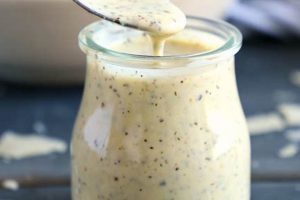
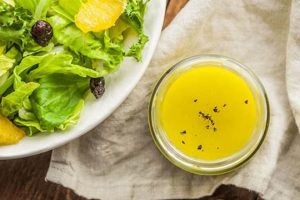
A blend of emulsifying ingredients, seasonings, and flavorings creates the foundation for the creamy, tangy coating that defines macaroni salad. This mixture typically includes a base of mayonnaise, often combined with vinegar or lemon juice for sharpness. Additions such as mustard, sugar, salt, pepper, and herbs contribute complexity and balance. Variations can incorporate sour cream, yogurt, or buttermilk for textural and flavor nuances. For example, a classic preparation might involve whisking together mayonnaise, apple cider vinegar, celery seed, onion powder, salt, and pepper.
The right dressing elevates macaroni salad beyond simply cooked pasta and chopped vegetables. It provides the unifying element that binds ingredients, infusing them with a cohesive flavor profile. A well-executed dressing contributes not only taste but also desirable textural qualities, ensuring the salad remains moist and appealing. Historically, these dressings emerged as a way to enhance relatively bland ingredients, transforming them into palatable and enjoyable dishes. The evolution of these recipes reflects changing tastes and ingredient availability, leading to diverse regional and cultural variations.
This exploration will delve further into the nuances of creating exceptional dressings for macaroni salad, examining key components, popular variations, and techniques for achieving optimal flavor and consistency.
Tips for Crafting Exceptional Macaroni Salad Dressing
Achieving a well-balanced and flavorful macaroni salad hinges on the quality of its dressing. These tips offer guidance for creating a dressing that complements the other ingredients and elevates the overall dish.
Tip 1: Balance Tanginess and Sweetness: A harmonious blend of acidity and sweetness is crucial. Taste and adjust the proportions of vinegar or lemon juice and sugar to achieve the desired balance. A touch of Dijon mustard can also contribute to complexity.
Tip 2: Embrace Fresh Herbs: Freshly chopped herbs such as chives, parsley, or dill add brightness and depth of flavor. Incorporate them towards the end of the preparation to preserve their vibrancy.
Tip 2: Consider Textural Nuances: The dressing’s consistency impacts the overall salad experience. A thicker dressing, achieved with more mayonnaise or the addition of sour cream, clings well to the pasta. A thinner dressing, using more vinegar or buttermilk, creates a lighter, more refreshing salad.
Tip 4: Seasoning is Key: Salt and freshly ground black pepper are essential for enhancing the other flavors. Start with a small amount and adjust to taste. Other spices, such as celery seed, paprika, or onion powder, can add complexity.
Tip 5: Make it Ahead: Allowing the dressing to chill for at least 30 minutes before combining it with the other ingredients allows the flavors to meld. This also helps the dressing thicken slightly.
Tip 6: Taste and Adjust: Before adding the dressing to the salad, taste and adjust the seasoning as needed. This final check ensures a perfectly balanced flavor profile.
Tip 7: Customize to Preference: These guidelines offer a starting point, but experimentation is encouraged. Personalize the dressing by incorporating preferred ingredients or adjusting ratios to suit individual tastes.
By following these tips, one can create a macaroni salad dressing that elevates the dish to new heights, offering a delightful balance of flavors and textures.
This exploration of dressing preparation provides a foundation for crafting exceptional macaroni salad. The following sections will delve into specific variations and ingredient combinations.
1. Base (mayonnaise, yogurt)
The base of a macaroni salad dressing provides the foundation for its texture, flavor, and overall character. Selecting the appropriate base is crucial for achieving the desired balance and richness. This section explores the role of mayonnaise and yogurt as foundational elements in macaroni salad dressings.
- Mayonnaise: The Classic Choice
Mayonnaise, an emulsion of oil, egg yolks, and vinegar or lemon juice, offers a rich, creamy texture and a subtly tangy flavor. Its high fat content contributes to a luxurious mouthfeel and helps coat the pasta evenly. Variations exist, such as using olive oil mayonnaise for a more pronounced flavor or incorporating flavored mayonnaises like chipotle or roasted garlic for added complexity. In the context of macaroni salad, mayonnaise serves as a reliable and versatile base, providing a blank canvas for other flavors to shine.
- Yogurt: A Lighter Alternative
Yogurt provides a tangier, lighter alternative to mayonnaise. Greek yogurt, with its thicker consistency and higher protein content, works particularly well. Using yogurt as a base results in a salad that feels less heavy and offers a brighter flavor profile. This option aligns with contemporary preferences for healthier alternatives without sacrificing flavor or texture. When using yogurt, consider adjusting the other ingredients, as its tanginess might require a slight reduction in vinegar or lemon juice.
- Combining Mayonnaise and Yogurt
Combining mayonnaise and yogurt offers the best of both worlds. This approach allows for a balance of richness and tanginess, creating a dressing that is both flavorful and lighter than mayonnaise alone. The ratio of mayonnaise to yogurt can be adjusted to achieve the desired texture and flavor profile. This blending technique provides versatility and caters to a wider range of preferences.
- Vegan Alternatives
Vegan mayonnaise, typically made from plant-based oils and emulsifiers, offers a suitable substitute for traditional mayonnaise. Similarly, vegan yogurt provides a comparable base option for those seeking plant-based alternatives. These options ensure that individuals with dietary restrictions can still enjoy a flavorful and satisfying macaroni salad. When using vegan alternatives, consider the specific brand and its flavor profile, as variations can exist.
The choice of base significantly influences the final character of the macaroni salad dressing. Careful consideration of the desired texture, flavor profile, and dietary needs will guide the selection process, ultimately contributing to a well-balanced and enjoyable dish.
2. Acid (vinegar, lemon juice)

Acidity plays a crucial role in macaroni salad dressing, providing balance, brightness, and a depth of flavor that complements the richness of the base and other ingredients. The judicious use of acidic components like vinegar or lemon juice elevates the dressing beyond simple creaminess, adding a necessary layer of complexity. This exploration delves into the various facets of incorporating acidity into macaroni salad dressing.
- Balancing Richness
The primary function of acid in macaroni salad dressing is to counterbalance the richness of the base, typically mayonnaise or a combination of mayonnaise and yogurt. Without this acidic element, the dressing can feel heavy and overly rich. The sharpness of vinegar or the brightness of lemon juice cuts through the fat, creating a more balanced and palatable flavor profile. This balance is essential for a pleasant and refreshing culinary experience.
- Flavor Enhancement
Beyond balancing richness, acidity enhances the overall flavor profile of the dressing. Different types of vinegar, such as apple cider vinegar, white wine vinegar, or red wine vinegar, each impart unique flavor nuances. Lemon juice offers a citrusy brightness that can be particularly appealing in summer salads. The selected acid interacts with the other ingredients, creating a more complex and nuanced taste experience. This interplay of flavors contributes significantly to the overall enjoyment of the dish.
- Preservation and Food Safety
Historically, vinegar played a significant role in food preservation. While modern refrigeration minimizes this need in macaroni salad, the acidic environment created by vinegar or lemon juice still contributes to inhibiting bacterial growth, enhancing food safety. This added layer of protection is particularly important for salads served at picnics or outdoor gatherings where temperature control might be less consistent.
- Textural Influence
The addition of acidic ingredients can subtly influence the texture of the macaroni salad dressing. Vinegar, in particular, can contribute to a slightly thinner consistency, while lemon juice can add a touch of brightness and lightness. The specific type and amount of acid used will impact the final texture, allowing for customization based on desired outcomes. This subtle influence provides another layer of control in achieving the perfect dressing consistency.
The careful incorporation of acid is essential for a well-balanced and flavorful macaroni salad dressing. Understanding the multifaceted role of vinegar and lemon juice, from balancing richness to enhancing flavor and contributing to food safety, allows for informed decision-making in crafting a dressing that elevates the entire dish.
3. Sweetener (sugar, honey)
Sweeteners, though often subtle, play a vital role in macaroni salad dressing recipes. Their presence is not necessarily to create a distinctly sweet flavor, but rather to balance the other components, particularly the acidity and tanginess from vinegar or lemon juice. This delicate balancing act contributes to the overall complexity and palatability of the final dish. The following facets explore the nuances of sweetener integration in macaroni salad dressings.
- Balancing Acidity
The primary function of a sweetener in macaroni salad dressing is to temper the sharpness of the acidic components. Vinegar or lemon juice, while essential for brightness and balance, can be overly tart without a counterpoint. Sugar or honey, used judiciously, rounds out the flavor profile, preventing the acidity from dominating. This balancing act creates a more harmonious and palatable dressing.
- Flavor Enhancement and Complexity
Beyond simple balancing, sweeteners contribute to the overall complexity of the dressing’s flavor. Different sweeteners offer unique nuances. Granulated sugar provides a clean, neutral sweetness, while honey introduces subtle floral or caramel notes depending on the variety. These subtle flavor additions create a more nuanced and interesting taste experience, enhancing the overall enjoyment of the salad.
- Texture and Mouthfeel
Sweeteners can subtly influence the texture and mouthfeel of the dressing. Sugar, in particular, can contribute to a slightly thicker consistency. Honey, due to its viscosity, can add a subtle richness and a more pronounced mouthfeel. These textural nuances, while often subtle, play a role in the overall sensory experience of the salad.
- Customization and Preference
The type and amount of sweetener used can be adjusted to suit individual preferences and the overall flavor profile of the salad. Some recipes call for a touch of maple syrup or agave nectar for unique flavor profiles. Experimentation with different sweeteners allows for customization and the creation of unique variations on the classic macaroni salad dressing.
The inclusion of sweeteners in macaroni salad dressing is a nuanced but essential aspect of recipe development. Understanding their role in balancing acidity, enhancing flavor complexity, and influencing texture provides a foundation for crafting dressings that are both balanced and delicious. The careful consideration of sweetener choice and quantity contributes significantly to the overall success of the final dish.
4. Seasoning (salt, pepper, herbs)

Seasoning represents a crucial element within a macaroni salad dressing recipe, elevating it from simply palatable to truly exceptional. The careful application of salt, pepper, and herbs provides depth, complexity, and balance, transforming the dressing into a cohesive and flavorful component of the dish. The following facets explore the nuances of seasoning in macaroni salad dressing formulation.
- Salt: The Foundation of Flavor
Salt serves as the foundational seasoning element, enhancing the inherent flavors of the other ingredients. It amplifies the richness of the base, balances the acidity, and allows the subtler notes of the herbs and spices to shine. The correct amount of salt is crucial; too little results in a bland dressing, while too much overwhelms the other flavors. Kosher salt, with its larger crystals, offers greater control during the seasoning process.
- Pepper: Adding Depth and Complexity
Black pepper introduces depth and complexity to the dressing. Freshly ground black pepper provides a more robust and aromatic flavor compared to pre-ground pepper. The type of pepper used can also influence the flavor profile; white pepper offers a milder heat, while black peppercorns contribute a more pungent, slightly spicy note. The amount of pepper should complement the other seasonings and the overall flavor profile of the salad.
- Herbs: Elevating Freshness and Aroma
Fresh herbs provide brightness, freshness, and aromatic complexity to macaroni salad dressing. Common choices include chives, parsley, dill, and tarragon. Each herb offers a unique flavor profile, from the delicate oniony flavor of chives to the slightly anise-like notes of tarragon. The selection of herbs should complement the other ingredients in the salad and the overall desired flavor profile. Fresh herbs are generally preferred over dried herbs for their vibrant flavor and aroma.
- Spice Integration: Expanding the Flavor Palette
While not strictly herbs, spices such as celery seed, paprika, onion powder, and garlic powder can further enhance the flavor profile of the dressing. Celery seed provides a classic macaroni salad flavor, while paprika adds a touch of smokiness. Onion and garlic powder contribute savory depth. The careful integration of spices allows for customization and the creation of unique flavor profiles.
The strategic use of salt, pepper, and herbs is integral to crafting a well-balanced and flavorful macaroni salad dressing. These seasonings, when used in harmony, elevate the dish beyond the sum of its parts, creating a cohesive and enjoyable culinary experience. The careful consideration of seasoning choices and quantities allows for a tailored flavor profile that complements the other ingredients and satisfies individual preferences.
5. Texture (creamy, tangy)

Texture plays a critical role in the overall sensory experience of macaroni salad. The interplay of creamy and tangy elements in the dressing significantly influences the final dish’s palatability and enjoyment. Achieving the desired textural balance requires careful consideration of ingredient ratios and preparation techniques. This exploration delves into the key facets contributing to the textural profile of macaroni salad dressing.
- Creaminess: The Foundation of Texture
Creaminess provides the foundational textural element in macaroni salad dressing. This quality is primarily derived from the base ingredient, typically mayonnaise, or a combination of mayonnaise and yogurt. The emulsion of oil and egg yolks in mayonnaise creates a smooth, rich mouthfeel that coats the pasta and other ingredients. The proportion of mayonnaise directly influences the final creaminess of the dressing; higher ratios yield a richer, more luxurious texture.
- Tanginess: A Balancing Counterpoint
Tanginess serves as a crucial counterpoint to the richness of the creamy base. This element is introduced through acidic components such as vinegar or lemon juice. The tangy notes cut through the richness of the mayonnaise, preventing the dressing from feeling heavy or cloying. The balance between creaminess and tanginess is essential for a pleasant and refreshing sensory experience.
- Ingredient Influence: Contributing Factors
Beyond the base and acidic components, other ingredients can influence the final texture. The addition of mustard, for example, can contribute a subtle creaminess and a slight tang. Incorporating ingredients like sour cream or buttermilk can further enhance the creamy texture, while increasing the proportion of vinegar results in a tangier, thinner dressing. Understanding the textural contributions of each ingredient allows for precise control over the final product.
- Emulsification and Incorporation: Achieving Consistency
Proper emulsification of the dressing is crucial for a smooth and consistent texture. Thorough whisking or blending ensures that the oil, acid, and other ingredients are fully incorporated, preventing separation and creating a homogenous mixture. The method of incorporation also influences the final texture; hand-whisking generally yields a slightly thicker dressing compared to blending. Additionally, the temperature of the ingredients can affect emulsification and stability.
The interplay of creamy and tangy elements, influenced by ingredient choices and preparation techniques, defines the textural profile of macaroni salad dressing. Achieving the desired balance is essential for creating a dish that is not only flavorful but also enjoyable in terms of mouthfeel and overall sensory experience. The careful consideration of these textural nuances elevates macaroni salad from a simple side dish to a culinary creation that satisfies on multiple levels.
Frequently Asked Questions
This section addresses common inquiries regarding the preparation and utilization of macaroni salad dressings.
Question 1: What is the ideal ratio of mayonnaise to vinegar in a classic macaroni salad dressing?
While ratios vary based on preference, a common starting point is one cup of mayonnaise to two tablespoons of vinegar. Adjustments can be made to achieve the desired balance of richness and tanginess.
Question 2: Can alternative oils be used in homemade mayonnaise for the dressing?
Substituting oils like olive oil or avocado oil can impart distinct flavors to the mayonnaise. However, these oils can sometimes create a slightly less stable emulsion compared to traditional vegetable oil.
Question 3: How can one prevent macaroni salad dressing from becoming too watery?
Ensuring all ingredients are at a similar cool temperature aids emulsification and prevents a watery consistency. Adding a small amount of Dijon mustard can also help stabilize the dressing.
Question 4: What are suitable alternatives to sugar in macaroni salad dressing?
Honey, maple syrup, or agave nectar offer alternatives to granulated sugar, each contributing unique flavor nuances. Adjustments to quantity may be necessary depending on the sweetener’s intensity.
Question 5: How long can macaroni salad with dressing be stored safely?
Macaroni salad, when properly refrigerated in an airtight container, typically remains safe to consume for three to five days. Observe for any signs of spoilage before consumption.
Question 6: Can macaroni salad dressing be made ahead of time?
Preparing the dressing in advance allows the flavors to meld. Store the dressing separately in an airtight container in the refrigerator for up to two days before combining it with the salad ingredients.
Understanding these common points of inquiry can contribute significantly to successful macaroni salad dressing preparation and enjoyment. Careful consideration of ingredient selection, ratios, and storage practices ensures a flavorful and satisfying culinary experience.
The following section will explore various recipe variations for macaroni salad dressing.
Macaroni Salad Dressing Recipe
Exploration of macaroni salad dressing formulation reveals a nuanced interplay of ingredients, each contributing specific characteristics to the final product. Base selections, ranging from classic mayonnaise to lighter yogurt alternatives, establish the foundational texture and flavor profile. Acidic components, such as vinegar and lemon juice, provide essential balance and brightness, while sweeteners temper sharpness and enhance complexity. Seasoning, encompassing salt, pepper, and an array of herbs and spices, adds depth and dimension. Achieving the desired textural balance, a harmonious blend of creamy and tangy elements, relies on careful ingredient selection and meticulous preparation techniques. Understanding these fundamental components empowers culinary exploration and customization.
Mastery of macaroni salad dressing preparation extends beyond simply following a recipe; it involves a deep understanding of ingredient interactions and their impact on the final sensory experience. This knowledge allows for adaptation and innovation, enabling the creation of dressings tailored to individual preferences and culinary contexts. Continued exploration of flavor profiles and ingredient combinations promises an evolving landscape of macaroni salad dressing possibilities, enriching culinary traditions and inspiring future gastronomic endeavors.