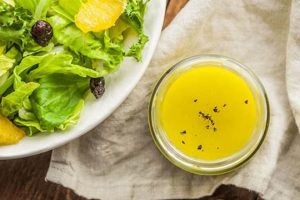
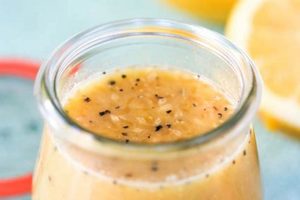
A blend of honey, balsamic vinegar, and other ingredients like oil, Dijon mustard, garlic, and herbs creates a tangy, sweet, and savory emulsion used to enhance the flavor of salads. A typical preparation involves whisking together the honey and balsamic vinegar, then slowly drizzling in oil while continuing to whisk to create a smooth, emulsified dressing. Variations can include additions such as minced shallots, crushed garlic, fresh or dried herbs, and spices.
This type of dressing offers versatility, complementing a wide array of salad ingredients, from leafy greens and vegetables to fruits and cheeses. The balance of sweet and acidic notes provides a complex flavor profile that elevates simple salads, while its emulsified nature allows it to coat ingredients evenly for optimal flavor distribution. Historically, both honey and balsamic vinegar have been prized for their culinary and medicinal properties, and their combination in dressings reflects a long-standing appreciation for their complementary flavors.
Further exploration of this topic will cover specific ingredient ratios, variations for different palates, techniques for achieving perfect emulsification, and suitable salad pairings to maximize the enjoyment of this classic dressing.
Tips for Crafting the Perfect Honey Balsamic Vinaigrette
Creating a well-balanced and flavorful vinaigrette requires attention to detail and an understanding of the interplay between ingredients. The following tips offer guidance for achieving optimal results.
Tip 1: Quality Ingredients Matter: The foundation of a superior dressing lies in the quality of its components. Opt for pure honey, preferably a varietal with distinct flavor notes, and a high-quality balsamic vinegar, aged for a richer flavor profile. Extra virgin olive oil is recommended for its robust flavor and health benefits.
Tip 2: Balance is Key: The ratio of honey to balsamic vinegar dictates the dressing’s sweetness and acidity. A 1:1 ratio provides a balanced profile, while adjusting the proportions allows customization based on personal preference.
Tip 3: Emulsification Technique: Proper emulsification prevents the dressing from separating and ensures even coating of salad ingredients. Slowly whisking in the oil while continuously whisking the honey and vinegar mixture creates a stable emulsion.
Tip 4: Flavor Enhancements: Freshly minced garlic, Dijon mustard, and finely chopped shallots contribute complexity and depth. Dried or fresh herbs, such as thyme, rosemary, or oregano, can also be incorporated.
Tip 5: Seasoning Adjustments: Seasoning with salt and freshly ground black pepper is essential. Taste and adjust seasonings after emulsification, as the flavors meld and develop.
Tip 6: Storage: Store leftover dressing in an airtight container in the refrigerator for up to one week. Shake well before serving, as some separation may occur during storage.
Tip 7: Experimentation Encouraged: While these guidelines provide a solid starting point, experimentation is key. Explore variations by incorporating different herbs, spices, or citrus zest to create unique flavor profiles.
By following these guidelines, one can consistently create a delicious and versatile dressing that elevates any salad.
These techniques provide a foundation for crafting a honey balsamic vinaigrette tailored to individual preferences, leading to a more enjoyable culinary experience.
1. High-quality Ingredients

The success of a honey balsamic salad dressing hinges directly on the quality of its constituent ingredients. Superior components contribute not only to enhanced flavor but also to a more desirable texture and overall sensory experience. Utilizing premium ingredients elevates the final product from a simple condiment to a culinary highlight.
- Honey
Honey provides the sweetness that balances the balsamic vinegar’s acidity. Rather than generic, commercially produced honey, consider varietal honeys, such as clover, wildflower, or buckwheat, which offer distinct flavor profiles and nuanced sweetness levels. These complexities enhance the overall depth of the dressing.
- Balsamic Vinegar
Authentic balsamic vinegar, aged for years in wooden barrels, possesses a concentrated sweetness and complex acidity far superior to inexpensive imitations. The depth of flavor achieved with a true balsamic contributes significantly to the dressing’s overall balance and complexity. While less expensive options exist, investing in quality balsamic vinegar yields a noticeable difference in the final product.
- Oil
Extra virgin olive oil, with its fruity notes and peppery finish, typically serves as the foundation of the emulsion. Opting for a high-quality, cold-pressed extra virgin olive oil introduces subtle flavor nuances and contributes to a smoother, more palatable dressing. The oil’s quality significantly impacts the dressing’s mouthfeel and overall taste.
- Additional Ingredients
Beyond the core components, additional ingredients such as Dijon mustard, fresh garlic, and herbs play a crucial role in flavor development. Using fresh, high-quality herbs and spices, as opposed to dried or pre-processed versions, intensifies their aromatic contributions and elevates the overall sensory experience.
The careful selection of these high-quality ingredients ensures a harmonious blend of flavors and textures, transforming a basic honey balsamic vinaigrette into a truly exceptional culinary creation. The investment in superior components ultimately translates to a more rewarding and satisfying dining experience.
2. Precise Honey-Balsamic Ratio
The honey-to-balsamic vinegar ratio represents a critical factor in a honey balsamic salad dressing recipe. This balance dictates the overall flavor profile, influencing the perceived sweetness, tartness, and complexity of the final product. Achieving the desired balance depends on individual preferences and the intended application of the dressing.
- 1:1 Ratio – The Balanced Foundation
A 1:1 ratio of honey to balsamic vinegar provides a balanced flavor profile, allowing both the sweetness of the honey and the tartness of the balsamic to shine through equally. This ratio offers versatility, suitable for a wide range of salads featuring both mild and robust ingredients. It serves as an excellent starting point for those unfamiliar with the interplay of these two key components.
- Higher Honey Ratio – Enhanced Sweetness
Increasing the proportion of honey relative to balsamic vinegar results in a sweeter dressing. This approach complements salads incorporating bitter greens, tart fruits, or strong cheeses. A higher honey ratio might also be preferred for those who favor a sweeter flavor profile in their dressings.
- Higher Balsamic Ratio – Increased Tartness
Conversely, a higher proportion of balsamic vinegar compared to honey leads to a more tart and tangy dressing. This accentuates the acidic notes of the balsamic, making it a suitable pairing for salads featuring richer ingredients like roasted vegetables, grilled meats, or creamy cheeses. The increased tartness can also cut through the fattiness of certain ingredients, providing a refreshing counterpoint.
- Flavor Profile Adjustments Based on Balsamic Age
The age and quality of the balsamic vinegar also influence the optimal honey-to-balsamic ratio. Older, more concentrated balsamic vinegars possess a more intense sweetness and complexity, potentially requiring less honey to achieve balance. Conversely, younger balsamic vinegars might necessitate a higher honey ratio to temper their sharper acidity. Careful consideration of the balsamic’s characteristics allows for precise tailoring of the dressing’s flavor profile.
Careful manipulation of the honey-balsamic ratio allows for a tailored flavor experience, enhancing the overall enjoyment of the salad. Experimentation with different ratios is encouraged to discover a preferred balance that complements individual palates and specific salad compositions. Understanding this interplay ultimately unlocks the full potential of the honey balsamic salad dressing.
3. Effective Emulsification

Effective emulsification is crucial for creating a successful honey balsamic salad dressing. It transforms individual ingredients oil, vinegar, and honey into a cohesive, stable mixture. This process not only improves the dressing’s texture and appearance but also enhances its flavor delivery and ability to coat salad ingredients evenly. Without proper emulsification, the dressing will separate, resulting in an oily, unbalanced experience.
- The Science of Emulsification
Emulsification involves dispersing one liquid (the dispersed phase, in this case, oil) into another liquid (the continuous phase, the vinegar-honey mixture) with which it is immiscible. This is achieved by creating small droplets of oil suspended within the vinegar-honey mixture. These droplets remain dispersed due to the presence of an emulsifying agent, which reduces surface tension between the two liquids, preventing them from coalescing back into separate layers.
- Honey and Mustard as Emulsifiers
While not a strong emulsifier on its own, honey contributes to the emulsification process due to its viscosity and natural sugars. These components help to stabilize the emulsion to a certain degree. Often, another emulsifying agent, such as Dijon mustard, is added to enhance the dressing’s stability. Mustard contains lecithin, a natural emulsifier that further aids in binding the oil and vinegar-honey mixture, creating a more durable and homogenous dressing.
- The Whisking Technique
The physical act of whisking vigorously plays a key role in effective emulsification. Whisking creates shear forces that break down the oil into smaller droplets. Simultaneously, it incorporates air into the mixture, further contributing to the emulsion’s stability. The continuous, rapid whisking action is essential for ensuring the even distribution of oil throughout the vinegar-honey base, creating a smooth, creamy texture.
- Indicators of Successful Emulsification
A properly emulsified honey balsamic dressing exhibits a smooth, creamy consistency and a uniform appearance. The oil will be fully incorporated into the vinegar-honey mixture, with no visible separation. The dressing will coat the back of a spoon, indicating its ability to adhere to salad ingredients effectively. This cohesive texture ensures an even distribution of flavor and prevents the salad from becoming overly oily or watery.
Achieving a stable and homogenous emulsion is paramount to crafting a high-quality honey balsamic salad dressing. The combination of appropriate emulsifying agents and the correct whisking technique ensures the dressings appealing texture, balanced flavor delivery, and ability to cling to salad ingredients. A well-emulsified dressing elevates the entire salad experience, showcasing the harmonious blend of honey, balsamic vinegar, and other complementary flavors.
4. Complementary Flavor Pairings

The versatility of honey balsamic salad dressing allows it to complement a wide range of flavors. Strategic pairing of the dressing with specific ingredients elevates the overall sensory experience, creating a harmonious balance of sweet, savory, acidic, and textural elements. Understanding these complementary flavor pairings is crucial for maximizing the dressing’s potential and crafting a truly exceptional salad.
- Fruits and Nuts
The sweetness of honey balsamic vinaigrette pairs well with the natural sugars in fruits like strawberries, blueberries, and pears. The dressing’s acidity also provides a refreshing counterpoint to the fruit’s sweetness. Incorporating nuts, such as walnuts, pecans, or almonds, adds a textural contrast and complementary earthy flavors, further enhancing the salad’s complexity. The combination of sweet fruit, crunchy nuts, and tangy dressing creates a multi-dimensional flavor profile.
- Cheeses
Strong cheeses, like goat cheese, feta, or gorgonzola, provide a pungent counterpoint to the sweetness and acidity of the dressing. The creamy texture of these cheeses also complements the vinaigrette’s smooth consistency. Milder cheeses, like mozzarella or burrata, offer a softer contrast while still providing a pleasant textural variation. The interplay of flavors and textures between the cheese and dressing creates a balanced and satisfying experience.
- Vegetables
Roasted vegetables, such as Brussels sprouts, sweet potatoes, or carrots, develop caramelized flavors that pair beautifully with honey balsamic vinaigrette. The dressing’s acidity cuts through the richness of the roasted vegetables, creating a balanced and flavorful combination. Fresh vegetables, like spinach, kale, or arugula, also benefit from the dressing’s sweetness and acidity, which enhance their natural flavors and provide a refreshing element. The versatility of the dressing allows it to complement both cooked and raw vegetables.
- Proteins
Grilled chicken or fish provide a savory element that complements the dressing’s sweet and tangy notes. The dressing adds moisture and flavor to the protein, enhancing its overall appeal. The combination of protein and dressing creates a complete and satisfying meal. Plant-based proteins, such as chickpeas or tofu, also pair well with the dressing, offering a lighter yet equally flavorful option. The adaptability of honey balsamic vinaigrette allows it to enhance a variety of protein choices.
By carefully considering these complementary flavor pairings, one can elevate the honey balsamic salad dressing from a simple condiment to a key component of a well-balanced and flavorful dish. The interplay of contrasting flavors and textures creates a synergistic effect, resulting in a more satisfying and enjoyable culinary experience.
5. Appropriate Seasoning

Appropriate seasoning is fundamental to a successful honey balsamic salad dressing recipe. It enhances the inherent sweetness of the honey and the tartness of the balsamic vinegar, creating a balanced and complex flavor profile. Salt, primarily, acts to heighten the perceived sweetness while simultaneously tempering the acidity. This balancing act is crucial for preventing the dressing from tasting overly sweet or excessively tart. Furthermore, salt enhances the other flavors present in the dressing, allowing nuances from ingredients like garlic, herbs, or spices to become more pronounced. Without appropriate seasoning, these subtle flavors might be lost, resulting in a less dynamic and interesting dressing.
Consider a honey balsamic vinaigrette featuring fresh thyme and minced shallots. Without sufficient salt, the sweetness of the honey might dominate, masking the herbal notes of the thyme and the subtle sharpness of the shallots. However, with the proper amount of salt, the sweetness is balanced, and the other flavors are allowed to emerge, creating a more nuanced and enjoyable taste experience. The interplay between salt and the other ingredients highlights the importance of seasoning as a critical component of the recipe’s success. Over-salting, conversely, can obscure the delicate balance of flavors, making the dressing unpalatable. Therefore, a judicious approach to seasoning, coupled with careful tasting and adjustment, is essential.
Mastering the art of appropriate seasoning is essential for achieving a well-balanced and flavorful honey balsamic salad dressing. It’s not merely about adding salt; it’s about understanding the interplay of flavors and how seasoning can elevate each component. This understanding allows for a more nuanced and satisfying culinary outcome, transforming a simple vinaigrette into a truly exceptional element of the meal. The impact of proper seasoning extends beyond mere taste enhancement; it contributes to the overall sensory experience, influencing aroma and mouthfeel. By recognizing the significance of this seemingly simple step, one can unlock the full potential of the honey balsamic dressing and elevate the enjoyment of any salad.
6. Proper Storage Techniques
Proper storage techniques are essential for maintaining the quality and extending the shelf life of honey balsamic salad dressing. This preservation impacts not only the dressing’s flavor and texture but also its safety for consumption. Neglecting proper storage can lead to undesirable outcomes, including oxidation of the oil, growth of microorganisms, and separation of the emulsion. These changes compromise the dressing’s overall quality and render it less palatable, even potentially unsafe. Understanding and implementing appropriate storage practices are therefore crucial for maximizing the dressing’s longevity and ensuring a consistently enjoyable culinary experience.
Refrigeration plays a vital role in preserving the dressing’s quality. Storing the dressing in an airtight container in the refrigerator significantly slows down the oxidation process, which can lead to off-flavors and a rancid smell. Furthermore, the cool temperature inhibits the growth of bacteria and other microorganisms, ensuring food safety. The airtight container prevents the dressing from absorbing odors from other foods in the refrigerator, preserving its intended flavor profile. For instance, a honey balsamic vinaigrette stored in an open container might absorb the pungent aroma of onions or garlic, negatively impacting its delicate balance of sweet and tangy notes. An airtight container mitigates this risk, maintaining the dressing’s integrity.
While refrigeration extends shelf life, separation of the emulsion can still occur over time due to temperature fluctuations and the natural tendency of oil and vinegar to separate. Before using refrigerated dressing, thorough shaking or whisking is recommended to re-emulsify the ingredients and restore its smooth, homogenous texture. Regularly checking the dressing for any signs of spoilage, such as mold growth or off-putting odors, is also advisable. Discarding the dressing promptly if any such signs are observed is crucial for preventing foodborne illnesses. Proper storage practices, coupled with vigilance and awareness, contribute significantly to maximizing the quality, safety, and enjoyment of honey balsamic salad dressing.
7. Creative Adaptations

Creative adaptations represent a crucial aspect of honey balsamic salad dressing recipes, allowing for personalized flavor profiles and expanded culinary applications. Adaptability stems from the dressing’s fundamental balance of sweet and acidic components, providing a versatile foundation for incorporating a diverse range of ingredients. These additions can range from subtle flavor enhancements to significant transformations, broadening the dressing’s appeal and suitability for various culinary contexts. The ability to tailor the recipe promotes exploration and customization, encouraging culinary creativity and personalized taste experiences. For example, incorporating ingredients like Dijon mustard adds a creamy texture and tangy complexity, while smoked paprika introduces a smoky depth. Infusing the balsamic vinegar with herbs or fruits prior to blending introduces additional layers of flavor complexity. These adaptations highlight the dynamic nature of the recipe, showcasing its potential beyond its basic form.
Practical applications of creative adaptations extend beyond flavor modification. Consider dietary restrictions: substituting maple syrup for honey creates a vegan alternative. Adjusting ingredient ratios allows for tailoring to specific health needs, such as reducing sodium content or increasing healthy fats. Furthermore, creative adaptations can incorporate seasonal ingredients, maximizing freshness and flavor while minimizing environmental impact. Using locally sourced honey or incorporating seasonal fruits and herbs reflects a commitment to sustainable culinary practices. These examples demonstrate the practical implications of recipe adaptability, extending its relevance beyond personal preference to encompass broader considerations of health, ethics, and environmental responsibility.
In conclusion, creative adaptations are not merely superficial changes; they represent a fundamental aspect of the honey balsamic salad dressing recipe, influencing its flavor profile, versatility, and suitability for diverse culinary and dietary needs. This adaptability empowers individuals to personalize recipes, promoting culinary exploration and a deeper engagement with food. Understanding the potential of creative adaptations unlocks a wider range of culinary possibilities, transforming a classic dressing into a dynamic and adaptable culinary tool. This awareness elevates the recipe from a static set of instructions to a flexible framework, encouraging creativity and innovation within the culinary sphere.
Frequently Asked Questions
This section addresses common inquiries regarding honey balsamic salad dressing recipes, offering concise and informative responses to facilitate a deeper understanding of preparation, storage, and customization.
Question 1: What is the ideal honey-to-balsamic vinegar ratio?
A 1:1 ratio provides a balanced starting point. However, individual preferences may necessitate adjustments. A higher honey ratio yields increased sweetness, while a higher balsamic vinegar ratio results in greater tartness.
Question 2: Can alternative sweeteners be used in place of honey?
Maple syrup or agave nectar can substitute for honey, offering vegan options or catering to specific dietary needs. These substitutions may subtly alter the flavor profile.
Question 3: How can the dressing’s thickness be adjusted?
Reducing the amount of oil decreases thickness, while a small amount of cornstarch whisked into the vinegar-honey mixture before emulsification increases viscosity.
Question 4: What is the shelf life of honey balsamic salad dressing?
When stored correctly in an airtight container in the refrigerator, the dressing typically remains viable for up to one week. Regularly checking for spoilage is recommended.
Question 5: How can the dressing be adapted for specific dietary restrictions?
Substituting ingredients, such as maple syrup for honey or using gluten-free mustard, allows for adaptation to vegan, gluten-free, or other dietary requirements.
Question 6: Can the dressing be used for purposes other than salads?
Its versatility extends beyond salads. It can serve as a marinade for meats, a glaze for roasted vegetables, or a dipping sauce for bread or appetizers.
These responses provide a foundational understanding of key considerations related to honey balsamic vinaigrette. Experimentation and further research are encouraged to explore the full potential of this versatile dressing.
The following section offers a curated collection of recipe variations, demonstrating the adaptability and diverse applications of honey balsamic vinaigrette.
Honey Balsamic Salad Dressing Recipe
Exploration of honey balsamic salad dressing recipes reveals a versatile culinary foundation built upon the balanced interplay of sweet and acidic components. Careful selection of high-quality ingredients, precise honey-to-balsamic vinegar ratios, and effective emulsification techniques contribute significantly to the dressing’s overall quality and flavor profile. Complementary flavor pairings further enhance its versatility, extending its application beyond traditional salads to encompass marinades, glazes, and dipping sauces. Proper storage techniques maintain quality and safety, while creative adaptations allow for personalized flavor profiles and address diverse dietary needs. Understanding these elements empowers culinary exploration and facilitates the creation of truly exceptional dressings.
Mastery of honey balsamic salad dressing recipes represents more than simply following a set of instructions; it embodies an understanding of flavor dynamics, ingredient interactions, and culinary techniques. This knowledge empowers adaptation and innovation, fostering a deeper appreciation for the culinary arts. Continued exploration and experimentation promise further refinement and expansion of culinary possibilities, solidifying the honey balsamic vinaigrette’s position as a versatile and enduring culinary staple.