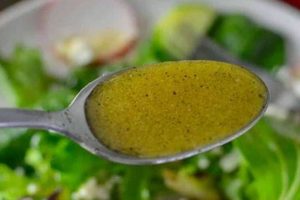
A layered dish featuring seasoned ground meat, crisp lettuce, tomatoes, cheese, and other typical taco toppings, finished with a creamy, tangy western dressing, constitutes this popular meal. Variations may include beans, corn, olives, onions, or other preferred ingredients, adapting to individual tastes and dietary needs. A simple example involves layering seasoned ground beef, shredded cheddar cheese, chopped tomatoes, and shredded lettuce in a bowl, then drizzling generously with western dressing.
This dish offers a convenient and customizable way to enjoy taco flavors in a refreshing salad format. Its adaptable nature allows for creative ingredient combinations, catering to various preferences and dietary restrictions. Furthermore, the preparation is generally quick and straightforward, making it an ideal option for weeknight meals or casual gatherings. Historically, the concept likely emerged alongside the rise in popularity of both taco cuisine and salad bars in mid-20th century America, providing a convenient and appealing fusion of the two.
Further exploration will delve into specific ingredient selections, variations on the classic recipe, preparation techniques, and tips for creating a visually appealing and flavorful presentation. Nutritional information and suggestions for healthy modifications will also be discussed.
Tips for a Superior Taco Salad Experience
Optimizing ingredient selection and preparation techniques elevates this dish from simple to exceptional. Attention to detail ensures a balanced flavor profile and satisfying textural contrast.
Tip 1: Seasoning Matters: Don’t rely solely on pre-packaged taco seasoning. Experiment with fresh herbs and spices like cumin, chili powder, oregano, and smoked paprika for a more nuanced flavor profile.
Tip 2: Crisp is Key: Use fresh, crisp lettuce. Romaine, iceberg, or a blend provide a refreshing crunch. Avoid wilted or soggy leaves.
Tip 3: Temperature Control: Serve the components at appropriate temperatures. The meat should be warm, while the lettuce and other vegetables should be chilled. This enhances the contrast in textures and flavors.
Tip 4: Dressing Application: Add the dressing just before serving to prevent the salad from becoming soggy. Consider serving it on the side to allow individual customization.
Tip 5: Ingredient Layering: Layer ingredients strategically. Place the heartier components, such as the meat and beans, at the bottom, followed by lighter items like cheese, tomatoes, and lettuce. This prevents the delicate ingredients from becoming crushed.
Tip 6: Texture Variation: Incorporate elements with contrasting textures. Crispy tortilla chips or strips, crunchy vegetables, creamy avocado, and chewy meat offer a more engaging culinary experience.
Tip 7: Freshness is Paramount: Utilize the freshest ingredients possible. This enhances both the flavor and visual appeal of the dish.
By focusing on these tips, one can create a taco salad that is not only visually appealing but also offers a balanced and satisfying combination of flavors and textures.
These insights provide a foundation for consistently achieving a delicious and enjoyable taco salad experience. Further discussion will explore variations and customization options.
1. Crisp Lettuce Base

The crisp lettuce base forms the foundation of a successful taco salad with western dressing. It provides a refreshing counterpoint to the richer, heavier elements of the dish, contributing essential texture and a platform for the other ingredients. Understanding its role and selecting appropriate lettuce varieties are critical for achieving the desired balance and culinary experience.
- Textural Contrast:
The crispness of the lettuce contrasts with the softer textures of the seasoned meat, creamy dressing, and other toppings. This contrast is crucial for a satisfying sensory experience. Imagine biting into a taco salad where every component has the same soft texture; the lettuce’s crispness prevents this monotony. Iceberg, romaine, and butter lettuce exemplify varieties offering this desirable crunch.
- Flavor Balance:
While relatively neutral in flavor, the lettuce provides a refreshing backdrop that allows the bolder flavors of the other components to shine. Its subtle, slightly sweet or bitter notes, depending on the variety, complement the savory meat, tangy dressing, and spices. For example, the mildness of butter lettuce allows the western dressings flavors to stand out, while the slightly bitter edge of romaine complements the spice of the seasoned meat.
- Structural Integrity:
The lettuce base acts as a structural element, preventing the other ingredients from becoming a homogenous, soggy mass. It provides a bed for the other components, ensuring they remain separate and distinct, allowing for a more visually appealing and enjoyable eating experience. A sturdy lettuce like romaine holds its shape better under the weight of the toppings compared to a more delicate variety like Bibb lettuce.
- Visual Appeal:
A bed of vibrant, fresh lettuce enhances the overall presentation of the taco salad. The bright green color contrasts attractively with the other ingredients, making the dish more visually appealing. Consider the visual difference between a salad served on a bed of vibrant, green romaine lettuce versus one presented on wilted, pale iceberg lettuce.
The careful consideration of the crisp lettuce base underscores its significant contribution to the overall success of the taco salad with western dressing. Selecting the right lettuce variety and ensuring its freshness elevate the dish from a simple combination of ingredients to a well-balanced and satisfying culinary experience. This foundation supports the other components, allowing their individual characteristics to shine while contributing crucial textural contrast, flavor balance, structural integrity, and visual appeal.
2. Seasoned Ground Meat

Seasoned ground meat forms a cornerstone of the taco salad with western dressing recipe, contributing significantly to its flavor profile and overall appeal. The choice of meat, seasoning blend, and cooking method directly impacts the final dish’s character. Effective seasoning elevates the meat beyond a simple protein source, transforming it into a flavorful centerpiece that complements the other components.
The most common choice is ground beef, offering a familiar and readily available option. However, ground turkey, chicken, or even plant-based alternatives can provide compelling variations, catering to different dietary preferences and flavor profiles. The seasoning blend typically incorporates spices like chili powder, cumin, paprika, garlic powder, and onion powder, creating the characteristic taco flavor. The specific ratios and additional spices, such as oregano or smoked paprika, allow for customization and complexity. Proper cooking technique ensures the meat is browned evenly, enhancing its flavor and texture. Overcooked meat can become dry and crumbly, detracting from the overall experience, while undercooked meat presents food safety concerns. Consider a scenario where bland, under-seasoned ground meat is used; the salad becomes lackluster, missing the savory depth that well-seasoned meat provides. Conversely, using excessively spicy or overcooked meat can overwhelm the other flavors and create an unpleasant textural experience.
Understanding the importance of properly seasoned ground meat is essential for creating a balanced and flavorful taco salad. It provides the savory foundation that complements the fresh vegetables, creamy dressing, and crunchy tortilla chips. The interplay of these elements creates a harmonious and satisfying dish. Challenges may arise in achieving consistent seasoning across batches or adapting to different protein sources. However, attention to detail and a focus on flavor development ensure the seasoned ground meat enhances the overall taco salad experience, fulfilling its crucial role within the recipe.
3. Fresh Tomato and Onion
Fresh tomato and onion contribute essential flavor and textural dimensions to a taco salad with western dressing. These components introduce brightness and complexity, balancing the richness of the meat and dressing. Their omission results in a noticeably less vibrant and nuanced dish, demonstrating their significant role within the overall composition. For example, a taco salad lacking fresh tomato often tastes flat, missing the acidic bite that cuts through the creamy dressing. Similarly, the absence of onion diminishes the salad’s savory depth and aromatic complexity. Freshness is paramount; using less-than-optimal produce compromises the flavor profile and can introduce undesirable textures.
Tomatoes provide a juicy burst of acidity and sweetness, while onions offer a pungent, savory sharpness. This dynamic interplay elevates the flavor profile beyond the basic combination of seasoned meat, cheese, and dressing. The choice of onion variety further influences the final flavor; red onions offer a sharper bite, while white onions are milder. The structural integrity of these components also plays a role. Diced tomatoes maintain their shape, adding visual appeal, while finely chopped onions distribute their flavor throughout the salad. Consider the contrast between diced tomatoes holding their form within the salad and overly ripe tomatoes disintegrating into a pulpy mess. This illustrates the practical significance of selecting appropriate produce.
In summary, fresh tomato and onion are integral to a well-balanced taco salad with western dressing. They contribute not only distinct flavors but also textural and visual elements. Selecting high-quality produce and employing appropriate cutting techniques optimizes their contribution. Challenges may arise in maintaining freshness, particularly in large-scale preparation. However, understanding the importance of these components allows for informed decisions regarding ingredient selection and preparation, ultimately enhancing the overall culinary experience.
4. Shredded Cheese Blend

Shredded cheese blend plays a crucial role in the overall composition of a taco salad with western dressing, contributing flavor, texture, and visual appeal. Its selection and application significantly influence the final dish’s character, impacting the balance of flavors and the overall sensory experience. Understanding the nuances of cheese selection provides insights into optimizing its contribution to this popular dish.
- Flavor Enhancement:
The cheese blend contributes a savory depth and richness, complementing the other components. A typical blend often includes cheddar, Monterey Jack, and Colby, each offering distinct flavor notes that harmonize within the broader flavor profile. Cheddar provides sharpness, Monterey Jack offers mild creaminess, and Colby contributes a slightly nutty flavor. The interplay of these cheeses creates a balanced and complex flavor profile that enhances the overall experience. Consider a scenario where a single, mild cheese is used; the salad may lack the savory depth and complexity offered by a blend.
- Textural Contribution:
Shredded cheese introduces a satisfying textural element, contrasting with the crisp lettuce, seasoned meat, and creamy dressing. The individual strands of cheese offer a pleasant chewiness, adding another layer of sensory interest. This textural interplay prevents the salad from becoming monotonous, providing a more engaging culinary experience. Imagine a taco salad without cheese; the texture becomes one-dimensional, lacking the interplay of crisp and creamy elements.
- Visual Appeal:
The blend of cheeses, often varying in color from pale yellow to orange, contributes to the visual appeal of the taco salad. This visual contrast against the green lettuce and other colorful toppings enhances the presentation, making the dish more enticing. The shredded format also creates visual texture, further enriching the overall presentation. Consider the visual difference between a taco salad with a vibrant cheese blend versus one with a single, pale cheese; the former offers greater visual interest.
- Melting Properties:
The specific cheeses within the blend influence its melting properties, affecting how it interacts with the other ingredients. A blend designed to melt well creates a cohesive and appealing texture, binding some of the components together. This also contributes to the visual appeal, as the melted cheese drapes attractively over the other ingredients. For example, a blend with a higher proportion of Monterey Jack will melt more readily than one dominated by a low-moisture mozzarella.
The shredded cheese blend’s contribution extends beyond simple flavor enhancement; it plays a multifaceted role in creating a balanced and satisfying taco salad with western dressing. The interplay of flavor, texture, visual appeal, and melting properties elevates the dish from a basic combination of ingredients to a more complex and enjoyable culinary experience. Careful consideration of these factors ensures the cheese blend optimizes its contribution to the overall composition, enriching the taco salad experience.
5. Creamy Western Dressing
Creamy western dressing serves as a defining component of the taco salad bearing its name. This dressing is not merely a condiment; it is integral to the dish’s overall character, influencing flavor profile, texture, and even visual presentation. Understanding its composition and function within the context of the taco salad provides essential insights into the recipe’s success.
- Flavor Profile:
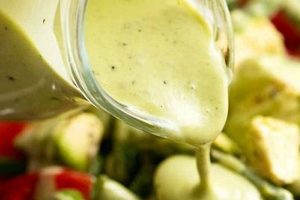
Western dressing typically features a blend of mayonnaise, sour cream, and buttermilk, creating a creamy, tangy base. Additions such as herbs, spices, and sometimes tomato or onion, contribute further complexity. This tangy, savory profile complements the other taco salad components. The acidity cuts through the richness of the meat and cheese, while the creamy texture contrasts with the crisp lettuce and crunchy tortilla chips. A bland or overly sweet dressing would fail to provide this essential balance.
- Texture and Cohesion:
The creamy consistency of the dressing binds the disparate ingredients of the taco salad, contributing to its structural integrity. It coats the components, preventing them from scattering and creating a more cohesive eating experience. This also influences the perceived texture of the salad, adding a creamy counterpoint to the other elements. A thin or watery dressing would lack this binding quality, resulting in a less satisfying and potentially messy experience.
- Visual Presentation:
Western dressing, often a pale, creamy color, contributes to the visual appeal of the taco salad. It provides contrast against the vibrant colors of the other ingredients, such as the green lettuce, red tomatoes, and brown meat. The way the dressing drapes over the components also adds visual texture, enhancing the overall presentation. A dressing with an unappetizing color or an overly thick consistency could detract from the visual appeal.
- Customization and Variation:
Western dressing allows for significant customization, mirroring the adaptable nature of the taco salad itself. Variations can include different herbs and spices, or the addition of ingredients like roasted red peppers or chipotle peppers. This adaptability allows individuals to tailor the dressing to their specific preferences, further enhancing the dish’s versatility. Consider the possibilities: a southwestern-style dressing with added cumin and chili powder, or a ranch-inspired version with dill and parsley.
The creamy western dressing is integral to the taco salad experience, contributing far more than a simple condiment. Its flavor profile, textural influence, visual contribution, and adaptability are crucial to the dish’s success. The careful consideration of these factors ensures a balanced and satisfying culinary experience, highlighting the essential role of creamy western dressing within the “taco salad with western dressing recipe.”
6. Crispy Tortilla Chips

Crispy tortilla chips contribute a crucial textural element to taco salad with western dressing, differentiating it from other salad variations. Their inclusion offers a satisfying crunch, contrasting with the softer textures of the lettuce, seasoned meat, and creamy dressing. This textural contrast elevates the sensory experience, transforming a potentially one-dimensional dish into a multi-faceted culinary experience. Imagine biting into a taco salad lacking this crunch; the experience becomes significantly less satisfying. This illustrates the practical significance of incorporating crispy tortilla chips. Furthermore, crushed tortilla chips can function as a base layer, absorbing excess moisture and preventing the salad from becoming soggy. This extends the lifespan of the salad, particularly relevant in meal-prep scenarios.
Beyond texture, tortilla chips introduce a subtle corn flavor that complements the overall profile of the taco salad. This flavor enhancement aligns with the established Mexican-inspired theme of the dish, creating a cohesive culinary narrative. The chips also contribute visual appeal, their golden color contrasting with the vibrant greens, reds, and browns of the other ingredients. Different types of tortilla chips, such as those made from blue corn or seasoned with chili lime, offer opportunities for flavor and visual customization. Consider a taco salad presented with vibrant blue corn tortilla chips; the visual appeal is instantly elevated. This illustrates the practical implications of ingredient selection.
In summary, crispy tortilla chips are not merely a garnish; they are a functional component that enhances the taco salad experience on multiple levels. Their textural contribution, flavor enhancement, and visual appeal elevate the dish, differentiating it from other salad variations. While potential challenges exist, such as maintaining crispness in the presence of moisture, the strategic incorporation of tortilla chips significantly contributes to a successful taco salad with western dressing. Understanding this dynamic allows for informed decisions regarding ingredient selection and preparation, ultimately maximizing the culinary potential of this popular dish.
Frequently Asked Questions
This section addresses common inquiries regarding the preparation and enjoyment of taco salad with western dressing. Clear and concise responses aim to provide practical guidance and dispel potential misconceptions.
Question 1: Can alternative proteins be used in taco salad?
Ground turkey, chicken, or plant-based crumbles offer viable alternatives to ground beef, catering to various dietary preferences. Adjustments to seasoning may be necessary to optimize flavor profiles.
Question 2: How can sogginess be prevented?
Adding the dressing immediately before serving prevents the salad from becoming soggy. Alternatively, serving the dressing on the side allows for individual control and maintains crispness.
Question 3: What lettuce types are most suitable?
Crisp lettuce varieties like romaine, iceberg, or a blend are recommended. These provide textural contrast and structural integrity, preventing the salad from collapsing.
Question 4: Can the recipe be adapted for meal prepping?
Storing components separately and combining them just before consumption preserves freshness and prevents sogginess. Crushed tortilla chips can be used as a base layer to absorb excess moisture.
Question 5: What are suitable cheese alternatives for those with dairy sensitivities?
Plant-based cheese alternatives, such as those made from cashews or almonds, can be substituted for traditional dairy cheese. Nutritional content and flavor profiles may vary.
Question 6: How can spice levels be adjusted?
Adjusting the amount of chili powder or incorporating milder peppers, such as poblanos, allows for customization of spice levels to suit individual preferences.
Understanding these common concerns and their respective solutions facilitates a more successful and enjoyable taco salad experience. Careful consideration of ingredient selection and preparation techniques ensures optimal flavor and texture.
Further exploration will delve into variations and customizations, expanding the possibilities of this versatile dish.
Taco Salad with Western Dressing Recipe
Exploration of the taco salad with western dressing recipe reveals a dish offering both simplicity and complexity. Careful consideration of individual components, from the crisp lettuce base to the creamy western dressing, highlights the importance of ingredient selection and preparation techniques. Balancing flavors and textures is paramount, ensuring a harmonious and satisfying culinary experience. The adaptability of the recipe allows for customization based on individual preferences and dietary needs, showcasing its versatility.
The enduring appeal of the taco salad with western dressing recipe lies in its balance of familiar flavors and adaptable nature. Continued exploration of ingredient variations and culinary techniques promises further enhancement of this classic dish, ensuring its continued presence in the culinary landscape.