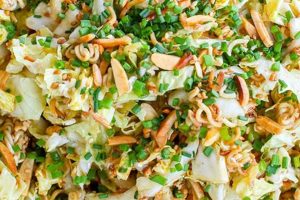
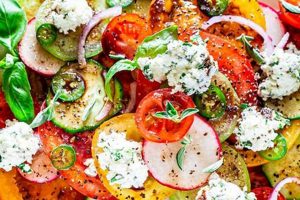
A vibrant and refreshing Levantine bread salad, this dish typically features a mix of crisp lettuce, tomatoes, cucumbers, herbs like parsley and mint, and toasted or fried pieces of pita bread. A sumac-infused dressing provides a tangy and slightly tart flavor that complements the other ingredients. Variations exist, incorporating different vegetables or herbs, and some even include grilled halloumi cheese or pomegranate seeds for added texture and flavor.
This culinary creation offers a delightful way to reduce food waste by utilizing leftover pita bread. Its combination of fresh vegetables and herbs provides a good source of vitamins and antioxidants. Historically, it emerged as a resourceful way to use stale bread, showcasing the ingenuity of Levantine cuisine. Its enduring popularity speaks to its satisfying flavors and nutritional value.
Further exploration will delve into specific ingredient variations, detailed preparation instructions, and tips for achieving optimal flavor and texture. Nutritional information and suggested serving accompaniments will also be provided.
Tips for an Exceptional Bread Salad
Achieving optimal flavor and texture requires attention to detail. The following tips provide guidance for creating a truly exceptional bread salad experience.
Tip 1: Stale Bread is Key: Utilizing day-old pita bread is crucial for achieving the desired crunch. Fresh pita will become soggy when fried or toasted.
Tip 2: Consistent Pita Size: Cut the pita into uniform pieces to ensure even toasting or frying.
Tip 3: Don’t Overcrowd the Pan: When toasting or frying the pita, avoid overcrowding the pan. This allows for proper browning and crispness.
Tip 4: Fresh Herbs are Essential: Fresh parsley and mint are integral to the flavor profile. Dried herbs are not a suitable substitute.
Tip 5: Dress Just Before Serving: To maintain the salad’s crispness, add the dressing immediately before serving. This prevents the vegetables and pita from becoming soggy.
Tip 6: Seasoning Adjustment: Adjust the seasoning according to personal preference. Additional sumac, lemon juice, or salt can be added to enhance the flavor.
Tip 7: Ingredient Exploration: Explore different variations by incorporating ingredients like chopped romaine lettuce, radishes, or pomegranate seeds.
By following these tips, one can create a bread salad that is both flavorful and texturally appealing. The combination of fresh ingredients and crispy pita creates a truly satisfying culinary experience.
By understanding the nuances of preparation, one can fully appreciate the vibrant flavors and refreshing qualities of this dish. The provided information serves as a guide to creating a truly memorable bread salad.
1. Fresh, Crisp Vegetables
Fresh, crisp vegetables are fundamental to a successful fattoush salad. They provide textural contrast to the fried pita bread and contribute essential vitamins, minerals, and refreshing flavors. The selection and preparation of these vegetables significantly influence the overall sensory experience.
- Variety and Seasonality
A diverse range of vegetables enhances both the nutritional value and the flavor profile. Common choices include cucumbers, tomatoes, romaine lettuce, radishes, and green onions. Opting for seasonal produce maximizes flavor and freshness. Summer fattoush might feature ripe tomatoes and cucumbers, while a spring version could incorporate tender greens and early radishes.
- Crispness and Texture
Maintaining the vegetables’ crispness is paramount. Proper storage and washing techniques are crucial. Soaking vegetables in ice water after chopping can enhance their crispness. Avoiding over-dressing the salad also helps prevent the vegetables from becoming soggy. The interplay of textures between crisp vegetables and crunchy pita chips is a defining characteristic of fattoush.
- Flavor Profiles and Combinations
The selected vegetables contribute distinct flavor profiles. The sweetness of tomatoes, the peppery bite of radishes, and the mildness of cucumbers create a balanced flavor experience. Exploring different combinations allows for customized flavor profiles. Adding chopped bell peppers introduces a sweet and slightly bitter note, while incorporating fresh mint or parsley adds herbaceous complexity.
- Nutritional Contributions
The array of fresh vegetables contributes significant nutritional value. Vitamins A and C, potassium, and dietary fiber are common nutrients found in fattoush salads. These nutrients contribute to overall health and well-being. The emphasis on fresh produce aligns with dietary guidelines promoting increased vegetable consumption.
The careful selection and preparation of fresh, crisp vegetables are essential to a well-executed fattoush salad. The combination of diverse flavors, textures, and nutritional benefits elevates this dish beyond a simple salad, transforming it into a vibrant and satisfying culinary experience.
2. Toasted or fried pita

The presence of toasted or fried pita bread distinguishes fattoush from other salads. This seemingly simple addition contributes significantly to the dish’s overall character, providing texture, flavor, and a unique cultural context. The pita’s preparation method directly impacts these attributes. Toasting results in a drier, crispier texture with subtle roasted notes, while frying yields a richer, more substantial crunch and a slightly savory flavor. Choosing between these methods influences the final sensory experience, offering opportunities for customization based on individual preferences.
This incorporation of repurposed bread reflects resourcefulness and minimizes food waste, aligning with traditional Levantine culinary practices. Historically, stale bread, a common household item, transformed into a key ingredient, contributing both substance and flavor. This historical context underscores the pita’s significance within the dish, extending beyond mere texture and taste. Furthermore, the pita acts as a vehicle for the dressing, absorbing its flavors and ensuring an even distribution throughout the salad. This absorption prevents the vegetables from becoming overly saturated while enhancing the overall flavor profile.
The toasted or fried pita’s contribution to fattoush extends beyond its immediate sensory properties. It reflects cultural heritage, resourcefulness, and culinary ingenuity. Understanding its role is crucial for appreciating the dish’s complexity and achieving the desired balance of flavors and textures. Appropriate pita preparation methods optimize these characteristics, contributing to a truly authentic and satisfying fattoush experience.
3. Tangy Sumac Dressing

Tangy sumac dressing is integral to fattoush salad recipes, providing a distinctive tartness that balances the other ingredients. This dressing elevates the salad beyond a simple combination of vegetables and bread, imparting a depth of flavor crucial to the authentic fattoush experience. Exploration of its components reveals its complexity and contribution to the dish’s overall character.
- Sumac’s Central Role
Sumac, a spice derived from dried berries, forms the foundation of the dressing, lending its characteristic tart, lemony flavor. Its prominence in Middle Eastern cuisine underscores its cultural significance within the dish. Sumac’s intensity can vary; therefore, adjusting the amount used allows for customized tartness levels. This adaptability makes it a versatile ingredient, catering to individual preferences and regional variations.
- Balancing Acidity and Sweetness
The dressing often incorporates a sweetener, typically pomegranate molasses or lemon juice, to balance the sumac’s tartness. This interplay of flavors creates a complex profile that enhances the vegetables’ freshness and complements the toasted pita. The ratio of sumac to sweetener influences the final taste, ranging from sharply tart to subtly sweet and tangy. Careful balancing of these elements is key to achieving the desired flavor profile.
- Emulsification and Texture
Extra virgin olive oil forms the base of the dressing, providing a rich mouthfeel and aiding in the emulsification process. Proper emulsification ensures a smooth, cohesive dressing that coats the salad ingredients evenly. This emulsification contributes to the overall sensory experience, binding the flavors and enhancing the textural interplay between the vegetables, pita, and dressing. The quality of olive oil influences the dressing’s richness and flavor complexity.
- Aromatic Enhancements
Additional aromatic elements, such as garlic or minced shallots, can further enhance the dressing’s complexity. These additions contribute subtle pungent notes, elevating the flavor profile beyond simple tartness. The quantity of these additions should be carefully considered to avoid overpowering the sumac’s distinctive character. These nuances underscore the delicate balance of flavors within the dressing.
The tangy sumac dressing is more than a mere condiment; it is a defining element of fattoush. Its intricate balance of tartness, sweetness, and aromatic complexity elevates the salad, transforming it into a harmonious blend of flavors and textures. Understanding the dressing’s components and their interplay is essential for replicating the authentic fattoush experience and appreciating its cultural significance.
4. Aromatic Herbs (Mint, Parsley)
Aromatic herbs, primarily mint and parsley, play a crucial role in fattoush salad recipes, contributing a refreshing, herbaceous dimension that distinguishes this dish. Their inclusion extends beyond mere garnish; these herbs significantly influence the overall flavor profile and sensory experience. The interplay between mint’s bright, cool notes and parsley’s slightly peppery, earthy undertones creates a complex aromatic layer that complements the other ingredients. This herbal counterpoint balances the tangy sumac dressing and the richness of the toasted pita bread, preventing the salad from becoming overly acidic or heavy. Omitting these herbs would result in a noticeably different, less nuanced flavor profile, underscoring their integral role.
The specific types of mint and parsley employed can further influence the final flavor. While spearmint offers a sweeter, more pronounced mint flavor, peppermint provides a sharper, more cooling sensation. Similarly, flat-leaf parsley, with its clean, herbaceous taste, is often preferred over curly parsley, which possesses a slightly bitter edge. The quantity of herbs used also impacts the overall balance; a generous amount amplifies the herbaceous notes, while a lighter touch provides a subtle backdrop to the other flavors. Regional variations exist, with some recipes incorporating additional herbs like dill or cilantro, further showcasing the versatility and adaptability of this component.
Understanding the significance of mint and parsley in fattoush enables a deeper appreciation for the dish’s complexity. These herbs contribute not only to the flavor profile but also to the overall sensory experience, adding a refreshing element that enhances the salad’s appeal. Careful selection and appropriate usage of these aromatic herbs are essential for achieving an authentic and well-balanced fattoush, highlighting their vital role in this culinary tradition.
5. Variations (halloumi, pomegranate)

While traditional fattoush recipes emphasize a core set of ingredients, variations incorporating halloumi cheese and pomegranate arils demonstrate the dish’s adaptability and potential for expanded flavor profiles. Halloumi, a semi-hard, brined cheese with a high melting point, offers a salty, savory counterpoint to the fresh vegetables and tangy dressing. Grilling or pan-frying halloumi before adding it to the salad creates a pleasing textural contrast, enhancing the overall sensory experience. This addition caters to palates seeking a more substantial, protein-rich salad. Pomegranate arils contribute a burst of sweet-tart flavor and a jewel-toned vibrancy. Their juicy texture provides another layer of complexity, complementing the crisp vegetables and crunchy pita. This variation aligns with broader culinary trends incorporating fruits into savory dishes.
These additions exemplify how fattoush can be adapted to diverse tastes and dietary preferences. Halloumi provides a vegetarian protein source, while pomegranate arils offer additional vitamins and antioxidants. Incorporating these ingredients allows for customization based on seasonal availability and personal preference. For instance, during pomegranate season, the arils can be used fresh, while in other seasons, dried pomegranate seeds can provide a similar flavor profile. Similarly, halloumi can be substituted with other cheeses like feta or paneer, depending on regional availability and individual taste. Such adaptability ensures the dish remains relevant and appealing across different culinary contexts.
Understanding these variations highlights the dynamic nature of fattoush. While respecting the core elements of the dish, incorporating ingredients like halloumi and pomegranate arils expands its culinary possibilities. These additions not only enhance flavor and texture but also demonstrate the potential for customization and adaptation to diverse dietary needs and preferences. This adaptability ensures fattoush remains a vibrant and evolving culinary tradition, reflecting both its historical roots and its contemporary relevance.
6. Nutritional Value (Vitamins, Antioxidants)
Fattoush salad recipes offer significant nutritional value derived primarily from the abundance of fresh vegetables and herbs. These ingredients contribute a range of vitamins, minerals, and antioxidants, promoting overall health and well-being. The variety of vegetables, including leafy greens, tomatoes, cucumbers, and radishes, ensures a diverse nutrient profile. Vitamins A and C, prevalent in many of these vegetables, play crucial roles in immune function, skin health, and cell protection. The inclusion of herbs like parsley and mint further enhances the antioxidant content, providing additional health benefits.
The nutritional density of fattoush contributes to its role in a balanced diet. Its relatively low caloric content, coupled with its high vitamin and mineral content, makes it a nutrient-rich meal option. For example, the fiber content from the vegetables promotes digestive health and satiety, while the antioxidants protect against cellular damage from free radicals. The specific nutritional content can vary based on the specific ingredients and proportions used in a given recipe. Adding ingredients like pomegranate seeds further enhances the antioxidant profile, while the inclusion of halloumi cheese contributes protein and calcium.
Understanding the nutritional composition of fattoush empowers informed dietary choices. Recognizing its contribution to vitamin and antioxidant intake can encourage its inclusion in meal plans promoting health and well-being. While variations exist, the fundamental emphasis on fresh produce establishes fattoush as a dish with inherent nutritional value. Integrating this understanding into broader dietary considerations facilitates the development of balanced and health-conscious eating patterns.
7. Minimizing Food Waste

Fattoush salad recipes inherently address food waste reduction by creatively utilizing stale or leftover pita bread. This resourceful approach aligns with broader culinary and environmental initiatives promoting sustainable food practices. Examining the facets of this connection illuminates the significance of fattoush in minimizing food waste and its contribution to a more environmentally conscious approach to food consumption.
- Resourceful Use of Stale Bread
The core concept of fattoush revolves around repurposing pita bread that might otherwise be discarded. This transforms a potential source of waste into a key ingredient, adding texture and flavor to the salad. This practice reflects historical resourcefulness in Levantine cuisine, where minimizing waste was essential. Instead of discarding stale bread, it becomes a valuable component of a flavorful and nutritious dish.
- Adaptability to Vegetable Scraps
Beyond pita bread, fattoush recipes can also incorporate vegetable scraps or less-than-perfect produce. Slightly wilted lettuce, cucumber ends, or herb stems can be incorporated into the salad, further minimizing waste. This flexibility allows for creative utilization of ingredients that might otherwise be discarded, maximizing resource efficiency in the kitchen.
- Reduced Environmental Impact
By reducing food waste, fattoush contributes to a lower environmental footprint. Food waste contributes significantly to landfill burden and greenhouse gas emissions. By utilizing leftover ingredients, fattoush lessens these environmental impacts. This alignment with sustainable food practices positions fattoush as an environmentally conscious culinary choice.
- Promoting Conscious Consumption
Preparing and consuming fattoush can promote a more mindful approach to food consumption. The inherent focus on utilizing leftovers encourages awareness of food waste and its implications. This awareness can extend beyond the individual dish to broader dietary habits, fostering a more sustainable approach to food purchasing and preparation.
The connection between fattoush salad recipes and minimizing food waste underscores the dish’s relevance beyond its culinary appeal. By creatively repurposing ingredients, fattoush embodies a resourceful and environmentally conscious approach to cooking. This inherent focus on sustainability elevates the dish, positioning it as a flavorful and responsible culinary choice in contemporary society.
Frequently Asked Questions
This section addresses common inquiries regarding fattoush salad recipes, providing concise and informative responses.
Question 1: Can fattoush be prepared in advance?
While the vegetable and herb components can be chopped ahead of time, it is recommended to combine them with the pita and dressing immediately before serving to maintain optimal texture and prevent sogginess.
Question 2: What type of pita bread is best suited for fattoush?
Pocketless pita bread is generally preferred. Slightly stale, day-old pita yields the best results when toasted or fried, as fresh pita tends to become soggy.
Question 3: Is sumac a necessary ingredient in the dressing?
Sumac is considered essential for authentic fattoush, providing its signature tart flavor. While lemon juice can offer some tartness, it cannot fully replicate sumac’s distinct character.
Question 4: Are there suitable alternatives to mint and parsley?
While other herbs can be incorporated, mint and parsley are traditional and contribute significantly to the characteristic flavor profile. Substitutions may alter the overall taste.
Question 5: How long can leftover fattoush be stored?
Leftover fattoush can be stored in an airtight container in the refrigerator for up to two days, though the pita bread may lose some of its crispness.
Question 6: Can fattoush be adapted for specific dietary restrictions?
Fattoush is naturally vegetarian and can be easily adapted for vegan diets by omitting halloumi or using a vegan cheese substitute. Gluten-free variations can be achieved using gluten-free pita bread.
Understanding these aspects contributes to a more informed approach to preparing and enjoying fattoush. Careful attention to ingredient selection and preparation techniques ensures an optimal culinary experience.
Additional resources and recipe variations can be explored in the following section.
Fattoush Salad Recipes
Exploration of fattoush salad recipes reveals a dish rich in flavor, history, and nutritional value. From the selection of fresh, crisp vegetables to the tangy sumac dressing and the essential role of toasted or fried pita bread, each component contributes to a harmonious balance of textures and tastes. Variations incorporating ingredients like halloumi and pomegranate arils demonstrate the dish’s adaptability, while its inherent focus on utilizing leftover bread highlights its resourcefulness and contribution to minimizing food waste. An understanding of these elements allows for a deeper appreciation of fattoush as a culinary tradition reflecting both cultural heritage and contemporary relevance.
Fattoush represents more than a simple salad; it embodies a resourceful approach to cooking, a celebration of fresh ingredients, and a connection to culinary traditions. Further exploration and experimentation with fattoush salad recipes offer opportunities to discover the nuances of this vibrant dish and its potential for both personal and communal culinary enjoyment. Its adaptability ensures its continued relevance within an evolving culinary landscape, offering a flavorful and nutritious option for a wide range of palates and dietary preferences.