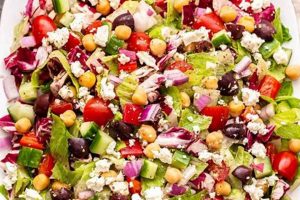
Recipes utilizing slightly wilted lettuce offer a compelling alternative to discarding imperfect produce. These recipes often involve gently cooking the lettuce through methods like sauting, braising, or grilling to soften its texture and enhance its flavor. A simple example involves wilting romaine lettuce with garlic and olive oil, then tossing it with pasta and Parmesan cheese.
This approach minimizes food waste, transforming what might be considered unsuitable for a traditional salad into the star ingredient of a delicious and resourceful dish. Historically, wilting lettuce has been a practical way to preserve excess garden produce or revive slightly limp leaves. The process also concentrates flavors, resulting in a richer, more complex taste profile, often reminiscent of cooked greens like spinach or chard. This culinary technique is found across various cultures, illustrating a shared appreciation for resourcefulness and flavor enhancement.
The following sections will explore specific culinary applications, providing a range of recipes and techniques for creating delectable dishes using this often-overlooked ingredient. From simple side dishes to hearty main courses, the versatility of this cooking method will be showcased.
Tips for Utilizing Wilted Lettuce
Maximizing the potential of wilted lettuce requires an understanding of appropriate techniques and flavor pairings. The following tips offer guidance for creating successful dishes.
Tip 1: Select Appropriate Lettuce Varieties. While nearly any lettuce can be wilted, heartier varieties like romaine, butter lettuce, or red leaf lettuce hold their shape better than more delicate types like iceberg.
Tip 2: Employ Gentle Cooking Methods. Sauting over medium heat with a small amount of fat or braising in a flavorful broth are ideal methods. Avoid overcooking, which can result in mushy texture.
Tip 3: Enhance Flavor with Aromatics. Garlic, onions, shallots, or ginger complement the earthy notes of wilted lettuce. These aromatics can be sauted before adding the lettuce.
Tip 4: Consider Complementary Ingredients. Wilted lettuce pairs well with a variety of ingredients, including bacon, pancetta, cheeses, nuts, dried fruits, and other vegetables.
Tip 5: Balance Flavors. A squeeze of lemon juice or a splash of vinegar can brighten the dish and balance richness.
Tip 6: Don’t Be Afraid to Experiment. Wilting lettuce offers a versatile canvas for culinary creativity. Explore different flavor combinations and cooking techniques to discover preferred profiles.
Tip 7: Proper Storage Is Key. While slightly wilted lettuce is ideal for these recipes, ensure it is not spoiled or excessively slimy. Store lettuce properly to maximize its shelf life.
By understanding these fundamental principles, one can transform often-discarded lettuce into flavorful, satisfying meals. The subsequent sections will delve into specific recipes, offering practical applications of these techniques.
This exploration of wilted lettuce culminates in a collection of recipes demonstrating its versatility and culinary potential.
1. Wilting Methods

Wilting methods are fundamental to transforming lettuce from its raw, crisp state into a tender, flavorful ingredient suitable for a variety of dishes. The chosen method significantly influences the final texture and taste of the lettuce, impacting the overall culinary experience.
- Sauting
Sauting involves quickly cooking lettuce in a hot pan with a small amount of fat, such as olive oil or butter. This method imparts a subtle char and enhances the lettuce’s natural sweetness. It works well for heartier lettuces like romaine or butter lettuce. In the context of salads, sauted lettuce can serve as a warm base, offering a textural contrast to other raw ingredients.
- Braising
Braising involves gently cooking lettuce in a small amount of liquid, such as broth or water. This method results in a softer, more yielding texture, ideal for incorporating into stews, soups, or as a standalone side dish. The braising liquid can infuse the lettuce with additional flavors, creating a more complex profile. This technique is particularly suitable for recipes where the lettuce is a primary component, rather than a textural element in a salad.
- Grilling
Grilling adds a smoky char and distinct flavor to lettuce. The high heat quickly wilts the leaves while imparting appealing grill marks. Grilled lettuce can be used in salads, sandwiches, or as a topping for burgers or other grilled dishes. Its unique flavor profile adds depth to a variety of culinary creations.
- Steaming
Steaming gently wilts lettuce while preserving its vibrant color and nutrients. This method is particularly suited for delicate lettuces that might become overly soft with other techniques. Steamed lettuce can be used in salads, as a wrap filling, or incorporated into other dishes where a tender, subtly flavored green is desired. Its mild flavor makes it adaptable to a wide range of flavor combinations.
The chosen wilting method directly impacts the final dish, influencing texture, flavor, and overall presentation. Selecting the appropriate technique is crucial for achieving the desired culinary outcome, whether creating a warm salad, a hearty side dish, or a unique topping. Consideration of the lettuce variety and complementary ingredients further refines the cooking process, ensuring a harmonious and flavorful result.
2. Lettuce Selection

Lettuce selection significantly influences the final outcome of wilted lettuce salad recipes. Different lettuce varieties possess varying textures and flavor profiles, affecting how they respond to wilting methods and interact with other ingredients. Choosing the right lettuce is crucial for achieving the desired texture, flavor balance, and overall appeal of the salad.
- Leaf Structure and Texture
Lettuce varieties range from crisp and compact (e.g., iceberg) to loose and tender (e.g., butter lettuce). Heartier lettuces like romaine and radicchio maintain their structure better during wilting, providing a robust textural element in the salad. More delicate varieties, such as Bibb or green leaf lettuce, wilt more readily and offer a softer texture, suitable for delicate salads or as a component within cooked dishes.
- Flavor Profiles
Lettuce flavors span from mild and sweet (e.g., butter lettuce) to slightly bitter (e.g., radicchio) or even peppery (e.g., arugula). These flavor profiles interact with other ingredients in the salad, contributing to the overall taste experience. For instance, the bitterness of radicchio can balance the richness of a creamy dressing or the sweetness of caramelized onions. Mild lettuces provide a neutral backdrop for bolder flavors.
- Wilting Method Compatibility
Different lettuce types respond differently to various wilting methods. Heartier varieties, like romaine, are suitable for grilling or sauteing, while more delicate types, like butter lettuce, are better suited for gentle steaming or quick wilting in a pan sauce. Matching the lettuce to the cooking method ensures optimal texture and prevents overcooking or mushiness. Iceberg lettuce, due to its high water content, is less suitable for most wilting techniques.
- Visual Appeal
The color and shape of the lettuce contribute to the salad’s visual appeal. Red leaf lettuce adds a vibrant splash of color, while the elongated leaves of romaine provide an elegant structure. Consider the overall aesthetic when selecting lettuce, aiming for a visually appealing and harmonious presentation. Combining different lettuce varieties can also enhance visual interest.
Careful consideration of these factors ensures the selected lettuce complements the other ingredients and the chosen wilting method, ultimately contributing to a well-balanced and flavorful wilted lettuce salad. Understanding the nuances of each variety allows for informed choices that elevate the final dish, transforming a simple salad into a culinary experience.
3. Flavor Pairings

Flavor pairings play a crucial role in wilted lettuce salad recipes, elevating the dish beyond simply using salvaged ingredients. The inherent flavors of slightly wilted lettuce, often subtly sweet and earthy, provide a versatile foundation for a wide range of complementary tastes and textures. Strategic flavor combinations enhance the complexity and enjoyment of these salads.
- Acidity as a Balancing Element
The slight bitterness sometimes present in wilted lettuce, particularly in varieties like radicchio or endive, benefits from the balancing effect of acidic ingredients. Vinegars, citrus juices, or acidic fruits like pomegranate seeds cut through the richness of the wilted leaves and brighten the overall flavor profile. This interplay of contrasting tastes creates a more dynamic and palatable salad.
- Fat for Flavor Enhancement
Incorporating healthy fats enhances the flavor and texture of wilted lettuce salads. Olive oil, avocado oil, or toasted nuts not only contribute their own unique flavors but also help to distribute and carry other flavors throughout the salad. The fat also creates a more satisfying and texturally appealing dish, complementing the softened lettuce.
- Aromatic Herbs and Spices
Aromatic herbs and spices add depth and complexity to wilted lettuce salads. Fresh herbs like mint, basil, or chives provide a bright, herbaceous counterpoint to the earthy lettuce. Spices like cumin, coriander, or smoked paprika introduce warm, savory notes that enhance the overall flavor profile. The choice of herbs and spices should complement other ingredients, creating a cohesive and balanced flavor experience.
- Umami-Rich Ingredients
Ingredients rich in umami, such as crumbled bacon, grated Parmesan cheese, or toasted sesame seeds, add a savory depth that complements the wilted lettuce. Umami enhances the other flavors present in the salad, creating a more satisfying and complex taste experience. The interplay of umami with the other flavor components elevates the salad beyond a simple combination of ingredients.
Successfully combining these flavor elements transforms wilted lettuce from a salvage operation into a culinary opportunity. The interplay of acidity, fat, aromatics, and umami creates a balanced and nuanced flavor profile, enhancing the natural characteristics of the wilted lettuce and elevating the salad to a more sophisticated and satisfying dish.
4. Texture Enhancement

Texture enhancement plays a vital role in wilted lettuce salad recipes, transforming what might be perceived as a textural disadvantage (soft lettuce) into a culinary asset. A successful wilted lettuce salad engages a variety of textures to create a more interesting and satisfying dining experience. Strategic additions of contrasting textures elevate the dish beyond simply utilizing leftover produce.
- Crunchy Elements
Incorporating crunchy elements provides a counterpoint to the softness of the wilted lettuce. Toasted nuts, such as almonds, walnuts, or pecans, offer a satisfying bite. Seeds, like sunflower or pumpkin seeds, contribute a delicate crunch. Croutons, either homemade or store-bought, provide a textural variation and can absorb some of the dressing. These additions prevent the salad from feeling overly soft or monotonous.
- Crisp Vegetables
Raw vegetables introduce a refreshing crispness that contrasts with the tender wilted lettuce. Sliced cucumbers, shredded carrots, diced bell peppers, or thinly sliced red onion offer a variety of textures and flavors. These crisp elements add vibrancy and prevent the salad from becoming overly homogenous in texture.
- Protein for Substance
Adding protein not only enhances the nutritional value but also contributes to the textural complexity of the salad. Grilled chicken or fish, crispy tofu, or cooked beans offer a more substantial bite and create a more complete and satisfying meal. The protein’s texture interacts with the soft lettuce and other added elements, creating a multi-layered textural experience.
- Grains for Heartiness
Incorporating grains like quinoa, farro, or cooked barley adds a chewy texture and heartiness to the salad. These grains absorb flavors from the dressing and other ingredients, contributing to a more substantial and satisfying meal. Their textural presence complements the soft lettuce and any added crunchy elements, creating a well-rounded textural profile.
The interplay of these textural elements elevates the wilted lettuce salad from a simple dish to a more complex and engaging culinary experience. The softness of the lettuce provides a backdrop for the contrasting textures, creating a harmonious and satisfying balance. By considering texture alongside flavor pairings and presentation, wilted lettuce salads can become a showcase of culinary creativity and resourcefulness.
5. Dressing Choices

Dressing choices are integral to wilted lettuce salad recipes, significantly impacting the final flavor profile and overall enjoyment. The dressing not only adds flavor but also helps to unify the various components of the salad, creating a cohesive and balanced dish. Selecting the appropriate dressing complements the inherent flavors of the wilted lettuce and other ingredients, elevating the salad beyond a simple combination of components.
- Acidity Level
The acidity level of the dressing plays a crucial role in balancing the flavors of the salad. A vinaigrette with a higher acidity, such as one made with lemon juice or red wine vinegar, can cut through the richness of wilted lettuce, especially when paired with ingredients like bacon or cheese. Conversely, a milder vinaigrette, perhaps based on white wine vinegar or a combination of citrus and oil, complements more delicate lettuces and lighter flavor profiles.
- Flavor Intensity
The intensity of the dressing’s flavor should harmonize with the other salad ingredients. A bold, assertive dressing, like a creamy Caesar or a blue cheese dressing, might overpower the delicate flavors of some wilted lettuces. A lighter vinaigrette, such as a simple lemon-herb vinaigrette, allows the flavors of the lettuce and other components to shine through. Matching the dressing’s intensity to the other ingredients ensures a balanced and enjoyable flavor profile.
- Texture and Viscosity
The texture and viscosity of the dressing contribute to the overall sensory experience of the salad. A creamy dressing clings to the wilted lettuce, creating a richer, more decadent feel. A vinaigrette offers a lighter, brighter counterpoint, allowing the individual textures of the salad components to remain distinct. The choice depends on the desired outcome and the other ingredients in the salad. For example, a creamy dressing might complement a salad with roasted vegetables and grilled chicken, while a vinaigrette might be better suited for a salad with fresh herbs and crunchy elements.
- Temperature Considerations
The temperature of the dressing can further enhance the salad. A warm dressing, particularly when used with wilted lettuce, can amplify the flavors and create a more comforting dish. A cold dressing offers a refreshing contrast, especially in warmer weather or with lighter salads. Consider the overall composition and desired temperature profile of the salad when selecting a dressing temperature.
Careful consideration of these factors ensures that the chosen dressing complements the wilted lettuce and other salad components, creating a harmonious and flavorful dish. The dressing acts as a unifying element, tying together the various flavors and textures, and elevating the wilted lettuce salad from a simple dish to a more complex and satisfying culinary creation.
6. Creative Additions

Creative additions transform wilted lettuce salads from simple, resourceful dishes into exciting culinary explorations. Moving beyond basic ingredients elevates these salads, showcasing the versatility of wilted lettuce and allowing for personalized flavor profiles and textural experiences. These additions can introduce unexpected elements, balancing flavors and textures while adding visual appeal.
- Fruits and Sweet Elements
Incorporating fruits introduces contrasting sweetness and varying textures. Dried cranberries or cherries offer a chewy sweetness, while fresh berries or sliced grapes provide a juicy burst. Roasted or caramelized pears or apples add a warm, comforting element. These sweet additions balance the earthy notes of wilted lettuce, particularly when paired with acidic dressings or savory cheeses.
- Nuts and Seeds for Crunch and Flavor
Nuts and seeds contribute both textural complexity and nuanced flavors. Toasted walnuts or pecans provide a rich, buttery crunch, while pumpkin or sunflower seeds offer a lighter, nuttier element. These additions contrast with the soft texture of the wilted lettuce, creating a more dynamic mouthfeel. Furthermore, the healthy fats in nuts and seeds enhance the overall flavor profile and contribute to satiety.
- Cheese for Savory Depth
Cheese introduces a savory depth and creamy texture that complements wilted lettuce. Crumbled feta or goat cheese offers a tangy complexity, while shaved Parmesan provides a nutty, salty accent. Blue cheese adds a pungent, bold flavor. The choice of cheese depends on the other flavor profiles in the salad, aiming for a balanced and harmonious combination. The creamy texture of many cheeses contrasts pleasantly with the softened lettuce.
- Unique Vegetables for Flavor and Visual Interest
Beyond standard salad vegetables, creative additions can include roasted root vegetables like beets or sweet potatoes for earthy sweetness, or pickled vegetables like onions or cauliflower for a tangy crunch. These additions introduce unique flavors and vibrant colors, enhancing both the taste and visual appeal of the salad. They also provide additional nutrients and textural variety.
These creative additions demonstrate the transformative potential of wilted lettuce salads. By incorporating thoughtfully chosen ingredients, these salads evolve from simple, practical dishes into exciting and flavorful culinary creations. The interplay of textures, flavors, and colors creates a more engaging and satisfying dining experience, showcasing the versatility and potential of wilted lettuce as a culinary canvas.
7. Nutritional Benefits
Nutritional content of lettuce changes when wilted, impacting overall dietary value within salad recipes. While some nutrient loss occurs through heating, particularly water-soluble vitamins like vitamin C and folate, other benefits remain. The bioavailability of certain antioxidants, like lutein and zeaxanthin, may even increase with gentle heating. Wilting also reduces volume, potentially increasing nutrient density per serving compared to an equivalent raw salad. For instance, a cup of wilted spinach provides more iron than a cup of raw spinach because wilting reduces volume, concentrating the iron.
Choosing appropriate cooking methods minimizes nutrient loss. Steaming or quickly sauteing preserves more nutrients compared to boiling. Incorporating healthy fats, such as olive oil or avocado oil, in the cooking process aids in the absorption of fat-soluble vitamins like vitamin A and vitamin K. Adding other nutrient-rich ingredients to the salad further enhances its dietary value. Combining wilted lettuce with protein sources, whole grains, and a variety of colorful vegetables creates a nutrient-dense and balanced meal. A wilted spinach salad with chickpeas, quinoa, and roasted red peppers exemplifies this concept, offering a wide array of vitamins, minerals, fiber, and antioxidants.
Understanding nutrient changes during wilting allows for informed recipe development. Balancing nutrient retention with flavor and texture optimization is key to creating nutritious and appealing wilted lettuce salads. While some nutrient loss is inevitable, the overall dietary value remains significant, especially when combined with other healthful ingredients. Focusing on gentle cooking methods and incorporating a variety of nutrient-rich components maximizes the health benefits of these salads, offering a flavorful and nutritious way to consume leafy greens.
Frequently Asked Questions
This section addresses common inquiries regarding the utilization of wilted lettuce in salad recipes, offering practical guidance and clarifying potential misconceptions.
Question 1: Is it safe to consume wilted lettuce?
Wilted lettuce is safe to consume provided it is not spoiled or decaying. Slight wilting indicates dehydration, not spoilage. However, slimy texture, foul odor, or discoloration signifies spoilage and renders the lettuce unsafe for consumption.
Question 2: How does wilting lettuce affect its nutritional value?
Wilting reduces some water-soluble vitamins like vitamin C and folate. However, it can also enhance the bioavailability of certain antioxidants. Overall nutritional value remains significant, particularly when combined with other nutrient-rich ingredients.
Question 3: What are the best lettuce varieties for wilting?
Heartier varieties like romaine, butter lettuce, and red leaf lettuce hold their shape better during wilting. More delicate types, such as Bibb or green leaf, also work well but require gentler cooking.
Question 4: Can any wilting method be used for any type of lettuce?
While most lettuces can be wilted, certain methods are better suited for specific types. Heartier lettuces can withstand grilling or sauteing, while delicate lettuces benefit from steaming or gentle pan-wilting.
Question 5: How can one prevent wilted lettuce from becoming mushy?
Avoid overcooking. Use medium heat for sauteing and braising, and monitor closely. Steaming requires brief exposure to heat. Proper timing is crucial for achieving desired tenderness without mushiness.
Question 6: How long can wilted lettuce be stored?
Cooked wilted lettuce should be refrigerated and consumed within three to five days. Storage in airtight containers helps maintain freshness and prevents further wilting or spoilage.
Understanding these aspects ensures successful and enjoyable experiences incorporating wilted lettuce into diverse culinary creations.
This concludes the frequently asked questions section. The following section will offer a collection of sample recipes showcasing the versatility of wilted lettuce.
Conclusion
Exploration of wilted lettuce salad recipes reveals a resourceful approach to utilizing often-discarded produce. Careful selection of lettuce varieties, appropriate wilting methods, and complementary flavor pairings elevates these salads beyond simple salvage operations. Textural enhancements and strategic dressing choices further contribute to the creation of balanced and flavorful dishes. Nutritional value, while impacted by wilting, remains significant, particularly with mindful cooking techniques and ingredient combinations.
Culinary experimentation with wilted lettuce offers a pathway to reducing food waste while expanding culinary horizons. This approach encourages resourcefulness and creativity, transforming perceived imperfections into opportunities for flavorful and innovative dishes. Continued exploration of these techniques promises further development of unique and satisfying culinary experiences.