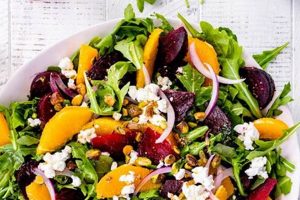
Salads abundant in protein offer a nutritious and satisfying meal option. These meals typically incorporate ingredients like lean meats, fish, eggs, legumes, nuts, seeds, and cheese alongside fresh vegetables. An example might include grilled chicken breast over mixed greens with chickpeas, avocado, and a light vinaigrette.
Nutrient-dense meals focused on leafy greens and substantial protein sources provide sustained energy, support muscle growth and repair, and can contribute to weight management efforts by promoting satiety. Historically, salads were simpler fare, often consisting primarily of raw vegetables. The incorporation of protein-rich elements reflects a modern understanding of nutritional balance and the desire for more complete and fulfilling meals.
Further exploration will delve into specific ingredient combinations, preparation techniques, and nutritional breakdowns to offer a practical guide to creating and enjoying these healthful and versatile meals.
Tips for Creating Protein-Rich Salads
Constructing a satisfying and nutritious salad rich in protein requires careful consideration of ingredients and preparation methods. The following tips offer guidance for maximizing flavor and nutritional value.
Tip 1: Diversify Protein Sources: Explore various options such as lean poultry, fish, beans, lentils, tofu, eggs, and Greek yogurt to achieve a broader spectrum of amino acids and nutrients. Combining plant-based proteins like lentils with grains like quinoa creates a complete protein source.
Tip 2: Prioritize Lean Protein: Opt for lean cuts of meat and poultry, removing skin to minimize saturated fat intake. Fish like salmon or tuna offer healthy fats alongside protein.
Tip 3: Embrace Healthy Fats: Incorporate sources like avocado, nuts, and seeds to enhance flavor, provide satiety, and aid in nutrient absorption. These fats contribute to a balanced and satisfying meal.
Tip 4: Maximize Nutrient Density with Vegetables: Choose a variety of colorful vegetables leafy greens, cruciferous vegetables, and brightly colored peppers to add vitamins, minerals, and fiber. Consider roasted vegetables for added flavor complexity.
Tip 5: Consider Pre-cooked Ingredients: Using pre-cooked or canned beans, lentils, or grains can significantly reduce preparation time. Ensure these are rinsed thoroughly to remove excess sodium.
Tip 6: Strategic Dressing Selection: Opt for light vinaigrettes, lemon juice, or herb-infused olive oil. Avoid creamy dressings, which can be high in saturated fat and added sugars.
Tip 7: Proper Storage: Store prepared salad components separately and combine just before serving to maintain freshness and prevent wilting. Keep dressings separate until consumption.
By following these guidelines, individuals can create flavorful, nutrient-dense salads that contribute to a balanced and healthy diet. These meals offer a versatile and convenient way to incorporate substantial protein into daily nutrition.
This exploration of protein-rich salad construction provides a foundation for incorporating these meals into a balanced dietary plan. Further consideration should be given to individual dietary needs and preferences.
1. Lean Protein Sources

Lean protein sources are fundamental to achieving the nutritional goals of a high-protein salad. They provide essential amino acids necessary for muscle growth, repair, and overall physiological function. The inclusion of these sources transforms a simple salad into a complete and satisfying meal that supports satiety and contributes to a balanced diet. For example, grilled chicken breast or fish like salmon or tuna provide substantial protein with minimal saturated fat. Plant-based options such as lentils, chickpeas, and tofu offer similar benefits with added fiber and diverse micronutrients. The selection of lean protein directly influences the overall nutritional profile of the salad.
The impact of choosing lean protein extends beyond basic nutritional value. It affects flavor, texture, and the overall culinary experience. Grilled or baked chicken or fish can add depth and complexity to the salad, while legumes and tofu offer different textural elements and absorb flavors from dressings and other ingredients well. Understanding these nuances allows for strategic ingredient combinations, resulting in salads that are both nutritious and palatable. For instance, combining seared tuna with a sesame ginger dressing and edamame creates a flavorful and texturally interesting Asian-inspired salad. Alternatively, roasted chickpeas tossed with spices and paired with a lemon-herb vinaigrette and mixed greens offer a satisfying vegetarian option.
Incorporating lean protein effectively into high-protein salads requires thoughtful consideration of various factors: cooking methods, flavor profiles, and complementary ingredients. It is crucial to align protein choices with individual dietary needs and preferences. Challenges might include ensuring proper food safety when handling raw proteins and finding creative ways to incorporate plant-based proteins for those following vegetarian or vegan diets. Ultimately, strategic selection and preparation of lean proteins elevate salads from simple side dishes to nutritionally complete and satisfying main courses.
2. Complementary Vegetables

Complementary vegetables play a crucial role in high-protein salad recipes, extending nutritional value and enhancing flavor profiles. They provide essential vitamins, minerals, fiber, and antioxidants, transforming a protein-focused meal into a nutritionally balanced and satisfying experience. Strategic vegetable selection maximizes both health benefits and culinary appeal.
- Nutrient Density:
Vegetables contribute a wide array of micronutrients often lacking in protein-rich foods. Dark leafy greens like spinach and kale offer vitamins A, C, and K, while cruciferous vegetables such as broccoli and Brussels sprouts provide glucosinolates, compounds with potential health benefits. Incorporating a variety of colorful vegetables ensures a broader spectrum of nutrients and enhances the salad’s nutritional value.
- Fiber Content:
Vegetables are excellent sources of dietary fiber, promoting digestive health and contributing to satiety. Fiber helps regulate blood sugar levels and can assist in weight management efforts. Adding vegetables like bell peppers, carrots, and cucumbers increases the salad’s fiber content, promoting overall well-being.
- Flavor and Texture Enhancement:
Vegetables introduce diverse flavors and textures, creating a more complex and enjoyable culinary experience. The crispness of cucumbers and bell peppers contrasts with the tenderness of spinach, while the slight bitterness of kale complements the richness of protein sources. These variations prevent monotony and elevate the salad beyond a simple combination of ingredients.
- Visual Appeal:
The vibrant colors of various vegetables enhance the visual appeal of the salad, making it more enticing and appetizing. The deep green of spinach, the bright red of tomatoes, and the orange of carrots create a visually stimulating dish that encourages consumption. This aspect is particularly important for those seeking to incorporate more vegetables into their diet.
The strategic incorporation of complementary vegetables elevates high-protein salads from basic meals to nutritionally complete and visually appealing culinary creations. Careful consideration of nutrient density, flavor profiles, and textural variety allows for the construction of salads that support both health goals and gastronomic satisfaction. This synergistic combination of protein and vegetables contributes to a well-rounded and enjoyable dietary experience.
3. Healthy Fats

Healthy fats are essential components of high-protein salad recipes, contributing significantly to both nutritional value and culinary appeal. Their inclusion not only enhances the flavor and texture of the salad but also plays a crucial role in nutrient absorption and satiety, promoting overall health and well-being. Understanding the role of healthy fats is essential for constructing balanced and satisfying meals.
- Nutrient Absorption:
Certain vitamins, specifically A, D, E, and K, are fat-soluble, requiring dietary fat for proper absorption. Incorporating healthy fats into high-protein salads ensures the bioavailability of these essential nutrients, maximizing their utilization within the body. For example, adding avocado to a salad containing vitamin K-rich spinach enhances the absorption of this crucial nutrient.
- Satiety and Blood Sugar Regulation:
Dietary fats contribute to satiety, promoting feelings of fullness and reducing the likelihood of overeating. They slow down digestion, which helps regulate blood sugar levels, preventing energy crashes and contributing to stable energy throughout the day. Including healthy fats like nuts and seeds in a salad can extend satiety and prevent hunger pangs.
- Flavor and Texture Enhancement:
Healthy fats enhance the palatability of salads by adding richness, creaminess, and complexity to the flavor profile. They also contribute to a more desirable texture, making the salad more enjoyable to consume. The addition of avocado, for instance, provides a creamy texture that complements the crispness of vegetables and the protein source.
- Anti-inflammatory Benefits:
Certain healthy fats, particularly omega-3 fatty acids found in sources like flaxseeds and walnuts, possess anti-inflammatory properties that can contribute to overall health. Incorporating these fats into salads can provide a convenient way to obtain these beneficial nutrients.
The strategic inclusion of healthy fats transforms high-protein salads from simple meals into nutritionally balanced and flavorful culinary experiences. By enhancing nutrient absorption, promoting satiety, and contributing diverse flavors and textures, healthy fats play a critical role in optimizing both the nutritional value and the enjoyment of these salads. This holistic approach to ingredient selection ensures that each element contributes to a satisfying and health-conscious dietary choice.
4. Flavorful Dressings

Flavorful dressings are essential to high-protein salad recipes, serving as a unifying element that complements the individual ingredients and enhances the overall culinary experience. A well-chosen dressing can transform a simple combination of protein and vegetables into a cohesive and satisfying meal. Careful consideration of flavor profiles, ingredient compatibility, and nutritional impact is crucial for maximizing the dressing’s contribution to the salad.
- Balancing Flavor Profiles
Dressings provide an opportunity to balance and enhance the flavors of the other salad components. Acidity from vinegar or citrus juice can cut through the richness of protein and healthy fats, while herbs and spices add depth and complexity. A lemon-herb vinaigrette, for example, complements grilled chicken or fish, while a tahini dressing pairs well with chickpeas and roasted vegetables. Understanding these flavor interactions allows for the creation of a harmonious and well-rounded salad experience.
- Enhancing Palatability
Dressings contribute significantly to the palatability of high-protein salads. They add moisture and richness, preventing dryness and enhancing the overall texture. The right dressing can make a salad more appealing, encouraging consumption and facilitating the intake of essential nutrients. For instance, a creamy avocado dressing can make a salad more satisfying and palatable, especially for those who find salads with lighter dressings less appealing.
- Nutritional Considerations
While flavor is paramount, the nutritional impact of a dressing should not be overlooked. Opting for dressings made with healthy fats, such as olive oil or avocado oil, minimizes saturated fat and maximizes nutritional value. Homemade dressings allow for control over ingredients and portion sizes, further enhancing the health benefits of the salad. Choosing a low-sodium dressing or making one from scratch can also help manage sodium intake.
- Versatility and Customization
Dressings offer versatility and allow for customization based on individual preferences and dietary needs. A wide array of flavor combinations can be achieved by experimenting with different oils, vinegars, herbs, spices, and other ingredients. This flexibility ensures that dressings can be tailored to complement the specific protein and vegetable components of the salad, creating a personalized and satisfying meal.
The strategic selection and utilization of flavorful dressings elevate high-protein salads from basic meals to carefully crafted culinary experiences. By balancing flavors, enhancing palatability, and considering nutritional implications, dressings play a vital role in transforming a collection of ingredients into a cohesive, nutritious, and satisfying dish. This attention to detail ensures that the dressing contributes positively to both the flavor and the nutritional value of the salad, optimizing its role in a balanced and health-conscious diet.
5. Proper Portion Sizes
Proper portion sizes are crucial for maximizing the benefits of high-protein salad recipes. Consuming appropriate amounts ensures balanced nutrient intake, supports weight management goals, and prevents overconsumption of calories, even from nutrient-rich foods. Understanding portion control in the context of these salads is essential for optimizing their contribution to a healthy diet.
- Calorie Control and Weight Management
Even with nutrient-dense ingredients, excessive consumption can hinder weight management efforts. Portion control helps regulate calorie intake, aligning with individual dietary needs and goals. A large salad overflowing with protein and healthy fats, while nutritious, can contribute to a caloric surplus if portions are not managed. Accurate portioning ensures that the salad supports, rather than hinders, weight goals.
- Balanced Nutrient Intake
Proper portion sizes facilitate balanced nutrient intake by preventing overconsumption of any single macronutrient. While protein is essential, excessive intake can displace other necessary nutrients. Controlled portions ensure adequate consumption of carbohydrates for energy and healthy fats for nutrient absorption and satiety, contributing to a well-rounded nutritional profile.
- Digestive Comfort
Consuming excessively large portions, even of healthy foods, can lead to digestive discomfort. Overloading the digestive system can cause bloating, indigestion, and reduced nutrient absorption. Proper portioning promotes optimal digestion and nutrient utilization, ensuring that the body efficiently processes the beneficial components of the salad.
- Mindful Eating Practices
Portion control encourages mindful eating by promoting awareness of hunger and fullness cues. Paying attention to portion sizes helps individuals develop a healthier relationship with food, fostering a sense of control and preventing overeating. This mindful approach supports long-term dietary habits and contributes to overall well-being.
Proper portioning in high-protein salad recipes is integral to maximizing their health benefits and supporting individual dietary goals. By regulating calorie intake, promoting balanced nutrient consumption, and fostering mindful eating habits, portion control ensures that these salads contribute effectively to a healthy and sustainable dietary pattern. This conscious approach to portion sizes optimizes the nutritional impact of these meals and supports overall well-being.
6. Strategic Meal Prepping

Strategic meal prepping significantly enhances the practicality and sustainability of incorporating high-protein salads into a regular dietary regimen. Time constraints and the perishability of fresh ingredients often pose challenges to consistent healthy eating habits. Meal prepping addresses these obstacles by enabling advance preparation of salad components, ensuring readily available, nutritious meals throughout the week. This proactive approach fosters adherence to dietary goals and reduces reliance on less healthy, convenient alternatives.
Prepping individual componentssuch as grilling chicken breasts, cooking quinoa, roasting vegetables, and portioning out nuts and seedssimplifies daily meal assembly. Storing these items separately maintains optimal freshness and prevents premature wilting or sogginess. When ready to consume, combining prepped ingredients with leafy greens and a chosen dressing requires minimal effort, making healthy choices convenient even during busy schedules. For example, preparing several servings of grilled chicken and roasted vegetables on Sunday allows for quick assembly of high-protein salads throughout the work week. This eliminates the need for daily cooking and reduces the temptation of less healthy fast-food options.
Strategic meal prepping maximizes the nutritional benefits and convenience of high-protein salads, fostering consistent adherence to dietary goals. Planning ahead and dedicating time to ingredient preparation eliminates daily cooking pressures, making healthy eating a sustainable lifestyle choice. This proactive approach supports long-term health and well-being by integrating nutrient-rich meals into even the most demanding schedules. Challenges may include proper storage techniques to maintain freshness and prevent spoilage, and creative variations to avoid meal monotony. Addressing these challenges, however, unlocks the full potential of meal prepping as a powerful tool for achieving and maintaining a healthy diet centered around nutritious and satisfying high-protein salads.
7. Creative Flavor Combinations

Creative flavor combinations are essential for elevating high-protein salads from basic meals to exciting culinary experiences. Beyond nutritional value, enjoyment and satisfaction play key roles in dietary adherence. Exploring diverse flavor profiles ensures that these salads remain appealing and prevent meal monotony, promoting long-term integration into a healthy lifestyle.
- Global Cuisine Inspiration
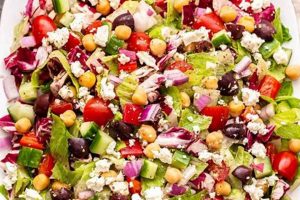
Drawing inspiration from global cuisines offers a wealth of flavor combinations. A Mediterranean salad might feature grilled halloumi, olives, cucumbers, tomatoes, and a lemon-herb vinaigrette. An Asian-inspired salad could include seared tuna, edamame, shredded carrots, and a sesame-ginger dressing. Exploring these diverse culinary traditions introduces unique flavor profiles and expands the potential of high-protein salads.
- Seasonal Ingredient Integration
Utilizing seasonal ingredients maximizes flavor and nutritional value. A summer salad might showcase grilled peaches, fresh mozzarella, basil, and a balsamic glaze. An autumn salad could incorporate roasted butternut squash, cranberries, pecans, and a maple- Dijon vinaigrette. Adapting salads to seasonal produce ensures optimal flavor and freshness while providing variety throughout the year.
- Textural Variety
Contrasting textures create a more engaging culinary experience. Combining crunchy elements like roasted nuts or seeds with soft elements like avocado or grilled chicken adds complexity and interest. Toasted chickpeas offer a satisfying crunch, while creamy goat cheese provides a contrasting texture. This interplay of textures elevates the salad beyond a simple combination of ingredients.
- Flavor Balancing Techniques
Balancing sweet, savory, acidic, and spicy elements creates a harmonious flavor profile. Pairing the sweetness of roasted sweet potatoes with the savory notes of grilled chicken and the tang of a lime vinaigrette exemplifies this balance. Understanding these flavor interactions allows for the creation of more complex and satisfying salads.
Creative flavor combinations are integral to the long-term enjoyment and sustainability of high-protein salad consumption. By exploring diverse culinary influences, integrating seasonal ingredients, incorporating textural variety, and employing flavor balancing techniques, individuals can transform these salads into exciting and satisfying meals that support both nutritional goals and culinary enjoyment. This approach fosters a positive relationship with healthy eating and promotes consistent adherence to a balanced diet.
Frequently Asked Questions
This section addresses common inquiries regarding the incorporation of high-protein salads into a healthy dietary plan. Clarity on these points facilitates informed choices and maximizes the nutritional benefits of these versatile meals.
Question 1: What constitutes a “high-protein” salad?
A salad qualifies as “high-protein” when it provides a substantial portion of daily protein requirements, generally considered a minimum of 20-30 grams per serving. This amount varies based on individual factors such as activity level and overall dietary needs. Ingredient composition is key, prioritizing lean protein sources alongside vegetables and healthy fats.
Question 2: Are high-protein salads suitable for weight loss?
Protein promotes satiety, aiding in weight management by reducing overall calorie intake. When combined with nutrient-rich vegetables and portion control, high-protein salads can be a valuable asset in weight loss strategies. However, total calorie intake remains a critical factor.
Question 3: Can high-protein salads be vegetarian or vegan?
Plant-based proteins like legumes, tofu, tempeh, and quinoa readily facilitate vegetarian and vegan high-protein salads. Combining these with complementary plant-based foods ensures complete protein intake and maximizes nutritional value.
Question 4: How can one ensure food safety when preparing high-protein salads?
Proper food safety practices are essential when handling and storing protein sources. Thorough cooking of meats and poultry to recommended internal temperatures is crucial. Prompt refrigeration of prepared ingredients and maintaining separate storage of components until consumption minimize spoilage risks.
Question 5: What are strategies for keeping high-protein salads interesting and preventing meal monotony?
Varying protein sources, incorporating seasonal vegetables, exploring different dressings, and experimenting with herbs, spices, and flavor combinations prevent monotony. Rotating ingredients and trying new recipes maintain interest and ensure continued enjoyment.
Question 6: How can high-protein salads be adapted to different dietary restrictions or allergies?
High-protein salads offer significant adaptability. Gluten-free versions utilize quinoa or brown rice instead of traditional grains. Dairy allergies necessitate substitutions like nutritional yeast for cheese. Ingredient selection should always reflect individual dietary needs and restrictions.
Understanding these key aspects of high-protein salad preparation and consumption empowers informed dietary choices. These insights enable individuals to maximize the nutritional benefits and culinary enjoyment of these versatile meals.
The following sections will provide specific recipe examples and further practical guidance for incorporating high-protein salads into a balanced and sustainable dietary plan.
Conclusion
High-protein salad recipes represent a versatile and adaptable approach to healthful eating. Exploration of key componentslean proteins, complementary vegetables, healthy fats, and flavorful dressingsreveals their synergistic roles in creating nutritionally balanced and satisfying meals. Strategic considerations such as portion control and meal prepping enhance the practicality and sustainability of incorporating these recipes into a regular dietary regimen. Addressing potential challenges, such as ensuring food safety and preventing meal monotony through creative flavor combinations, further optimizes the benefits of this dietary approach.
The adaptability of high-protein salads positions them as valuable tools for achieving and maintaining long-term health and wellness goals. Continued exploration and experimentation with diverse ingredients and flavor profiles promise an evolving culinary landscape rich in both nutritional value and gastronomic satisfaction. Prioritizing these recipes empowers informed dietary choices that support individual well-being.