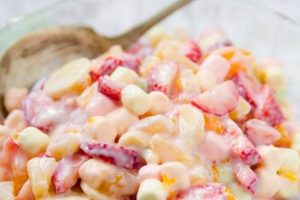
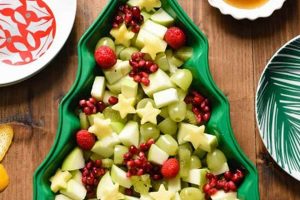
A heated fruit mixture featuring seasonal produce like citrus fruits, apples, pears, and dried fruits offers a comforting and flavorful dish, often spiced with cinnamon, nutmeg, or cloves. Cranberries, pomegranates, and persimmons can also add vibrant colors and unique tastes. This style of preparation enhances the sweetness of the fruit while providing a cozy alternative to chilled salads.
This culinary approach provides a nutritious and appealing way to enjoy seasonal produce during colder months. The warmth enhances the flavors and aromas of the fruits, making them more palatable and digestible. Historically, preserving and enjoying fruit during winter was essential for nutrition, and heated fruit compotes and salads served this purpose. The modern iteration offers a lighter, fresher take on this tradition, suitable for both everyday meals and festive occasions. It offers a versatile dish, adaptable to various dietary needs and preferences by adjusting sweetness and spices.
The following sections will explore specific fruit combinations, preparation methods, and serving suggestions for creating a delicious and satisfying heated fruit dish perfect for the winter season. These include discussions on selecting ripe produce, balancing flavors, and incorporating optional additions such as nuts, seeds, or yogurt.
Tips for Creating a Delicious Heated Fruit Salad
Optimal preparation enhances the flavors and textures of a heated fruit salad. Attention to detail, from fruit selection to spice combinations, ensures a satisfying culinary experience.
Tip 1: Select ripe, but firm fruit. Overripe fruit will become mushy when heated. Slightly underripe fruit will hold its shape better and offer a pleasant textural contrast.
Tip 2: Consider a variety of textures. Combine softer fruits like berries with firmer options such as apples or pears for a more interesting mouthfeel.
Tip 3: Balance sweetness and acidity. Tart fruits like cranberries or citrus can balance the sweetness of apples or bananas. A touch of lemon juice can brighten the overall flavor profile.
Tip 4: Use complementary spices. Cinnamon, nutmeg, cloves, and ginger enhance the warmth and complexity of the dish. Star anise and cardamom offer more exotic flavor profiles.
Tip 5: Control the heating process. Gentle heating prevents overcooking. Sauting, baking, or microwaving are all viable options, but the duration should be carefully monitored.
Tip 6: Enhance with optional additions. Toasted nuts, seeds, a drizzle of honey or maple syrup, or a dollop of yogurt or crme frache can elevate the dish.
Tip 7: Serve warm, not hot. Allow the salad to cool slightly before serving to avoid burning the palate and to allow the flavors to meld.
By following these guidelines, one can achieve a balanced and flavorful heated fruit salad that highlights the natural sweetness of the fruit while offering a comforting and satisfying culinary experience.
These tips provide a solid foundation for creating a variety of heated fruit salads. Experimentation with different fruit combinations and spices allows for personalized variations.
1. Fruit Selection
Fruit selection significantly impacts the flavor, texture, and overall success of a warm winter fruit salad. Choosing fruits appropriate for heating and that complement each other is essential. Fruits that hold their shape well when heated, such as apples, pears, and firm citrus segments, provide structural integrity. Softer fruits like berries and bananas can be incorporated but should be added towards the end of the heating process or used sparingly to prevent them from becoming mushy. The interplay of textures creates a more dynamic and enjoyable sensory experience. Furthermore, balancing sweetness and acidity is crucial. Tart fruits like cranberries or blood oranges offset the sweetness of ripe pears or dates, creating a more complex and balanced flavor profile.
Consider a warm winter fruit salad featuring diced apples and pears sauted with cinnamon and a touch of butter. Adding cranberries near the end of cooking provides a burst of tartness that complements the other flavors while retaining their shape. Conversely, incorporating overly ripe bananas at the beginning would result in an undesirable mushy texture. In another example, combining segments of grapefruit with caramelized pineapple chunks offers a delightful contrast in both sweetness and texture. Choosing firm pineapple ensures it maintains its structure while the grapefruit segments provide a refreshing zing. These examples illustrate the importance of selecting appropriate fruit varieties based on their individual characteristics and how they contribute to the overall composition.
Careful fruit selection contributes significantly to a well-balanced and flavorful warm winter fruit salad. Understanding the properties of different fruits and how they behave when heated allows for a more deliberate and successful culinary outcome. Integrating a variety of textures and balancing sweetness and acidity are key considerations in creating a dish that is both visually appealing and satisfying to the palate. Neglecting these aspects can result in a less harmonious and potentially disappointing result. This principle extends to other culinary applications where the selection and combination of ingredients dictate the final outcome.
2. Spice Combinations
Spice combinations play a crucial role in elevating warm winter fruit salads from simple to sophisticated. The right blend of spices can enhance the natural sweetness of the fruit, add depth and complexity, and create a warming, comforting flavor profile appropriate for the season. Understanding the interplay of different spices allows for a more nuanced and flavorful culinary creation.
- Classic Warm Spices
Traditional warm spices like cinnamon, nutmeg, and cloves form the foundation of many winter fruit salad recipes. Cinnamon provides a familiar sweetness and warmth, while nutmeg offers a subtle nuttiness and complexity. Cloves contribute a pungent, slightly sweet note. These spices can be used individually or in combination to create a classic winter flavor profile. For example, a combination of cinnamon and nutmeg complements apples and pears, while cloves enhance the flavor of citrus fruits and cranberries.
- Citrus Zest and Extracts
The zest and extracts of citrus fruits, such as orange, lemon, and lime, add brightness and acidity to balance the sweetness of the fruit. Orange zest pairs well with apples and cranberries, while lemon zest complements berries and stone fruits. Extracts offer a more concentrated flavor and should be used sparingly. A combination of orange zest and cinnamon can enhance the flavors of a warm winter fruit salad featuring oranges, apples, and cranberries.
- Aromatic Spices
Spices like star anise, cardamom, and ginger introduce more complex and exotic flavors. Star anise adds a warm, licorice-like note, while cardamom offers a floral, citrusy aroma. Ginger provides a spicy warmth and can be used fresh, ground, or crystallized. These spices are particularly well-suited to fruit salads featuring tropical fruits like pineapple and mango. A warm fruit salad with pineapple, mango, and star anise offers a unique and flavorful experience.
- Balancing Sweetness and Spice
Balancing sweetness and spice is crucial for a harmonious flavor profile. If the fruit is particularly sweet, a touch of black pepper or a pinch of cayenne pepper can add a subtle heat that balances the sweetness. Alternatively, a drizzle of honey or maple syrup can enhance the sweetness and complement the warm spices. A combination of cinnamon, nutmeg, and a pinch of black pepper adds depth and complexity to a warm pear and cranberry salad.
By carefully selecting and combining spices, a warm winter fruit salad can be transformed into a complex and flavorful dish. The interplay of warm spices, citrus zest, aromatic spices, and a touch of sweetness or heat creates a balanced and satisfying culinary experience that perfectly complements the winter season. Experimentation with different combinations allows for personalized variations that cater to individual preferences.
3. Heating Method
Heating methods profoundly influence the final quality of a warm winter fruit salad. The chosen technique affects not only the overall temperature but also the texture, flavor development, and visual appeal of the dish. Understanding the nuances of various heating methods allows for precise control over these elements, ensuring a successful outcome. Different fruits respond differently to heat; therefore, selecting the appropriate method is crucial.
Several viable heating methods exist, each offering distinct advantages and disadvantages. Sauting fruit in a pan with butter or oil allows for quick, even heating and caramelization, enhancing natural sugars and creating a richer flavor profile. This method works well for firmer fruits like apples and pears. Baking, on the other hand, provides a gentler, more even heat distribution, ideal for delicate fruits like berries and stone fruits. Baking also concentrates flavors and creates a softer texture. Microwaving offers a rapid heating option suitable for smaller quantities or when time is limited; however, it requires careful monitoring to prevent overcooking. Steaming preserves the fruit’s shape and nutrients, resulting in a lighter, cleaner flavor profile. The selection of the appropriate heating method depends on the specific fruit combination, desired texture, and available equipment. For example, a fruit salad featuring apples, pears, and cranberries benefits from sauting, while a combination of berries and peaches might be better suited for baking.
Careful consideration of the heating method contributes significantly to the overall success of a warm winter fruit salad. Balancing time and temperature ensures that the fruit reaches the desired warmth without becoming mushy or overcooked. Improper heating can result in a compromised texture, loss of flavor, or an undesirable appearance. The chosen method should complement the chosen fruit and spice combinations to create a harmonious and balanced dish. Mastering these nuances allows for greater culinary control and consistently delicious results. This understanding extends beyond fruit salads and applies to a wider range of culinary applications where the application of heat plays a critical role in determining the final outcome.
4. Optional Enhancements
Optional enhancements offer opportunities to elevate a warm winter fruit salad from satisfying to exceptional. These additions, while not essential, contribute layers of texture, flavor, and visual appeal, transforming a simple dish into a more complex and memorable culinary experience. Consideration of these enhancements should align with the overall flavor profile and intended purpose of the salad. A festive presentation might benefit from more elaborate additions, while an everyday breakfast version might call for simpler enhancements.
Textural contrasts introduce dynamism. Toasted nuts, such as pecans or walnuts, provide a satisfying crunch. Seeds, like pumpkin or sunflower, offer a lighter, nuttier alternative. A sprinkle of granola adds a clustered texture and subtle sweetness. These additions contrast with the softness of the cooked fruit, creating a more engaging mouthfeel. Creamy or crunchy components complement the warmth of the fruit. A dollop of Greek yogurt adds a tangy creaminess, while a sprinkle of toasted coconut flakes contributes a delicate sweetness and crisp texture. These additions create a multi-sensory experience, enhancing the overall enjoyment of the dish. For instance, a warm apple and cranberry salad gains complexity with the addition of toasted pecans, while a pear and ginger compote benefits from a dollop of crme frache.
Flavor enhancements offer further customization. A drizzle of honey or maple syrup intensifies sweetness and complements the warm spices. A splash of balsamic vinegar adds a tangy complexity. A sprinkle of sea salt enhances the natural sweetness of the fruit and balances the other flavors. These additions allow for subtle adjustments to the overall flavor profile, catering to individual preferences. A warm citrus salad gains depth with a drizzle of honey and a sprinkle of sea salt, while a baked apple and pear compote benefits from a splash of balsamic glaze. Understanding the impact of these enhancements enables informed decisions regarding their inclusion and quantity, ensuring a balanced and harmonious final product. Judicious use of these enhancements elevates the sensory experience without overwhelming the core flavors of the fruit and spices.
5. Serving Temperature
Serving temperature significantly influences the sensory experience of a warm winter fruit salad. While the “warm” descriptor implies a departure from room temperature or chilled preparations, the precise temperature range affects flavor perception, texture, and overall enjoyment. Understanding this nuance allows for a more intentional and satisfying culinary outcome.
- Flavor Perception
Heat amplifies the aromatic compounds in fruits and spices, intensifying their perceived flavors. Serving the salad too hot, however, can mask delicate nuances and potentially burn the palate, hindering appreciation of the complex flavor profile. Conversely, serving the salad lukewarm diminishes the impact of the warm spices and can result in a less satisfying experience. The ideal temperature allows for optimal release of aromatic volatiles without overwhelming the palate. For example, the delicate flavor of cinnamon in a baked apple salad is best appreciated when served warm, not hot.
- Texture
Temperature affects the texture of fruit. A warm temperature softens the fruit, enhancing its tenderness without causing it to become mushy. Serving the fruit too hot can result in an undesirable breakdown of structure, particularly in softer fruits like berries. Alternatively, a lukewarm temperature may not sufficiently soften firmer fruits like apples or pears, resulting in a less pleasant mouthfeel. A properly heated salad offers a balance of textures, with the fruit yielding gently to the bite. A warm pear and cranberry salad, for example, benefits from the softened texture of the pears without compromising the cranberries’ firmness.
- Balancing Flavors and Textures
The ideal serving temperature allows for a harmonious balance of flavors and textures. The warmth enhances the sweetness of the fruit while allowing the spices to meld and develop their full aromatic potential. This synergy creates a complex and satisfying sensory experience. A warm apple and cinnamon salad, for instance, benefits from the interplay of the softened apples, the warmth of the cinnamon, and the subtle sweetness enhanced by the temperature.
- Visual Appeal
Serving temperature also affects visual appeal. A warm fruit salad offers a visual cue of comfort and indulgence, particularly during colder months. The gentle steam rising from the dish enhances the perception of warmth and invites consumption. Conversely, a lukewarm or cold salad lacks this visual appeal and can appear less appetizing. The glistening surface of a warm fruit salad, for example, enhances its visual appeal.
Serving temperature represents a crucial yet often overlooked aspect of a warm winter fruit salad recipe. Careful attention to this detail optimizes the sensory experience, ensuring that the flavors, textures, and aromas of the carefully selected fruits and spices are fully appreciated. The ideal temperature enhances both the culinary and aesthetic qualities of the dish, creating a more satisfying and memorable experience. This understanding extends beyond fruit salads and applies to a broader range of culinary creations where temperature plays a crucial role in sensory perception and enjoyment.
Frequently Asked Questions
This section addresses common inquiries regarding the preparation and enjoyment of warm winter fruit salads.
Question 1: Can frozen fruit be used in a warm winter fruit salad?
Frozen fruit can be incorporated, but requires careful handling. Thawing and draining excess liquid beforehand prevents a watery consistency. Frozen berries, for instance, integrate well after thawing.
Question 2: What are suitable alternatives to refined sugar for added sweetness?
Honey, maple syrup, or agave nectar offer natural sweetness. Dates or raisins can also be incorporated, providing sweetness and texture.
Question 3: How can a warm fruit salad be adapted for dietary restrictions?
Adjustments cater to specific needs. For gluten-free diets, ensure any added granola or toppings are certified gluten-free. Vegan options utilize plant-based yogurt and omit honey or dairy-based toppings.
Question 4: How long can a warm winter fruit salad be stored?
Refrigeration extends shelf life for up to three days. Reheat gently, avoiding overheating, to maintain optimal texture and flavor.
Question 5: Are there specific fruits best avoided in warm preparations?
Overly delicate fruits like raspberries or strawberries might lose their structural integrity when heated. Incorporate these fresh after the heating process if desired.
Question 6: Can warm fruit salads be served as a component of a larger meal?
Warm fruit salads complement various dishes. They can accompany roasted meats, poultry, or fish, offering a sweet and savory contrast. They also serve as a side dish alongside breakfast items such as pancakes or waffles.
Understanding these considerations facilitates successful preparation and enjoyable consumption of warm winter fruit salads, catering to individual preferences and dietary needs.
The following section explores specific recipe variations, offering detailed instructions and ingredient lists.
Warm Winter Fruit Salad Recipe
Exploration of the warm winter fruit salad recipe encompasses careful ingredient selection, spice combinations, heating methods, optional enhancements, and serving temperatures. Achieving a balanced and flavorful outcome necessitates consideration of fruit textures, sweetness and acidity levels, complementary spice pairings, and appropriate cooking techniques. Optional additions, such as nuts, seeds, or yogurt, further enhance the sensory experience, while proper serving temperature optimizes flavor perception and textural enjoyment. These elements contribute significantly to the overall culinary success and satisfaction derived from this seasonal dish.
The adaptability of the warm winter fruit salad recipe allows for personalized variations catering to individual preferences and dietary needs. Exploration of diverse fruit combinations, spice blends, and creative enhancements fosters continued culinary discovery and appreciation for the versatility of seasonal produce. Mastering these elements allows for the creation of a comforting and flavorful dish that enriches culinary experiences throughout the colder months.