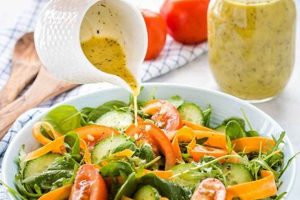
Heated dressings offer a unique culinary experience, adding depth and complexity to a variety of salads. The application of gentle heat can enhance the flavors of ingredients like vinegar, oil, herbs, and spices, creating a more nuanced and aromatic profile than their cold counterparts. For instance, a simple vinaigrette transformed with warmed honey and Dijon mustard takes on a richer, more savory character.
Beyond flavor enhancement, warmed dressings offer practical advantages. They can wilt delicate greens slightly, creating a more tender texture, and they are particularly well-suited for heartier vegetables like roasted root vegetables or grilled asparagus. Historically, warm dressings were often used as a method of preserving fresh produce, extending its shelf life and palatability. Today, they continue to add a touch of sophistication and warmth to salads, making them a satisfying dish year-round.
This exploration will delve into the diverse world of heated dressings, covering various techniques, ingredient combinations, and ideal pairings for different salad components. From classic warm bacon vinaigrettes to innovative maple-ginger dressings, readers will discover a wealth of possibilities for enhancing their culinary creations.
Tips for Creating Exceptional Warm Salad Dressings
Careful consideration of temperature, ingredients, and timing elevates heated dressings from simple to extraordinary. These tips offer guidance for achieving optimal results.
Tip 1: Gentle Heating is Key: Avoid boiling or scorching the dressing. Low heat preserves delicate flavors and prevents oil separation. A double boiler or gentle simmering on the stovetop is recommended.
Tip 2: Balance Acidity and Sweetness: A harmonious blend of vinegar, citrus, or other acidic elements with sweeteners like honey, maple syrup, or sugar creates a well-rounded flavor profile. Taste and adjust as needed.
Tip 3: Emulsification Enhances Texture: Whisking the dressing constantly while heating, especially when incorporating oil, helps create a smooth, emulsified texture that clings beautifully to salad ingredients.
Tip 4: Fresh Herbs Add Vibrancy: Incorporating fresh herbs at the end of the heating process preserves their delicate flavors and aromas. Chopped chives, parsley, or thyme are excellent choices.
Tip 5: Consider the Salad Components: The ideal warm dressing complements the other salad ingredients. A light vinaigrette suits delicate greens, while a richer, creamier dressing pairs well with roasted vegetables or grains.
Tip 6: Timing is Crucial: Dress the salad just before serving to prevent the greens from wilting excessively and to maintain the optimal temperature and texture of both the salad and the dressing.
Tip 7: Experiment with Flavors: Don’t be afraid to explore different flavor combinations. Roasted garlic, spices like cumin or coriander, and even a touch of chili flakes can add exciting dimensions to a warm dressing.
By following these guidelines, one can consistently create warm dressings that enhance the overall salad experience, adding depth, complexity, and a touch of culinary finesse.
From classic combinations to innovative creations, the possibilities for crafting exceptional warm salad dressings are vast. Experimentation and attention to detail pave the way for truly memorable culinary experiences.
1. Temperature Control

Temperature control plays a critical role in the creation of successful warm salad dressings. It directly influences the final flavor profile, texture, and overall quality of the dressing. Applying excessive heat can lead to undesirable outcomes, such as scorched ingredients, separated emulsions, and diminished flavor complexity. Conversely, insufficient heat may not fully develop the flavors of the ingredients or achieve the desired viscosity. For example, honey or maple syrup, commonly used in warm dressings, can caramelize or burn if exposed to high temperatures, resulting in a bitter taste. Similarly, delicate oils can break down under excessive heat, negatively affecting both flavor and texture. Maintaining a consistent and appropriate temperature throughout the preparation process is crucial for preserving the integrity of individual components and ensuring a harmonious final product.
Practical application of temperature control necessitates employing appropriate cooking techniques. Using a double boiler allows for gentle, indirect heating, preventing scorching and promoting even cooking. Alternatively, a low flame on a stovetop can achieve similar results, but requires more attentive monitoring. Constant stirring, particularly when emulsifying oil and vinegar, ensures a smooth, homogenous texture and prevents localized overheating. When incorporating delicate ingredients like fresh herbs, adding them off the heat preserves their vibrant flavors and prevents wilting. Understanding the specific heat tolerances of different ingredients allows for precise temperature adjustments and maximizes the potential of each component within the warm dressing.
Mastery of temperature control is fundamental to crafting exceptional warm salad dressings. It allows for nuanced flavor development, optimal texture, and preservation of ingredient integrity. Attention to this critical aspect elevates the culinary experience, transforming simple combinations into sophisticated and flavorful enhancements for a variety of salads. Failure to control temperature can lead to imbalances in flavor, undesirable textures, and ultimately, a compromised final product. By understanding the principles of heat transfer and applying appropriate techniques, one can consistently achieve desirable results and elevate the art of warm salad dressing preparation.
2. Flavor Balance

Flavor balance is paramount in crafting exceptional warm salad dressings. It represents the harmonious interplay of different taste elementssweet, sour, salty, bitter, and umamicreating a cohesive and satisfying culinary experience. A well-balanced dressing neither overwhelms with a single dominant flavor nor leaves the palate wanting. This equilibrium elevates the overall salad, complementing the other ingredients rather than masking their individual characteristics. For example, a warm bacon vinaigrette achieves balance through the salty richness of bacon, the tang of vinegar, and a touch of sweetness from maple syrup or honey. The interplay of these flavors creates a complex yet unified profile that enhances the salad’s other components.
Achieving flavor balance requires careful consideration of ingredient proportions and their individual taste contributions. Acidity, often provided by vinegar or citrus juice, plays a crucial role in cutting through richness and adding brightness. Sweetness, derived from sources like honey, maple syrup, or sugar, tempers acidity and adds depth. Salt enhances other flavors and provides a savory backbone. The judicious use of herbs and spices adds complexity and nuance. Consider a warm balsamic vinaigrette: the sharp acidity of balsamic vinegar is balanced by the sweetness of honey, while a pinch of salt rounds out the flavor profile. Slight variations in these proportions can dramatically alter the final taste, highlighting the importance of precise measurements and attentive tasting throughout the preparation process.
Mastery of flavor balance distinguishes exceptional warm salad dressings from mediocre ones. It transforms a simple mixture of ingredients into a cohesive and flavorful entity, elevating the entire dining experience. Challenges arise when individual flavors dominate or when key elements are lacking. Overly acidic dressings can be harsh, while excessive sweetness can be cloying. Lack of salt can result in a flat, uninteresting profile. Addressing these challenges requires careful adjustments, often involving incremental additions of individual ingredients until the desired harmony is achieved. Understanding the interplay of tastes and their impact on the overall composition is essential for creating warm salad dressings that truly enhance a salad rather than overpowering it.
3. Ingredient Quality
Ingredient quality significantly impacts the final character of warm salad dressings. Superior oils, vinegars, and other components contribute not only to enhanced flavor but also to desirable texture and overall palatability. The use of high-quality extra virgin olive oil, for instance, imparts a distinct fruity aroma and a smooth, velvety mouthfeel that a lower-grade oil cannot replicate. Similarly, fresh, locally sourced honey offers a more nuanced sweetness and complex aroma compared to commercially produced alternatives. This principle extends to every ingredient; fresh, vibrant herbs and spices contribute a depth of flavor that dried or stale counterparts simply cannot achieve. The selection of quality ingredients lays the foundation for a truly exceptional dressing.
The impact of ingredient quality becomes particularly pronounced when heat is applied. Warming a dressing intensifies the inherent flavors of its components. High-quality ingredients retain their integrity and complexity under heat, enhancing the overall sensory experience. Conversely, lower-quality ingredients may exhibit undesirable characteristics when warmed. For example, a poor-quality vinegar can become harsh and acrid when heated, while inferior oils may develop off-flavors. This underscores the importance of careful ingredient selection when crafting warm dressings. The application of heat amplifies both the positive and negative attributes of the ingredients, making quality a crucial factor in achieving a desirable outcome. Freshly squeezed citrus juice provides a brightness that bottled concentrates often lack, while high-quality Dijon mustard adds a nuanced depth of flavor. Investing in quality ingredients is an investment in the final dish.
Ultimately, the pursuit of exceptional warm salad dressings necessitates prioritizing ingredient quality. The use of superior components elevates the flavor profile, texture, and overall dining experience. While cost considerations may tempt compromise, the resulting difference in quality is often readily discernible. Selecting the best possible ingredients ensures that the final product reflects the care and attention invested in its creation. Furthermore, high-quality ingredients often require less processing and fewer additives, resulting in a cleaner, more natural flavor profile. This focus on quality not only enhances the immediate sensory experience but also contributes to a healthier and more wholesome approach to culinary creations.
4. Emulsification Techniques
Emulsification plays a crucial role in the creation of successful warm salad dressings, significantly impacting texture, stability, and flavor delivery. It involves the process of combining two immiscible liquids, typically oil and vinegar, into a stable mixture. In warm dressings, emulsification prevents the oil and vinegar from separating, creating a smooth, cohesive texture that clings evenly to salad ingredients. This homogenous dispersion of flavors ensures a consistent taste experience with each bite. Proper emulsification also contributes to a visually appealing dressing, free from unsightly oil slicks or separation. For example, a classic warm bacon vinaigrette relies on emulsification to combine the rendered bacon fat with vinegar and other flavoring agents, creating a rich and flavorful dressing that coats the salad evenly.
Several techniques facilitate effective emulsification in warm salad dressings. Whisking vigorously while slowly drizzling the oil into the vinegar helps create small oil droplets dispersed evenly within the vinegar, forming a stable emulsion. The application of gentle heat can further aid emulsification by reducing the viscosity of the oil, facilitating its incorporation into the vinegar. Adding an emulsifying agent, such as a small amount of Dijon mustard or egg yolk, can enhance stability. These agents contain molecules with both hydrophilic (water-loving) and lipophilic (fat-loving) ends, allowing them to bridge the gap between oil and vinegar and prevent separation. In a warm honey-mustard vinaigrette, the mustard acts as an emulsifier, creating a smooth and stable dressing that doesn’t separate even when warmed.
Understanding the principles of emulsification is essential for creating high-quality warm salad dressings. Failure to properly emulsify the dressing can result in an oily, unappetizing appearance and uneven flavor distribution. The separation of oil and vinegar can also lead to a less satisfying mouthfeel, with pockets of intense acidity or oiliness. By employing appropriate techniques, such as gradual incorporation of oil, continuous whisking, and the judicious use of emulsifying agents, one can achieve a stable, flavorful, and visually appealing warm salad dressing that enhances the overall culinary experience. This understanding translates directly to practical application, enabling the creation of dressings that not only taste delicious but also maintain their desired texture and appearance throughout the meal.
5. Complementary Pairings

Complementary pairings represent a crucial aspect of crafting successful warm salad dressings. The interplay between the dressing and the other salad components dictates the overall dining experience. A thoughtfully chosen warm dressing elevates the salad, enhancing the flavors and textures of its individual elements rather than masking them. Understanding the principles of complementary pairings allows for the creation of harmonious and well-balanced salads that delight the palate.
- Flavor Profiles
Flavor profiles play a central role in complementary pairings. A warm dressing should harmonize with, not overpower, the other salad ingredients. For example, a delicate vinaigrette with subtle herbal notes complements light greens and fresh vegetables, while a robust, savory dressing pairs well with heartier ingredients like roasted root vegetables or grilled meats. A warm balsamic vinaigrette with its sweet and tangy notes complements the bitterness of arugula and the creaminess of goat cheese. Careful consideration of flavor profiles ensures that the dressing enhances, rather than competes with, the other components of the salad.
- Texture Contrasts
Texture contrasts add depth and interest to salads with warm dressings. The warmth of the dressing can subtly wilt delicate greens, creating a textural interplay between soft leaves and crisp vegetables or crunchy nuts. A warm bacon vinaigrette served over a salad with romaine lettuce, croutons, and Parmesan cheese offers a pleasing contrast of textures. The warm dressing softens the lettuce slightly, while the croutons and cheese provide a satisfying crunch. Attention to textural elements ensures a multi-sensory dining experience.
- Temperature Considerations
Temperature considerations are essential when pairing warm dressings with salads. The warmth of the dressing can affect the texture and flavor of other ingredients. For instance, a warm dressing is ideal for wilting spinach or softening kale, making these greens more palatable. Conversely, delicate ingredients like fresh berries may not hold up well under a warm dressing. In a warm potato salad, the dressings temperature enhances the flavor of the potatoes and other vegetables. Careful consideration of temperature ensures that the dressing complements, rather than compromises, the other salad components.
- Seasonal Adaptations
Seasonal adaptations offer opportunities to create dynamic and exciting salads with warm dressings. Utilizing fresh, seasonal produce allows for the creation of salads that reflect the flavors of a particular time of year. A warm apple cider vinaigrette pairs beautifully with a fall salad featuring roasted butternut squash, pecans, and cranberries. Similarly, a warm citrus vinaigrette complements a spring salad with fresh greens, strawberries, and feta cheese. Adapting dressings to seasonal ingredients ensures a vibrant and relevant culinary experience.
By understanding the principles of complementary pairingsflavor profiles, texture contrasts, temperature considerations, and seasonal adaptationsone can elevate the art of salad creation. Warm dressings, when thoughtfully paired with other ingredients, transform simple salads into complex and satisfying culinary experiences. This holistic approach to salad construction ensures a harmonious balance of flavors, textures, and temperatures, resulting in dishes that are both delicious and visually appealing. The strategic interplay of these elements ensures that each component contributes to the overall harmony of the salad, showcasing the versatility and potential of warm dressings in culinary creations.
6. Fresh Herb Integration

Fresh herb integration significantly elevates warm salad dressings, contributing vibrant flavors, captivating aromas, and visual appeal. The gentle heat of the dressing releases aromatic oils from the herbs, intensifying their sensory impact. However, this same heat can also diminish the herbs’ vibrancy if not managed carefully. Timing is crucial; adding herbs at the end of the heating process, or just before serving, preserves their delicate flavors and prevents wilting. This nuanced approach maximizes their contribution to the overall sensory experience. For instance, a warm lemon vinaigrette gains depth and complexity from a final addition of chopped chives and parsley, their bright, herbaceous notes harmonizing with the citrusy base. Conversely, adding these herbs during the heating process would dull their flavor and result in a less vibrant dressing.
The selection of herbs influences the final character of the dressing. Robust herbs like rosemary and thyme complement heartier dressings intended for roasted vegetables or grilled meats, while delicate herbs like dill and mint enhance lighter vinaigrettes paired with fresh greens or seafood. This careful matching of herb profiles to the overall flavor composition of the dressing and the salad itself is essential for achieving a balanced and harmonious culinary experience. Consider a warm Dijon vinaigrette paired with roasted root vegetables; the earthy notes of thyme complement the savory dressing and the sweetness of the vegetables. Alternatively, a lighter vinaigrette featuring fresh mint and dill enhances a salad with grilled shrimp and summer vegetables. These examples illustrate the importance of considering the interplay of flavors between herbs, dressing, and salad components.
Effective fresh herb integration requires not only careful timing and selection but also an understanding of how herbs interact with other ingredients. Some herbs, like rosemary, can become overpowering if used excessively, while others, like parsley, provide a subtle backdrop that enhances other flavors. Balancing these nuances requires culinary finesse and an appreciation for the individual characteristics of each herb. Successfully integrating fresh herbs elevates warm salad dressings from simple condiments to complex flavor enhancers, adding depth, vibrancy, and a touch of culinary artistry to any salad. Failure to consider these aspects can result in a dressing where the herbs either clash with other flavors or become lost entirely, diminishing the overall culinary potential.
Frequently Asked Questions About Warm Salad Dressings
This section addresses common inquiries regarding the preparation and utilization of warm salad dressings, offering practical guidance and clarifying potential misconceptions.
Question 1: What are the primary advantages of using a warm salad dressing?
Warm dressings offer several benefits, including enhanced flavor development, improved texture by slightly wilting greens, and greater suitability for heartier salad components like roasted vegetables. The heat amplifies the flavors of ingredients such as vinegar, oil, and spices, creating a more complex and nuanced flavor profile.
Question 2: What is the optimal temperature for a warm salad dressing?
The ideal temperature avoids scorching or boiling, typically ranging between lukewarm and moderately warm. Excessive heat can damage delicate ingredients and compromise the overall flavor balance. Gentle heating preserves the integrity of the ingredients while enhancing their aromatic qualities.
Question 3: Can any type of oil be used in a warm salad dressing?
While various oils are suitable, those with higher smoke points, like grapeseed or avocado oil, are generally preferred for their stability under heat. Delicate oils, such as extra virgin olive oil, can be incorporated after the initial heating phase to preserve their nuanced flavors.
Question 4: How can one prevent a warm salad dressing from separating?
Proper emulsification techniques, such as whisking constantly while slowly adding the oil to the vinegar, help create a stable emulsion. Adding an emulsifying agent like Dijon mustard or a small amount of egg yolk further enhances stability.
Question 5: Are warm salad dressings suitable for all types of salads?
While versatile, warm dressings are particularly well-suited for salads featuring robust greens, roasted vegetables, grains, or grilled meats. Delicate greens or ingredients like fresh berries may not benefit from the application of a warm dressing.
Question 6: Can warm salad dressings be prepared in advance?
Certain warm dressings can be prepared ahead of time and gently reheated before serving. However, dressings containing fresh herbs are best assembled just before serving to preserve their vibrancy and prevent wilting.
Careful consideration of these points ensures optimal results when preparing and utilizing warm salad dressings, enhancing the overall dining experience.
For further exploration, the following section offers specific recipes and detailed instructions for creating a variety of delectable warm salad dressings.
Warm Salad Dressing Recipes
Exploration of warmed dressing preparation reveals a nuanced approach to enhancing salads. Temperature control, flavor balance, ingredient quality, emulsification techniques, complementary pairings, and fresh herb integration are critical factors influencing the final product. Careful consideration of these elements allows for the creation of dressings that not only complement but elevate the overall dining experience. From classic vinaigrettes to innovative combinations, the possibilities for crafting exceptional warm dressings are vast.
Warmed dressings offer a versatile and sophisticated approach to culinary creation. Their ability to enhance flavors, textures, and aromas provides a pathway to transforming simple salads into memorable culinary experiences. Continued exploration and experimentation within this realm promise further development and refinement of techniques, leading to an even greater appreciation for the transformative potential of warm salad dressings.