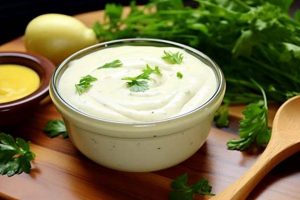
A classic Caesar dressing typically emulsifies raw egg yolks, olive oil, lemon juice, Worcestershire sauce, garlic, Dijon mustard, black pepper, and Parmesan cheese. Anchovy paste or fillets are a frequent addition, contributing a savory depth of flavor. This blend creates a creamy, tangy, and umami-rich coating for romaine lettuce, the traditional base of the salad.
The balance of rich, savory, and acidic elements creates a dressing celebrated for its intense flavor and luxurious texture. Its historical origins, often attributed to restaurateur Caesar Cardini in Tijuana, Mexico, add to its enduring appeal. While variations exist, understanding the fundamental components of this iconic dressing provides a foundation for appreciating its distinct characteristics and its continued popularity in culinary tradition.
This exploration will delve into the specific ingredients, techniques, and variations commonly associated with crafting this timeless emulsion, offering insights for both novice and experienced cooks. Further discussion will cover topics such as ingredient selection, emulsion stability, and adjustments for dietary preferences.
Tips for Crafting an Excellent Caesar Dressing
Achieving a balanced and flavorful Caesar dressing requires attention to detail and an understanding of the interplay between its components. The following tips offer guidance for creating a truly exceptional emulsion.
Tip 1: Emulsion Stability: A stable emulsion prevents the dressing from separating. Gradual addition of oil while whisking vigorously is crucial for creating a cohesive texture.
Tip 2: Fresh Ingredients: The quality of ingredients directly impacts the final flavor. Freshly squeezed lemon juice and high-quality olive oil are recommended.
Tip 3: Garlic Nuance: Raw garlic can be overpowering. Briefly mashing or grating the garlic before incorporating it allows its flavor to mellow and distribute evenly.
Tip 4: Egg Safety: Using pasteurized eggs mitigates concerns about salmonella. Alternatively, coddled eggs offer a safe yet authentic approach.
Tip 5: Anchovy Integration: Anchovy paste provides a smoother, more integrated flavor compared to fillets. Start with a small amount and adjust to taste.
Tip 6: Parmesan Quality: Freshly grated Parmesan cheese offers superior flavor and texture compared to pre-grated alternatives.
Tip 7: Seasoning Adjustment: Taste and adjust seasoning as needed. Additional lemon juice, Worcestershire sauce, or black pepper can enhance the balance of flavors.
Tip 8: Resting Period: Allowing the dressing to rest briefly before serving allows the flavors to meld and deepen.
By adhering to these guidelines, one can create a Caesar dressing that showcases the harmonious balance of creamy, tangy, and umami flavors that define this classic culinary creation.
These tips provide a strong foundation for crafting a superior dressing. The following section will conclude with additional considerations and variations.
1. Emulsified Egg Yolks

Emulsified egg yolks form the heart of a traditional Caesar salad dressing, contributing both rich flavor and a luxuriously creamy texture. Their role as an emulsifying agent is crucial, binding the oil and water-based ingredients into a stable and cohesive sauce. Understanding the process and significance of emulsification provides insight into the dressing’s unique characteristics.
- The Science of Emulsification
Emulsification involves dispersing tiny droplets of one liquid (oil) into another (lemon juice/vinegar) that would typically not mix. Egg yolks contain lecithin, a natural emulsifier that facilitates this process. Lecithin molecules have both hydrophobic (oil-attracting) and hydrophilic (water-attracting) ends, allowing them to surround the oil droplets and suspend them within the water-based liquid, preventing separation. In Caesar dressing, this creates a smooth, homogenous texture.
- Technique and Timing
Proper emulsification requires gradual addition of the oil to the egg yolks while whisking constantly. This slow incorporation allows the lecithin to effectively coat each oil droplet as it is introduced, building a stable emulsion. If oil is added too quickly, the emulsion can break, resulting in a separated and oily dressing.
- Flavor Contribution
Beyond their emulsifying properties, egg yolks contribute a distinct richness and depth of flavor to the dressing. Their inherent fattiness complements the other ingredients, adding a savory dimension that enhances the overall taste profile. This richness is a hallmark of a traditional Caesar dressing, distinguishing it from variations that utilize alternative emulsifiers.
- Safety Considerations
Using raw egg yolks presents a potential risk of salmonella. Traditional recipes often call for coddled eggs, briefly cooked to minimize risk while retaining the emulsifying properties. Pasteurized eggs are a safer alternative, readily available and equally effective in creating a stable and flavorful emulsion.
The emulsification of egg yolks is essential not only for the texture but also the overall flavor and stability of the dressing. It highlights the importance of technique and ingredient selection in achieving the desired result a creamy, balanced, and flavorful Caesar dressing true to its classic origins. Understanding this crucial element provides a deeper appreciation for the culinary artistry behind this iconic dressing.
2. Quality Olive Oil
Quality olive oil plays a pivotal role in a traditional Caesar salad dressing, significantly influencing the final flavor profile. The oil serves not only as a key component of the emulsion but also as a primary flavor contributor. Selecting an olive oil of superior quality elevates the dressing from satisfactory to exceptional. The characteristics of the oilits fruitiness, bitterness, and pungencydirectly impact the overall taste experience. A delicate extra virgin olive oil, for instance, with subtle fruity notes and low bitterness, harmonizes with the other ingredients without overpowering them. Conversely, a robust olive oil with pronounced peppery notes might overwhelm the more delicate flavors of the dressing.
The impact of olive oil quality becomes readily apparent when comparing dressings made with different grades of oil. A dressing made with a low-quality, refined olive oil will often lack depth and complexity, potentially exhibiting undesirable flavors. In contrast, a dressing prepared with a high-quality extra virgin olive oil showcases the nuanced flavors of the oil, enhancing the overall sensory experience. This distinction underscores the practical significance of selecting appropriate olive oil. Chefs often choose specific olive oils known for their particular flavor profiles to complement and elevate their Caesar dressings. For instance, an olive oil with hints of green apple or almond might be selected to enhance the brightness of the dressing, while one with a more herbaceous character might be chosen to add a savory depth.
Careful consideration of olive oil quality is essential for crafting a truly authentic and flavorful Caesar salad dressing. The oil’s contribution extends beyond its functional role in the emulsion; it plays a defining role in the final taste. Selecting an olive oil of appropriate quality ensures that the dressing achieves the desired balance and complexity, reflecting the culinary expertise behind this classic preparation. The nuanced interplay between the oil and the other ingredients highlights the importance of ingredient selection in achieving culinary excellence.
3. Fresh Lemon Juice
Fresh lemon juice provides a crucial acidic element in traditional Caesar salad dressing, balancing the richness of the egg yolks and olive oil while contributing a bright, citrusy flavor. Its importance extends beyond mere tartness; it plays a vital role in the overall balance and complexity of the dressing.
- Acidity and Flavor Balance
The acidity of fresh lemon juice counteracts the richness of the egg yolks and olive oil, preventing the dressing from becoming overly heavy or cloying. This balance is essential for achieving the characteristic flavor profile of a traditional Caesar dressing. The bright, citrusy notes of lemon juice also add a refreshing element that complements the savory and umami components of the dressing.
- Emulsion Stability
The acidity of lemon juice contributes to the stability of the emulsion by influencing the pH of the dressing. A properly balanced pH helps prevent the emulsion from breaking, ensuring a smooth and homogenous texture. While other acidic ingredients, such as vinegar, can be used, lemon juice offers a distinct flavor profile preferred in traditional preparations.
- Freshness and Quality
Freshly squeezed lemon juice provides the most vibrant flavor and optimal acidity. Bottled lemon juice often contains preservatives and additives that can negatively impact the flavor and balance of the dressing. The subtle aromatic compounds present in fresh lemon juice further enhance the overall sensory experience.
- Interaction with other Ingredients
Lemon juice interacts synergistically with other ingredients in the dressing. Its acidity helps to mellow the raw garlic flavor while enhancing the savory notes of the Worcestershire sauce and anchovies (if used). This interplay of flavors is a hallmark of a well-balanced Caesar dressing.
The contribution of fresh lemon juice to a traditional Caesar salad dressing extends beyond its acidic properties. It plays a multifaceted role, influencing flavor, texture, and the overall balance of the dressing. The preference for fresh lemon juice underscores the importance of quality ingredients in achieving the authentic taste that defines this classic culinary creation.
4. Worcestershire Sauce

Worcestershire sauce contributes a complex layer of umami and savory depth to traditional Caesar salad dressing. Its intricate blend of ingredients, including fermented fish, vinegar, molasses, tamarind, onions, garlic, and spices, imparts a unique flavor profile that complements the other components of the dressing. The fermentation process involved in creating Worcestershire sauce generates glutamates, naturally occurring amino acids that contribute to the sensation of umami, often described as a savory, meaty, or brothy taste. This umami richness enhances the overall flavor complexity of the dressing, adding a depth that would be absent without it. The small quantity of Worcestershire sauce used in the recipe belies its significant impact. Even a teaspoon or two contributes substantially to the overall flavor profile, adding a subtle yet discernible layer of complexity. Omitting Worcestershire sauce results in a noticeably different, often less nuanced, dressing.
The practical significance of understanding Worcestershire sauce’s role in Caesar dressing becomes evident when considering variations and adaptations. Substituting soy sauce or other umami-rich ingredients can offer similar savory notes, but they often lack the specific complexity provided by Worcestershire sauce. For example, while soy sauce can provide saltiness and umami, it lacks the subtle sweetness and tanginess derived from the molasses and tamarind present in Worcestershire sauce. Recipes aiming to replicate the classic Caesar dressing flavor profile must carefully consider how to achieve this intricate balance of flavors. Furthermore, understanding the role of Worcestershire sauce allows for informed adjustments based on dietary restrictions or preferences. Vegan versions of Worcestershire sauce are available, enabling adaptation without sacrificing the desired umami notes.
Worcestershire sauce’s contribution to traditional Caesar salad dressing is essential for achieving its authentic flavor profile. The sauce’s unique blend of fermented ingredients and spices provides a depth of umami and savory complexity that elevates the dressing beyond a simple emulsion of oil, egg, and acid. Understanding this contribution allows for informed decisions regarding ingredient selection, substitutions, and adaptations, ensuring the final product retains the characteristic flavor profile expected of a classic Caesar dressing. This knowledge further underscores the importance of each ingredient’s contribution to the overall culinary experience.
5. Pungent Garlic
Garlic, with its characteristic pungent aroma and flavor, plays a crucial role in shaping the distinctive taste of traditional Caesar salad dressing. Its sharp, savory notes contribute a depth that balances the richness of the other ingredients. Understanding the nuances of garlic’s contribution is essential for crafting an authentic and well-balanced dressing.
- Flavor Impact and Balance
The pungent flavor of garlic provides a counterpoint to the richness of the egg yolks and olive oil, preventing the dressing from becoming overly heavy. This sharpness cuts through the richness, creating a more balanced and complex flavor profile. The intensity of raw garlic can be adjusted by techniques such as mashing or grating, which releases its aromatic compounds and mellows its pungency.
- Preparation Methods and Flavor Modulation
Different preparation methods influence the intensity of garlic’s flavor in the dressing. Mincing garlic finely releases more of its pungent compounds, resulting in a more assertive garlic flavor. Conversely, using a garlic press or grating the garlic creates a smoother, more integrated flavor that permeates the dressing without being overpowering. Some traditional recipes call for allowing the minced or pressed garlic to macerate briefly in the lemon juice, further mellowing its sharpness.
- Interaction with Other Ingredients
The pungent notes of garlic interact synergistically with the other ingredients in the dressing. The acidity of the lemon juice helps to tame the raw garlic flavor, while the umami notes of the Worcestershire sauce and anchovies (if used) complement the garlic’s savory character. This interplay of flavors creates a harmonious balance that defines the classic Caesar dressing taste.
- Historical Context and Authenticity
The use of raw garlic is a hallmark of traditional Caesar salad dressing recipes, reflecting the dressing’s origins and culinary heritage. While some modern adaptations might substitute roasted or powdered garlic, these variations deviate from the classic preparation and often result in a different flavor profile. Adhering to the traditional use of raw garlic ensures a more authentic and historically accurate representation of the dressing.
The pungent character of garlic is integral to the flavor profile of traditional Caesar salad dressing. Its sharp, savory notes balance the richness of the other ingredients, contributing to the dressing’s complex and nuanced taste. Understanding the role of garlic, and how its preparation influences the final result, enables the creation of a dressing that remains true to its classic origins.
6. Parmesan Cheese
Parmesan cheese is an integral component of traditional Caesar salad dressing, contributing both flavor and texture. Its sharp, salty, and umami-rich profile complements the other ingredients, while its finely grated form adds a pleasant textural element to the creamy emulsion. Understanding Parmesan’s role is essential for appreciating the dressing’s complexity and crafting an authentic rendition.
- Flavor Profile and Umami Contribution
Parmesan, a hard, aged cheese, possesses a complex flavor profile characterized by sharpness, saltiness, and a distinct umami note. These characteristics arise from the cheesemaking process, specifically the long aging period, which concentrates flavors and develops umami-producing compounds. This umami richness enhances the savory depth of the Caesar dressing, complementing the other ingredients and contributing to a more well-rounded flavor experience.
- Textural Influence and Integration
Finely grated Parmesan is traditionally incorporated directly into the dressing, contributing a subtle yet noticeable textural element. The small granules of cheese are suspended within the creamy emulsion, adding a slight grittiness that contrasts with the smoothness of the other ingredients. This textural interplay enhances the overall sensory experience of the dressing. Furthermore, the fine grating allows the cheese’s flavor to meld seamlessly with the other components.
- Quality Considerations and Flavor Impact
The quality of Parmesan cheese significantly impacts the final flavor of the dressing. Authentic Parmigiano-Reggiano, with its protected designation of origin, offers a superior flavor profile compared to generic Parmesan cheeses. The longer aging process and strict production regulations result in a more complex and nuanced flavor, characterized by a greater intensity of umami and nutty notes. Using high-quality Parmesan elevates the overall quality of the dressing.
- Alternatives and Adaptations
While Parmesan is the traditional choice, other hard cheeses can be used in variations of Caesar dressing. Pecorino Romano, for example, offers a similar sharp and salty profile, although with a slightly more assertive flavor. Asiago cheese, while milder, can also provide a pleasant alternative. Understanding the specific flavor contributions of Parmesan allows for informed substitutions while maintaining a balanced and flavorful dressing. However, deviations from the traditional ingredient impact the authenticity of the final product.
Parmesan cheese’s contribution to traditional Caesar salad dressing is multifaceted, influencing both flavor and texture. Its complex flavor profile, highlighted by umami richness and sharpness, plays a key role in the overall balance of the dressing. Furthermore, its textural contribution adds a nuanced element to the sensory experience. Understanding these contributions underscores the importance of ingredient selection in achieving the authentic and nuanced flavor that defines a classic Caesar dressing.
7. Optional Anchovies

Anchovies hold a complex and often debated position within the realm of traditional Caesar salad dressing. While not universally included, they represent a historically significant component capable of contributing a distinctive savory depth and umami richness. The presence or absence of anchovies can significantly impact the final flavor profile, sparking ongoing discussions regarding authenticity and personal preference. Anchovies, small, oily fish cured in salt, deliver a potent umami punch derived from glutamate compounds. This umami note enhances the savory complexity of the dressing, intertwining with the other ingredients to create a more nuanced flavor profile. Even in small quantities, anchovy fillets or paste can significantly influence the overall taste, adding a subtle brininess and depth often described as a “je ne sais quoi” that elevates the dressing beyond a simple emulsion of oil, acid, and egg. Some food historians argue that anchovies were present in Caesar Cardini’s original recipe, citing the prevalence of Mediterranean flavors in his cuisine. However, concrete evidence remains elusive, leading to varying interpretations of “traditional” Caesar dressing. Regardless of their historical inclusion, anchovies undoubtedly contribute a unique flavor dimension valued by many culinary enthusiasts.
The practical significance of understanding the role of anchovies in Caesar dressing becomes evident when attempting to replicate or adapt the recipe. For those seeking an authentic, umami-rich experience, incorporating anchovies, either as fillets or paste, is crucial. The intensity of anchovy flavor can be modulated by adjusting the quantity used, allowing for customization based on individual preferences. Furthermore, understanding the flavor contribution of anchovies enables informed substitutions for those with dietary restrictions or aversions. Ingredients such as Worcestershire sauce (which often contains anchovies), fish sauce, or even seaweed flakes can provide similar umami notes, albeit with subtle differences in the final flavor profile. Culinary experimentation with these alternatives allows for personalized adaptations while retaining the desired savory depth.
The inclusion of anchovies in Caesar salad dressing remains a topic of culinary debate. While their historical presence in the original recipe is uncertain, their impact on flavor is undeniable. Anchovies contribute a distinctive umami richness and savory depth that significantly influence the overall taste experience. Understanding this contribution allows for informed decisions regarding inclusion, quantity, and potential substitutions, empowering individuals to craft a Caesar dressing tailored to their preferences while appreciating the nuances of this classic culinary creation.
Frequently Asked Questions
This section addresses common inquiries regarding traditional Caesar salad dressing, providing clarity on techniques, ingredients, and variations.
Question 1: Is raw egg essential for a traditional Caesar dressing?
While raw egg yolks provide the authentic emulsifying agent and contribute to the classic rich flavor, concerns regarding salmonella exist. Alternatives include coddled eggs (briefly cooked) or pasteurized egg yolks, which offer safety without significantly compromising flavor or texture.
Question 2: Can vinegar be substituted for lemon juice?
While vinegar provides acidity, lemon juice offers a brighter, more citrusy flavor preferred in traditional preparations. Vinegar, especially white wine vinegar, can be used as a substitute, but it may subtly alter the final flavor profile.
Question 3: Must anchovies be included?
Anchovies contribute a distinct umami richness and savory depth. While their inclusion in the original recipe remains debated, they are a traditional component. Omitting them results in a different, though still palatable, flavor profile. Alternatives like Worcestershire sauce or fish sauce can provide similar umami notes.
Question 4: What type of Parmesan cheese should be used?
Authentic Parmigiano-Reggiano provides the most complex and nuanced flavor. Lower-quality Parmesan cheeses may lack the desired sharpness and umami richness. Grated Pecorino Romano offers a viable substitute with a sharper, saltier profile.
Question 5: How can the emulsion be prevented from breaking?
A stable emulsion relies on gradual addition of oil to the egg yolks while whisking vigorously. Maintaining a consistent whisking motion and adding the oil in a slow, steady stream allows the emulsifier to effectively coat the oil droplets, preventing separation. Room temperature ingredients can also improve emulsion stability.
Question 6: Can the dressing be made ahead of time?
While best enjoyed fresh, Caesar dressing can be prepared a few hours in advance and stored in an airtight container in the refrigerator. Allow the dressing to come to room temperature before serving and whisk gently to recombine if any separation occurs.
Understanding these common points of inquiry allows for greater control over the preparation process and ensures a Caesar dressing that aligns with individual preferences and culinary goals.
The following section offers variations and adaptations of traditional Caesar dressing, exploring how the classic recipe can be modified to accommodate different dietary needs and preferences.
Traditional Caesar Salad Dressing Recipe
Exploration of the traditional Caesar salad dressing recipe reveals a complex interplay of ingredients, each contributing distinct characteristics to the final product. Emulsified egg yolks provide the creamy foundation, while quality olive oil lends richness and flavor. Fresh lemon juice offers essential acidity, balancing the richness while contributing brightness. Worcestershire sauce and optional anchovies introduce umami depth, complemented by the pungent notes of garlic and the sharp, salty character of Parmesan cheese. The careful balance of these components distinguishes this iconic dressing from simpler emulsions, highlighting the importance of ingredient selection and technique in achieving authentic flavor.
Mastery of the traditional Caesar salad dressing recipe offers a pathway to culinary excellence, enabling both appreciation and adaptation of a timeless classic. Continued exploration of variations, informed by an understanding of the foundational elements, allows for culinary creativity while preserving the essence of this celebrated dressing. The enduring popularity of this emulsion speaks to its remarkable balance of flavors and textures, solidifying its position within culinary history.