Panzanella, a Tuscan bread salad, is a prime example of this culinary category. It typically features stale bread softened with tomato juices, combined with fresh tomatoes, onions, basil, and a simple vinaigrette. Variations incorporate cucumbers, peppers, olives, and other seasonal ingredients. The dish showcases resourcefulness, transforming leftover bread into a flavorful and satisfying meal.
Bread salads offer a delightful balance of textures and flavors, from the crisp-tender bread to the juicy vegetables and tangy dressing. They are a versatile dish, suitable as a light lunch, a side dish at a barbecue, or a refreshing component of a larger meal. Historically, these salads were a way to utilize day-old bread, preventing food waste and maximizing resources. Their enduring popularity speaks to their adaptability and delicious simplicity.
This exploration delves into various aspects of preparing and enjoying bread salads. Discussions will include selecting the right bread, preparing the croutons, creating flavorful dressings, choosing complementary ingredients, and presenting the salad effectively.
Tips for Crafting Exceptional Bread Salads
Achieving a well-balanced and flavorful bread salad requires attention to several key elements. These tips offer guidance for optimizing the ingredients and techniques.
Tip 1: Bread Selection is Key: Opt for rustic, crusty bread with a sturdy texture. Ciabatta, sourdough, and country loaves work well. Avoid overly soft breads that may become mushy.
Tip 2: Proper Crouton Preparation: Cube the bread and toast or grill until golden brown and slightly crisp. This adds textural contrast and prevents the salad from becoming soggy.
Tip 3: Tomato Quality Matters: Utilize ripe, flavorful tomatoes for the best results. Heirloom varieties offer a diverse range of colors, flavors, and textures.
Tip 4: Balancing Flavors: Combine sweet, acidic, salty, and savory elements. Consider incorporating ingredients like red onion, olives, capers, or feta cheese.
Tip 5: Dressing Considerations: A simple vinaigrette is often the best choice. Use high-quality olive oil and vinegar, balancing acidity with a touch of sweetness.
Tip 6: Seasonality Enhances Flavor: Utilize fresh, seasonal ingredients whenever possible. Summer vegetables, such as cucumbers, bell peppers, and fresh herbs, complement ripe tomatoes beautifully.
Tip 7: Proper Timing is Crucial: Add the dressing and combine the salad just before serving to prevent the bread from becoming overly saturated.
By focusing on these elements, one can elevate a simple bread salad into a truly memorable dish. Attention to detail, quality ingredients, and balanced flavors are the foundations of success.
With these tips in mind, the following sections will explore specific recipes and variations, offering a deeper understanding of this versatile culinary creation.
1. Bread Selection

Bread selection significantly influences the final outcome of a tomato bread salad. The bread’s texture and flavor interact with the other ingredients, particularly the juicy tomatoes and vinaigrette. A dense, crusty loaf, such as ciabatta, sourdough, or a rustic country bread, provides a sturdy foundation. These breads hold their shape when tossed with the other components and offer a satisfying chew. Conversely, soft, sandwich-style breads tend to disintegrate, resulting in a mushy, less appealing salad. The bread’s flavor profile also contributes to the overall taste. Sourdough, for example, adds a subtle tang, while a whole-wheat loaf offers a nuttier dimension.
Consider the effect of the bread absorbing the tomato juices and vinaigrette. A denser bread absorbs these liquids without becoming overly soggy, maintaining its textural integrity. This absorption also infuses the bread with the flavors of the tomatoes, herbs, and dressing, creating a harmonious blend. For example, a stale loaf of ciabatta, when cubed and toasted, develops crisp edges while retaining a slightly chewy interior. This texture contrasts beautifully with the juicy tomatoes and crisp vegetables, offering a multi-sensory experience. Using a soft white bread, however, would likely result in a soggy, undistinguished mass.
Appropriate bread selection is essential for a successful tomato bread salad. Choosing a bread with the correct texture and flavor profile enhances the dish’s overall balance and enjoyment. The bread acts as a vehicle for the other ingredients, absorbing flavors while maintaining its structural integrity. This understanding allows for a more informed approach to crafting a delicious and texturally appealing salad.
2. Tomato Variety

Tomato variety plays a crucial role in the overall flavor profile and visual appeal of tomato bread salads. Different tomato cultivars offer a diverse range of flavors, from sweet to tangy, and textures, from firm to juicy. These variations contribute significantly to the complexity and balance of the final dish. The choice of tomato variety should consider the desired flavor profile and the other ingredients in the salad. For instance, a sweeter tomato, such as a Brandywine or a Sun Gold cherry tomato, complements the acidity of a vinaigrette and the savory notes of ingredients like olives or capers. Conversely, a more acidic tomato, such as a San Marzano or an Early Girl, might pair well with milder cheeses and herbs.
Beyond flavor, the color and texture of the tomatoes also influence the salad’s aesthetic appeal. A mix of colorful heirloom tomatoes, ranging from deep red to vibrant yellow and even striped varieties, creates a visually stunning dish. The variation in textures, from the firm flesh of a Roma tomato to the juicy burst of a cherry tomato, adds another layer of sensory enjoyment. Consider the interaction between the tomato’s texture and the bread. A juicy tomato variety might soften the bread more quickly, while a firmer tomato will maintain its structure. This interplay affects the salad’s overall texture and requires careful consideration when choosing the tomato variety.
Selecting the appropriate tomato variety is integral to crafting a well-balanced and flavorful tomato bread salad. The tomato’s flavor, color, and texture contribute significantly to the dish’s overall sensory experience. Understanding the nuances of different tomato cultivars allows for a more deliberate and informed approach to recipe development, ensuring a harmonious blend of flavors and textures.
3. Complementary Ingredients

Complementary ingredients are essential for elevating tomato bread salads beyond a simple combination of bread and tomatoes. These additions contribute layers of flavor, texture, and visual interest, transforming the dish into a complex and satisfying culinary experience. Careful selection and balancing of these ingredients are crucial for achieving a harmonious blend of tastes and textures.
- Aromatic Vegetables:
Onions, whether red, white, or thinly sliced shallots, provide a pungent bite that contrasts with the sweetness of the tomatoes. Garlic, minced or thinly sliced, adds a savory depth. These aromatic vegetables contribute not only flavor but also texture, adding a crisp element to the salad. The sharpness of these ingredients cuts through the richness of the olive oil and the acidity of the vinegar in the dressing, creating a balanced flavor profile. For example, the sweetness of caramelized onions can complement the acidity of balsamic vinegar beautifully.
- Fresh Herbs:
Fresh herbs are indispensable for adding brightness and complexity to tomato bread salads. Basil, a classic pairing with tomatoes, offers a sweet, slightly peppery flavor. Parsley provides a fresh, herbaceous note, while oregano contributes a more robust, earthy aroma. Mint can add a refreshing twist. These herbs not only enhance the flavor but also contribute to the salad’s visual appeal with their vibrant green hues. For instance, the delicate flavor of basil complements the sweetness of ripe tomatoes, while the more assertive flavor of oregano stands up well to stronger cheeses like feta.
- Briny or Salty Elements:
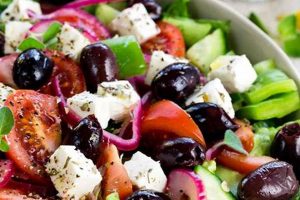
Ingredients like olives, capers, or feta cheese introduce a salty, briny element that balances the sweetness of the tomatoes and the acidity of the vinaigrette. Olives, whether Kalamata, Castelvetrano, or Nioise, provide a rich, savory flavor and a pleasant chewiness. Capers offer a sharp, salty burst, while feta cheese contributes a creamy texture and a tangy, salty taste. These ingredients enhance the overall complexity of the salad by adding a contrasting flavor dimension. The saltiness of these elements also helps to bring out the other flavors in the salad, making them more pronounced.
- Textural Contrasts:
Adding ingredients that offer textural contrast creates a more engaging and satisfying sensory experience. Cucumbers provide a refreshing crunch, while bell peppers offer a crisp, juicy bite. Toasted nuts, such as pine nuts or walnuts, introduce a satisfying crunch and a nutty flavor. These textural variations complement the soft texture of the bread and the juicy tomatoes, preventing the salad from becoming monotonous. For example, the crunch of toasted pine nuts contrasts delightfully with the soft texture of the bread soaked in tomato juices.
The careful selection and combination of these complementary ingredients elevate tomato bread salads from simple to extraordinary. By considering the interplay of flavors, textures, and aromas, one can create a dish that is both delicious and visually appealing. The balance of these elements ensures a harmonious and satisfying culinary experience.
4. Dressing Choice

Dressing choice significantly impacts the overall flavor profile and balance of a tomato bread salad. The dressing should complement the other ingredients, enhancing their flavors without overpowering them. It also contributes to the salad’s texture and moisture content. A well-chosen dressing unifies the various components, creating a cohesive and enjoyable culinary experience. Understanding the interplay between the dressing and the other ingredients is essential for achieving a harmonious and flavorful salad.
- Acidity Level
The acidity of the dressing plays a crucial role in balancing the sweetness of the tomatoes and other ingredients. A vinaigrette with a higher acidity level, achieved through the use of ingredients like red wine vinegar or lemon juice, cuts through the richness of the olive oil and provides a refreshing counterpoint to the sweetness. Conversely, a milder vinegar, such as white wine vinegar or apple cider vinegar, offers a gentler acidity that allows the flavors of the other ingredients to shine through. The acidity level also influences the preservation of the salad; a higher acidity can help prevent the vegetables from becoming soggy. For example, a balsamic vinaigrette adds a touch of sweetness alongside its acidity, while a lemon vinaigrette provides a brighter, more citrusy note.
- Oil Selection
The type of oil used in the dressing contributes significantly to the salad’s flavor and texture. Extra virgin olive oil, with its robust flavor and fruity notes, is a classic choice for tomato bread salads. Other oils, such as avocado oil or walnut oil, can offer different flavor profiles and health benefits. The oil also contributes to the salad’s mouthfeel, adding a richness and lubrication that complements the textures of the bread and vegetables. For instance, a lighter olive oil might be preferred for a more delicate flavor profile, while a robust extra virgin olive oil can stand up to stronger flavors like olives or feta cheese. The oil’s viscosity also influences the dressing’s cling and overall texture.
- Flavor Enhancements
Flavor enhancements can add depth and complexity to the dressing, further complementing the other ingredients in the salad. Minced garlic, Dijon mustard, honey, or maple syrup can introduce subtle nuances of flavor that elevate the overall taste profile. Fresh or dried herbs, such as oregano, thyme, or rosemary, can also be incorporated into the dressing, infusing it with aromatic complexity. These additions should be used judiciously to avoid overpowering the other flavors in the salad. For example, a touch of Dijon mustard adds a subtle tang and creaminess, while a drizzle of honey balances the acidity and adds a touch of sweetness.
- Emulsification and Texture
The emulsification of the dressing, or the process of combining oil and vinegar into a stable mixture, impacts the salad’s texture and how the dressing coats the other ingredients. A well-emulsified dressing clings evenly to the bread and vegetables, distributing the flavor throughout the salad. Achieving a stable emulsion typically involves whisking the oil and vinegar vigorously or using an emulsifying agent like mustard. The texture of the dressing, whether thin and runny or thick and creamy, also affects the overall mouthfeel of the salad. For example, a thicker dressing, achieved by adding a small amount of mayonnaise or yogurt, might be preferred for a heartier salad, while a thinner vinaigrette offers a lighter, more refreshing feel.
The dressing choice is integral to a successful tomato bread salad, serving not only as a flavor enhancer but also as a unifying element that brings all the ingredients together. A well-balanced dressing complements the sweetness of the tomatoes, the heartiness of the bread, and the other complementary ingredients, creating a cohesive and delicious culinary experience. Consideration of acidity, oil selection, flavor enhancements, and emulsification ensures a dressing that perfectly complements the other components of the salad.
5. Seasonality

Seasonality plays a crucial role in maximizing the flavor and quality of tomato bread salads. Utilizing ingredients at their peak ripeness intensifies the dish’s overall taste and allows for creative exploration of seasonal flavors. Aligning recipes with seasonal produce ensures access to the freshest, most flavorful ingredients, resulting in a more vibrant and satisfying culinary experience. This approach also supports local agriculture and reduces the environmental impact associated with transporting produce long distances.
- Peak Tomato Season
Tomato bread salads reach their pinnacle during the summer months when tomatoes are at their peak ripeness. Locally grown tomatoes, bursting with flavor and vibrant color, transform the salad into a celebration of summer’s bounty. The abundance of ripe tomatoes allows for experimentation with various heirloom varieties, each offering unique flavor profiles and textures. This seasonal abundance allows for the creation of salads that are both flavorful and visually appealing.
- Extending Enjoyment Beyond Summer
While summer offers the peak of tomato season, the enjoyment of tomato bread salads can be extended throughout the year by incorporating other seasonal ingredients. During the autumn months, roasted root vegetables, such as sweet potatoes or butternut squash, can be added to provide warmth and depth of flavor. Winter offers opportunities to incorporate ingredients like kale or Brussels sprouts, adding nutritional value and textural complexity. Spring brings fresh greens, such as asparagus or peas, which contribute a vibrant freshness and lightness to the salad.
- Adapting to Seasonal Availability
Adapting tomato bread salad recipes to seasonal availability encourages culinary creativity and allows for exploration of diverse flavor combinations. Utilizing seasonal produce inspires experimentation with different herbs, spices, and cheeses. For example, during the summer months, fresh basil and mozzarella create a classic pairing, while in the fall, roasted garlic and goat cheese offer a warming and savory twist. This adaptability ensures that the salad remains a versatile and enjoyable dish throughout the year.
- Supporting Local and Sustainable Practices
Prioritizing seasonal ingredients supports local farmers and reduces the environmental impact of long-distance food transportation. Choosing locally sourced produce reduces carbon emissions associated with shipping and storage. It also strengthens local economies and fosters a connection between consumers and the origins of their food. By aligning tomato bread salad recipes with seasonal availability, individuals can contribute to a more sustainable and ethical food system.
Embracing seasonality elevates tomato bread salads from simple dishes to vibrant expressions of the time of year. By utilizing ingredients at their peak ripeness and adapting recipes to reflect seasonal availability, one can create salads that are not only delicious but also sustainable and supportive of local communities. This approach maximizes flavor, encourages creativity, and fosters a deeper appreciation for the connection between food and the natural world.
Frequently Asked Questions
This section addresses common inquiries regarding the preparation and enjoyment of tomato bread salads. Clarification on these points aims to enhance understanding and facilitate successful culinary endeavors.
Question 1: What type of bread is best suited for tomato bread salad?
Crusty, rustic breads like ciabatta, sourdough, and country loaves are ideal. These breads hold their structure well when combined with the other ingredients, preventing a soggy outcome. Avoid soft breads that may disintegrate.
Question 2: How can one prevent the bread from becoming overly saturated?
Add the dressing and combine the salad just before serving. This prevents the bread from absorbing excessive moisture and maintains a desirable texture. Toasting the bread cubes also helps to create a barrier against excessive moisture absorption.
Question 3: What are some suitable tomato varieties for this type of salad?
Ripe, flavorful tomatoes are key. Heirloom varieties offer a diverse range of flavors and colors, enhancing both taste and visual appeal. Consider the balance of sweetness and acidity when selecting tomatoes.
Question 4: Can tomato bread salad be prepared in advance?
While some components can be prepared ahead of time, such as chopping vegetables and toasting bread cubes, it is generally recommended to combine the salad just before serving to maintain optimal texture and prevent sogginess.
Question 5: What are some complementary ingredients that enhance tomato bread salad?
Cucumbers, onions, fresh herbs (basil, parsley, oregano), olives, capers, and feta cheese are popular additions. These ingredients offer contrasting flavors and textures, contributing complexity to the dish.
Question 6: What type of dressing is typically used in tomato bread salad?
A simple vinaigrette, made with high-quality olive oil and vinegar, is a common choice. The acidity of the vinaigrette balances the sweetness of the tomatoes and other ingredients. Flavor enhancements, such as garlic, Dijon mustard, or herbs, can be added to the vinaigrette.
Careful consideration of these points ensures a successful and enjoyable tomato bread salad experience. Attention to detail, quality ingredients, and balanced flavors are key elements for creating a delightful culinary creation.
The following sections provide specific recipe examples, offering practical application of these principles and further guidance for preparing delicious tomato bread salads.
Tomato Bread Salad Recipes
Exploration of tomato bread salad recipes reveals the importance of ingredient selection and preparation techniques. Careful consideration of bread type, tomato variety, complementary ingredients, and dressing choice contributes significantly to the final dish’s overall quality. Emphasis on seasonality maximizes flavor and promotes sustainable practices. Proper timing, such as adding the dressing just before serving, ensures optimal texture and prevents sogginess. Understanding these elements allows for informed decision-making and consistent creation of exceptional bread salads.
Tomato bread salad recipes offer a versatile and adaptable culinary canvas. Continued experimentation with diverse ingredients and flavor combinations expands culinary horizons and deepens appreciation for fresh, seasonal produce. Further exploration promises a rewarding journey of taste and texture, limited only by culinary imagination.