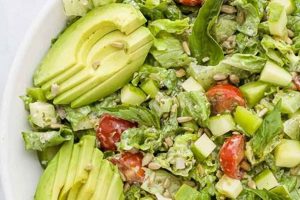
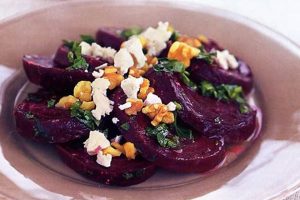
A foundational dish in numerous cuisines, a basic fruit salad featuring pears offers a refreshing and nutritious option. Typically, such a salad combines sliced pears with complementary ingredients like leafy greens, cheese, and nuts. A simple vinaigrette often enhances the flavors. For example, a combination of ripe Bosc pears, baby spinach, crumbled gorgonzola, candied walnuts, and a light lemon-vinaigrette exemplifies this concept.
The accessibility and adaptability of pear-based salads contribute to their popularity. These salads provide essential vitamins, minerals, and fiber. The use of seasonal pears adds depth and richness of flavor, varying with the cultivar. Historically, fruit salads have graced tables for centuries, evolving alongside culinary trends. The straightforward nature of these salads makes them a versatile component of meals, from light lunches to elegant appetizers.
The following sections explore specific pear varieties ideal for salads, complementary ingredient pairings, and diverse vinaigrette options, enabling the creation of a customized, flavorful experience. Guidance on proper pear handling and storage ensures optimal freshness and taste.
Tips for Crafting Exceptional Pear Salads
Elevating a pear salad from simple to extraordinary involves attention to detail and thoughtful ingredient selection. The following tips offer guidance for creating a delightful culinary experience.
Tip 1: Pear Selection: Opt for pears that are ripe yet firm. Slightly underripe pears hold their shape better in a salad. Consider the flavor profiles of different varieties. Bartlett pears offer sweetness, while Bosc pears contribute a subtle spiciness.
Tip 2: Preventing Browning: To prevent sliced pears from oxidizing and turning brown, a light coating of lemon juice is recommended. This preserves both the appearance and the fresh taste.
Tip 3: Complementary Cheeses: Blue cheeses, such as gorgonzola or Roquefort, provide a pungent counterpoint to the sweetness of pears. Feta or goat cheese offer lighter, tangier alternatives.
Tip 4: Nut Integration: Toasted nuts add textural complexity. Walnuts, pecans, or almonds complement the flavors of pears. Candied nuts introduce an additional layer of sweetness.
Tip 5: Green Choices: A bed of fresh greens provides a foundation for the salad. Baby spinach, arugula, or mixed greens offer varying flavors and textures.
Tip 6: Vinaigrette Variations: A simple vinaigrette enhances the salad’s flavors. A classic combination involves olive oil, lemon juice, salt, and pepper. Balsamic vinegar or a touch of honey can add depth.
Tip 7: Seasonal Adaptations: Embrace seasonal ingredients. In autumn, incorporate roasted butternut squash or cranberries. During spring, add fresh berries or edible flowers.
By considering these tips, one can achieve a balanced and flavorful pear salad, maximizing the taste and visual appeal of this versatile dish.
Through careful selection of ingredients and thoughtful preparation, the seemingly simple pear salad transforms into a culinary masterpiece.
1. Ripe but firm pears

Pear ripeness significantly impacts a simple salad’s success. Ripe, yet firm pears offer the ideal balance of sweetness and texture. Overripe pears become mushy, detracting from the salad’s appeal and structural integrity. Conversely, underripe pears lack the desired sweetness and can be unpleasantly hard. This firmness provides textural contrast against softer components like leafy greens and cheese. A salad featuring sliced, ripe but firm Bosc pears alongside crumbled blue cheese and candied pecans demonstrates this principle effectively, offering a harmonious blend of flavors and textures.
The choice of pear variety also influences the desired firmness. Bartlett pears, known for their soft texture when ripe, should be selected when still slightly firm to the touch. Bosc or Anjou pears, naturally firmer varieties, offer more flexibility in ripeness selection. Proper handling further contributes to maintaining firmness. Pears should be stored at room temperature until optimally ripe and then refrigerated to slow down further ripening. Gentle handling during slicing and mixing prevents bruising and preserves the fruit’s structural integrity within the salad.
Achieving the “ripe but firm” state maximizes a pear salad’s sensory experience. Flavor, texture, and presentation benefit from this careful selection process. Attention to ripeness elevates a simple pear salad from ordinary to exceptional, demonstrating an understanding of fruit selection principles and their impact on the final dish.
2. Complementary Cheese

Cheese selection significantly influences a simple pear salad’s overall flavor profile. The right cheese complements the pear’s sweetness and adds depth and complexity. A thoughtful pairing elevates the salad from basic to nuanced, transforming the sensory experience.
- Flavor Pairing:
The chosen cheese should either contrast or harmonize with the pear’s sweetness. Blue cheeses, such as gorgonzola or Roquefort, provide a pungent, salty counterpoint, creating a balanced flavor profile. Alternatively, milder cheeses like goat cheese or feta offer a tangy complement without overpowering the pear’s delicate sweetness. The intensity of the cheese flavor should be considered in relation to the pear variety and other salad components.
- Textural Contrast:
Cheese texture contributes to the salad’s overall sensory experience. Crumbled blue cheese offers a creamy, contrasting texture to the pear’s firmness. Hard cheeses, shaved or cubed, introduce a different textural element. Feta, with its crumbly texture, provides a lighter, less dense counterpoint. The interplay of textures adds complexity and interest.
- Visual Appeal:
Cheese contributes to the salad’s visual appeal. The color and form of the cheese should complement the other ingredients. The white of feta or goat cheese contrasts visually with the pear’s color. Blue cheese, with its veining, adds visual interest. The way the cheese is presented, whether crumbled, shaved, or cubed, impacts the salad’s overall aesthetic.
- Quantity and Proportion:
The amount of cheese used influences the salad’s balance. Too much cheese can overpower the other flavors, while too little diminishes its contribution. The cheese should complement, not dominate, the pear and other components. The proportion of cheese to other ingredients depends on the desired flavor profile and overall composition of the salad.
Careful cheese selection enhances a pear salad’s flavor, texture, and visual presentation. Considering the interplay between the cheese and other ingredients ensures a well-balanced and enjoyable culinary experience. The chosen cheese acts as a crucial component in elevating the simple pear salad to a more refined and complex dish.
3. Crunchy Nuts

The incorporation of crunchy nuts elevates a simple pear salad through textural contrast and complementary flavors. Nuts provide a satisfying counterpoint to the softer textures of pears and other potential ingredients like cheese or leafy greens. This textural interplay enhances the overall sensory experience, preventing a monotonous consistency. Furthermore, the flavor profiles of various nuts complement the sweetness of pears. For instance, walnuts offer a slightly bitter, earthy note that balances the pear’s sweetness, while pecans contribute a buttery richness. Almonds, with their subtly sweet and nutty flavor, provide another harmonious pairing. Candied nuts, such as pecans or walnuts, introduce an additional layer of sweetness and a delightful crunch.
The choice of nut and its preparation method further influence the impact on the salad. Toasted nuts intensify their inherent flavors and enhance their crispness. Raw nuts offer a milder flavor and slightly softer texture. The quantity of nuts added also plays a role. Too many can overpower the other flavors, while too few diminish their textural and flavor contributions. Consider a salad combining sliced Anjou pears, crumbled gorgonzola, toasted walnuts, and baby spinach. The walnuts introduce a satisfying crunch that contrasts with the smooth cheese and tender greens, while their earthy flavor balances the sweetness of the pears and the tang of the cheese.
The strategic use of crunchy nuts demonstrates an understanding of flavor and texture balancing within a simple pear salad. This seemingly minor addition contributes significantly to the overall culinary experience, transforming a basic fruit salad into a more complex and satisfying dish. Careful consideration of nut variety, preparation method, and quantity allows for customization and optimization of the salad’s sensory profile.
4. Balanced vinaigrette

A balanced vinaigrette plays a crucial role in a simple pear salad recipe, acting as a unifying element that enhances and complements the other ingredients. The vinaigrette’s acidity provides a counterpoint to the sweetness of the pears, preventing the salad from becoming overly sugary. Simultaneously, the oil component of the vinaigrette contributes richness and helps to distribute the flavors evenly throughout the salad. A well-balanced vinaigrette also adds a layer of complexity, introducing subtle nuances that elevate the overall taste experience. For example, a vinaigrette made with extra virgin olive oil, lemon juice, Dijon mustard, and honey offers a balance of acidity, richness, sharpness, and sweetness that enhances the flavors of a pear, walnut, and gorgonzola salad.
Achieving balance in a vinaigrette involves careful consideration of the acidity, sweetness, and richness of the components. The type of oil used impacts the vinaigrette’s flavor profile. Extra virgin olive oil offers a robust, fruity flavor, while avocado oil provides a milder, more neutral taste. The acidic component, often vinegar or citrus juice, should be balanced against the oil to prevent excessive sharpness. A touch of sweetness, achieved through honey or maple syrup, can further enhance the complexity and round out the flavors. Emulsification, the process of combining oil and acid into a stable mixture, is also essential for a successful vinaigrette. A stable emulsion ensures even flavor distribution and prevents the vinaigrette from separating.
A balanced vinaigrette is essential for transforming a simple pear salad from a collection of individual ingredients into a cohesive and harmonious dish. It enhances the flavors of the other components, adds complexity, and provides a textural element that complements the pears and other ingredients. The understanding and application of vinaigrette balancing principles allow for customization and optimization of the salad’s overall sensory experience. Challenges in achieving balance often involve adjusting the proportions of acid, oil, and sweetener. Overly acidic vinaigrettes can be balanced with a touch more sweetener or oil, while overly sweet vinaigrettes may benefit from additional acid. This iterative process, guided by taste and ingredient compatibility, ensures a vinaigrette perfectly suited to the specific pear salad composition.
5. Fresh Greens

Fresh greens provide a foundational element in simple pear salad recipes, contributing texture, flavor, and visual appeal. They offer a bed upon which the other components rest, creating a cohesive and visually appealing presentation. Beyond aesthetics, fresh greens introduce nutritional value and contribute to the salad’s overall balance.
- Flavor Dimension
The choice of greens influences the salad’s flavor profile. Mild greens, such as butter lettuce or baby spinach, provide a neutral backdrop that allows the pear’s sweetness and other ingredients to shine. Conversely, peppery greens like arugula or watercress add a contrasting bite, balancing the sweetness and adding complexity. Matching the greens’ flavor intensity to the other components ensures a harmonious balance.
- Textural Contrast
Fresh greens introduce textural variation to the salad. Crisp greens like romaine or radicchio provide a satisfying crunch, contrasting with the softer texture of pears and cheese. Tender greens, such as spinach or Bibb lettuce, offer a delicate counterpoint. The interplay of textures creates a more engaging and enjoyable culinary experience.
- Visual Interest
The color and shape of the chosen greens contribute to the salad’s visual appeal. Deep green spinach provides a vibrant backdrop for colorful ingredients, while variegated lettuces add visual complexity. The arrangement of greens on the plate or in the bowl influences the overall presentation and can elevate a simple salad to a visually striking dish.
- Nutritional Enhancement
Fresh greens contribute essential vitamins, minerals, and fiber to the salad, enhancing its nutritional value. Different greens offer varying nutritional profiles, allowing for customization based on dietary preferences. The inclusion of greens transforms a simple pear salad into a more wholesome and nutritious meal option.
The considered selection of fresh greens elevates a simple pear salad recipe from basic to nuanced. By understanding the interplay of flavor, texture, visual appeal, and nutritional contribution, one can create a salad that is not only delicious but also visually appealing and nutritionally balanced. The choice of greens, whether mild or peppery, crisp or tender, significantly impacts the overall culinary experience.
6. Optional additions
Optional additions represent a crucial aspect of simple pear salad recipes, offering opportunities for customization and flavor enhancement. These additions introduce complexity and allow for adaptation to seasonal availability, dietary restrictions, and personal preferences. While a basic pear salad features core components like pears, cheese, and greens, optional additions transform it into a personalized culinary creation. Dried cranberries, for example, introduce a tart-sweet element that complements the pear’s sweetness, while candied pecans offer a textural and flavor contrast. Toasted pepitas or sunflower seeds contribute a nutty flavor and satisfying crunch. The inclusion of crumbled bacon adds a smoky, savory dimension.
The selection of optional additions should consider the existing flavor profile of the core salad ingredients. If the chosen cheese is strong and pungent, like gorgonzola, a sweeter addition, such as dried fruit or candied nuts, might create balance. Conversely, if the cheese is milder, like feta, a more savory addition, such as roasted chickpeas or toasted nuts, could enhance the overall flavor. Seasonal variations also play a significant role. During autumn, incorporating roasted butternut squash or pumpkin seeds aligns with seasonal flavors. In spring, fresh berries or edible flowers add a touch of freshness. Understanding the interplay between core ingredients and optional additions allows for the creation of a cohesive and balanced salad that caters to specific tastes and preferences.
Strategic use of optional additions demonstrates a nuanced approach to simple pear salad recipes. Beyond mere customization, these additions offer avenues for flavor balancing, textural enhancement, and seasonal adaptation. The ability to incorporate diverse elements elevates the salad from basic to sophisticated, reflecting culinary creativity and a deep understanding of flavor interactions. Challenges in incorporating optional additions often arise from overcomplication. Adding too many diverse elements can result in a disharmonious flavor profile and a loss of focus on the core ingredients. A measured approach, considering the balance and interplay of flavors, textures, and colors, ensures that optional additions enhance rather than detract from the overall culinary experience.
Frequently Asked Questions
This section addresses common inquiries regarding the creation of pear salads, offering practical guidance and clarifying potential uncertainties.
Question 1: How can browning of pears be prevented after slicing?
A light coating of lemon juice inhibits enzymatic browning, preserving the pear’s fresh appearance and flavor.
Question 2: Which pear varieties are best suited for salads?
Firm varieties like Bosc or Anjou hold their shape well. Ripe yet firm Bartlett pears also offer excellent flavor.
Question 3: What types of cheese complement pears in a salad?
Blue cheeses, such as gorgonzola, provide a pungent contrast. Feta or goat cheese offer milder, tangier alternatives. The choice depends on the desired flavor profile.
Question 4: Which nuts pair well with pear salads?
Walnuts, pecans, and almonds offer complementary flavors and textures. Candied nuts add sweetness and crunch.
Question 5: What type of dressing is recommended for a pear salad?
A simple vinaigrette with a balance of acidity and sweetness enhances the pear’s flavor. Lemon juice, olive oil, and a touch of honey create a classic combination.
Question 6: Can other fruits be added to a pear salad?
Apples, grapes, and berries complement pears. Dried fruits, such as cranberries or apricots, offer additional flavor and texture.
Careful consideration of these points ensures a successful and enjoyable pear salad experience. Addressing these common inquiries clarifies the nuances of pear salad preparation, guiding culinary endeavors toward optimal results.
The next section delves further into specific recipe variations, offering concrete examples and detailed instructions.
Simple Pear Salad Recipe
Exploration of the simple pear salad recipe reveals its adaptability and potential for culinary refinement. Emphasis on ingredient selection, specifically pear ripeness and variety, cheese pairings, nut choices, vinaigrette balance, and the inclusion of fresh greens, highlights the recipe’s capacity to transcend basic fruit salad categorization. Optional additions further demonstrate the recipe’s versatility, enabling customization based on seasonal availability and individual preferences. Addressing frequently asked questions clarifies common preparation concerns, facilitating successful culinary outcomes.
The simple pear salad recipe, while seemingly straightforward, offers a canvas for culinary creativity. Understanding the interplay of flavors, textures, and visual elements transforms this fundamental dish into a sophisticated culinary expression. Continued exploration of ingredient combinations and flavor profiles promises further enhancement and refinement of this versatile recipe, solidifying its place as a culinary staple.