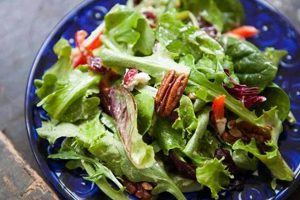
Thinly sliced Brussels sprouts form the base of a versatile salad offering a range of flavor profiles. These salads often incorporate complementary ingredients like dried fruits, nuts, cheeses, and flavorful dressings, creating a texturally and nutritionally rich dish. A simple example includes shredded sprouts, toasted pecans, crumbled goat cheese, and a lemon vinaigrette.
This preparation method offers several advantages. Shaving Brussels sprouts creates a more delicate texture and reduces the sometimes-bitter flavor associated with larger pieces. It also increases the surface area, allowing the sprouts to absorb dressings and seasonings more effectively. Furthermore, the raw or lightly massaged preparation preserves the vegetable’s nutrients, including vitamins C and K, fiber, and antioxidants. While the exact origin of these salads is difficult to pinpoint, they gained popularity alongside the broader trend of incorporating raw and minimally processed vegetables into contemporary cuisine.
This article will explore various techniques for preparing these salads, including different slicing methods, complementary ingredient pairings, and dressing options. It will also delve into nutritional information and offer variations to cater to diverse dietary preferences.
Tips for Perfect Shaved Brussels Sprout Salads
Achieving optimal flavor and texture requires attention to detail in preparation and ingredient selection. The following tips offer guidance for creating exceptional salads.
Tip 1: Slicing Techniques: Mandolines or sharp knives create uniform, thin slices. Avoid overly thick pieces, which can be tough. Alternatively, food processors with slicing attachments offer efficient shredding.
Tip 2: Balancing Flavors: The slight bitterness of Brussels sprouts pairs well with contrasting flavors. Sweet elements like dried cranberries or apples, salty cheeses such as Parmesan or Pecorino, and rich nuts like pecans or walnuts create a balanced profile.
Tip 3: Dressing Choices: Vinaigrettes offer bright acidity to cut through the richness of other ingredients. Lemon, maple-mustard, or balsamic vinaigrettes complement the sprouts well. Creamy dressings, while less traditional, can also provide a delicious counterpoint.
Tip 4: Enhancing Texture: Toasted nuts or seeds add satisfying crunch. Consider incorporating ingredients like roasted chickpeas or breadcrumbs for additional textural variation.
Tip 5: Massaging the Sprouts (Optional): Gently massaging shaved sprouts with a small amount of olive oil and salt can tenderize them and reduce bitterness. This step is particularly beneficial if using very fresh, firm sprouts.
Tip 6: Seasoning Appropriately: Seasoning throughout the preparation process ensures even flavor distribution. Add salt and pepper to the sprouts after shaving and again after combining with other ingredients and dressing.
Tip 7: Ingredient Storage: Store prepared sprouts separately from other ingredients and dress just before serving to prevent the salad from becoming soggy. This maintains optimal texture and freshness.
By following these tips, one can create a flavorful and visually appealing salad that highlights the versatility of this nutritious vegetable. Proper preparation techniques and thoughtful ingredient combinations ensure a satisfying culinary experience.
The following section will provide specific recipe examples demonstrating these principles in practice.
1. Shaving Method

The shaving method employed directly influences the final texture, flavor, and overall enjoyment of Brussels sprout salads. Thin, uniformly shaved sprouts offer a delicate texture, contrasting with the dense, sometimes tough consistency of thicker pieces. This thinness also increases surface area, allowing for greater absorption of dressings and interaction with other ingredients. A sharp knife creates finely shaved sprouts, contributing to a pleasant mouthfeel. Using a mandoline produces consistent, wafer-thin slices, ideal for salads emphasizing delicate textures. Alternatively, a food processor with a slicing attachment provides an efficient method for larger quantities, although the resulting texture may be slightly coarser. The choice of method depends on desired texture and available tools.
Consider a salad featuring shaved Brussels sprouts, toasted walnuts, and Parmesan cheese. If the sprouts are thickly sliced, they might overpower the delicate flavors of the walnuts and cheese. Thinly shaved sprouts, however, integrate seamlessly, creating a harmonious blend of textures and flavors. Another example involves a salad with a light vinaigrette. Thickly sliced sprouts might not absorb the dressing evenly, leading to uneven flavor distribution. Thinly shaved sprouts ensure each piece is coated, maximizing flavor impact. The selected shaving method, therefore, plays a critical role in the overall balance and success of the recipe.
Understanding the impact of shaving methods allows for informed decisions when preparing Brussels sprout salads. The desired texture and flavor profile dictate the appropriate technique. While various methods achieve satisfactory results, attention to this detail elevates the final dish. Careful consideration of this foundational element contributes to a more refined and enjoyable culinary experience.
2. Complementary Ingredients
Complementary ingredients are essential for transforming shaved Brussels sprouts into a well-rounded and flavorful salad. The inherent slight bitterness of raw Brussels sprouts necessitates thoughtful pairings to achieve a balanced flavor profile. These additions not only mitigate bitterness but also introduce textural complexity and enhance nutritional value. The selection of complementary ingredients influences the overall character of the salad, allowing for diverse culinary expressions ranging from sweet and savory to tangy and rich.
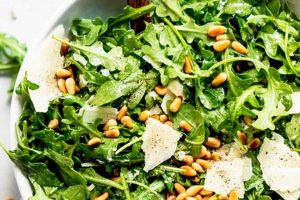
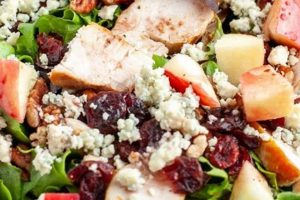
Several categories of complementary ingredients synergize particularly well with shaved Brussels sprouts. Dried fruits, such as cranberries, raisins, or chopped dates, offer a concentrated sweetness that offsets bitterness. Nuts, including toasted pecans, walnuts, or slivered almonds, provide contrasting textures and healthy fats. Cheeses, ranging from sharp Parmesan to creamy goat cheese, introduce savory notes and richness. Other vegetables, like thinly sliced red onion or shredded carrots, add color, texture, and additional nutrients. These ingredients, when combined strategically, elevate the salad beyond a simple sum of its parts. For example, a salad featuring shaved Brussels sprouts, dried cranberries, toasted pecans, and crumbled goat cheese showcases a balanced interplay of sweet, savory, crunchy, and creamy elements. Similarly, a combination of shaved Brussels sprouts, Parmesan cheese, and toasted pine nuts with a lemon vinaigrette exemplifies a tangy and refreshing profile.
Understanding the role of complementary ingredients is crucial for crafting successful shaved Brussels sprout salads. Strategic ingredient selection not only enhances flavor and texture but also allows for customization based on individual preferences and dietary needs. The careful balance of contrasting flavors and textures elevates this simple salad to a sophisticated and satisfying dish. Awareness of these principles empowers culinary exploration and ensures a consistently enjoyable and nutritionally rich meal.
3. Dressing Selection

Dressing selection significantly impacts the overall flavor profile and enjoyment of shaved Brussels sprout salads. The dressing acts as a unifying element, binding the individual components and creating a cohesive culinary experience. The inherent characteristics of Brussels sprouts, specifically their slightly bitter flavor and firm texture, necessitate careful consideration when choosing a dressing. An appropriate dressing complements rather than overpowers the delicate flavors of accompanying ingredients, creating a harmonious balance.
The interplay between acidity, sweetness, and richness within a dressing influences how it interacts with shaved Brussels sprouts. Vinaigrettes, with their bright acidity, effectively cut through the richness of ingredients like nuts and cheese, while also balancing the bitterness of the sprouts. A lemon vinaigrette, for example, provides a refreshing counterpoint to the earthy notes of the sprouts. Similarly, a balsamic vinaigrette adds a touch of sweetness and complexity. Creamy dressings, though less traditional, offer a contrasting textural element and can mellow the sharpness of other ingredients. A light, citrusy yogurt dressing, for instance, creates a creamy coating that complements the sprouts without masking their flavor. In contrast, a heavy, mayonnaise-based dressing might overwhelm the delicate flavors of the salad.
Strategic dressing selection elevates shaved Brussels sprout salads from simple to sophisticated. Consideration of the interplay between the dressing and other components ensures a balanced and flavorful experience. A well-chosen dressing complements the inherent qualities of the sprouts and other ingredients, resulting in a cohesive and satisfying culinary creation. The choice of dressing, therefore, plays a pivotal role in achieving a successful and enjoyable salad.
4. Texture Enhancement

Texture plays a crucial role in the overall enjoyment of shaved Brussels sprout salads. The inherent texture of shaved Brussels sprouts, while pleasant, benefits from the incorporation of contrasting elements to create a more dynamic and satisfying sensory experience. Strategic texture enhancement elevates these salads from simple to sophisticated, transforming them into multi-dimensional culinary creations.
- Crunchy Elements:
Incorporating crunchy elements provides a counterpoint to the sometimes-soft texture of shaved Brussels sprouts. Toasted nuts, such as pecans, walnuts, or almonds, offer a satisfying crunch and nutty flavor. Seeds, like sunflower or pumpkin seeds, contribute a similar textural contrast and boost nutritional value. Other options include roasted chickpeas, croutons, or crispy fried onions. These additions create textural complexity, preventing the salad from becoming monotonous.
- Creamy Components:
Creamy components introduce a contrasting mouthfeel and richness. Soft cheeses, like goat cheese or feta, provide a creamy element that balances the crispness of the sprouts and other crunchy additions. Avocado, with its smooth, buttery texture, adds a healthy dose of fats and a luxurious element. A dollop of Greek yogurt or a drizzle of tahini dressing can also introduce creaminess without overpowering the other flavors.
- Chewy Ingredients:
Chewy ingredients add another layer of textural intrigue. Dried fruits, such as cranberries, raisins, or chopped dates, offer a chewy texture and concentrated sweetness that contrasts with the other elements. Adding cooked grains, like quinoa or farro, introduces a subtly chewy element and boosts the nutritional profile of the salad.
- Varied Vegetable Textures:
Incorporating other vegetables with contrasting textures further enhances the sensory experience. Thinly sliced red onion adds a sharp bite, while shredded carrots contribute a gentle sweetness and subtle crunch. Roasted root vegetables, like sweet potatoes or beets, offer a tender yet firm texture and earthy flavors. The combination of these varied textures creates a dynamic and engaging salad.
The interplay of these textural elements elevates shaved Brussels sprout salads from simple to sophisticated. A well-balanced combination of crunchy, creamy, and chewy components ensures a dynamic and satisfying culinary experience. By thoughtfully incorporating these elements, one can create salads that are not only flavorful but also texturally intriguing and visually appealing. This attention to texture transforms a basic salad into a memorable culinary creation.
5. Flavor Balancing
Flavor balancing is paramount in shaved Brussels sprout salad recipes due to the vegetable’s inherent bitterness. A successful salad hinges on counteracting this bitterness while highlighting the sprouts’ nuanced flavors. Strategic incorporation of contrasting tastes and textures creates a harmonious and palatable dish. Ignoring flavor balance can result in a one-dimensional, potentially unappetizing salad.
- Bitterness Mitigation
The inherent bitterness of Brussels sprouts necessitates ingredients that temper this characteristic. Sweet elements, such as dried fruits (cranberries, raisins, dates), fruits (apples, pears), or a touch of maple syrup in the dressing, effectively counteract bitterness. Acidity also plays a key role; vinegar-based dressings or citrus juices (lemon, orange) provide a sharp counterpoint to the bitterness, creating a balanced profile. For example, pairing shaved Brussels sprouts with dried cranberries and a lemon vinaigrette demonstrates this principle in practice.
- Umami Introduction
Umami, a savory, meaty flavor, adds depth and complexity to salads, further balancing the bitterness of Brussels sprouts. Ingredients rich in umami, such as hard cheeses (Parmesan, Pecorino), nuts (walnuts, pecans), or even a sprinkle of nutritional yeast, enhance the overall flavor profile. These savory notes prevent the salad from tasting overly sweet or tart. A salad featuring shaved Brussels sprouts, toasted walnuts, and Parmesan cheese exemplifies the successful integration of umami.
- Textural Contrast
While not strictly a flavor element, texture significantly influences flavor perception. Contrasting textures create a more dynamic and enjoyable eating experience. Crunchy elements, such as toasted nuts, seeds, or croutons, offset the potential softness of the shaved sprouts. Creamy components, like goat cheese or avocado, provide another layer of textural contrast, further enhancing the overall sensory experience. A salad combining shaved Brussels sprouts, toasted pecans, crumbled goat cheese, and a lemon vinaigrette showcases a successful interplay of textures and flavors.
- Seasonality Considerations
Seasonal ingredients offer unique flavor profiles that can enhance and balance a shaved Brussels sprout salad. In autumn, incorporating roasted butternut squash or apples complements the sprouts’ earthy notes. During summer, fresh berries or peaches provide a refreshing contrast. Utilizing seasonal ingredients not only maximizes flavor but also ensures access to the freshest, most flavorful produce. A winter salad might include shaved Brussels sprouts, roasted pears, and toasted walnuts, showcasing the season’s best offerings.
Successful shaved Brussels sprout salad recipes depend on a carefully orchestrated balance of flavors. Mitigating bitterness, introducing umami, incorporating textural contrast, and considering seasonality elevates these salads from simple to complex, ensuring a satisfying and enjoyable dining experience. Attention to flavor balance transforms this potentially challenging vegetable into a versatile and delicious culinary centerpiece.
6. Seasonal Adaptations

Seasonal adaptations significantly enhance shaved Brussels sprout salad recipes, capitalizing on the freshest produce available throughout the year. Aligning ingredients with their peak seasons maximizes flavor and nutritional value, resulting in more vibrant and dynamic salads. This approach moves beyond the limitations of static recipes, embracing the cyclical nature of agricultural availability and promoting culinary creativity.
- Spring
Spring’s arrival introduces delicate flavors and vibrant colors. Asparagus, peas, and fresh herbs, such as mint and chives, complement the earthy notes of Brussels sprouts. Light, citrus-based vinaigrettes enhance the season’s fresh flavors. A spring salad might feature shaved Brussels sprouts, blanched asparagus, fresh peas, chopped mint, and a lemon vinaigrette.
- Summer
Summer offers an abundance of ripe fruits and vegetables. Stone fruits, like peaches and cherries, berries, and tomatoes, provide a juicy sweetness that balances the bitterness of Brussels sprouts. Adding grilled corn or zucchini introduces smoky char and textural contrast. A summer salad could include shaved Brussels sprouts, grilled peaches, fresh blueberries, crumbled feta cheese, and a balsamic vinaigrette.
- Autumn
Autumn’s harvest brings earthy flavors and rich textures. Roasted root vegetables, such as butternut squash, sweet potatoes, and beets, pair well with the Brussels sprouts. Apples, pears, and cranberries add sweetness and tartness. Maple-based dressings or toasted nuts complement the autumnal flavors. An autumn salad might combine shaved Brussels sprouts, roasted butternut squash, sliced apples, toasted pecans, and a maple-mustard vinaigrette.
- Winter
Winter emphasizes hearty flavors and warming spices. Citrus fruits, such as oranges and grapefruits, provide brightness and acidity. Roasted vegetables, like Brussels sprouts and carrots, offer comforting warmth. Adding pomegranate seeds or dried cranberries introduces pops of color and texture. A winter salad could feature shaved Brussels sprouts, roasted carrots, segments of orange, pomegranate seeds, toasted walnuts, and a citrus vinaigrette.
Adapting shaved Brussels sprout salads to the seasons ensures access to peak-flavor ingredients, resulting in more dynamic and nutritionally rich dishes. This approach fosters culinary creativity and celebrates the cyclical nature of seasonal produce. By embracing seasonal variations, these salads transcend basic recipes, becoming a reflection of the time of year and a testament to the versatility of this often-overlooked vegetable.
Frequently Asked Questions
This section addresses common inquiries regarding shaved Brussels sprout salad recipes, providing clear and concise information to facilitate successful preparation and enjoyment.
Question 1: What is the best way to shave Brussels sprouts for a salad?
A mandoline produces consistently thin slices, ideal for salads. Sharp knives also work effectively, though require more attention to uniformity. Food processors offer a quicker method, though slicing blades may produce a slightly coarser texture.
Question 2: How can the bitterness of raw Brussels sprouts be minimized in a salad?
Soaking shaved Brussels sprouts in ice water for 10-15 minutes can help reduce bitterness. Additionally, incorporating acidic elements like lemon juice or vinegar in the dressing, or pairing the sprouts with sweet ingredients like dried fruits or roasted vegetables, helps balance the flavor profile.
Question 3: What dressings pair well with shaved Brussels sprout salads?
Light, acidic vinaigrettes complement Brussels sprouts well. Lemon, balsamic, or apple cider vinegar-based dressings, often with a touch of Dijon mustard or honey, provide a balanced flavor. Creamy dressings, such as those based on yogurt or tahini, offer a richer alternative.
Question 4: How long can a shaved Brussels sprout salad be stored?
Shaved Brussels sprout salads are best consumed fresh. However, if storage is necessary, store the shaved sprouts and other ingredients separately from the dressing. Refrigerate in airtight containers for up to two days. Dress the salad immediately before serving to maintain optimal texture.
Question 5: Can shaved Brussels sprout salads be adapted for different dietary needs?
These salads offer considerable adaptability. Vegan variations can utilize maple syrup or agave nectar in dressings and omit cheese. Gluten-free versions require attention to crouton selection or substituting toasted nuts/seeds. Adjustments to ingredients and dressings readily accommodate various dietary restrictions.
Question 6: What are some creative ways to enhance the flavor and texture of a shaved Brussels sprout salad?
Toasted nuts, seeds, dried fruits, and cheeses add depth and textural complexity. Roasted vegetables, such as sweet potatoes or butternut squash, provide a warm element. Incorporating fresh herbs, like parsley or mint, adds brightness. Caramelized onions or bacon offer savory depth.
Understanding these common questions and their answers allows for greater confidence and creativity when preparing shaved Brussels sprout salads. Addressing these concerns proactively leads to a more satisfying culinary outcome.
This concludes the frequently asked questions section. The following section will offer a collection of complete recipes.
Conclusion
Shaved Brussels sprout salad recipes offer a versatile and nutritious culinary canvas. Exploration of preparation techniques, from the nuances of shaving methods to the strategic selection of complementary ingredients, reveals the potential of this adaptable vegetable. Careful consideration of flavor balancing, texture enhancement, and seasonal variations elevates these salads beyond basic recipes, transforming them into sophisticated and satisfying dishes. Proper dressing selection further enhances the overall dining experience, unifying diverse components into a cohesive whole.
The adaptability of shaved Brussels sprout salads allows for continuous culinary exploration. From simple weeknight meals to elegant dinner party fare, these salads offer a platform for creativity and flavor exploration. Embracing the principles outlined herein empowers informed decision-making, ensuring consistently delicious and nutritionally balanced meals. Continued experimentation with flavor combinations and seasonal ingredients promises further culinary discoveries, solidifying the shaved Brussels sprout salad as a staple in the modern kitchen.