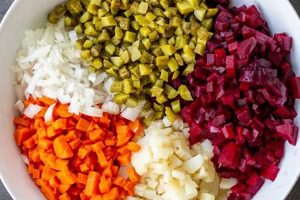
A dish combining fresh, raw vegetables with creamy cottage cheese offers a versatile and nutritious meal option. Variations can include leafy greens, chopped vegetables like cucumbers, tomatoes, and bell peppers, and additions such as fruits, nuts, seeds, or herbs. A simple vinaigrette, a dollop of sour cream or yogurt, or even a sprinkle of herbs can serve as dressing.
This type of meal provides a good source of protein, calcium, and various vitamins and minerals, depending on the chosen ingredients. Its adaptability allows for customization based on dietary needs and preferences, making it suitable for weight management, increased vegetable consumption, or simply a light and refreshing choice. Historically, cottage cheese has been a readily available and affordable source of protein, while the inclusion of fresh produce adds valuable micronutrients.
Further exploration will delve into specific recipes, highlight nutritional information, and offer guidance on ingredient selection and preparation techniques.
Tips for Creating Delicious Cottage Cheese Salads
These tips offer guidance on elevating cottage cheese salads from simple to exceptional.
Tip 1: Drain Excess Liquid: Removing excess whey from the cottage cheese prevents a watery salad. Pressing the cottage cheese gently through a fine-mesh sieve or wrapping it in cheesecloth helps achieve a drier, creamier texture.
Tip 2: Choose Fresh, High-Quality Ingredients: Opt for vibrant, seasonal produce for optimal flavor and nutritional value. Thoroughly wash and dry all ingredients before incorporating them into the salad.
Tip 3: Balance Flavors and Textures: Consider incorporating a variety of textures, such as crunchy vegetables (carrots, celery) and softer elements (avocado, tomatoes). Balance the creamy cottage cheese with tangy or acidic components like chopped red onion or a squeeze of lemon juice.
Tip 4: Experiment with Dressings: While simple vinaigrettes complement cottage cheese well, explore other options like herbed yogurt dressings, tahini-based sauces, or even a drizzle of olive oil and balsamic glaze.
Tip 5: Add Protein and Healthy Fats: Enhance nutritional value and satiety by adding grilled chicken or fish, chopped nuts, or seeds. Avocado provides healthy fats and a creamy texture.
Tip 6: Season Thoughtfully: Freshly ground black pepper, herbs, and spices can elevate the flavor profile. Consider garlic powder, onion powder, paprika, or a pinch of red pepper flakes for added depth.
By following these tips, one can craft flavorful, nutritious, and visually appealing cottage cheese salads tailored to individual preferences.
These guidelines provide a foundation for crafting delicious and satisfying meals.
1. Fresh Ingredients

Ingredient freshness significantly impacts the overall quality of a cottage cheese salad. Fresh produce offers optimal flavor, texture, and nutritional value. Wilted or decaying vegetables detract from the sensory experience and may harbor harmful bacteria. The delicate flavor of cottage cheese is best complemented by crisp, vibrant vegetables, creating a harmonious blend of tastes and textures. For instance, a salad featuring crisp lettuce, juicy tomatoes, and crunchy cucumbers provides a stark contrast to the creamy cottage cheese, resulting in a more satisfying meal. Conversely, using limp lettuce or mealy tomatoes diminishes the overall appeal.
Prioritizing fresh ingredients extends beyond mere aesthetics. Nutrient content degrades over time, so using the freshest produce maximizes the vitamin and mineral intake. This is particularly important in a cottage cheese salad, which often serves as a source of essential nutrients. Moreover, fresh ingredients contribute to food safety. Properly stored and handled fresh produce minimizes the risk of bacterial contamination, ensuring a healthy and enjoyable meal.
Selecting and storing fresh ingredients appropriately is crucial. Choose produce that is firm, vibrant in color, and free from blemishes. Store perishable items like leafy greens and berries properly to maintain their freshness. Utilizing fresh, high-quality ingredients elevates a simple cottage cheese salad into a vibrant and nutritious meal, enhancing both flavor and health benefits.
2. Varied Textures

Textural contrast contributes significantly to the enjoyment of a cottage cheese salad. The interplay of different textures creates a more dynamic and satisfying sensory experience. A successful salad engages not only the sense of taste but also the sense of touch, elevating a simple dish into a culinary delight. Exploring the various textural elements within a cottage cheese salad highlights the importance of this often-overlooked aspect of meal preparation.
- Creamy Base:
Cottage cheese provides a creamy foundation, a textural element that serves as a canvas for other ingredients. Its smooth, slightly tangy character contrasts with and complements crisper elements. The consistency of the cottage cheese itself can be adjusted by choosing different curd sizes, from small and fine to large and chunky, further influencing the overall texture.
- Crisp Vegetables:
The inclusion of crisp vegetables, such as chopped cucumbers, bell peppers, or celery, introduces a contrasting textural element. This counterpoint to the creamy cottage cheese creates a dynamic interplay in the mouth. The crispness offers a refreshing bite, preventing the salad from becoming monotonous.
- Crunchy Toppings:
Toppings such as toasted nuts, seeds, or croutons introduce a crunchy dimension. These additions provide textural complexity and enhance the auditory experience of consuming the salad. The interplay of soft, creamy, crisp, and crunchy elements creates a multi-sensory experience.
- Tender Additions:
Incorporating tender elements, such as cooked grains like quinoa or barley, or soft fruits like berries or sliced grapes, offers another layer of textural complexity. These additions contrast with both the creamy cottage cheese and the crisp vegetables, broadening the textural profile.
The strategic combination of these varied texturescreamy, crisp, crunchy, and tenderelevates the cottage cheese salad from a simple dish to a more engaging and satisfying culinary experience. The interplay of these elements enhances the overall enjoyment and contributes to a greater appreciation of the dish.
3. Balanced Flavors

Flavor balance is crucial for a successful cottage cheese salad. The inherent mildness of cottage cheese provides a neutral backdrop, allowing for a wide range of flavor combinations. A well-balanced salad avoids extremes, ensuring no single flavor dominates, creating a harmonious and enjoyable culinary experience. The following facets illustrate key components of flavor balance in these salads.
- Acidity:
Acidity provides brightness and cuts through the richness of the cottage cheese. Ingredients like lemon juice, vinegar, or chopped tomatoes introduce tartness, balancing the creamy and sometimes bland nature of the cheese. A squeeze of lemon juice can lift the entire salad, preventing it from feeling heavy.
- Saltiness:
Salt enhances other flavors and provides a savory counterpoint to sweetness or acidity. A pinch of salt is essential, but over-salting can easily mask other delicate flavors. Salty elements, such as olives or capers, can also contribute to the overall balance.
- Sweetness:
Sweetness, whether from fruits like berries or grapes, or a touch of honey or maple syrup in the dressing, offers a contrasting element to savory ingredients. This interplay creates complexity and prevents the salad from becoming one-dimensional. However, excessive sweetness can overpower other flavors.
- Herbaceousness:
Fresh herbs, such as dill, chives, or mint, add complexity and freshness. They contribute a subtle layer of flavor that complements the other ingredients without overpowering them. The choice of herbs can significantly influence the overall flavor profile, offering versatility and customization options.
The careful consideration of these flavor componentsacidity, saltiness, sweetness, and herbaceousnessensures a well-rounded and enjoyable cottage cheese salad. Harmonizing these elements elevates the dish from a simple combination of ingredients to a more complex and satisfying culinary creation.
4. Complementary Dressings
Dressing selection significantly impacts the overall flavor profile of a cottage cheese salad. The relatively bland nature of cottage cheese provides a neutral base, allowing the dressing to play a crucial role in shaping the final taste. A complementary dressing enhances, rather than masks, the flavors of the other ingredients, creating a harmonious and balanced culinary experience. Careful consideration of dressing choices is essential to maximize the enjoyment and nutritional value of the salad.
- Vinaigrettes:
Vinaigrettes, typically a blend of oil and vinegar, offer a light and tangy counterpoint to the creamy cottage cheese. The acidity of the vinegar cuts through the richness of the cheese, while the oil provides a smooth mouthfeel. A simple vinaigrette made with olive oil, red wine vinegar, and a touch of Dijon mustard complements a variety of salad ingredients.
- Herbed Dressings:
Herbed dressings, often yogurt or sour cream-based, introduce a fresh and herbaceous element. Dill, chives, parsley, and mint are popular choices, complementing the flavors of fresh vegetables and adding complexity to the salad. A yogurt-based dressing with chopped dill and a squeeze of lemon juice pairs well with cucumber and tomato.
- Creamy Dressings (in moderation):
While cottage cheese itself is creamy, a small amount of a complementary creamy dressing can enhance richness and provide a cohesive element. However, excessive use can overpower the other flavors and create a heavy, overly rich salad. A light buttermilk dressing with a touch of blue cheese can add a tangy dimension.
- Lemon or Lime Juice:
A simple squeeze of lemon or lime juice provides a bright, acidic counterpoint to the richness of the cottage cheese. This minimalist approach allows the natural flavors of the other salad ingredients to shine through while adding a refreshing tang. It’s particularly effective with salads containing cucumber, avocado, or seafood.
The choice of dressing should complement the other ingredients in the salad, enhancing their flavors and creating a balanced and harmonious dish. A well-chosen dressing elevates the cottage cheese salad from a simple combination of ingredients to a more complex and satisfying culinary experience. Experimenting with different dressings allows for customization and exploration of diverse flavor profiles, maximizing enjoyment and nutritional benefits.
5. Nutritional Considerations

Nutritional considerations are paramount when crafting cottage cheese-based salads. Cottage cheese, a good source of protein and calcium, provides a foundation for a nutritious meal. However, the overall nutritional value depends heavily on the accompanying ingredients. Thoughtful selection of vegetables, fruits, and additional components allows for customization based on dietary needs and goals. For example, incorporating leafy greens boosts vitamin and mineral intake, while adding lean protein sources like grilled chicken or fish increases satiety and supports muscle growth. Conversely, adding excessive amounts of high-fat dressings or processed toppings can negate the inherent health benefits of cottage cheese and fresh produce.
Balancing macronutrientsprotein, carbohydrates, and fatsis key. Cottage cheese offers a substantial protein source, contributing to satiety and muscle maintenance. The inclusion of complex carbohydrates from vegetables and fruits provides sustained energy and essential fiber. Healthy fats from sources like avocados, nuts, or seeds support cell function and nutrient absorption. Careful portion control and ingredient selection ensure a balanced macronutrient profile, aligning with individual dietary requirements. A salad featuring cottage cheese, grilled salmon, mixed greens, avocado, and a light vinaigrette provides a balanced and nutritious meal, rich in protein, healthy fats, and essential micronutrients. Conversely, a salad with cottage cheese, bacon bits, croutons, and a heavy creamy dressing, while palatable, may be less nutritionally balanced.
Understanding the nutritional composition of each ingredient empowers informed choices. Analyzing labels, researching nutritional information, and considering portion sizes enables individuals to tailor their salads to specific dietary needs, whether managing weight, controlling blood sugar, or maximizing nutrient intake. This informed approach transforms a simple salad into a powerful tool for promoting health and well-being. Successfully incorporating nutritional considerations into cottage cheese salad preparation maximizes health benefits, transforming a simple dish into a personalized and nutritious meal.
6. Creative Additions

Elevating a cottage cheese salad from simple to extraordinary often involves incorporating creative additions. These additions introduce unexpected flavors, textures, and visual appeal, transforming a basic dish into a culinary masterpiece. Strategic incorporation of these elements expands the potential of the cottage cheese salad, offering a canvas for culinary exploration and personalization.
- Spices and Seasonings:
Moving beyond basic salt and pepper opens a world of flavor possibilities. A dash of smoked paprika adds depth, while a pinch of cumin introduces warmth. Experimenting with different spice blends, such as garam masala or za’atar, can transport the palate to different culinary landscapes. The judicious use of spices and seasonings elevates the complexity of the salad, creating a more nuanced and sophisticated flavor profile.
- Nuts and Seeds:
Nuts and seeds contribute both textural complexity and nutritional value. Toasted slivered almonds provide a satisfying crunch, while sunflower seeds offer a nutty flavor and boost healthy fats. Chia seeds or flaxseeds introduce a subtle texture and increase the omega-3 content. The choice of nuts and seeds influences both the flavor and nutritional profile of the salad, offering opportunities for customization.
- Dried or Fresh Fruit:
Dried cranberries offer a chewy texture and tart flavor, while chopped dates provide sweetness and a soft, sticky element. Fresh berries contribute vibrant color and juicy sweetness. The inclusion of fruits introduces a contrasting flavor dimension, balancing the savory elements of the salad and adding visual appeal. The type of fruit chosen influences the overall flavor profile, offering flexibility and personalization.
- Pickled or Fermented Vegetables:
Pickled onions or jalapeos introduce a tangy, acidic element, cutting through the richness of the cottage cheese. Fermented vegetables like sauerkraut or kimchi offer complex flavors and probiotic benefits, enhancing both the taste and nutritional value of the salad. These additions contribute a unique flavor dimension and textural complexity.
These creative additions transform the cottage cheese salad from a simple staple into a versatile and exciting culinary creation. They provide opportunities for experimentation and personalization, allowing for customization based on individual preferences and dietary needs. The strategic incorporation of spices, nuts, seeds, fruits, and pickled or fermented vegetables elevates the cottage cheese salad, demonstrating its potential as a canvas for culinary creativity.
7. Recipe Adaptability
Recipe adaptability is a significant advantage when considering cottage cheese-based salads. This inherent flexibility allows for customization based on individual dietary needs, ingredient availability, and personal preferences. Understanding the various facets of adaptability highlights the versatility of this dish and its potential to become a staple in diverse meal plans.
- Dietary Modifications
Adapting recipes to accommodate dietary restrictions is a key aspect of recipe adaptability. Cottage cheese salads can easily be modified for gluten-free, vegetarian, vegan, or lactose-free diets. Gluten-free adaptations require attention to crouton or breadcrumb additions. Vegetarian versions might incorporate plant-based proteins like beans or tofu, while vegan options could utilize a non-dairy cottage cheese alternative. Lactose-free variations benefit from lactose-free cottage cheese or alternative creamy bases. Such modifications broaden the accessibility of these salads, ensuring inclusivity in diverse dietary landscapes.
- Seasonal Ingredient Swaps
Seasonal ingredient swaps maximize freshness and flavor while minimizing environmental impact. Substituting in-season produce not only enhances the taste but also supports local agriculture and reduces reliance on out-of-season imports. For example, a summer salad might feature fresh berries and tomatoes, while a winter version could incorporate roasted root vegetables and dried cranberries. This adaptability ensures year-round enjoyment, showcasing the versatility of the cottage cheese salad across different seasons.
- Flavor Profile Adjustments
Flavor profiles can be easily adjusted to cater to individual preferences. The neutral base of cottage cheese allows for a wide range of flavor combinations, from savory to sweet, spicy to tangy. Adding different herbs, spices, or dressings dramatically alters the final taste. For example, incorporating curry powder and chopped mango creates an Indian-inspired salad, while adding pesto and sundried tomatoes evokes Mediterranean flavors. This flexibility allows for endless customization, ensuring the salad remains appealing to a wide range of palates.
- Meal Component Flexibility
Cottage cheese salads can function as a light lunch, a substantial side dish, or even a main course component. Portion sizes and ingredient additions can be adjusted to fit different meal structures. A smaller salad with a light vinaigrette makes a refreshing lunch, while a larger salad with grilled chicken or fish can serve as a complete dinner. This adaptability makes the cottage cheese salad a versatile and convenient option for various meal occasions, from casual picnics to formal dinners.
The adaptability of cottage cheese salad recipes contributes significantly to their appeal. This flexibility allows for customization based on dietary restrictions, seasonal availability, flavor preferences, and meal structures, ensuring a personalized and satisfying culinary experience. This adaptability establishes the cottage cheese salad as a versatile and valuable component of a diverse and balanced diet.
Frequently Asked Questions
This section addresses common inquiries regarding the preparation and consumption of cottage cheese salads.
Question 1: How can excess moisture in cottage cheese be managed when preparing a salad?
Excess whey can be removed by gently pressing the cottage cheese through a fine-mesh sieve or wrapping it in cheesecloth. This prevents a watery salad and yields a creamier texture.
Question 2: What are optimal storage practices for maximizing the shelf life of a prepared cottage cheese salad?
Prepared salads are best consumed fresh. If storage is necessary, refrigerate in an airtight container for no more than 24 hours. Dressings should be added just before serving to prevent the salad from becoming soggy.
Question 3: Can individuals with lactose intolerance consume cottage cheese salads?
Lactose-free cottage cheese varieties are available, enabling individuals with lactose intolerance to enjoy these salads. Alternatively, substituting a dairy-free, creamy base like mashed avocado or silken tofu offers a suitable substitute.
Question 4: What protein sources complement cottage cheese in a salad to enhance nutritional value?
Grilled chicken, fish, or plant-based proteins like chickpeas or lentils complement cottage cheese and boost protein content. These additions enhance satiety and contribute to a more balanced meal.
Question 5: What strategies exist for incorporating cottage cheese salads into weight management plans?
Prioritizing fresh vegetables, lean protein sources, and light dressings supports weight management goals. Portion control and mindful ingredient selection ensure appropriate calorie intake.
Question 6: How can one avoid sogginess when adding dressings to cottage cheese salads?
Adding dressings immediately before serving prevents the salad from becoming soggy. Alternatively, packing the dressing separately allows individuals to add it just prior to consumption.
Careful consideration of these frequently asked questions ensures optimal preparation and enjoyment of cottage cheese salads. Understanding these aspects contributes to successful integration of this versatile dish into varied dietary plans.
For further exploration of specific recipe variations and nutritional breakdowns, consult the following resources.
Conclusion
Exploration of cottage cheese salad recipes reveals a versatile and adaptable dish suitable for diverse dietary needs and preferences. Emphasis on fresh, high-quality ingredients, balanced flavors, and complementary textures underscores the potential for creating nutritionally sound and flavorful meals. From simple vinaigrettes to more complex herbed dressings, the adaptability of cottage cheese as a base allows for a wide range of flavor profiles. Consideration of nutritional components, including protein, healthy fats, and essential vitamins and minerals, further enhances the value of these salads as part of a balanced diet.
The simplicity of preparation, coupled with the potential for creative customization, positions cottage cheese salads as a valuable addition to any culinary repertoire. Further exploration and experimentation with diverse ingredients and flavor combinations promise continued culinary enjoyment and nutritional benefits.