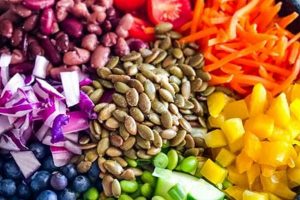
Light, refreshing, and versatile, brunch salads offer a departure from heavier breakfast fare while providing ample opportunity for culinary creativity. They can range from simple green salads with a light vinaigrette to more complex compositions incorporating roasted vegetables, fruits, cheeses, nuts, and proteins like grilled chicken or smoked salmon. A poached egg or crumbled bacon can add richness, while a citrusy dressing provides a bright counterpoint. For example, a salad featuring baby spinach, strawberries, goat cheese, candied pecans, and a poppy seed dressing exemplifies the balance of sweet, savory, and tangy elements achievable in this context.
Including salads as part of a brunch menu provides a healthy and flavorful option for guests. They contribute essential vitamins, minerals, and fiber, offering a nutritional balance alongside richer dishes. Historically, salads have evolved from simple greens to elaborate presentations. Their inclusion at brunch reflects a modern appreciation for lighter, health-conscious options that still deliver on flavor and satisfaction. This shift aligns with broader culinary trends emphasizing fresh, seasonal ingredients and balanced meals.
The following explores various approaches to brunch salads, considering factors such as seasonality, dietary restrictions, and flavor profiles. Specific recipes will be provided, along with tips for ingredient selection, preparation techniques, and presentation. Guidance on creating dressings and balancing flavor combinations will also be addressed to empower readers to craft their own unique brunch salad creations.
Tips for Crafting Exceptional Brunch Salads
Elevating a brunch salad from simple to spectacular involves careful consideration of ingredients, flavors, and presentation. These tips offer guidance for constructing balanced and appealing salads suitable for a variety of brunch occasions.
Tip 1: Embrace Seasonality: Selecting seasonal produce guarantees optimal flavor and freshness. A spring salad might feature asparagus and peas, while a summer salad could showcase ripe tomatoes and berries.
Tip 2: Prioritize Texture: A successful salad engages multiple textures. Consider incorporating crunchy elements like nuts or toasted seeds, creamy components such as avocado or cheese, and leafy greens for a foundational base.
Tip 3: Balance Flavors: Strive for a harmonious blend of sweet, savory, tangy, and bitter notes. Pairing sweet fruits with tangy dressings or bitter greens with salty cheeses creates dynamic flavor profiles.
Tip 4: Dress Strategically: The dressing should complement, not overpower, the salad’s ingredients. Lighter vinaigrettes are often preferred for delicate greens, while creamy dressings can enhance salads with roasted vegetables or heartier components.
Tip 5: Consider Dietary Needs: Offer a variety of options to accommodate guests’ dietary restrictions. This might include gluten-free, vegan, or vegetarian choices.
Tip 6: Presentation Matters: Thoughtful plating elevates the dining experience. Arrange the salad components attractively, ensuring even distribution of colors and textures.
Tip 7: Don’t Overcrowd the Plate: Avoid overloading the salad plate. A slightly smaller portion allows guests to appreciate the individual flavors and textures.
By following these guidelines, one can create brunch salads that are not only visually appealing but also nutritionally balanced and bursting with flavor. These principles contribute to a more satisfying and memorable brunch experience.
These tips offer a starting point for creating memorable brunch salads. The following section will provide specific recipe examples to further illustrate these concepts.
1. Fresh, Seasonal Ingredients
Fresh, seasonal ingredients form the foundation of exceptional brunch salads. Seasonality dictates ingredient availability, impacting flavor profiles and nutritional value. Utilizing peak-season produce results in salads bursting with natural sweetness and vibrant colors, elevating the overall dining experience. For instance, a spring salad might showcase tender asparagus and sweet peas, while a summer salad could feature ripe tomatoes and juicy berries. This connection between seasonality and flavor allows chefs and home cooks to create dishes that reflect the time of year and offer optimal taste.
Prioritizing seasonal ingredients offers several benefits. Produce picked at its peak ripeness boasts superior flavor compared to out-of-season alternatives often transported long distances. Furthermore, seasonal eating supports local agriculture, reducing transportation costs and environmental impact. From a culinary perspective, the changing availability of ingredients encourages creativity and menu diversity. A winter citrus salad provides a refreshing contrast to heavier dishes, while a fall harvest salad featuring roasted root vegetables offers comforting warmth. These examples demonstrate how seasonality inspires unique flavor combinations and culinary exploration.
Incorporating fresh, seasonal ingredients into brunch salads requires an understanding of local growing seasons and produce availability. Farmers’ markets offer a valuable resource for sourcing peak-season produce and connecting with local growers. Planning menus around seasonal availability simplifies ingredient selection and guarantees optimal flavor. While some ingredients can be preserved or frozen to extend their availability, prioritizing fresh, in-season produce ensures the highest quality and contributes to the overall success of a brunch salad. This approach not only elevates flavor but also supports sustainable practices and encourages culinary innovation.
2. Balanced Flavor Profiles

Balanced flavor profiles are essential for successful brunch salads. A well-composed salad engages multiple taste receptorssweet, sour, salty, bitter, and umamicreating a harmonious and satisfying culinary experience. This balance prevents any single flavor from dominating, allowing the complexity of the ingredients to shine. A salad featuring bitter greens, sweet berries, salty feta cheese, and a tangy vinaigrette exemplifies this principle. The interplay of these distinct flavors creates a dynamic and more enjoyable sensory experience than any single element could achieve in isolation.
Achieving balance requires careful consideration of ingredient pairings. Sweet fruits complement bitter greens, while salty cheeses enhance the sweetness of roasted vegetables. Acidity from citrus fruits or vinaigrettes brightens rich flavors and adds a refreshing element. Umami, often found in ingredients like nuts, mushrooms, or aged cheeses, adds depth and complexity. Understanding these flavor interactions empowers one to create salads that offer a sophisticated and layered experience. For example, the richness of toasted walnuts can be balanced by the sweetness of dried cranberries and the tanginess of a balsamic vinaigrette, creating a harmonious flavor profile within the salad.
Failure to balance flavors can result in a one-dimensional or overwhelming sensory experience. An overly sweet salad can become cloying, while an excessively bitter or acidic salad can be unappetizing. Achieving balance is crucial for making salads palatable and enjoyable. This principle applies not only to brunch salads but to culinary creations more broadly. Understanding how to combine ingredients to create a balanced flavor profile is a fundamental skill in cooking, enabling one to develop dishes that are both complex and satisfying. The balanced flavor profile of a brunch salad enhances its appeal, making it a more desirable and enjoyable part of the meal.
3. Variety of Textures

Textural variety is a critical component of appealing salad recipes for brunch. A successful salad engages multiple textures, creating a more dynamic and satisfying sensory experience. This interplay of textures elevates a simple salad to a more complex and enjoyable dish. It moves beyond mere sustenance, offering a more engaging culinary experience.
- Crunchy Elements
Crunchy elements provide a satisfying contrast to softer ingredients. Examples include nuts, seeds, croutons, and raw vegetables like carrots or cucumbers. In a brunch salad, toasted pecans offer a pleasing crunch against tender greens, while roasted chickpeas provide both protein and textural contrast.
- Creamy Components
Creamy textures add richness and a sense of indulgence. Avocados, cheeses, and dressings contribute creaminess. A dollop of ricotta or crumbled goat cheese adds a luxurious touch to a brunch salad, complementing the freshness of the other ingredients.
- Leafy Greens
Leafy greens form the foundation of many salads, providing a refreshing base and contributing essential nutrients. Different greens offer varying textures, from the delicate nature of spinach to the sturdier texture of kale. Choosing a variety of greens adds depth and complexity to the overall textural profile.
- Tender/Soft Elements
Tender elements, such as roasted vegetables, poached eggs, or grilled proteins, offer a textural counterpoint to crunchier components. Roasted sweet potatoes or beets provide a soft, caramelized sweetness, while a poached egg adds a rich, velvety texture to the salad.
The strategic combination of these textural elements elevates brunch salads from simple to exceptional. A salad featuring crunchy toasted almonds, creamy avocado slices, tender roasted asparagus, and a bed of peppery arugula demonstrates the interplay of textures contributing to a more satisfying and memorable brunch experience. The thoughtful incorporation of various textures enriches the sensory experience, ensuring a more enjoyable and appealing meal. This attention to detail elevates the salad from a simple side dish to a more substantial and satisfying component of the brunch menu.
4. Complementary Dressings
Complementary dressings are essential for elevating brunch salad recipes. A well-chosen dressing enhances the flavors of the salad components without overpowering them, creating a harmonious and balanced culinary experience. The dressing acts as a unifying element, tying the various ingredients together and adding a layer of complexity. Its role extends beyond mere flavor enhancement, contributing to the overall texture and visual appeal of the salad.
- Flavor Pairing
Dressings should complement the existing flavors of the salad ingredients. A light vinaigrette with lemon and herbs enhances a salad featuring fresh greens and delicate vegetables. Conversely, a richer, creamier dressing might complement a salad with roasted vegetables or heartier components like grilled chicken or smoked salmon. A berry-based vinaigrette paired with a spinach salad containing goat cheese and candied pecans creates a balanced flavor profile, highlighting the interplay of sweet, tangy, and savory notes.
- Texture Enhancement
Dressings contribute to the overall textural experience of a salad. A creamy dressing adds richness and coats the ingredients, while a vinaigrette provides a lighter, brighter touch. The texture of the dressing should harmonize with the other textural elements in the salad. For example, a creamy avocado dressing complements a salad with crunchy vegetables and toasted nuts, creating a balance between creamy and crunchy elements.
- Acidity and Balance
The acidity in dressings plays a crucial role in balancing the flavors of a salad. A vinaigrette with a touch of vinegar or citrus juice brightens the flavors of the other ingredients and cuts through richness. This acidity is particularly important in salads with richer components like cheese or nuts. For instance, a lemon vinaigrette balances the richness of a salad featuring grilled halloumi and roasted vegetables.
- Visual Appeal
Dressings contribute to the visual presentation of a salad. A vibrant vinaigrette adds a pop of color, while a creamy dressing provides a contrasting backdrop to colorful ingredients. The way the dressing is applied also impacts the visual appeal. Lightly drizzling the dressing over the salad creates a more elegant presentation than drenching the ingredients. A balsamic glaze drizzled artistically over a salad adds visual interest and a touch of sophistication.
The careful selection and application of a complementary dressing elevates brunch salads from simple to exceptional. By considering flavor pairings, textural enhancement, acidity balance, and visual appeal, one can create salads that are not only delicious but also visually stunning. The right dressing transforms a collection of ingredients into a cohesive and satisfying dish, enriching the overall brunch experience.
5. Dietary Accommodations
Dietary accommodations are crucial when planning brunch salads, reflecting an inclusive approach to menu design. Modern brunch gatherings often include individuals with diverse dietary needs, ranging from common allergies and intolerances like gluten or dairy sensitivities to lifestyle choices such as veganism or vegetarianism. Failing to address these needs can exclude guests and diminish their dining experience. Offering adaptable brunch salad recipes demonstrates consideration and ensures all attendees can partake and enjoy the meal. This approach fosters a more welcoming and inclusive atmosphere.
Adapting salads to various dietary restrictions requires flexibility and creativity. Common accommodations include substituting ingredients, offering separate dressings, and clearly labeling dishes with allergen information. For gluten-free guests, ensure croutons and dressings are gluten-free. Dairy-free options might involve replacing cheese with avocado or using a plant-based dressing. Vegan salads necessitate omitting animal products entirely, focusing on plant-based proteins like beans, lentils, or tofu, and utilizing vegan dressings. Offering a build-your-own salad bar empowers guests to customize their salads according to their specific needs. Providing clear ingredient labels empowers informed choices and minimizes the risk of accidental exposure to allergens.
Successfully accommodating dietary needs requires careful planning and communication. Inquiring about dietary restrictions in advance allows ample time for menu adjustments and ingredient sourcing. Clear communication with guests regarding menu options minimizes confusion and ensures everyone feels comfortable and catered to. This proactive approach demonstrates respect for individual dietary needs and contributes to a more positive and inclusive dining experience for all attendees. Ultimately, considering dietary accommodations elevates the brunch experience from a purely culinary event to a thoughtful gesture of hospitality and inclusivity.
6. Attractive Presentation
Attractive presentation elevates brunch salads from simple sustenance to visually appealing culinary creations. Visual appeal significantly influences perceived palatability and enjoyment. A thoughtfully arranged salad entices the appetite and enhances the overall dining experience, making it more memorable and enjoyable. This principle applies particularly to brunch, a meal often associated with leisurely enjoyment and social interaction. A visually appealing salad contributes to the aesthetic ambiance of the brunch setting. For example, a salad composed of vibrant greens, colorful vegetables arranged in an artful manner, and a sprinkle of edible flowers creates a visually stunning dish that enhances the brunch table.
Several techniques contribute to attractive salad presentation. Color plays a crucial role; incorporating a variety of colorful ingredients creates visual interest. Height and texture add another dimension; layering ingredients and incorporating elements like toasted nuts or crumbled cheese creates visual texture and depth. The choice of servingware also influences presentation; a simple white bowl allows the colors of the salad to stand out, while a rustic wooden bowl adds a touch of warmth and natural elegance. Portion size also matters; a smaller, more manageable portion often presents more attractively than an overfilled plate. Consider a salad featuring grilled peaches, prosciutto, and burrata served on a bed of arugula. The contrasting colors and textures, combined with an elegant plating style, contribute to the dish’s visual appeal, making it more enticing to diners.
While flavor remains paramount, neglecting presentation diminishes the overall impact of a brunch salad. Attractive presentation enhances the perceived value and enjoyment of the dish. It signals care and attention to detail, elevating the dining experience from a simple meal to a more memorable occasion. The effort invested in presentation communicates a level of respect for the ingredients and the diners. Ultimately, attractive presentation enhances the sensory experience of the brunch salad, contributing to a more satisfying and enjoyable meal. This attention to detail transforms the salad from a functional component of the meal to a visually appealing centerpiece.
7. Appropriate Portion Sizes

Appropriate portion sizes contribute significantly to the success of brunch salads. Portion control affects both the perceived value and the enjoyment of the meal. Overly large portions can appear overwhelming and lead to food waste, while insufficient portions leave guests feeling unsatisfied. Proper portioning ensures guests can comfortably sample a variety of dishes without feeling overly full, maximizing enjoyment of the entire brunch spread. This balance is crucial for creating a satisfying and well-rounded brunch experience.
- Balancing the Meal
Salad portion sizes should be determined in relation to the other dishes offered at brunch. If the salad is intended as a starter, a smaller portion is appropriate. A larger portion might be suitable if the salad is a main course or one of a few lighter options. This balance ensures guests can comfortably enjoy all aspects of the meal without feeling overwhelmed by any single dish. A smaller salad portion alongside a heartier main course allows guests to sample both without overeating, while a larger, more composed salad can serve as a satisfying centerpiece when presented as a main course option.
- Ingredient Considerations
The composition of the salad influences appropriate portioning. A dense salad with heavier ingredients like roasted vegetables, cheese, and nuts requires a smaller portion size than a lighter salad composed primarily of leafy greens. This consideration acknowledges the varying satiety levels of different ingredients. A smaller portion of a rich salad prevents guests from feeling overly full, while a larger portion of a lighter salad offers ample volume without excessive calories. For example, a hearty salad featuring roasted butternut squash, kale, and feta cheese requires a smaller portion than a lighter salad composed of mixed greens, berries, and a light vinaigrette.
- Presentation and Aesthetics
Portion size impacts the visual appeal of a salad. A smaller, neatly arranged portion often presents more elegantly than a large, overflowing plate. Proper portioning allows the individual components of the salad to be showcased effectively, enhancing the visual appeal and creating a more refined presentation. A smaller portion also allows for more attention to detail in plating, further enhancing the aesthetic appeal of the dish. For instance, a small salad featuring artfully arranged heirloom tomatoes, fresh mozzarella, and basil leaves creates a more visually appealing presentation than a large, haphazardly arranged salad.
- Guest Satisfaction and Food Waste Reduction
Appropriate portioning contributes to both guest satisfaction and food waste reduction. Offering manageable portions allows guests to enjoy their meal without feeling pressured to overeat. This reduces the likelihood of leftover salad being discarded, minimizing food waste and promoting a more sustainable approach to meal planning. Accurate portioning also reflects a consideration for guests’ appetites and preferences, allowing them to comfortably enjoy the variety of dishes offered without feeling overwhelmed. This contributes to a more positive overall dining experience and reduces the environmental impact associated with food waste.
Careful consideration of portion sizes ensures brunch salads contribute positively to the overall meal. Appropriate portioning enhances both the visual appeal and enjoyment of the salad, contributing to a more satisfying and balanced brunch experience. This attention to detail reflects a consideration for both guest satisfaction and responsible resource management. Proper portioning demonstrates a commitment to creating a positive and enjoyable dining experience while minimizing waste, aligning with broader trends toward mindful consumption and sustainable practices. This consideration elevates the brunch salad from a simple dish to a thoughtfully planned component of a well-rounded and enjoyable meal.
Frequently Asked Questions about Brunch Salads
This section addresses common inquiries regarding brunch salads, offering practical guidance and clarifying potential misconceptions.
Question 1: How can one ensure a brunch salad remains fresh and crisp when prepared in advance?
Preparing components separately and combining them just before serving helps maintain freshness. Storing dressings separately and adding them at the last minute prevents the salad from becoming soggy. Keeping ingredients chilled until serving also contributes to optimal crispness.
Question 2: What are suitable protein options for brunch salads beyond traditional choices like chicken or fish?
Plant-based proteins such as chickpeas, lentils, or tofu offer excellent alternatives. Hard-boiled eggs, bacon, or ham also provide protein while aligning with traditional brunch themes. Less common options like smoked salmon or grilled halloumi add unique flavors and textures.
Question 3: How can individuals adapt brunch salad recipes to accommodate various dietary restrictions?
Substitutions offer flexibility for dietary accommodations. Avocado can replace cheese for dairy-free options. Gluten-free bread can be used for croutons or omitted entirely. Vegan options utilize plant-based proteins and dressings. Clearly labeling ingredients helps guests with allergies or intolerances make informed choices.
Question 4: What are effective strategies for balancing flavors in a brunch salad?
Balancing sweet, savory, acidic, bitter, and umami elements creates a more complex and satisfying flavor profile. Pairing sweet fruits with tangy dressings or bitter greens with salty cheeses exemplifies this principle. Incorporating ingredients with umami, like mushrooms or nuts, adds depth. Careful consideration of these flavor interactions prevents any single taste from dominating.
Question 5: Beyond leafy greens, what other bases can be used for brunch salads?
Grains like quinoa or farro offer nutritious and flavorful alternatives to leafy greens. Roasted vegetables, such as sweet potatoes or Brussels sprouts, can also serve as a base, adding heartiness and texture. These alternatives provide different nutritional profiles and expand culinary possibilities.
Question 6: How can one elevate the presentation of a brunch salad beyond simply tossing ingredients together?
Thoughtful plating techniques enhance visual appeal. Layering ingredients creates height and visual interest. Using a variety of colors and textures adds complexity. Garnishes, such as edible flowers or a sprinkle of herbs, provide finishing touches. The choice of servingware also influences presentation; a simple white bowl allows the colors of the salad to pop, while a rustic wooden bowl adds a touch of warmth.
Addressing these common queries empowers individuals to create and enjoy exceptional brunch salads. The key takeaways emphasize freshness, flavor balance, dietary accommodations, and attractive presentation as crucial elements for a successful brunch salad experience.
The following section will offer specific brunch salad recipes, illustrating the principles discussed throughout this article.
Salad Recipes for Brunch
Exploration of brunch salad recipes reveals the potential for culinary creativity and nutritional balance within this seemingly simple dish. Emphasis on fresh, seasonal ingredients, balanced flavor profiles, diverse textures, and complementary dressings underscores the multifaceted nature of successful salad construction. Dietary accommodations, achieved through ingredient substitutions and clear labeling, ensure inclusivity and enhance the dining experience for all guests. Furthermore, attention to presentation and portion size elevates the salad from a basic component to a visually appealing and satisfying element of the brunch spread. These considerations collectively contribute to a more enjoyable and memorable brunch experience.
Brunch salads offer a versatile canvas for culinary expression, reflecting broader trends toward healthier, more mindful eating. The adaptability of salads allows for endless variations, accommodating diverse palates and dietary needs. Continued exploration of flavor combinations, textures, and presentations promises further innovation within this culinary category, ensuring brunch salads remain a vibrant and evolving component of contemporary dining. This adaptability positions salads as a relevant and enduring element of the brunch experience, offering a platform for both culinary creativity and healthful enjoyment.